
Applying rust prevention products and undercoatings is one of the most effective ways to protect your vehicle from structural degradation, especially in regions prone to harsh environmental conditions. However, the thick, sticky, or oily nature of these protective chemicals means that using the wrong applicator can lead to a messy application, trapped fibers, or ruined detailing gear. For light rust inhibitors and paint-safe sealants, low-pile or plush, lint-free options like The Rag Company Liquid8r or Edgeless 340 and 365 are ideal for achieving a smooth, uniform finish. For heavy, tar-like chassis undercoatings, inexpensive utility towels or the Edgeless 300 are the most practical choices because these heavy substances permanently clog microfiber, making premium towels a costly, single-use waste.
Selecting the right microfiber towel requires balancing the viscosity of your chosen protective product with the specific area of the vehicle you are treating. Using a high-end paint towel on a greasy frame rail will instantly ruin the towel, while using a coarse utility rag on delicate body panels can leave micro-scratches in the clear coat. By matching the towel’s pile height, blend, and GSM (grams per square meter) to the specific step of your rust-proofing project, you can achieve professional-grade protection while keeping your detailing inventory organized and cost-effective.
What to Look for in Towels for Rust Inhibitors and Undercoating
When selecting microfiber towels for rust prevention tasks, you must first distinguish between light rust inhibitors applied to visible, painted surfaces and heavy undercoatings applied to the chassis. Light rust inhibitors, such as thin oils, lanolin-based sprays, or polymer sealants, are designed to penetrate tight seams and leave a thin, moisture-repelling barrier. These products require towels that can spread the liquid evenly across painted panels, door jambs, and engine bays without absorbing excessive amounts of the expensive chemical. Heavy undercoatings, which are often asphalt-based, rubberized, or thick waxes, are designed for the undercarriage to resist road debris and water spray. These viscous products require durable, cost-effective towels that can handle rough metal surfaces and messy cleanup duties.
Products mentioned in this guide
Prices are valid at publication and may change. Please refer to the product page for the latest price.
Lint-free construction is a critical factor when applying any curing sealant or sticky rust inhibitor. If a microfiber towel sheds fibers during application, those loose synthetic strands can become permanently trapped in the tacky protective layer as it cures. This not only ruins the aesthetic appearance of visible panels but can also compromise the integrity of the barrier by creating microscopic pathways for moisture to bypass the sealant. High-quality microfiber with tightly woven fibers and clean, heat-cut or edgeless borders minimizes the risk of lint contamination, ensuring a clean and continuous protective shield.
Durability and cost-effectiveness must also guide your selection because heavy undercoatings and oil-based rust inhibitors degrade synthetic fibers rapidly. Microfiber is a blend of polyester and polyamide, which naturally attracts and holds onto oils and polymers. When exposed to heavy chassis waxes or asphaltic sprays, these fibers become deeply saturated and clogged, losing their capillary action and soft texture. Because washing these heavy residues out of premium microfiber is highly difficult and often impossible, using expensive towels for chassis work is impractical. Instead, a sustainable towel rotation utilizes premium towels for painted bodywork and transitions cheaper, standard-grade utility towels to dirty chassis applications.
In the tropical climate of the Philippines, regular rust prevention is an essential maintenance task rather than an occasional luxury. The combination of high relative humidity, salty coastal breezes in maritime regions, and heavy rainfall during the monsoon season creates an environment where exposed steel oxidizes rapidly. Driving through flooded streets further accelerates this process by bathing the undercarriage in water and road grime. Consequently, vehicle owners must perform rust-proofing tasks more frequently, which demands a highly efficient, organized, and cost-effective towel rotation to keep maintenance expenses manageable.
Before beginning any rust-proofing or undercoating application, always check the safety and application instructions on the specific product label. Different chemical formulas have unique requirements regarding surface preparation, curing times, ventilation, and compatible application tools. Some solvents used in undercoatings can react with certain plastics or rubber seals, making it vital to verify that both your application method and your cleanup towels are compatible with the product and the specific areas of the vehicle you are treating.
Best The Rag Company Towels for Paint Sealants and Light Rust Prevention
For visible, painted surfaces where finish quality, smooth application, and zero lint are critical, you need premium microfiber towels that prioritize paint safety. These towels must be soft enough to prevent clear-coat scratching while possessing the correct weave structure to level out liquid protectants smoothly. The Rag Company offers several specialized variants that excel at handling these delicate, high-visibility applications.

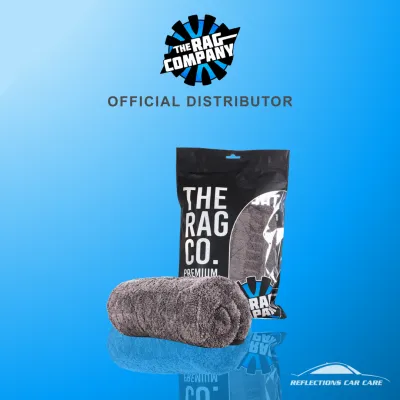
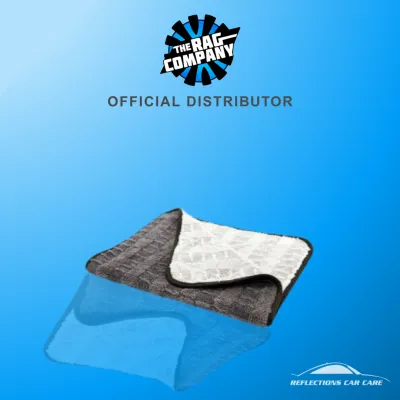
The Rag Company Liquid8r
The Rag Company Liquid8r features a unique hybrid design with a smooth, low-pile twist-loop texture that is highly engineered for spreading liquid products evenly. Unlike plush, high-pile towels that tend to absorb large quantities of liquid into their core, the Liquid8r’s low-profile loops allow the product to remain on the surface of the towel. This design ensures that spray-on rust inhibitors, liquid sealants, and light protective coatings are distributed across the paint in a thin, uniform layer rather than being wasted inside the microfiber fibers.
This lint-free nature is incredibly important when working with clear protective sealants or light rust-prevention sprays on exterior body panels. The tight, warp-knit construction of the Liquid8r prevents the shedding of loose fibers, leaving behind a clean, streak-free surface that allows the sealant to cure without contamination. By ensuring that no synthetic fibers are left behind to trap moisture, this towel helps maintain both the cosmetic appeal and the protective performance of the coating.
However, it is important to understand the physical limitations of the Liquid8r. This towel is not designed for heavy scrubbing, removing stubborn rust scale, or absorbing thick, waxy undercoatings. If used on rough, non-painted chassis components, the delicate twist loops can easily snag on sharp metal edges, tearing the fabric and rendering the towel useless. It should be used strictly as an applicator and light buffing towel on smooth, clean, painted surfaces.
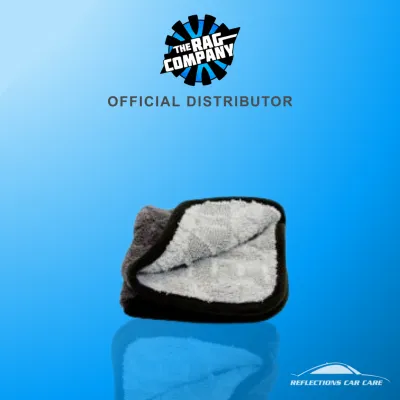
The Rag Company Edgeless 340 and 365
The Rag Company Edgeless 340 and Edgeless 365 are versatile, plush towels featuring a premium 70/30 polyester-to-polyamide blend. The defining characteristic of these towels is their ultrasonic cut, edgeless design, which completely eliminates stitched borders or piping. This borderless construction removes the primary source of friction and potential scratching, making these towels exceptionally safe for wiping down delicate clear coats and sensitive painted panels during the final stages of rust protection.
With GSM ratings of 340 and 365 respectively, these towels offer a medium-to-high pile height that excels at absorbing excess residue and leveling out sealants or spray-on rust inhibitors. After a light rust-prevention product has been sprayed onto the paint and allowed to flash or settle according to its instructions, these plush fibers gently lift away the excess product. This leveling process prevents high spots, runs, or sticky patches, leaving a smooth, uniform protective film across the vehicle’s exterior.
To maintain a safe detailing workflow, you must dedicate specific Edgeless towels exclusively to sealant and rust-prevention duties. Clearly color-code or label these towels and store them completely separate from your general wash, interior, or wheel-cleaning towels. This separation prevents oily residues and polymers from cross-contaminating other towels, which could otherwise lead to severe streaking on glass or paint during future maintenance washes.
Best The Rag Company Towels for Heavy Undercoating and Chassis Work
Working on the undercarriage, wheel wells, and frame rails involves dealing with rough metal, road grime, and highly viscous, sticky coatings. For these non-visible, messy areas, using premium paint towels is highly impractical. Instead, you need durable, cost-effective towels that can withstand abrasive surfaces and manage heavy chemical cleanup without blowing your budget.
The Rag Company Utility Towels (Standard Grade)
Heavy, asphalt-based undercoatings and thick, waxy rust inhibitors are formulated to adhere aggressively to metal surfaces and resist water wash-off. When these heavy substances come into contact with microfiber, they instantly clog the microscopic spaces between the synthetic fibers, turning the towel into a stiff, sticky mass. Because premium microfiber relies on these open spaces to absorb and trap particles, heavy undercoatings permanently destroy the towel’s functionality.
Standard-grade utility towels from The Rag Company are the most pragmatic choice for managing these heavy coatings. These towels are highly cost-efficient, making them perfect for wiping away overspray from suspension components, cleaning up drips on the chassis, or manually applying thick protective greases to rough, non-painted metal surfaces. Their tighter, shorter pile resists snagging on rusty frame rails or sharp bracket edges better than plush towels, allowing you to work efficiently in tight spaces.
When using utility towels for heavy undercoating work, you must set the realistic expectation that these towels are essentially single-use or disposable items. Once a towel is saturated with cured asphalt, rubberized undercoating, or heavy grease, attempting to wash it is highly impractical. The heavy chemical residue will not fully wash out and can easily contaminate your washing machine, leaving sticky deposits that could ruin subsequent loads of household laundry or premium detailing microfiber.
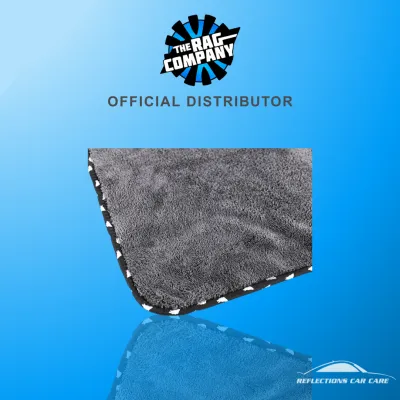
The Rag Company Edgeless 300
The Rag Company Edgeless 300 represents an excellent middle-ground option for automotive enthusiasts and professionals. Featuring a 300 GSM closed-loop, low-pile construction and an ultrasonic cut edge, this towel offers a balance of affordability and functional microfiber quality. It is soft enough to avoid scratching painted surfaces around the lower body panels, rocker panels, and engine bay, yet cheap enough to be used for dirty, chemical-heavy tasks without concern.
This towel is highly effective for cleaning up messy rust-prevention overspray around complex suspension geometries, brake lines, and wheel arches. The low-pile design provides excellent scrubbing power to agitate and remove overspray from rubber bushings or plastic liners where undercoating should not be applied. Because it is edgeless, there are no stitched borders to snag on cotter pins, bolts, or rough metal brackets during undercarriage cleanup.
While the Edgeless 300 is significantly softer and more refined than standard utility rags, it must still be strictly relegated to “dirty” detailing duties. Once these towels have been introduced to the oily, chemical-heavy environment of rust prevention and chassis maintenance, they should never be returned to your final paint polishing or glass cleaning rotation, even after being washed.
Quick Comparison: The Rag Company Towels for Rust and Undercoating
To help you quickly match the right microfiber towel to your specific rust prevention or undercoating project, refer to the comparison table below. This summary outlines the best use cases, lint risks, cost efficiency, and washability for each of the recommended variants.
| Towel Variant | Best Use Case | Lint Risk | Cost Efficiency for Messy Jobs | Washability after Heavy Chemical Use |
|---|---|---|---|---|
| Liquid8r | Spreading liquid paint sealants & light rust inhibitors | Extremely Low | Low (Keep away from heavy grease) | Moderate (Washable if treated immediately) |
| Edgeless 340/365 | Buffing off excess sealants & leveling light inhibitors | Low | Moderate (Reserve for painted panels) | Moderate (Requires dedicated microfiber wash) |
| Edgeless 300 | Wiping overspray in engine bays, lower panels, & wheel arches | Low | High (Affordable middle-ground option) | Low (Relegate to dirty duties after use) |
| Utility Towels | Wiping heavy asphalt undercoatings & cleaning chassis drips | Moderate | Extremely High (Very cost-effective) | Extremely Low (Discard after heavy saturation) |
How to Clean and Maintain Towels Used with Rust Products
Properly cleaning and maintaining microfiber towels that have been exposed to rust prevention products is crucial for preserving their performance and ensuring workshop safety. Because oil-based and lanolin-based rust inhibitors are highly hydrophobic, they resist standard washing cycles. To clean these towels effectively, you must first break down the heavy grease and oils by pre-soaking them in a bucket of warm water mixed with a strong citrus-based degreaser or an automotive all-purpose cleaner (APC). Allow the towels to soak for several hours, and gently agitate them by hand to release the embedded chemical residues before transferring them to a washing machine.
Safety is a paramount concern when handling towels contaminated with oil-based rust inhibitors, solvents, or curing undercoatings. Microfiber towels soaked in these flammable substances present a severe fire hazard due to spontaneous combustion if they are piled together while wet or greasy. Never leave oil-saturated towels crumpled in a pile or stored in a closed, unventilated container. Store them submerged in water or spread them out flat in a well-ventilated outdoor area to dry completely before washing, and always follow the chemical manufacturer’s Safety Data Sheet (SDS) for specific handling and disposal guidelines.
To prevent ruinous cross-contamination, always wash your rust-prevention towels in a separate load, completely isolated from your paint-polishing, drying, or glass-cleaning towels. The residual oils, silicones, and protective polymers can easily transfer from towel to towel during the wash cycle, coating the fibers of your premium towels and permanently reducing their absorbency and streak-free performance. Use a dedicated microfiber detergent, select a warm water cycle, and avoid fabric softeners or bleach, which clog and destroy the synthetic fibers.
Eventually, microfiber towels exposed to harsh rust-proofing chemicals will reach the end of their functional lifespan. If a towel remains stiff, feels greasy or tacky to the touch even after a thorough wash, or begins shedding degraded synthetic fibers, it has lost its structural integrity. Using a degraded, stiff towel on your vehicle can cause severe scratching on painted surfaces or leave excessive lint behind. When these conditions occur, discard the towel immediately or relegate it to non-automotive, heavy industrial cleanup tasks where surface scratching is not a concern.
Frequently Asked Questions (FAQ)
Can I use the same microfiber towel for undercoating and paint polishing?
No, you should never use the same microfiber towel for both undercoating and paint polishing. Undercoatings and chassis rust inhibitors contain heavy oils, waxes, and asphaltic compounds that bond tightly to synthetic microfiber. Even after a thorough washing cycle, microscopic chemical residues can remain trapped within the fibers. If you use that same towel to polish or dry your vehicle’s paint, these residues will transfer back onto the clear coat, creating unsightly smudges, oily streaks, and holographic hazing that can be difficult to remove. Always maintain a strict, color-coded separation between your chassis maintenance towels and your paint polishing towels.
Will rust prevention products permanently ruin my microfiber towels?
Yes, heavy asphalt-based, rubberized, or thick wax undercoatings will permanently ruin microfiber towels by completely clogging the microscopic spaces between the polyester and polyamide fibers. Once these heavy substances cure or saturate the fabric, they cannot be washed out, making the towels stiff, non-absorbent, and abrasive. Light, water-based, or highly refined spray-on rust inhibitors can often be washed out successfully if they are pre-soaked in a degreaser and washed immediately after use. However, even these towels should eventually be demoted to lower-tier utility tasks rather than being trusted for delicate paintwork.
Are foam applicator pads better than microfiber for heavy undercoating?
For the initial application of thick, highly viscous chassis undercoatings, foam applicator pads or stiff-bristled brushes are often superior to microfiber towels. Foam pads do not absorb and waste as much of the thick product within their core, allowing you to spread the heavy coating efficiently over large, flat areas of the frame. Stiff brushes are ideal for working thick greases into complex weld seams, crevices, and rough cast-iron suspension components. Microfiber towels, specifically standard-grade utility towels, are best reserved for leveling out the applied product, wiping away overspray from sensitive areas, and cleaning up runs or drips.
Community discussion
Share your experience or ask a question. Comments are reviewed before publication.