
When shopping for a helmet vintage classic design in the Philippines, riders must navigate a crowded market filled with options ranging from cheap imports to high-end imported heritage brands. Finding the right balance between retro aesthetics, tropical comfort, and modern impact protection is crucial for daily commuting and weekend leisure rides alike.
This guide breaks down what to expect across three distinct price tiers—from budget-friendly entry-level options under ₱2,000 to premium heritage helmets costing upwards of ₱8,000—ensuring you make an informed, safe, and stylish purchase.
Choosing a Helmet Vintage Classic Style: Safety Baselines
Modern retro-styled helmets mimic the iconic silhouettes of the 1960s and 1970s, but they are built using modern manufacturing techniques. A true vintage helmet—meaning an actual decades-old physical relic—is highly dangerous to wear. Over time, the internal protective materials degrade, rendering them useless in an accident. Modern classic helmets solve this by pairing old-school charm with contemporary impact-absorbing technology.
Products mentioned in this guide
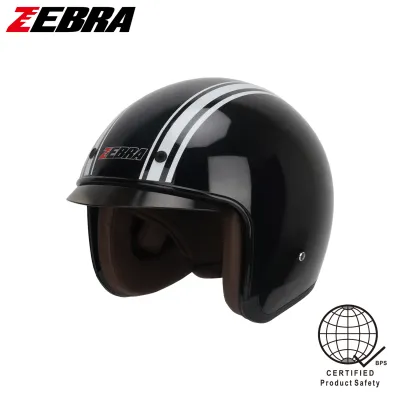
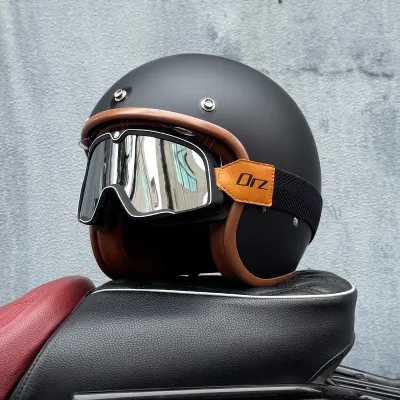
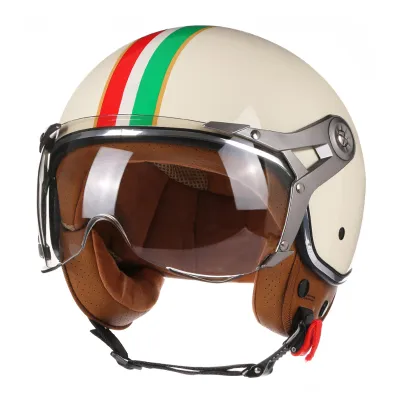
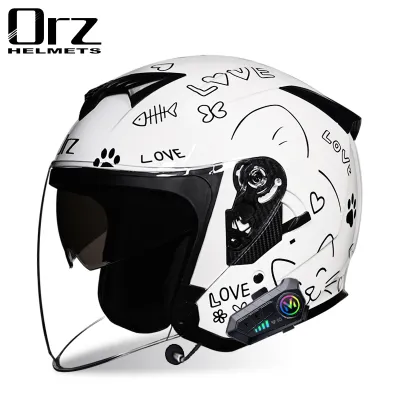
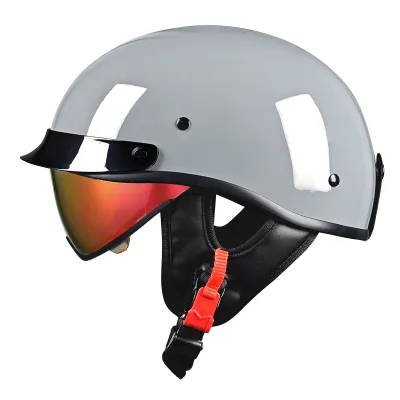
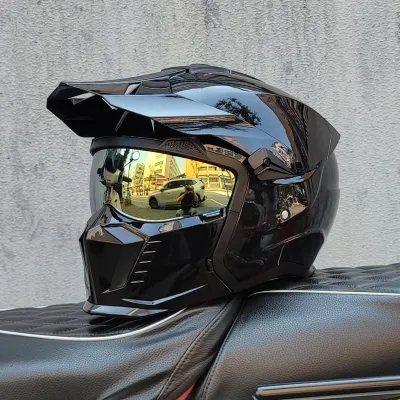
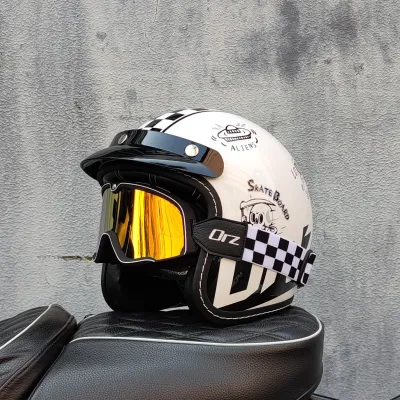
Prices are valid at publication and may change. Please refer to the product page for the latest price.
Vintage-style helmets generally fall into three design categories. Retro full-face helmets offer a clean, continuous chin bar and are often paired with bubble visors. Open-face or “jet” helmets cover the top, sides, and back of the head, leaving the face open for maximum airflow. Cafe racer styles often feature aggressive chin bars, metal mesh vents, and goggle-ready configurations.
Regardless of the style you prefer, safety must remain your primary filter. In the Philippines, all motorcycle helmets used on public roads must comply with Republic Act No. 10054, also known as the Motorcycle Helmet Act. Before purchasing, verify that the helmet carries a legitimate Import Commodity Clearance (ICC) sticker or a Philippine Standard (PS) mark issued by the Bureau of Product Standards.
Additionally, look for recognized international certifications on the shell or liner. The Economic Commission for Europe (ECE 22.05 or the stricter ECE 22.06) and the United States Department of Transportation (DOT) standards are globally respected benchmarks. Never rely on aesthetics alone; a certified helmet is a non-negotiable baseline for road safety.
Under ₱2,000: What to Expect from Entry-Level Retro Helmets
At the entry-level tier under ₱2,000, buyers must manage their expectations carefully. Helmets in this price range are almost exclusively constructed with Acrylonitrile Butadiene Styrene (ABS) or basic thermoplastic shells. While these materials can pass safety standards, they tend to be heavier and bulkier than high-end composites because more material is required to achieve adequate impact resistance.

Features at this price point are highly simplified. You will typically find fixed or basic snap-on visors, non-removable inner comfort liners, and minimal ventilation ports. The lack of active ventilation can be challenging in the hot, humid Philippine climate, leading to rapid heat buildup and sweat accumulation during heavy traffic.
An important risk in this budget tier is the abundance of uncertified “novelty” or “costume” helmets sold on online marketplaces. These products often feature thin plastic shells and soft packaging foam instead of high-density Expanded Polystyrene (EPS) liners. They offer virtually zero protection in a crash. Always inspect the interior of the helmet to ensure there is a thick, firm EPS layer beneath the fabric.
Choosing an ultra-budget retro helmet involves clear trade-offs. You will likely experience higher levels of wind noise at speeds above 60 km/h, heavier overall weight that can lead to neck fatigue on longer rides, and basic interior fabrics that may feel scratchy against the skin. However, if you verify the presence of a genuine ICC sticker, a sub-₱2,000 helmet can serve as a legally compliant, basic option for short city trips.
Mid-Range (₱2,000 to ₱8,000): Balancing Classic Style and Modern Comfort
Moving into the ₱2,000 to ₱8,000 price range opens up the most popular segment for Filipino daily commuters and weekend enthusiasts. In this bracket, manufacturers begin utilizing advanced materials such as fiberglass composites or highly refined polycarbonate blends. These materials distribute impact forces more efficiently, allowing for a lighter shell that significantly reduces neck strain.
Comfort and convenience upgrades are highly noticeable in this tier. Most mid-range classic helmets feature fully removable, washable, and moisture-wicking inner liners. This is a critical advantage for tropical riding, as it allows you to easily wash away sweat, oil, and road grime, preventing bacterial growth and unpleasant odors.
Many mid-range models also incorporate integrated drop-down sun visors, which are incredibly helpful when riding directly into the harsh Philippine sun. They also feature improved aerodynamics, reducing wind buffeting, and specialized ventilation channels molded directly into the EPS liner to keep air flowing without disrupting the clean, vintage exterior lines.
From an aesthetic standpoint, mid-range helmets offer a much higher level of refinement. You will find details like authentic chrome or rubber trim, synthetic leather accents, high-quality matte or gloss paint finishes, and robust metal visor mechanisms. This tier successfully bridges the gap between classic heritage styling and modern daily usability.
Premium (Above ₱8,000): High-End Heritage Helmets and Advanced Features
For riders willing to invest over ₱8,000, the premium tier offers the pinnacle of safety, materials, and craftsmanship. Helmets in this category are constructed from elite materials like pure carbon fiber, Kevlar, or proprietary multi-composite weaves. These materials deliver exceptional structural strength while keeping the helmet remarkably lightweight, making them comfortable for all-day touring.
Premium helmets often introduce advanced safety technologies designed to mitigate rotational forces during an impact, such as specialized multi-density EPS liners or integrated slip-plane systems. These features provide a level of brain protection that goes far beyond standard certification requirements.
The interior of a premium heritage helmet is a luxury experience. Manufacturers use genuine leather trim, Alcantara, or ultra-soft hypoallergenic suede for the liners. These materials feel exceptionally comfortable against the skin, breathe well in warm weather, and are highly durable when properly maintained.
Acoustic engineering is another major benefit of the premium tier. These helmets are designed with tighter neck rolls and superior shield seals to block out high-frequency wind noise, allowing for a quieter ride at highway speeds. When you buy at this level, you are paying for meticulous historical accuracy, hand-finished paint designs, durable metal hardware, and top-tier global safety ratings.
How to Verify Fit, Certifications, and Authenticity Before Checkout
No matter how much you spend, a helmet cannot protect you properly if it does not fit your head correctly. To determine your size, wrap a flexible measuring tape around the widest part of your head, approximately 2.5 centimeters above your eyebrows. Compare this measurement to the manufacturer’s specific sizing chart, keeping in mind that head shapes vary between round oval and intermediate oval profiles.
When your helmet is delivered, perform a thorough physical inspection before taking it out on the road:
- Check the EPS Liner: Press firmly on the black or white foam liner inside the helmet. It should feel dense and solid, not soft or spongy like cheap packaging foam.
- Inspect the Hardware: Verify that the chin strap rivets are securely anchored to the shell. Ensure the fastening mechanism—whether a classic double D-ring or a micrometric quick-release buckle—operates smoothly and locks securely.
- Examine the Visor: The visor mechanism should detent smoothly and seal tightly against the eyeport gasket to prevent rain and wind from leaking inside.
To avoid counterfeit products and fake safety stickers, buy exclusively from authorized physical distributors or official brand stores on reputable e-commerce platforms. Genuine ICC stickers in the Philippines feature unique serial numbers and holographic security elements that are difficult to replicate. Purchasing from authorized channels also ensures you receive a valid manufacturer warranty and access to replacement parts like visors and cheek pads.
Frequently Asked Questions (FAQ)
Are open-face vintage helmets safe enough for daily city riding?
Open-face (three-quarter) vintage helmets provide certified skull protection, but they leave your face, jaw, and chin completely exposed to debris, weather, and road impacts. Accident statistics show that a significant portion of motorcycle helmet impacts occur in the chin area. While an open-face helmet offers excellent airflow and a classic look for low-speed city riding, it carries a much higher risk of facial injury. For maximum safety on both congested city streets and open highways, a retro-styled full-face helmet is highly recommended.
How should I care for a retro helmet with a leather or suede interior?
Retro helmets featuring genuine leather, Alcantara, or suede trims require careful maintenance to prevent the materials from cracking, shrinking, or fading. Always check the helmet manufacturer’s specific care label before cleaning. Never submerge these delicate liners in water or use harsh dish soaps. Instead, wipe down the leather sections with a damp microfiber cloth and a dedicated leather cleaner. For suede or Alcantara, use a specialized fabric cleaner or a highly diluted, pH-balanced baby shampoo. Always allow the helmet to air-dry completely in a well-ventilated indoor space, away from direct sunlight and artificial heat sources.

Community discussion
Share your experience or ask a question. Comments are reviewed before publication.