
Selecting the ideal waterproof motorcycle cover in the Philippines requires balancing your parking environment with your bike’s exact dimensions. A cover that works perfectly inside a dry, multi-level condominium basement in Makati will quickly fail if left exposed to a sudden afternoon downpour in an open driveway. To keep your motorcycle dry, rust-free, and secure, you must match the fabric’s denier rating and coating to your typical parking spot while ensuring a snug fit that accounts for mirrors, top boxes, and windscreens.
The primary keyword “motor cover waterproof” represents more than just a shield against rain; it is a critical line of defense against intense tropical UV rays, high humidity, and abrasive road dust. Choosing the wrong type can lead to trapped moisture, accelerated corrosion, or a scratched clear coat. By evaluating your specific parking setup and measuring your motorcycle accurately, you can select a cover that provides lasting protection without risking damage to your paint or components.
Match Your Cover to Your Parking Environment
Your parking spot is the single most important factor in determining the type of material, weight, and specialized features your motorcycle cover requires. In the Philippines, weather conditions can shift rapidly from scorching sunlight to intense tropical depressions, making environmental assessment essential.
Products mentioned in this guide
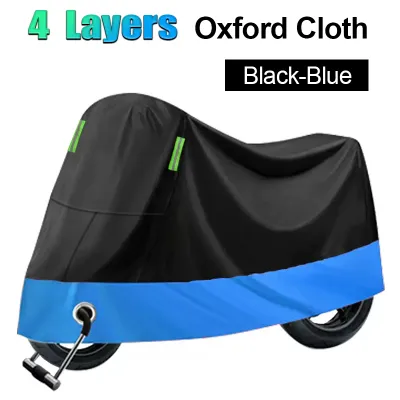
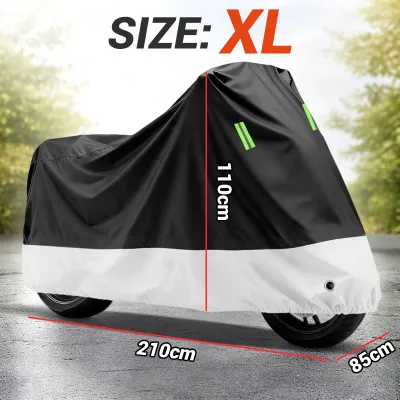
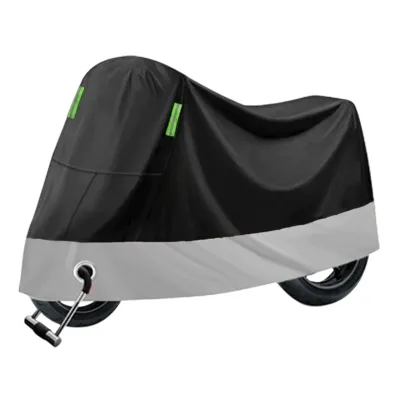
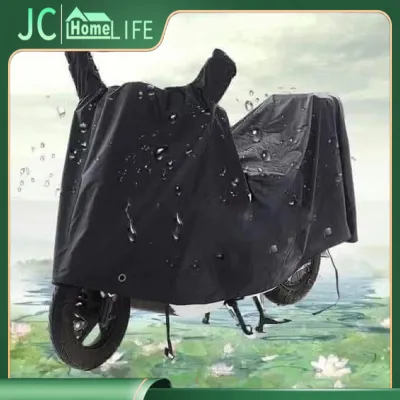
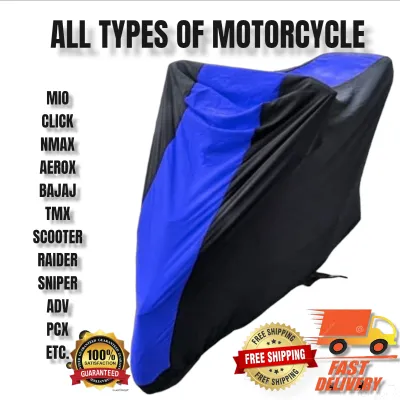
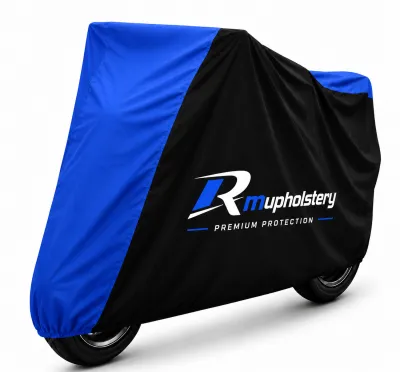
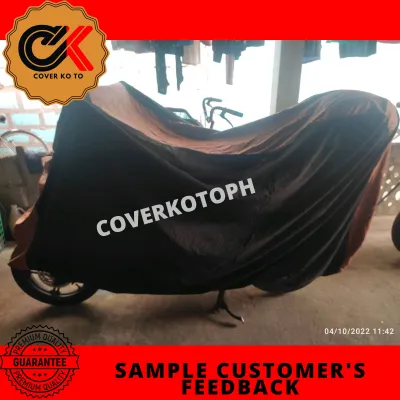
Prices are valid at publication and may change. Please refer to the product page for the latest price.
Outdoor and Exposed Parking
If you park your motorcycle on the street, in an open driveway, or in an uncovered backyard, your cover must withstand extreme weather elements. This scenario demands heavy-duty fabrics with a high denier rating—such as 300D to 600D Oxford polyester—paired with thick polyurethane (PU) or polyvinyl chloride (PVC) inner coatings. These materials act as a physical barrier against torrential monsoon rains, preventing water from pooling on your seat and seeping into electrical clusters.
Equally important for outdoor parking is robust UV protection. The intense Philippine sun can rapidly degrade untreated fabrics, causing them to become brittle, fade, and tear along the seams within a few months. Look for covers treated with UV-resistant coatings or silver reflective layers that bounce solar radiation away from your bike, keeping the temperature underneath cooler and protecting plastic fairings from warping or discoloring.
Indoor and Covered Parking
Parking in a fully enclosed garage, basement, or secure indoor facility presents a different set of challenges. Here, water resistance is secondary to dust protection, breathability, and paint preservation. A heavy, stiff outdoor cover is unnecessary and can be cumbersome to handle daily in a tight parking slot.
Instead, indoor parking calls for lightweight, highly breathable fabrics such as soft polyester or non-woven materials. These covers prevent fine dust, pollen, and concrete drippings from settling on your bike’s polished surfaces. They should feature a soft inner lining, such as brushed cotton or fleece, which acts as a barrier against micro-scratches when the cover is pulled on and off.
Semi-Covered or Carport Parking
Carports, open-sided garages, and covered alleyways occupy a middle ground that requires a careful balance of protective features. While these spaces protect your motorcycle from direct vertical rainfall, they remain highly vulnerable to wind-blown rain, swirling dust, and ambient humidity.
For these semi-exposed environments, a mid-weight cover with active ventilation is crucial. The high relative humidity in tropical regions can easily trap moisture under a completely sealed cover, creating a greenhouse effect that accelerates rust on your chain, brake discs, and exposed bolts. A suitable carport cover must feature strategically placed mesh ventilation panels that allow air to circulate freely while keeping sideways rain out.
Size Your Cover Correctly for Scooters, Underbones, and Big Bikes
A waterproof motorcycle cover can only perform its job if it fits your specific machine correctly. An improperly sized cover not only compromises weather protection but can also damage your motorcycle’s exterior or even cause the bike to tip over in high winds.

Measuring Your Motorcycle
Before browsing online marketplaces or visiting a local motorcycle accessory shop, you must take precise measurements of your motorcycle. Do not rely solely on generic size charts (such as M, L, XL, or XXL) without comparing them to your bike’s actual physical dimensions. Use a flexible measuring tape to record three critical metrics: overall length from the front tire edge to the rear fender, maximum width across the handlebars or mirrors, and height from the ground to the top of the mirrors or windscreen.
Always measure your motorcycle with all daily accessories installed. If you use a tall aftermarket windscreen, wide side panniers, or a rear top box, these additions will significantly alter the required dimensions. A cover designed for a stock motorcycle will not fit over a bike equipped with a 45-liter utility box, leaving the lower half of your wheels and engine completely exposed to the elements.
Scooters and Underbones
Scooters and underbones, which dominate Philippine roads, have unique structural profiles that require specific cover shapes. These step-through designs often have a lower center section but may feature prominent front fairings and mirrors.
When selecting a cover for a scooter like a Yamaha NMAX or a Honda Click, look for options that offer contoured cuts. If your underbone or scooter is equipped with a rear top box or a delivery rack, look specifically for covers labeled with “box extension” designs. These covers feature an expanded rear pocket that accommodates the extra height and length of the box without pulling the front of the cover upward.
Big Bikes, Cruisers, and Adventure Bikes
Large-displacement motorcycles, adventure bikes, and cruisers present a massive physical profile that requires heavy-duty, oversized covers. These machines often feature wide handlebars, crash bars, tall touring windscreens, and side saddlebags that demand a highly generous cut.
For these larger bikes, select heavy-duty covers with reinforced, double-stitched seams that can handle the tension of being stretched over wide points. Ensure the cover has deep wheel pockets that drape all the way to the ground, protecting expensive suspension components, brake calipers, and exhaust systems from moisture exposure.
The Risks of a Poor Fit
Choosing a cover that is too loose or too tight carries distinct risks that can lead to costly repairs. A loose, oversized cover acts like a sail during strong winds or typhoons; it will flap violently, rubbing abrasive dust against your paintwork and potentially pulling the motorcycle over on its side. Furthermore, loose fabric tends to sag, creating pockets where rainwater can pool, eventually soaking through the material.
Conversely, a cover that is too tight will stretch the fabric to its absolute limit, placing immense stress on the seams and elastic bands. This tension can tear the stitching, compromise the waterproof coating along the seams, and make the daily process of covering and uncovering your bike an exhausting chore. A tight fit can also bend or damage delicate plastic parts, such as turn signals and mirrors.
Essential Features for True Waterproofing and Security
When shopping for a “motor cover waterproof” option, look beyond the basic fabric description. True weather protection and security rely on specific design details and hardware that keep the cover functional, intact, and anchored to your bike.
Seam Construction
The seams are the most vulnerable points on any motorcycle cover. Standard needle stitching creates thousands of tiny punctures through the waterproof fabric, allowing water to slowly drip onto your bike during prolonged downpours.
To ensure absolute waterproofing, choose a cover that features heat-sealed or taped seams on the interior. This manufacturing process applies a waterproof thermoplastic tape over the stitched seams, effectively sealing the needle holes and preventing any water ingress. Double-stitched seams reinforced with waterproof binding tape offer the highest level of durability against heavy tropical rains.
Security and Wind Resistance
A waterproof cover is useless if a sudden gust of wind blows it off your motorcycle. To prevent this, high-quality covers incorporate multiple anchoring systems that secure the fabric firmly to the bike’s frame and wheels.
Look for covers with strong elastic hems at both the front and rear, which wrap snugly around the bottom of your tires. Additionally, adjustable belly straps that buckle underneath the center of the motorcycle are essential for keeping the cover anchored during severe weather. Some premium covers also feature adjustable drawcords at the hem, allowing you to fine-tune the tightness around the base of your bike.
Anti-Theft and Safety Additions
Parking on the street or in shared residential areas requires extra security measures to protect both your motorcycle and the cover itself from theft. Many modern covers feature reinforced lock holes, often made of rust-proof aluminum or heavy-duty fabric grommets, near the front wheel. These holes allow you to pass a U-lock, chain lock, or disc lock through both the cover and the wheel, securing them together.
For safety, especially if you park near active driveways or dark roadsides, choose a cover equipped with high-visibility reflective strips. These strips reflect the headlights of passing vehicles, preventing accidental collisions in low-light conditions.
Ventilation Systems
A completely airtight cover can trap moisture rising from the ground or evaporating from a warm engine, creating a highly humid microclimate. This trapped condensation can lead to corrosion on metal parts, mold growth on leather seats, and damage to sensitive electronic displays.
Effective waterproof covers feature built-in air vents, typically shielded by downward-pointing fabric flaps to prevent rain from entering. These vents allow hot air and moisture to escape, maintaining a balanced internal humidity level and preventing the “greenhouse effect” from damaging your motorcycle’s components.
Recommended Cover Types Based on Your Riding and Parking Habits
To simplify your decision, motorcycle covers can be categorized into three primary classes based on their material weight, portability, and level of protection. Matching these classes to your daily riding habits and primary parking location will ensure you get the right balance of durability and convenience.
Heavy-Duty Outdoor Covers for Exposed Parking
For riders who must park their motorcycles outdoors in fully exposed areas, a heavy-duty outdoor cover is the only viable option. These covers are typically constructed from high-denier fabrics, ranging from 300D to 600D Oxford polyester, and are treated with thick polyurethane coatings and robust UV blockers. They are built to withstand the harshest tropical storms, intense midday heat, and falling debris.
- Best Suited For: Daily commuters, street-parked big bikes, and motorcycles left unattended for extended periods in open driveways.
- Key Trade-offs: These covers are heavy, bulky to fold, and require significant storage space when not in use. They also take longer to dry completely after a heavy downpour, making them less convenient for quick, frequent trips.
Lightweight Breathable Covers for Indoor or Covered Parking
If your motorcycle is parked in a secure, covered location such as a condominium basement, residential garage, or enclosed warehouse, a lightweight breathable cover is the ideal choice. These covers focus on dust prevention, breathability, and protecting the bike’s finish from accidental scratches.
- Best Suited For: Scooters and weekend leisure bikes kept in protected indoor environments where rain is not a factor.
- Key Trade-offs: These covers offer zero protection against heavy rain or standing water. They should never be used for exposed outdoor parking, as they will quickly saturate and trap moisture directly against the motorcycle's metal surfaces.
All-Weather Versatile Covers for Mixed Use
For riders who alternate between covered home parking and exposed street parking at work, an all-weather versatile cover offers a practical middle ground. Typically made from mid-weight polyester (such as 190D to 210D), these covers offer moderate water resistance and UV protection while remaining highly portable.
- Best Suited For: Daily commuters riding underbones or standard commuter bikes who need a cover that is easy to pack, carry, and deploy throughout the day.
- Key Trade-offs: While highly convenient and quick-drying, the thinner fabric and lighter coatings will degrade faster under constant, direct tropical UV exposure. They generally require more frequent replacement than heavy-duty outdoor options.
Maintain Your Cover to Preserve Waterproofing and Fabric Life
A high-quality waterproof motorcycle cover is an investment that requires regular maintenance to preserve its protective qualities. Neglecting care can damage the waterproof coatings and shorten the cover’s lifespan.
Cleaning Methods
To clean your cover, always refer to the manufacturer’s care instructions first. If instructions are unavailable, hand wash the cover using a soft sponge, lukewarm water, and a mild, pH-neutral soap. Gently wipe away dirt, bird droppings, and tree sap from the exterior surface.
Never wash a waterproof cover in a washing machine or use harsh laundry detergents, bleach, or chemical solvents. The mechanical agitation of a washing machine and the harsh chemicals in standard detergents will strip away the delicate polyurethane (PU) or silicone waterproof coatings, rendering the cover useless against rain.
Drying Protocols
After cleaning, or after a heavy downpour, always air-dry your cover completely before folding and storing it. Hang the cover in a shaded, well-ventilated area; avoid exposing it to direct, intense sunlight while drying, as this can unnecessarily stress the fabric.
Never fold or pack away a damp or wet cover. Storing a wet cover in its storage bag promotes the rapid growth of mold and mildew. This mold can produce foul odors, rot the fabric’s stitching, and transfer onto your motorcycle’s vinyl seat or rubber grips, causing permanent staining and material degradation.
Storage and Re-waterproofing
When the cover is not in use, fold it neatly and store it inside its dedicated carrying bag. Keep the stored cover in a cool, dry place away from sharp tools or hot engine components that could puncture or melt the fabric.
Over time, even the best waterproof coatings will begin to wear down due to friction and environmental exposure. Periodically check the water-beading effect by splashing water onto the cover’s surface. If the water stops beading and begins to soak into the fabric, you can restore its water resistance by applying a high-quality aftermarket fabric waterproofing spray, following the spray manufacturer’s application instructions carefully.
Frequently Asked Questions (FAQ)
Can I put a cover on a wet motorcycle?
No, you should never place a waterproof cover over a wet motorcycle. Trapping water underneath a non-breathable or semi-breathable cover creates a highly humid microclimate that accelerates rust on exposed metal parts, corrodes electrical connections, and promotes mold growth on the seat. Always allow your motorcycle to cool down and dry completely before applying the cover.
Will a waterproof cover scratch my bike's paint?
A clean, high-quality cover with a soft inner lining will not scratch your motorcycle’s paint. However, if either your bike’s fairings or the inside of the cover has accumulated dust, dirt, or road grit, the wind will rub these abrasive particles against the clear coat, causing micro-scratches. Always wipe down your motorcycle’s surfaces and ensure the inside of the cover is clean before fitting it.
Community discussion
Share your experience or ask a question. Comments are reviewed before publication.