
For daily motorcycle commuters navigating the intense downpours of the Philippine wet season, keeping your feet dry is critical for both comfort and safety. The most effective motorcycle shoe cover waterproof option for heavy rain is a mid-calf to knee-high zippered fabric cover made from heavy-duty nylon or polyester with a polyurethane (PU) coating, reinforced gear-shifter patches, and a textured rubber sole. While casual walkers can use thin, disposable plastic wraps, riders face unique aerodynamic forces, mechanical friction, and road hazards that demand specialized protective gear. Investing in the right design ensures you arrive at your destination with dry feet and complete control over your motorcycle.
Why Daily Motorcycle Commuting in Heavy Rain Requires Specialized Gear
Motorcycle commuting during a tropical downpour presents an entirely different set of challenges than walking in the rain. When riding at speeds of 40 to 60 km/h, rain is driven against your gear with significant aerodynamic force, pushing water through the smallest openings in standard footwear.
Furthermore, the ergonomics of riding naturally direct water toward your feet. Rainwater hits your chest and legs, flowing downward. Without a proper physical barrier, this runoff pools around your ankles and funnels directly into your shoes. This constant stream, combined with road spray kicked up by your front tire and surrounding traffic, subjects your feet to continuous saturation.
Products mentioned in this guide
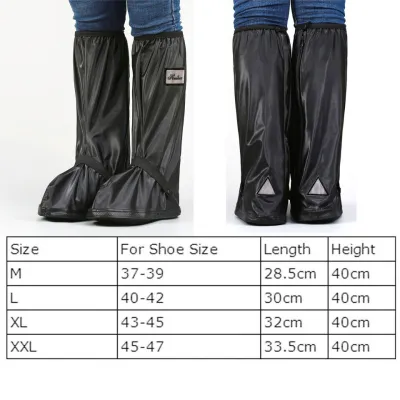
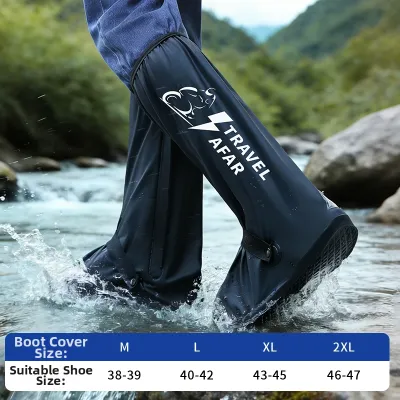
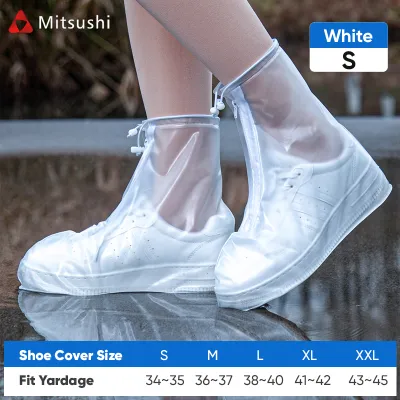
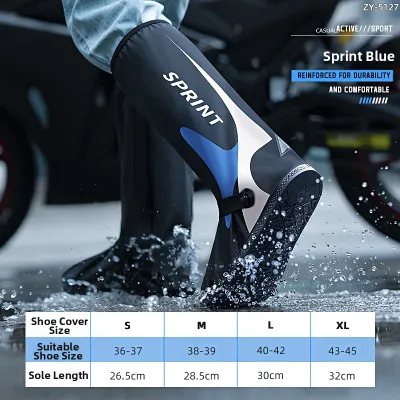
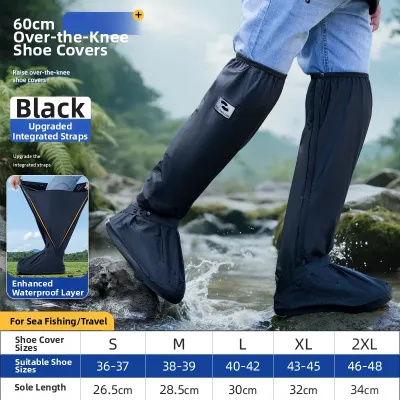
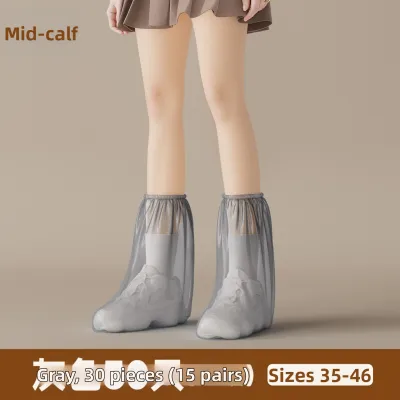
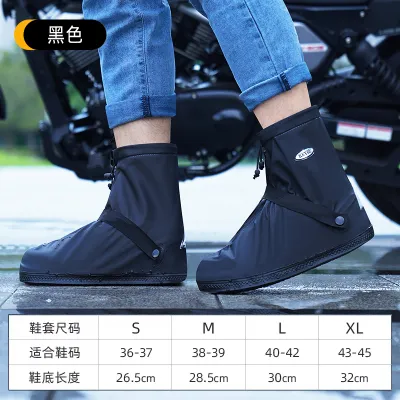
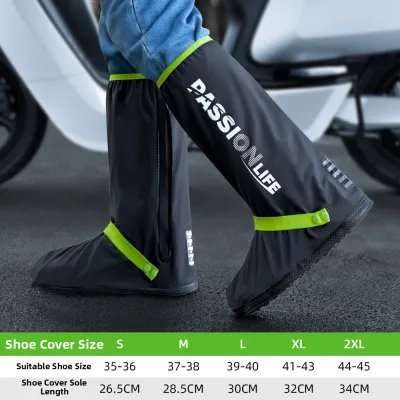
Prices are valid at publication and may change. Please refer to the product page for the latest price.
Beyond wet socks, riding with soaked feet poses real safety hazards. Wet metal footpegs become incredibly slick, making it easy for your feet to slip off when shifting gears or applying the rear brake. When stopping at flooded intersections, your feet must plant firmly on asphalt covered in a treacherous mix of rainwater, engine oil, and road grime. Standard walking shoe covers lack the structural integrity and grip required to handle these demanding conditions, making specialized motorcycle shoe covers an absolute necessity.
Essential Features for a Motorcycle Shoe Cover Waterproof Design
To survive the daily grind of a wet-season commute, a waterproof shoe cover must be engineered specifically for the physical demands of riding. Choosing a product based solely on price often leads to sudden failures on the road. Understanding these key design elements will help you select a cover that remains completely dry and safe over hundreds of kilometers of wet riding.

Material Thickness and Waterproof Seams
The durability of a motorcycle shoe cover depends heavily on its base material. Look for covers constructed from heavy-denier fabrics, such as 1000D nylon or thick polyvinyl chloride (PVC), which withstand the high-velocity impact of rain. The left foot cover must feature a reinforced patch over the toe box to resist the constant friction caused by upshifting against the gear lever.
Even thick materials fail if the seams are poorly constructed. Standard stitched seams contain tiny needle holes that act as pathways for water under wind pressure. High-quality covers feature fully taped or heat-sealed seams on the interior. This process applies a waterproof tape over the joints, creating an unbroken barrier that prevents water from seeping through during prolonged downpours.
Coverage Height and Leg Integration
The height of your shoe covers determines how effectively they integrate with your rain gear. Low-cut covers are virtually useless on a motorcycle, as water running down your shins will easily bypass the top opening. For daily commuting in heavy rain, select a design that extends at least to the mid-calf, though knee-high options provide the absolute best protection against deep puddles.
For maximum waterproofing, your shoe covers must work in tandem with your rain pants. Always wear your rain pants over the outside of the shoe covers. This creates a shingle effect, allowing water running down your legs to slide harmlessly over the exterior of the cover rather than draining inside. To facilitate this, quality covers feature elasticized top collars or adjustable straps that secure tightly around your calves.
Anti-Slip Soles and Footpeg Grip
The sole of a motorcycle shoe cover is its most critical safety feature. Cheap, flat-soled covers offer zero traction on wet metal footpegs, which can lead to your foot slipping off at crucial moments. Look for covers equipped with thick, vulcanized rubber or heavily textured PVC outsoles. The tread pattern should feature deep grooves designed to channel water away from contact points, ensuring a secure grip on both your bike’s footpegs and the road.
Additionally, a sturdy sole provides essential structural support when putting your feet down at stoplights. Wet asphalt, painted pedestrian crossings, and concrete road surfaces become incredibly slick during sudden tropical storms. A reinforced, non-slip sole ensures your feet plant firmly on the ground without sliding, preventing accidental tips or drops of your motorcycle while maintaining precise control over your gear shifter and rear brake pedal.
Comparing the Main Types of Waterproof Shoe Covers
Motorcycle shoe covers generally fall into three distinct categories based on materials and design. Each offers a different balance of waterproofing, durability, ease of use, and portability. Generally, reliable options in the Philippines range from entry-level silicone backups at around ₱100 to heavy-duty zippered fabric or PVC covers priced between ₱300 and ₱1,200. Understanding these differences allows you to choose the style that best fits your daily commuting routine and storage capacity.
Heavy-Duty PVC and Rubber Overshoes
Heavy-duty PVC and rubber overshoes are the most robust options available for extreme wet-weather riding. Constructed from thick, molded waterproof materials, these overshoes are completely impervious to water, making them highly effective for navigating deeply flooded streets. Their thick, rugged rubber soles offer exceptional traction on wet metal footpegs and slippery road surfaces, while their stiff construction protects your underlying shoes from mechanical wear.
However, these heavy-duty options come with practical trade-offs. Because they are made from thick, rigid materials, they are bulky and heavy, taking up a significant amount of space in a motorcycle top box or backpack. They can also be challenging to pull on and off over wide-soled sneakers or formal leather shoes. If your commute involves heavy, sustained rainfall and you have ample storage space, the unmatched protection of PVC or rubber overshoes is well worth the extra bulk.
Zippered Nylon or Polyester Boot Covers
Zippered nylon or polyester boot covers represent the ideal balance of high-level water protection, comfort, and everyday convenience. These covers utilize a lightweight yet durable fabric outer shell treated with a waterproof polyurethane (PU) inner coating. They feature a full-length zipper on the side or back, protected by a wide, overlapping storm flap secured with hook-and-loop fasteners to prevent water from penetrating the zipper teeth.
This design is highly favored by office commuters because it is incredibly easy to slip on and off over any style of footwear. The flexible fabric construction allows these covers to fold down into a highly compact size, making them easy to pack into a small under-seat compartment. While they may require occasional re-proofing with a fabric water-repellent spray over years of heavy use, their combination of reliable waterproofing, ease of use, and portability makes them the most practical choice for daily riders.
Silicone Slip-On Covers
Silicone slip-on covers are highly elastic, seamless waterproof sleeves that stretch directly over your shoes. Their primary advantage is extreme portability; they can be folded flat and carried easily in a jacket pocket. Because they are completely seamless, they offer decent water protection against light rain and shallow puddles, making them a popular budget-friendly option for casual riders caught in unexpected drizzles.
Despite their convenience, silicone covers have severe limitations that make them unsuitable as a primary solution for heavy daily commuting. The thin silicone material is highly susceptible to tearing when stretched over bulky shoes or when subjected to the sharp edges of motorcycle footpegs and gear shifters. Furthermore, their thin, minimally textured soles provide very poor traction on wet, oil-slicked asphalt. For a serious daily commuter facing heavy seasonal rains, silicone covers should only be viewed as an emergency backup.
Practical Tips for Wearing and Securing Shoe Covers on a Motorcycle
Even the highest-quality waterproof shoe covers will fail if they are not worn and secured correctly. Before riding into a heavy downpour, always take a moment to ensure your gear is properly configured. This simple pre-ride check prevents water from entering your boots and eliminates safety hazards.
First, follow the correct layering sequence: put on your shoes, slip on the covers, and pull your rain pants down over the top of the covers. If you tuck your rain pants inside the shoe covers, gravity will guide all the water running down your legs directly into your shoes, defeating the purpose of the gear. Ensure the cuffs of your rain pants form a snug, overlapping seal around the calves.
Second, secure any loose straps, drawcords, or zipper pulls before mounting. Loose, flapping materials can easily become entangled in your motorcycle’s drive chain, sprocket, or footpegs, leading to sudden mechanical failure. Use the built-in hook-and-loop straps to pull excess fabric tight against your ankles, ensuring a clean profile that won’t catch on moving parts.
Finally, check your foot controls before pulling away. Confirm that the cover fits snugly around the toe and heel without bunching up. Loose material around the toe box can reduce tactile feedback, making it difficult to feel the gear shifter or apply the rear brake with precision. Ensure the cover does not interfere with the motorcycle’s original controls, and always verify that your footwear fits securely within the cover’s dimensions to maintain safe operation of the rear brake and gear shifter.
Caring for Your Shoe Covers to Ensure Longevity
Proper maintenance is essential to preserve the waterproof integrity of your shoe covers and prevent the buildup of mold and mildew in warm, humid climates. After riding through heavy rain, your covers will be coated in road grime, oil residue, and acidic rainwater. Never simply toss wet shoe covers into a dark storage box or plastic bag and leave them there until the next storm.
Start by rinsing the exterior of your covers with clean water to remove mud and grit, which can degrade fabric coatings and corrode zippers over time. If they are heavily soiled, gently wipe them down with a soft cloth or sponge; avoid using harsh chemical detergents or abrasive brushes that can strip away the waterproof lining. Gently wipe down the interior as well to remove any sweat or moisture that accumulated during your ride.
Once clean, hang your shoe covers to dry completely in a well-ventilated, shaded area. Always dry them inside out first, then flip them right-side out to ensure both surfaces are thoroughly dry. Avoid exposing them to direct sunlight, as intense ultraviolet (UV) rays can dry out, crack, and permanently damage PVC, rubber, and synthetic coatings. Once fully dry, store them in a breathable bag rather than sealing them in airtight plastic while still damp.
Frequently Asked Questions (FAQ)
Can I use regular plastic shoe covers for motorcycle riding?
No, regular disposable plastic shoe covers designed for indoor walking are dangerous and ineffective for motorcycle riding. These thin covers lack structural durability and will tear almost instantly when they contact your footpegs, gear shifter, or the road surface. Furthermore, they feature flat, slick bottoms that offer zero traction on wet metal pegs or asphalt, posing a severe slipping hazard when you stop or shift gears.
Should I buy shoe covers one size larger than my actual shoe size?
Yes, in most cases, it is highly recommended to select a shoe cover that is one size larger than your standard shoe size. Because these covers must fit over your existing footwear, they need extra internal volume to accommodate bulky sneakers, thick-soled work shoes, or riding boots. Always consult the manufacturer’s specific sizing chart, and measure the outer sole length of the shoes you plan to wear most often to ensure a comfortable fit that does not overstretch the waterproof seams.
Community discussion
Share your experience or ask a question. Comments are reviewed before publication.