
Why Your Honda ADV 160 Needs a Dedicated Windshield Cover
To protect your Honda ADV 160’s adjustable windscreen from harsh environmental wear, choosing a dedicated adv 160 windshield cover is one of the most practical investments you can make. While this adventure-style scooter is built for rugged daily commutes, its optical components require specialized care to maintain long-term visibility and structural integrity.
In the Philippines, motorcycles face extreme weather conditions year-round. The intense tropical sun emits high levels of ultraviolet (UV) radiation, which can rapidly degrade the polymer materials used in both stock and aftermarket windscreens. Over time, prolonged exposure to these UV rays causes acrylic or polycarbonate screens to yellow, turn brittle, and develop micro-cracks that compromise their structural strength.
Urban dust, industrial soot, and airborne debris common in metropolitan areas like Metro Manila or Cebu pose another constant threat. When these abrasive particles settle on an uncovered windscreen, any slight friction—such as wiping it dry with a rough cloth or even the wind shifting a loose cover—can cause micro-scratches. These tiny abrasions might seem minor during the day, but they scatter light at night, creating dangerous glare from oncoming headlights and streetlamps.
Products mentioned in this guide
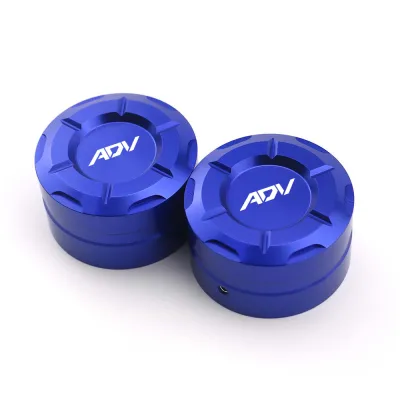
![[Hot selling ] For Honda ADV160 ADV150 Windshield Adapter Cap 1 Pair](https://img.lazcdn.com/g/p/d73553b29a34c17b8b364e6e71a1fab6.jpg_400x400q80.jpg_.webp)
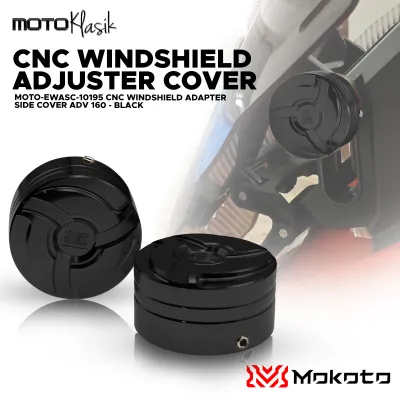
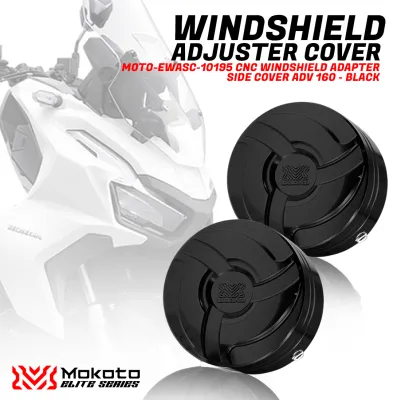
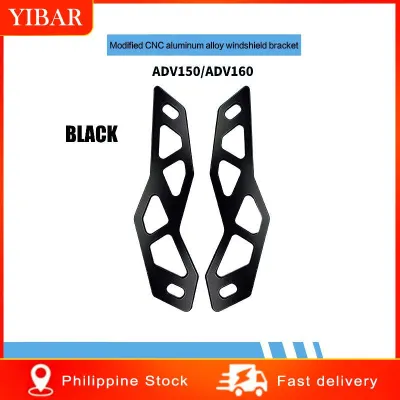
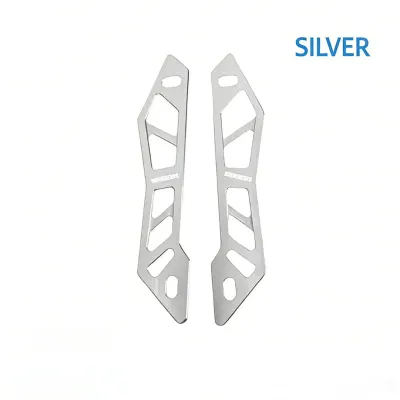
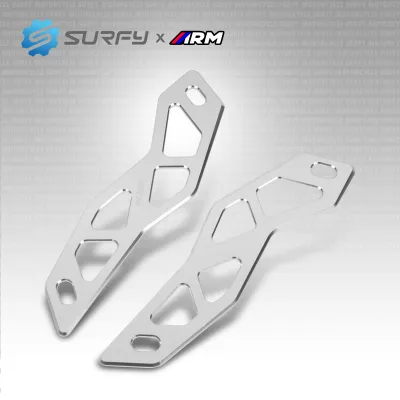
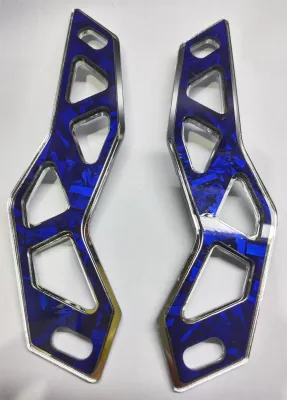
Prices are valid at publication and may change. Please refer to the product page for the latest price.
Furthermore, the Honda ADV 160 features a signature two-stage adjustable windscreen mechanism. While highly convenient for switching between city commuting and highway cruising, this mechanical assembly contains metal brackets, springs, and guide rails that are vulnerable to moisture buildup. Heavy monsoon rains and persistent tropical humidity can trap water within these tight spaces, leading to premature corrosion, binding, or mechanical failure of the adjustment system if left exposed and unprotected.
Key Features to Evaluate Before Buying
Selecting the right protective accessory requires looking beyond simple aesthetics. To ensure your investment provides genuine protection, you must evaluate several critical design elements against the specific challenges of your riding environment.

Material Composition and UV Barriers
The primary line of defense is the fabric itself. Look for covers constructed from heavy-duty polyester (such as 300D or 600D denier) or specialized canvas treated with UV-resistant coatings. High-quality options often feature a reflective outer layer—typically silver or light grey—designed to bounce solar radiation away from the scooter. This reflective property is crucial because it keeps the temperature underneath the cover lower, preventing the windscreen from warping or softening under extreme heat. The inner surface of the cover should feature a soft, non-abrasive lining, such as brushed cotton or fleece, to prevent surface scratches during installation and removal.
Fitment and Dimensional Compatibility
A critical decision point is choosing between a custom-molded cover designed specifically for the ADV 160 and a generic, universal stretch option. The ADV 160 has a distinct front profile with wide-set handlebars, side mirrors, and an angular nose fairing. A proper cover must accommodate these specific dimensions without putting excessive tension on the mirror mounts or leaving the lower portion of the windscreen exposed. Before purchasing, verify whether the cover is designed for the stock windscreen height or if it can stretch to accommodate taller aftermarket touring screens.
Breathability and Ventilation
Given the high humidity levels in the Philippines, a completely airtight cover can do more harm than good. When warm, moist air rises from the ground or the engine bay, it can become trapped under an unventilated cover, creating a greenhouse effect. This trapped condensation leads to water spots, mineral deposits, and mold growth on the windscreen and surrounding plastic fairings. Look for covers that incorporate built-in ventilation flaps or use breathable, vapor-permeable fabrics that allow moisture to escape while keeping liquid rain out.
Security and Attachment Mechanisms
Wind and typhoons are common occurrences that can easily dislodge a loose cover. Evaluate how the cover secures to the scooter. Elasticized bottom hems provide a snug, self-adjusting fit around the base of the windscreen and fairing. Additionally, adjustable drawstrings or soft nylon strap systems are highly desirable. These straps must feature plastic quick-release buckles rather than exposed metal hooks, which can easily scratch the scooter’s paint or crack the clear windscreen if they snap loose.
Best Types of Windshield Covers for the Honda ADV 160
Because specific brand availability, local stock, and retail listings on online marketplaces fluctuate constantly, focusing on standardized design categories is the most reliable way to make an informed decision. Choosing the right style depends heavily on your daily parking habits, storage space, and how often you adjust or remove your windscreen.
Custom-Fit Soft Fabric Covers
Custom-fit soft fabric covers are engineered specifically to match the unique geometric contours of the ADV 160’s front end. These covers typically drape over the entire front fairing, wrapping securely around the adjustable windscreen, side mirrors, and instrument cluster. They are often constructed from multi-layered fabrics, combining a weather-resistant outer shell with a plush, scratch-free inner lining. These premium options typically range from ₱800 to ₱2,000 on local ecommerce platforms depending on the material thickness.
- Pros: This design offers the highest level of physical protection against environmental hazards. Because they are tailored to the ADV 160's dimensions, they fit snugly, reducing the risk of the fabric flapping in high winds and causing frictional wear on the screen. They also frequently feature dedicated pockets or relief cuts for the side mirrors, ensuring the cover sits naturally without putting stress on the mirror stalks.
- Cons: Custom-fit covers tend to carry a higher price tag compared to universal alternatives. They are also bulkier, making them more challenging to pack into a compact under-seat storage compartment or a small top box when you are on the go. Additionally, the precise fit means they require a bit more patience to align and install correctly during daily use.
- Best For: This option is ideal for riders who park their ADV 160 outdoors for extended periods, such as in open residential parking lots or unsecured workplace bays, where maximum defense against sun, rain, and physical contact is necessary.
Universal Stretch Neoprene or Spandex Covers
If convenience and portability are your primary concerns, universal stretch covers made from high-elasticity materials like neoprene or heavy-duty spandex blends are an excellent alternative. These covers function like a protective sleeve, slipping directly over the top of the windscreen and stretching downward to cover the instrument panel and upper fairing. These budget-friendly alternatives are widely available online, often ranging from ₱250 to ₱600.
- Pros: The standout benefit of stretch covers is their ease of use. They can be slipped on or removed in a matter of seconds, making them highly practical for quick stops. The material is incredibly lightweight and compresses down to a very small size, easily fitting into a pocket, tank bag, or the ADV 160's front utility box. Neoprene blends also offer excellent water resistance against sudden tropical downpours.
- Cons: Because these covers rely on elasticity to fit a wide range of scooter models, they do not offer a tailored fit. A looser fit at the bottom can allow wind-blown dust, sand, or insects to crawl underneath, potentially trapping debris against the screen. Without secondary securing straps, high-velocity winds can cause the material to shift or even blow off entirely.
- Best For: These are best suited for daily commuters who park in semi-sheltered areas, such as covered office parking structures, and need a quick, lightweight shield against dust, minor scuffs, and temporary sun exposure during short stops.
Padded Storage Bags for Removed or Lowered Windscreens
The Honda ADV 160 is designed with adventure in mind, prompting some riders to modify their setups depending on the terrain. Some owners prefer to remove the windscreen entirely when tackling rough off-road trails to prevent it from striking their helmet during steep climbs, while others swap between tall touring screens and short sport screens depending on the season. For these scenarios, a dedicated padded storage bag or protective sleeve is the ideal solution.
- Pros: These storage bags are lined with thick foam padding or dense microfiber fleece, providing exceptional impact absorption. They shield the detached windscreen from being scratched by tools, spare parts, or lock chains when stored inside a top box, under-seat compartment, or on a garage shelf. They also prevent the screen from warping under the weight of other stored items.
- Cons: The obvious limitation is that these bags cannot be used while the windscreen is actively mounted on the motorcycle. They offer no protection for the scooter's front end while riding or when parked with the screen installed.
- Best For: This option is highly recommended for adventure riders, touring enthusiasts, and owners who frequently swap or remove their windscreens and need a safe way to transport or store the delicate component without risk of damage.
Installation and Care Tips for Your ADV 160 Windshield Cover
Operating a motorcycle in a tropical country like the Philippines requires a proactive maintenance routine. Simply throwing a cover over your windscreen is not enough; improper usage can actually accelerate wear or cause damage to the very parts you are trying to protect.
Pre-Cover Cleaning
Before slipping any cover over your ADV 160’s windscreen, always perform a quick visual inspection and wipe-down. Use a clean, damp microfiber cloth to gently remove any accumulated road dust, grit, or salt residue from the windscreen surface. If you skip this step, the cover will trap these abrasive particles against the screen. As the wind blows and causes the cover to shift or vibrate, these trapped particles act like sandpaper, leaving a cloudy haze of fine scratches across the optical surface.
Proper Alignment
When installing the cover, take a moment to ensure it is aligned correctly. Make sure that any heavy seams, elastic bands, plastic adjustment toggles, or zippers do not rest directly against the clear face of the windscreen or the painted body panels. Position these harder elements over more resilient areas, or ensure they are properly padded by the cover’s soft inner lining to prevent localized pressure marks and scratches.
Washing the Cover
Over time, your adv 160 windshield cover will accumulate its own buildup of road grime, bird droppings, tree sap, and industrial fallout. To prevent these contaminants from transferring back onto your clean windscreen, wash the cover periodically. Hand wash the cover in a bucket of cool water using a mild, pH-neutral soap. Avoid harsh detergents or fabric softeners, as these can strip away the cover’s water-resistant and UV-blocking coatings. Always allow the cover to air dry completely in a shaded area before folding or using it; packing a damp cover will trap moisture and encourage mold growth.
Moisture Check
The high relative humidity in the Philippines means that condensation can form under a cover even if it hasn’t rained. Make it a habit to remove the cover at least once or twice a week, especially after heavy rain or humid nights. Let both the windscreen and the adjustable mounting brackets air out completely in the sun for an hour. This simple practice prevents moisture from settling in the adjustment tracks, protecting the metal components from rust and keeping the windscreen clear of stubborn water spots.
Frequently Asked Questions (FAQ)
Can I use a generic motorcycle windshield cover for the ADV 160?
While generic or universal covers are widely available and often highly affordable, they carry distinct risks when used on a specialized scooter like the ADV 160. Universal covers are designed with average dimensions in mind and rarely account for the ADV 160’s unique front-end configuration, which includes wide handlebars and an adjustable screen. A generic cover may fit too tightly, putting undue stress on your side mirrors and windscreen brackets, or it may hang too loosely, allowing wind to get underneath and blow the cover away. If you must buy a generic option, always measure the exact height, width, and depth of your specific windscreen—especially if you have upgraded to a taller aftermarket touring screen—and compare those measurements against the product’s sizing chart before purchasing.
Will a cover interfere with the ADV 160's adjustable windscreen mechanism?
A properly designed and correctly sized windshield cover will not interfere with or damage the ADV 160’s manual adjustment mechanism while the scooter is parked. The mechanism is robust enough to handle the static weight of a fabric cover. However, you must always ensure the cover is completely removed before you attempt to adjust the screen height. Forcing the adjustment levers or brackets while the windscreen is restricted by a tight cover can strip the internal plastic gears, bend the mounting brackets, or misalign the guide tracks. Always adjust your windscreen to your desired riding height only after the cover has been safely stowed away.
Is a windshield cover necessary if I park my scooter in a garage?
If you are fortunate enough to park your Honda ADV 160 in a fully enclosed garage, the immediate threat of UV degradation and heavy rainfall is significantly reduced. However, a cover is still highly beneficial. Indoor environments are prone to dust accumulation, which can settle on the windscreen and cause fine scratches during subsequent cleanings. A garage also exposes your scooter to accidental physical hazards, such as falling tools, bumps from passing bicycles, or scratches from household pets. For indoor parking, you do not need a heavy, weatherproof outdoor cover; instead, a lightweight, highly breathable fabric sleeve or a simple dust cover is perfect for keeping your windscreen pristine and scratch-free between rides.
Community discussion
Share your experience or ask a question. Comments are reviewed before publication.