
Selecting the right wiper blades for your 2017 Toyota Innova is one of the most critical maintenance decisions you can make before the monsoon season arrives. During intense tropical downpours, standard or worn-out blades can quickly fail to clear the windshield, leaving you with dangerous blind spots. The ideal wiper blade for your vehicle depends on your budget, daily driving habits, and how often your vehicle is exposed to direct sunlight.
Premium silicone blades are highly suited for drivers seeking long-term durability and water-repellent properties, as they deposit a microscopic coating that helps water bead up and slide off the glass. On the other hand, premium beam blades feature an aerodynamic design that prevents wind lift, making them excellent for high-speed highway driving during heavy storms. If you prefer a factory-fresh look and reliable, balanced contact across the glass, standard OEM-style hybrid blades are an exceptional choice. Ultimately, no matter which brand you select, optimal performance is entirely dependent on choosing the correct size and ensuring secure connector compatibility.
Verifying Size and Connector Compatibility for the 2017 Innova
Before purchasing any replacement wiper blades, you must verify the exact physical dimensions and attachment mechanism required for your vehicle. For the second-generation Toyota Innova (specifically the 2017 model year), the standard factory specifications call for a 26-inch (650 mm) blade on the driver side and a 16-inch (400 mm) blade on the passenger side. While these sizes are standard across most trims, aftermarket windshield replacements or minor manufacturing variations can occasionally affect fitment. Always consult your vehicle owner’s manual or physically measure your existing blades with a tape measure to confirm these lengths before making a purchase.
Products mentioned in this guide
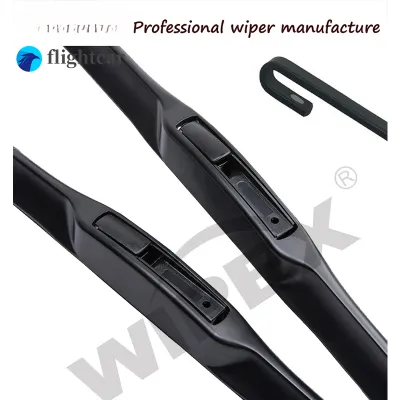

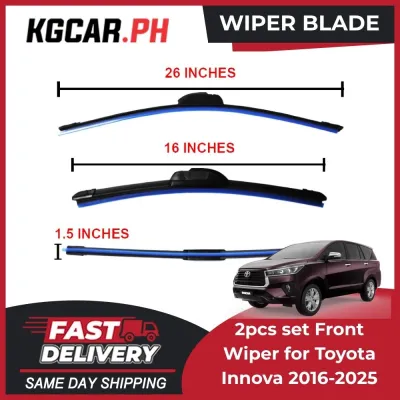
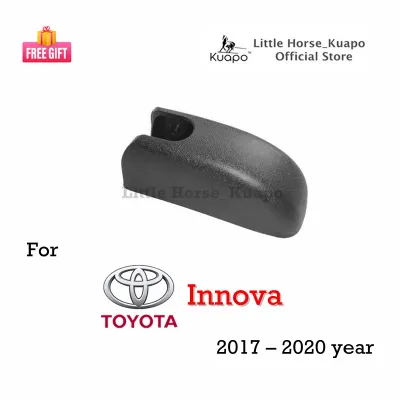
Prices are valid at publication and may change. Please refer to the product page for the latest price.
Equally important is identifying the wiper arm connector type. The 2017 Toyota Innova utilizes a standard J-hook (also known as a U-hook) wiper arm interface, which is one of the most common and straightforward designs in the automotive industry. Most aftermarket wiper packages include a pre-installed universal adapter designed to slide directly into a J-hook arm. However, some premium or specialized beam blades require you to swap out the pre-installed clip for a specific adapter included in the box.
Never assume a premium wiper blade will fit your vehicle out of the box without checking the adapter compatibility list on the packaging. A loose or improperly matched connector can cause the blade to chatter, leave wide streaks, or even detach entirely while driving in heavy rain, potentially damaging your windshield or causing a sudden loss of visibility. Confirming that the product packaging explicitly lists compatibility with 9x3mm or 9x4mm J-hook arms will save you time and prevent safety hazards on the road.
Key Design and Material Features for Heavy Rain Performance
Understanding the structural differences between wiper designs allows you to choose a blade that matches your typical driving environment. Modern wiper blades generally fall into three design categories, each handling heavy rain and wind resistance differently:

- Beam (Flat) Blades: These blades feature a bracketless design with a tensioned steel spine running inside the rubber element. This structure allows the blade to conform precisely to the curved glass of the Innova's windshield, applying uniform pressure along the entire length of the blade. Because they lack an external metal skeleton, beam blades are highly aerodynamic and resistant to wind lift during high-speed highway driving.
- Conventional (Bracket) Blades: This traditional design uses a metal frame with articulated claws to press the rubber blade against the glass. While highly affordable, conventional blades have exposed metal joints that can wear out over time, leading to uneven pressure distribution. They are also more susceptible to wind lift during severe storms.
- Hybrid Blades: Combining the best of both worlds, hybrid blades feature a conventional articulated steel sub-frame encased in a sleek, aerodynamic plastic shell. This design provides the robust, multi-point pressure of a bracket blade while shielding the wiping element from wind lift and debris, matching the original aesthetic of many modern Japanese vehicles.
The material composition of the wiping element also dictates how well the blade will survive the harsh climate of the Philippines. Natural rubber elements are highly flexible and offer quiet, streak-free performance when new, but they degrade relatively quickly under intense ultraviolet (UV) radiation and high ambient heat.
Silicone elements, by contrast, are engineered to withstand extreme temperatures and UV exposure without hardening or cracking. As silicone blades cycle across the windshield, they naturally transfer a thin, hydrophobic film to the glass surface. This water-repellent barrier causes rainwater to bead up instantly and slide off, significantly improving visibility even when the wipers are operating at lower speeds. When selecting a blade, check the product label for specialized coatings like graphite or Teflon, which reduce friction and prevent the annoying chattering sound often caused by dry glass.
Comparing Popular Wiper Brands Available in the Philippines
When shopping for replacement wipers in the local market, you will find several reputable brands that cater to different budgets and performance needs. Evaluating these options based on their material construction and structural designs will help you make an informed choice.
Bosch (Beam and Standard Options)
Bosch is a highly recognizable name in automotive consumables, offering a tiered lineup that ranges from budget-friendly options to premium beam technology.
- Bosch Aerotwin: This premium beam blade is highly regarded for its aerodynamic, asymmetrical spoiler, which uses wind pressure to keep the blade firmly pressed against the glass at high speeds. It utilizes a dual-compound rubber element with a graphite coating, ensuring a quiet sweep and extended resistance to heat degradation.
- Bosch Clear Advantage: A mid-range beam option designed specifically for tropical climates. It features a simplified mono-steel spring design and a pre-assembled quick-clip adapter that fits J-hook arms easily, making it a highly accessible upgrade from conventional bracket blades.
- Bosch Advantage: This is a budget-friendly conventional bracket blade featuring an all-metal frame with a zinc-galvanized coating to resist corrosion. It offers reliable, basic rain-clearing performance for drivers who prefer to replace their wipers frequently.
PIAA (Silicone and Hybrid Options)
PIAA focuses heavily on high-durability silicone technology, making their products a popular premium choice for drivers looking to invest in long-term visibility.
- PIAA Super Silicone: Featuring a traditional metal frame design, this line uses patented active silicone technology. Every sweep of the blade replenishes a water-repellent barrier on the windshield, causing rain to bead up and blow away at speeds above 60 km/h. The silicone compound is highly resistant to heat and ozone, preventing the rubber from hardening under the tropical sun.
- PIAA Aero Vogue: This is a premium hybrid blade that combines PIAA’s active silicone rubber with an aerodynamic, high-performance cover. The hybrid design features built-in pass-through vents that reduce wind lift at highway speeds, ensuring consistent pressure across the Innova's large windshield during heavy downpours.
Denso (OEM-Style and Hybrid Options)
Denso is a major original equipment supplier for Toyota, meaning their wiper lines are engineered to match the exact physical requirements and aesthetic styling of your 2017 Innova.
- Denso Hybrid Wiper Blades: Often referred to as "Designer" blades, these feature a low-profile, matte-black plastic shell that covers a rigid steel sub-structure. They offer a perfect aesthetic match to the factory wipers that came with the Innova, providing uniform pressure distribution and a smooth, quiet wipe.
- Denso Standard Blades: These are high-quality conventional bracket blades featuring a durable steel frame and a high-grade natural rubber insert. They provide reliable, OEM-equivalent performance at a more accessible price point than the hybrid line.
Value and Alternative Brands (e.g., Hella, 3M)
For drivers seeking reliable performance without a premium price tag, alternative brands offer excellent value and straightforward functionality.
- Hella Razor: Available in both hybrid and beam configurations, Hella’s wiper lines are designed to offer dependable clearing action in wet weather. They utilize high-quality nanotechnology graphite-coated rubber to minimize friction and noise, making them an excellent mid-range alternative.
- 3M Frameless: 3M’s beam blades feature a sleek, low-profile design that distributes pressure evenly across the glass. They are highly valued for their easy installation and reliable wiping action, making them a solid choice for routine maintenance before the rainy season begins.
Decision Framework: Matching the Right Wiper to Your Budget and Habits
To simplify your purchasing decision, match your driving habits and maintenance preferences to the specific strengths of each wiper category:
- Choose premium silicone (e.g., PIAA Super Silicone or Aero Vogue) if you frequently park your Innova outdoors under direct sunlight, drive long distances in heavy rain, and want a long-lasting blade. While the initial cost is higher, the extended lifespan and water-beading effect offer excellent long-term value.
- Choose premium beam blades (e.g., Bosch Aerotwin) if you do a significant amount of highway driving (such as commuting on SLEX, NLEX, or TPLEX) during storms. The aerodynamic design prevents wind lift, ensuring consistent clearing performance at high speeds.
- Choose OEM-style hybrid blades (e.g., Denso Hybrid) if you want to maintain the original factory appearance of your 2017 Innova while enjoying the quiet, reliable performance of an integrated aerodynamic cover.
- Choose standard value blades (e.g., Bosch Advantage, Hella, or 3M) if you prefer to adhere to a strict semi-annual replacement schedule. Replacing your blades every six months ensures you always have fresh, pliable rubber on your windshield, regardless of premium features.
Always double-check the product packaging before leaving the store to confirm that the specific model you have chosen includes the correct adapter for a standard J-hook wiper arm.
Safe Installation and Maintenance for Rainy Season Readiness
Installing new wiper blades is a straightforward task that you can easily perform at home. However, taking proper safety precautions is essential to avoid costly accidents.
- Safe Installation: Before removing your old wiper blades, always place a thick, folded towel or protective pad over the windshield glass directly underneath the wiper arms. Once you remove the old blade, the bare metal wiper arm is held under strong spring tension. If the arm accidentally slips out of your hand and snaps back against the bare glass, it can easily crack your windshield, resulting in an expensive replacement. Work slowly, ensure the new blade clicks securely into the J-hook connector, and gently lower the arm back onto the glass.
- Cleaning the Blades: Road grime, oil, and environmental debris can accumulate on the wiping edge, causing streaks even on brand-new blades. Periodically wipe the rubber element with a soft, damp microfiber cloth. Avoid using harsh chemical degreasers, rubbing alcohol, or gasoline, as these substances can strip away the protective graphite or Teflon coatings applied by the manufacturer.
- Windshield Preparation: A clean windshield is just as important as clean wipers. Use a dedicated automotive glass cleaner or a clay bar to remove stubborn water spots, tree sap, and road oil before installing your new blades. If you are installing silicone blades, follow the manufacturer's instructions carefully; many brands require you to run the wipers dry on a clean windshield for 3 to 5 minutes to properly deposit the initial hydrophobic layer.
- Inspection Signs: Inspect your wiper blades regularly for signs of wear. If you notice skipping, chattering noises, visible tears along the rubber edge, or persistent streaks that do not disappear after cleaning, it is time to replace your blades immediately to ensure your safety during sudden downpours.
Frequently Asked Questions (FAQ)
Can I use silicone wiper blades on my 2017 Innova?
Yes, silicone wiper blades are fully compatible with the 2017 Toyota Innova, provided you select the correct sizes (26-inch driver side and 16-inch passenger side) and ensure the package includes a J-hook adapter. When installing silicone blades, always clean your windshield thoroughly first. Many manufacturers recommend running the new blades dry on the clean glass for several minutes to establish the initial water-repellent coating.
How often should I replace my wiper blades in the Philippines?
Due to the intense heat, high UV index, and heavy seasonal rainfall in the Philippines, wiper blades degrade much faster than they would in cooler climates. It is highly recommended to inspect your wiper blades every 6 months and replace them at least once a year—ideally right before the start of the rainy season—or immediately if you notice streaking, tearing, or chattering.
Do I need to replace both wiper blades at the same time?
Yes, you should always replace both the driver side and passenger side wiper blades at the same time. Even if one side appears to be in slightly better condition, both blades have been exposed to the same environmental heat and UV radiation. Replacing them as a pair ensures uniform wiping pressure, consistent clarity across your entire field of vision, and balanced performance during heavy downpours.
Community discussion
Share your experience or ask a question. Comments are reviewed before publication.