
When a sudden tropical downpour hits during your drive along the South Luzon Expressway (SLEX) or through the busy streets of Metro Manila, clear visibility through your Honda HR-V’s windshield becomes your primary safety line. No single brand holds an absolute monopoly on perfect performance, as real-world effectiveness depends heavily on the specific product tier, blade material, and frame design rather than a brand logo alone. For the intense wet-season downpours characteristic of the Philippines, premium beam-style blades featuring water-repellent silicone elements consistently deliver the cleanest, most reliable wipe. These advanced blades must be correctly matched to your HR-V’s specific model year, wiper arm connector, and physical dimensions to perform safely.
Checking Your Honda HR-V Wiper Size and Connector Type
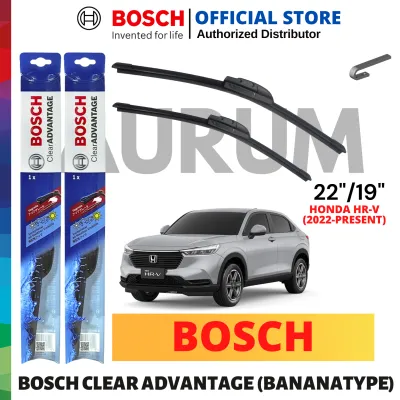
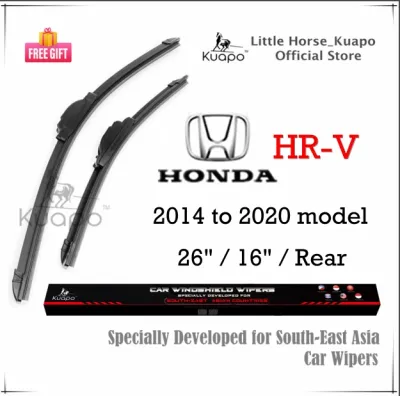
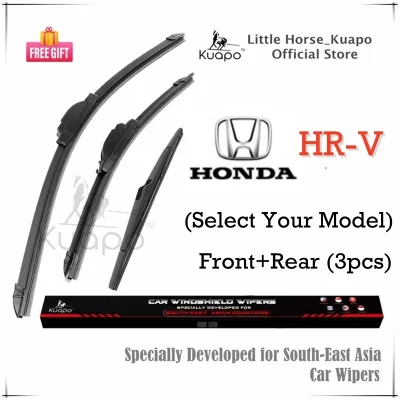
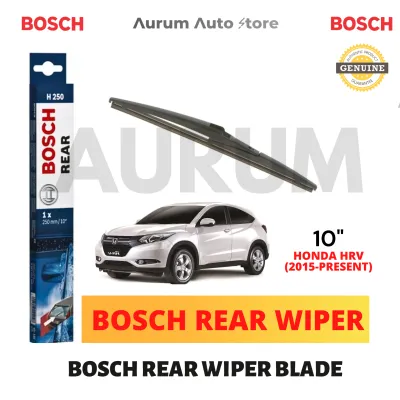
Before purchasing any replacement, you must confirm the physical specifications of your vehicle’s wiper system. The Honda HR-V has spanned multiple generations globally, and wiper sizes can vary significantly depending on whether you drive an older model or the latest generation. For many recent HR-V models, the standard setup requires a 26-inch blade for the driver’s side and a 16-inch blade for the passenger’s side, but you should never rely on general assumptions. Always consult your vehicle owner’s manual or physically measure the length of your current blades from end to end before making a purchase.
Beyond length, the physical connector on your HR-V’s wiper arm is a critical compatibility factor. Depending on the model year and trim level, your crossover may utilize a traditional J-hook connector, a push-button mechanism, or a pinch-tab system. Standard aftermarket wiper blades often ship with a selection of plastic adapters, but not all universal kits fit every arm style securely. A loose or incorrect adapter can cause the blade to detach at highway speeds, potentially scratching your windshield glass or leaving you suddenly blind in heavy rain.
Products mentioned in this guide
Prices are valid at publication and may change. Please refer to the product page for the latest price.
Because windshield wipers are a critical safety component, proper installation is paramount. Always refer to your original vehicle documentation and the wiper manufacturer’s instructions before attempting to mount new blades. The safety boundary for DIY installation requires that the adapter clicks or locks firmly into place with absolutely no play or wobbling. If the blade does not feel entirely secure, or if the adapter does not match your wiper arm perfectly, do not operate the vehicle. In such cases, or if you feel uncomfortable with the process, seek assistance from a qualified automotive technician to ensure the system is safe for road use.
What Makes a Wiper Blade Effective in Torrential Rain?
To survive a severe tropical depression or typhoon-induced downpour, a wiper blade must excel across several performance metrics. The most immediate requirement is absolute wipe clarity, meaning the blade must sweep away water instantly without leaving streaks, micro-films of moisture, or dry patches. It must also operate smoothly without chattering or skipping across the glass, which creates distracting noise and uneven water clearing. When torrential rain falls faster than your wipers can cycle, a high water evacuation rate is essential to maintain even a basic line of sight.

Aerodynamic stability is another critical factor, particularly when driving on open highways where wind speeds combine with vehicle velocity. Standard wiper blades can suffer from “wind lift,” a phenomenon where high-speed airflow gets underneath the wiper frame, lifting the rubber element off the glass and reducing clearing efficiency. The Honda HR-V features a highly aerodynamic, curved windshield that requires consistent, uniform pressure across the entire length of the blade. If the blade cannot maintain constant contact with this curved surface, water will pool in critical viewing areas, severely compromising your safety.
Furthermore, the presence of environmental contaminants common in the Philippines—such as coastal salt spray, volcanic ash residues, and heavy urban smog—can create a sticky film on your windshield. A wiper blade must have enough structural integrity and edge sharpness to cut through this film without damaging the underlying glass. If the blade is too soft or has degraded due to environmental exposure, it will merely smear these contaminants across your field of view, compounding the visual hazards of a storm.
Comparing Blade Materials and Frame Designs for Tropical Weather
Choosing the right combination of materials and frame structures is key to enduring the harsh environmental conditions of the Philippines.
Silicone vs. Natural Rubber Elements
Natural rubber has long been the traditional choice for wiper blades because it is highly flexible, quiet when new, and relatively inexpensive to manufacture. However, natural rubber is highly vulnerable to the intense heat and ultraviolet (UV) radiation common in tropical climates. When your HR-V is parked under the sun in Manila or provincial cities, the windshield glass can reach extreme temperatures, causing natural rubber to dry out, crack, and lose its flexibility within a few months. Once the rubber hardens, it will skip, squeak, and fail to clear water effectively during the next storm.
Silicone wiper blades represent a premium alternative designed to withstand these environmental extremes. Silicone is highly resistant to UV rays, ozone, and thermal degradation, allowing it to maintain its pliable, sharp-edged wiping surface far longer than standard rubber. Furthermore, as silicone blades swipe across your windshield, they naturally deposit a microscopic, water-repellent layer on the glass. This coating causes rainwater to bead up and slide off rapidly, often allowing wind alone to clear the glass at highway speeds. When shopping, always read the product packaging carefully, as some brands offer “silicone-infused” coatings on rubber blades rather than solid silicone elements, which offer different lifespans.
When maintaining your windshield’s cleanliness, be cautious about the fluids you use alongside your wiper elements. If you use windshield washer fluids or glass cleaners, ensure they are explicitly labeled as safe for automotive paint, plastics, rubber, and silicone seals. Using unauthorized household detergents, dish soaps, or harsh chemical cleaners can strip away the protective coatings on your wiper elements, degrade the rubber seals around your windshield, and potentially damage your HR-V’s paintwork.
Beam (Frameless) vs. Conventional vs. Hybrid Frames
The structural frame of the wiper blade determines how pressure is distributed across your HR-V’s curved windshield. Traditional conventional frames use a system of metal brackets and claws to press the rubber element against the glass at specific contact points. While functional, these metal joints can wear out, become clogged with road debris or dried wax, and are highly susceptible to wind lift at higher speeds. They also tend to apply uneven pressure, leaving streaks at the outer edges of the wipe path.
Beam blades, often referred to as frameless blades, utilize a continuous, pre-tensioned steel strip inside a sleek rubber housing. This design allows the blade to conform precisely to the unique curvature of the Honda HR-V’s windshield, distributing downward pressure evenly across the entire length of the wiping edge. Beam blades also feature integrated aerodynamic spoilers that use the oncoming wind to press the blade tighter against the glass, preventing wind lift during highway storms.
Hybrid frames combine the aerodynamic, protective shell of a beam blade with the internal mechanical structure of a conventional frame. This design offers a robust compromise that performs exceptionally well in heavy downpours by shielding the pressure-point mechanism from wind and debris. For a modern crossover like the Honda HR-V, which often travels at highway speeds on provincial routes, either a premium beam or a high-quality hybrid frame is highly recommended over a conventional bracket design.
Decision Guide: Which Wiper Setup Fits Your Driving Needs?
Selecting the ideal wiper setup for your Honda HR-V depends on your typical driving environments, budget, and maintenance habits.
Premium Silicone Beam Blades If your daily commute involves long stretches on expressways like NLEX, SLEX, or TPLEX, or if you frequently travel to provinces during the rainy season, investing in premium silicone beam blades is highly recommended. The combination of aerodynamic beam styling and durable silicone elements ensures that your wipers will remain stable at high speeds and resist the intense heat of open-air parking. The self-applying water-repellent properties of silicone also provide a significant safety advantage during sudden, blinding downpours by accelerating water runoff. While these blades carry a higher initial price tag, often ranging from ₱1,500 to ₱3,000 per pair, their extended lifespan and superior performance under extreme conditions justify the cost for high-mileage drivers.
Standard Rubber Hybrid or Beam Blades For drivers who primarily operate their HR-V within highly congested urban areas at lower average speeds, high-speed aerodynamic lift is less of a concern. In this scenario, standard rubber hybrid or entry-level beam blades offer a practical and budget-friendly alternative. These options typically cost between ₱500 and ₱1,200 per pair, making them highly economical. Because urban driving still exposes the blades to high heat, road grime, and soot, you should expect to replace these rubber elements more frequently. This setup is ideal if you prefer a lower initial investment and do not mind performing routine annual or bi-annual replacements to maintain clear visibility.
Vehicle-Specific Considerations Before finalizing your choice, check if your Honda HR-V trim is equipped with specialized features such as rain-sensing automatic wipers. Some aftermarket hydrophobic silicone coatings can occasionally interfere with the optical sensors located near the rearview mirror, causing the automatic wiper system to cycle erratically. If your vehicle has these sensors, verify with the wiper manufacturer’s documentation that their silicone formula is fully compatible. Additionally, ensure that the driver-side blade you select does not require a specific integrated spoiler shape that your chosen aftermarket brand lacks, as this can alter the aerodynamic balance of the wiper arm.
Maintaining Wiper Blades in Humid and Rainy Conditions
No matter which brand or material you choose, proper maintenance is essential to preserve wiping performance in the humid Philippine climate. Road grime, diesel soot, tree sap, and dust quickly accumulate on both the windshield and the delicate edge of the wiper blade, acting as abrasives that degrade the wiping element.
To maintain your blades, follow these simple, low-risk steps regularly:
- Gently wipe the edge of the wiper element with a clean, damp microfiber cloth to remove accumulated road film and debris. Avoid using harsh chemical solvents or gasoline, which can strip away protective coatings or degrade the material.
- Thoroughly clean your windshield glass using a dedicated automotive glass cleaner to eliminate oily films, water spots, and tree sap that cause the blades to chatter or wear prematurely.
- Inspect the physical condition of the blades monthly, checking for visible tears, cracks, or hardened sections in the wiping element.
If you notice persistent streaking, skipping, or loud chattering that cannot be resolved by cleaning, replace the blades immediately to ensure your safety on the road.
Frequently Asked Questions (FAQ)
Can I use silicone wiper blades on my Honda HR-V?
Yes, silicone wiper blades are highly compatible with the Honda HR-V’s windshield glass, provided you use the correct arm adapter and ensure the wiper arm applies adequate downward pressure. When installing new silicone blades, it is crucial to follow the manufacturer’s specific priming instructions. This process typically involves thoroughly cleaning and drying the windshield, then running the new dry wipers on the glass for several minutes to evenly distribute the initial water-repellent silicone layer without causing friction or chatter.
How often should I replace wiper blades in the Philippines?
In the Philippines, the combination of intense tropical heat, high humidity, and heavy seasonal rainfall accelerates the degradation of wiper materials. It is highly recommended to inspect your wiper blades every six months and plan for a replacement at least once a year. However, if you observe any signs of physical damage, persistent streaking, skipping, or distracting noise during a downpour, you should replace the blades immediately to maintain safe driving visibility.
Community discussion
Share your experience or ask a question. Comments are reviewed before publication.