
Driving a Toyota Corolla in the Philippines presents unique challenges for your vehicle’s visibility systems. From the sudden, blinding downpours of the monsoon season to the intense, rubber-cracking heat of the dry season, your windshield wipers must endure extreme environmental stress. Selecting the right wiper blades for your Corolla is not just a matter of convenience; it is a critical safety decision that directly impacts your ability to navigate waterlogged streets and high-speed expressways safely.
To achieve clear, streak-free visibility, you must choose wiper blades designed to withstand high ultraviolet (UV) exposure and heavy water volume. Premium beam blades and hybrid options from reputable manufacturers like Bosch and Denso represent the most reliable choices for modern Corolla generations. These brands design their products with specialized rubber compounds that resist the premature hardening and cracking common in tropical climates. By matching the correct blade sizes and connector types to your specific Corolla model year, you can ensure optimal wiping performance and maintain a safe line of sight through any tropical storm.
How to Identify the Correct Wiper Blade Size and Connector for Your Corolla
Before purchasing replacement wiper blades, you must verify the precise dimensions and arm attachment styles specified for your Toyota Corolla’s model year. Toyota has produced the Corolla across multiple generations, and the windshield dimensions have evolved significantly over the decades. Consequently, assuming a single size fits all Corolla models will likely lead to purchasing incompatible parts that either fail to clear the glass or collide with the vehicle’s A-pillars during operation.
Products mentioned in this guide
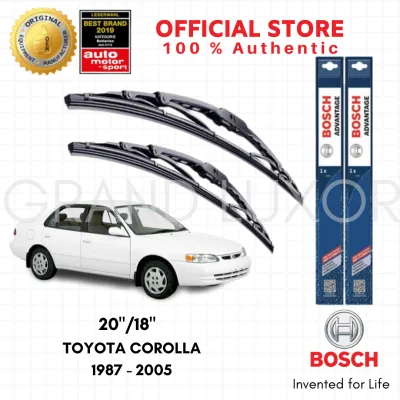
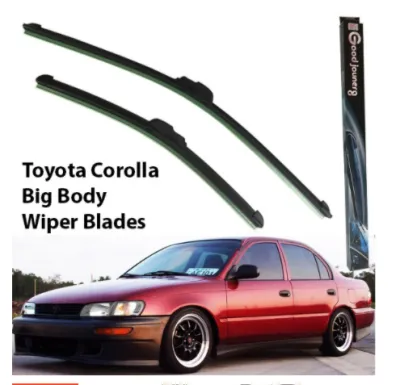
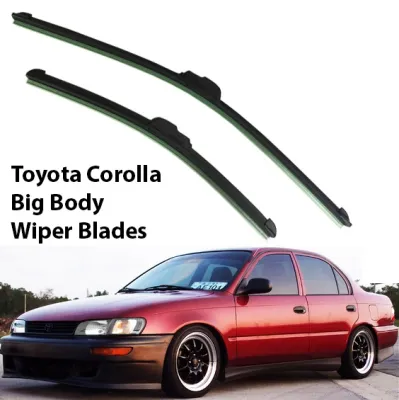
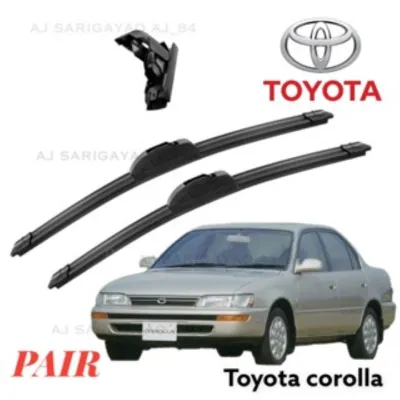
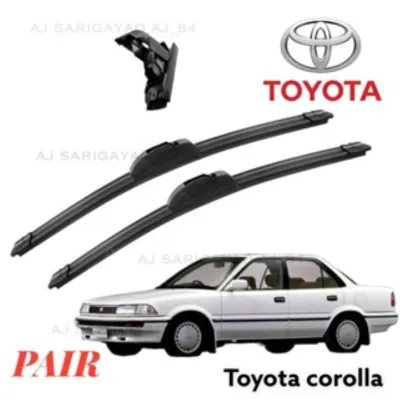
Prices are valid at publication and may change. Please refer to the product page for the latest price.
For most modern Toyota Corolla generations, the driver-side and passenger-side wiper arms require different blade lengths to maximize the cleared viewing area. For example, the eleventh-generation Corolla Altis (produced from 2014 to 2019) typically utilizes a 26-inch blade on the driver’s side and a 14-inch blade on the passenger’s side. In contrast, older tenth-generation models (2008 to 2013) often require a 26-inch driver’s blade and a 16-inch passenger’s blade, while classic models from the late 1990s may use a symmetrical 20-inch or 18-inch setup. You should always consult your vehicle’s original owner’s manual or check the official Toyota specifications to confirm these measurements.
In addition to length, the connector interface on the wiper arm is a vital compatibility factor. The vast majority of Toyota Corolla models sold in the Philippines utilize a standard J-hook (also known as a U-hook) connector. This interface features a curved metal hook at the end of the wiper arm that slides into a matching adapter on the wiper blade. However, some imported variants or specialized aftermarket modifications may use alternative mounting styles, such as pinch tabs or side pins.
To prevent ordering errors when shopping on online marketplaces or at local auto supply shops, do not rely solely on generic compatibility search filters. Instead, use a physical tape measure to measure the length of your current wiper blades from end to end. Compare these measurements against the fitment charts provided by reputable wiper manufacturers. If your vehicle’s original wiper arms have been modified or replaced with aftermarket components, verify the connector style visually before finalizing your purchase.
Recommended Wiper Blade Categories for Toyota Corolla
Selecting the right category of wiper blade depends on your typical driving environments, budget, and performance expectations. The Philippine market offers three primary categories of wiper blades: beam, hybrid, and conventional. Each category features distinct structural characteristics that influence how effectively they clear water and resist wear under local tropical conditions.

Premium Beam Wiper Blades for Heavy Tropical Rain
Beam wiper blades, also known as bracketless or flat blades, feature a sleek, curved design without an external metal frame. Instead of relying on a series of metal claws to press the rubber against the glass, beam blades utilize an internal tensioned steel strip. This construction ensures that pressure is distributed completely evenly across the entire length of the blade, resulting in a highly uniform wipe.
The primary advantage of beam blades is their aerodynamic profile, which prevents the blade from lifting off the glass at high highway speeds. This makes them exceptionally well-suited for driving along the North Luzon Expressway (NLEX) or South Luzon Expressway (SLEX) during intense tropical depressions. Because they lack exposed metal brackets, joints, and hinges, there are no moving parts that can trap road grime, soot, or debris.
However, beam blades generally carry a higher price point than other styles. When selecting a beam blade, you must also ensure that the tension profile of the blade matches the specific curvature of your Corolla’s windshield. If the windshield has highly pronounced curves near the edges, some lower-quality beam blades may experience lifting or missed spots at the outer tips. Choosing established brands like Bosch (specifically the Aerotwin or Clear Advantage lines) helps mitigate this risk, as they use advanced synthetic rubber formulations designed to maintain flexibility across varying glass profiles.
Hybrid Wiper Blades for All-Weather Versatility
Hybrid wiper blades combine the robust, multi-point pressure articulation of a conventional frame with the aerodynamic, protective shell of a beam blade. This design features an articulated sub-frame covered by a sleek plastic casing that shields the internal components from the elements.
In the humid and often salty coastal air of the Philippines, the protective outer shell of a hybrid blade serves an important function: it prevents moisture and salt spray from directly contacting the metal tension joints, reducing the risk of rust and structural binding. This makes hybrid blades highly durable options for coastal provinces as well as congested urban centers like Metro Manila, where airborne pollutants can accelerate the degradation of exposed metal.
Hybrid blades deliver excellent wiping consistency across a wide range of driving conditions. They provide the consistent pressure needed to clear heavy downpours in city traffic while maintaining aerodynamic stability on provincial highways. Because hybrid blades are frequently fitted as original equipment (OEM) on premium modern vehicles, upgrading your Corolla to a high-quality hybrid option—such as those manufactured by Denso—closely replicates the vehicle’s factory-spec performance and aesthetic.
Standard and OEM-Style Blades for Budget-Conscious Drivers
Standard conventional wiper blades utilize a traditional metal framework with a series of hinges and claws to hold the rubber wiping element against the windshield. This classic design has been the industry standard for decades and remains widely available throughout the Philippines.
The primary benefit of conventional blades is their affordability. They provide a cost-effective solution for drivers who prioritize low upfront costs or those who own older Toyota Corolla generations, such as the AE101 or AE111. The multi-hinge system allows the frame to flex and conform to the windshield’s surface, delivering reliable clearing performance under normal rainfall conditions.
The main disadvantage of conventional blades is their susceptibility to the harsh tropical climate. The exposed metal joints can suffer from paint peeling, rust, and joint binding over time due to high humidity and frequent rain exposure. Furthermore, at highway speeds, the open frame design is prone to wind lift, which can cause the blade to skip across the glass. If you choose conventional blades, it is critical to select products from reputable brands like Bosch (such as the Bosch Advantage line) rather than unbranded, ultra-cheap alternatives. Reputable brands utilize zinc-galvanized steel frames and high-quality natural rubber treated with graphite coatings to minimize squeaking, streaking, and rapid degradation.
Comparing Wiper Blade Types for Philippine Driving Conditions
To determine which wiper blade type aligns best with your driving habits, local climate, and budget, you should evaluate how each category performs across key operational dimensions. The table below outlines the comparative advantages and trade-offs of beam, hybrid, and conventional wiper blades under typical Philippine driving conditions.
| Wiper Blade Type | Rain Clearing Efficiency | Durability (UV & Humidity) | Aerodynamic Performance | Relative Price Range |
|---|---|---|---|---|
| Beam Blades | Outstanding | Excellent | Outstanding | Premium |
| Hybrid Blades | Excellent | Very Good | Excellent | Mid-Range |
| Conventional Blades | Good | Moderate | Fair | Budget-Friendly |
If your daily commute involves frequent highway driving where wind lift and heavy rain clearing are paramount, investing in premium beam blades provides the highest level of safety and longevity. For drivers seeking a balanced combination of aesthetic appeal, weather protection, and consistent pressure distribution, hybrid blades offer an excellent mid-range upgrade. If you primarily use your Corolla for short city trips, park in shaded areas, or operate an older model on a strict maintenance budget, high-quality conventional blades from a trusted manufacturer will deliver reliable service at a lower cost, provided they are inspected and replaced regularly.
Safe Installation and Maintenance Tips for Long-Lasting Performance
Installing new wiper blades is a straightforward maintenance task that you can perform at home, but it requires careful attention to safety to prevent accidental damage to your vehicle. Before starting the installation process, consult your Corolla’s owner’s manual and the instructions printed on the new wiper blade packaging.
To replace your wiper blades safely, follow these step-by-step guidelines:
- Prepare the Windshield: Thoroughly clean your windshield using an authorized automotive glass cleaner to remove dirt, grease, and road film.
- Use the Towel Safety Method: Place a thick, folded bath towel directly onto the windshield glass underneath the wiper arm assembly. This is a critical safety step. If the bare metal wiper arm snaps back down while the blade is removed, the high-tension spring can cause the arm to strike the glass with enough force to crack or shatter the windshield, leading to an expensive repair.
- Release the Old Blade: Lift the wiper arm away from the glass until it locks in an upright position. Locate the small release tab on the underside of the connector hook, press it, and slide the old blade downward out of the J-hook.
- Mount the New Blade: Align the adapter of the new wiper blade with the J-hook of the wiper arm. Slide the blade upward into the hook until you hear or feel a distinct click, indicating that the locking mechanism is fully engaged. Gently tug the blade to verify it is secure.
- Lower the Arm: Carefully lower the wiper arm back down onto the towel-protected windshield. Remove the towel and repeat the process on the opposite side.
To maximize the lifespan of your new wiper blades in the hot, humid Philippine climate, establish a regular maintenance routine. Wipe the rubber edge of the blades once a month using a clean, damp microfiber cloth to remove accumulated road grime, soot, and tree sap. Avoid using harsh household detergents, petroleum-based solvents, or abrasive cleaners on the rubber, as these substances can strip the protective graphite coating and cause the rubber to dry out and split.
Additionally, monitor your wipers for clear indicators that replacement is necessary. If you observe persistent streaking, skipping, chattering noises, or visible tearing of the rubber element, replace the blades immediately to maintain safe driving visibility.
Frequently Asked Questions (FAQ)
Can I use silicone wiper blades on my Toyota Corolla?
Yes, you can use silicone wiper blades on your Toyota Corolla, provided they match the correct length and connector specifications for your model year. Silicone blades are highly durable and resist UV degradation better than standard organic rubber. As they wipe, they deposit a thin, hydrophobic silicone film on the windshield, which causes rainwater to bead up and run off the glass at highway speeds. However, if your windshield already has an aftermarket water-repellent glass treatment, combining it with silicone blades may cause temporary smearing or chattering. Always follow the manufacturer’s specific break-in instructions, which typically involve running the dry wipers on a clean windshield for several minutes to distribute the silicone layer evenly.
How often should I replace my wiper blades in the Philippines?
In the Philippines, you should generally inspect your wiper blades every six months and plan to replace them every six to twelve months. The intense tropical sun, high UV index, and extreme heat can rapidly bake and harden the rubber compounds, even if the wipers are not used frequently during the dry season. Rather than relying strictly on a calendar schedule, monitor the actual performance of the blades. If you notice streaking, squeaking, or uneven clearing during a rain shower, or if you observe physical cracking or tearing along the rubber edge during a visual inspection, replace the blades immediately to ensure your safety on the road.
Community discussion
Share your experience or ask a question. Comments are reviewed before publication.