
Choosing the right wiper blades for your vehicle is a critical safety decision, especially when facing the sudden, intense downpours common in tropical climates. Blaupunkt wiper blades have emerged as a prominent mid-tier option, offering a balance of modern design and accessible pricing. However, there is no single “best” brand that fits every driving scenario; the right choice depends on your specific vehicle compatibility, local weather demands, and your maintenance budget.
In the Philippine market, windshield wipers must endure extreme environmental stress, from intense UV exposure to heavy monsoon rains. Blaupunkt competes closely with established legacy brands by providing reliable everyday performance under standard driving conditions. To determine if this brand fits your needs, you must evaluate how its specifications, materials, and adapter systems stack up against the competition.
This guide breaks down the essential performance dimensions of modern wiper blades, provides an objective framework for comparing specifications, and outlines safe maintenance practices to help you maximize your visibility on the road.
Products mentioned in this guide
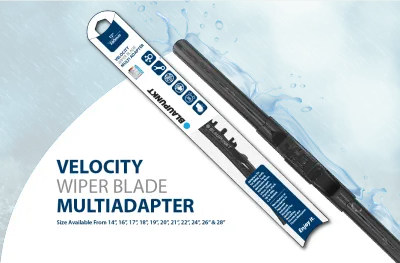
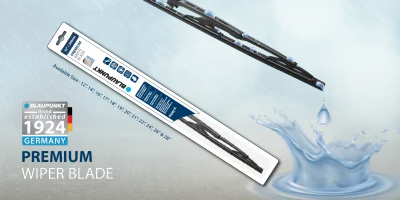
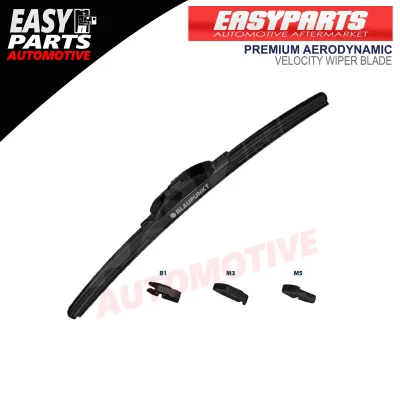
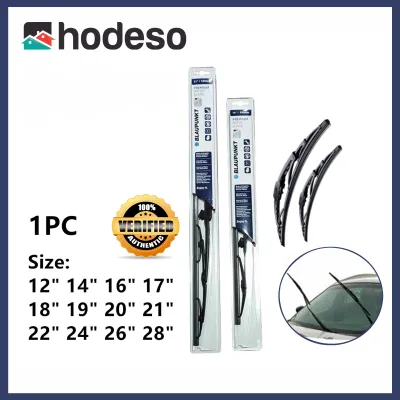
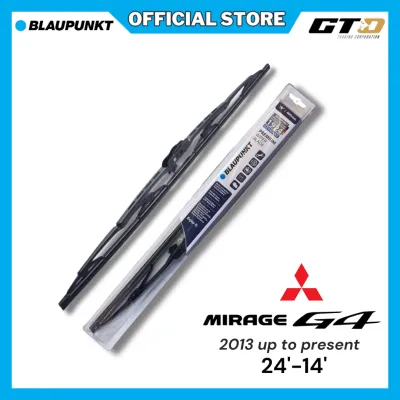
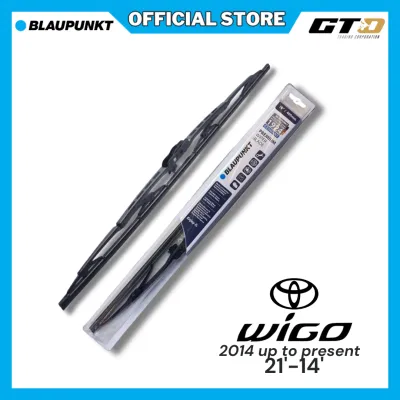
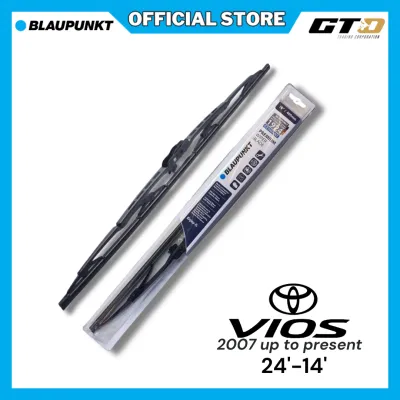
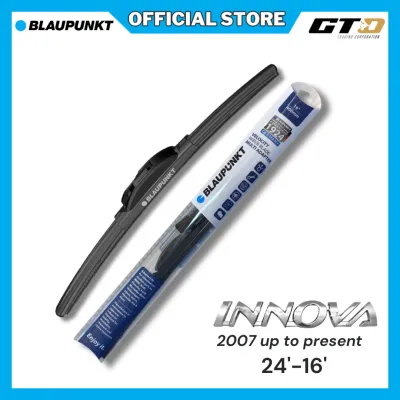
Prices are valid at publication and may change. Please refer to the product page for the latest price.
Key Comparison Dimensions for Tropical Driving Conditions
Evaluating wiper blades requires looking beyond brand names and focusing on physical design and material properties. In a tropical climate, these factors directly determine how well a blade maintains visibility and how long it lasts before requiring replacement.
Wipe Clarity and Streak Prevention
Maintaining a clear line of sight during a sudden downpour depends entirely on how evenly a wiper blade distributes pressure across the windshield. Conventional wiper blades use a metal bracket frame with specific pressure points, which can sometimes leave gaps on highly curved modern windshields.
In contrast, beam blades feature a curved, tensioned steel strip housed inside the rubber structure. This design distributes continuous, uniform pressure along the entire length of the wiping edge. When comparing brands, look at the blade geometry; a beam or hybrid design is generally more effective at preventing streaks and clearing large volumes of water quickly during heavy tropical storms.
Durability in High Heat and Humidity
Tropical environments subject automotive rubber to severe thermal and chemical stress. Constant exposure to intense solar radiation heats the windshield glass to high temperatures, which accelerates the vulcanization and hardening of natural rubber compounds. Once the rubber loses its elasticity, it becomes brittle, leading to micro-cracking, tearing, and structural failure.
To counter these effects, manufacturers use various rubber formulations and protective coatings. When evaluating wiper options, look for synthetic rubber blends, silicone-based compounds, or blades treated with UV-resistant coatings on their packaging. These materials resist ozone degradation and thermal hardening far better than untreated natural rubber, ensuring the blade remains flexible and functional through changing seasons.
Noise Levels and Aerodynamic Chatter
At highway speeds, wind rushing over the hood of your vehicle can get underneath flat wiper blades, creating aerodynamic lift. This lift reduces the contact pressure between the rubber and the glass, causing the blades to bounce or “chatter” across the windshield, which leaves large patches of water uncleared.
To prevent this, high-quality wiper blades incorporate aerodynamic spoilers or wind deflectors into their frames. These spoilers use the oncoming airflow to press the blade firmly against the glass. Additionally, surface treatments such as graphite, liquid titanium, or Teflon are bonded to the wiping edge to reduce friction, ensuring smooth, silent operation and preventing the irritating squeaking sound caused by high friction.
Fitment and Adapter Compatibility
Even the most advanced wiper blade will fail to perform if it is not securely mounted to the wiper arm. A loose or improper connection can cause the blade to chatter, wipe unevenly, or even detach entirely while driving, which poses an immediate safety hazard and risks scratching your windshield glass.
Vehicle manufacturers use a wide variety of wiper arm connections, including J-hooks, pinch-tabs, push-buttons, and bayonet mounts. Before purchasing any wiper blade, you must verify your vehicle’s specific arm type. Some brands package their blades with a single pre-installed adapter designed for the most common arm type, while others include a comprehensive multi-adapter kit to accommodate diverse vehicle designs.
Blaupunkt vs. Competing Brands: How to Compare Specifications
When shopping for wiper blades on online marketplaces or at local automotive supply stores, you can make an objective comparison by using a structured specification checklist. Rather than relying on vague marketing claims, compare the physical attributes of Blaupunkt blades against legacy competitors like Bosch, Denso, and Valeo.

- Blade Construction Type: Identify whether the product is a conventional bracketed blade, a modern beam blade, or a hybrid blade. Blaupunkt primarily focuses on beam blade designs for the aftermarket, which offer a sleek, low-profile appearance. Compare this to Denso, which is highly regarded for its robust hybrid designs often found as original equipment on Japanese vehicles, or Bosch, which offers a wide range of conventional, beam, and specialized aerodynamic options.
- Rubber Material and Coating: Check the product packaging for specific material callouts. Look for graphite-coated natural rubber or synthetic compounds. Blaupunkt blades frequently utilize graphite-treated rubber to minimize friction and noise. Compare this to premium offerings from other brands that may feature proprietary synthetic rubber compounds designed for extended lifespan under extreme UV exposure.
- Connector and Adapter Versatility: Examine the adapter system included in the box. Blaupunkt often utilizes a highly versatile multi-adapter system designed to fit a broad range of European, Asian, and American vehicle models with a single product line. Conversely, some legacy brands offer both universal multi-clip options and specialized, vehicle-specific single-adapter lines. If your vehicle has a rare or complex wiper arm interface, a dedicated, exact-fit single-adapter blade may offer a more secure and straightforward installation than a universal multi-adapter.
- Sizing and Windshield Curvature: Always verify the exact wiper blade lengths required for your vehicle's driver and passenger sides, as these are often different sizes. Some highly curved windshields require blades with specific internal steel curvatures to prevent the ends of the blade from lifting off the glass. Ensure the brand you choose offers the exact inch or millimeter measurements specified in your vehicle's documentation.
Price-to-Value Assessment: What You Actually Pay For
Understanding where different brands sit within the market’s pricing structure helps you determine the true cost of ownership. Wiper blades generally fall into three distinct pricing tiers in the Philippines:
- Budget Tier (₱150 to ₱300 per blade): These are typically basic conventional bracketed blades or low-cost beam blades from lesser-known brands. They often use standard natural rubber without advanced protective coatings, meaning they may require replacement every three to six months due to rapid UV degradation.
- Mid-Range Tier (₱350 to ₱800 per blade): This is where Blaupunkt primarily positions its wiper offerings. In this tier, you receive modern beam designs, graphite-coated rubber, and highly adaptable connector kits. These blades offer a balanced lifespan, often lasting nine to twelve months with proper maintenance, representing a solid middle ground between initial cost and ongoing performance.
- Premium Tier (₱900 to ₱2,000+ per pair or individual specialized blade): This tier includes high-end offerings from legacy brands such as Bosch (such as their Aerotwin line), Denso, or Valeo. These products often feature specialized synthetic rubber, exact-fit OEM connectors, and advanced aerodynamic spoilers optimized for high-speed continental driving.
To calculate the true value of your purchase, consider the replacement frequency. A slightly more expensive mid-range blade that maintains clear visibility for a full year is ultimately more cost-effective and safer than a budget blade that begins to streak and squeak after just one or two months of exposure to the tropical sun.
When purchasing wiper blades, always buy from authorized brand stores, official distributors, or reputable physical automotive service centers. The popularity of mid-range and premium brands has led to an influx of counterfeit products on online platforms. These counterfeits often mimic the packaging and appearance of reputable brands but use inferior, untreated rubber that degrades rapidly and performs poorly, compromising your driving safety.
Decision Framework: Which Wiper Brand Fits Your Needs?
To simplify your buying decision, use this conditional framework to match your vehicle type, driving habits, and environmental conditions to the correct wiper brand category.
Choose Blaupunkt if:
- You want a reliable, modern beam blade that offers clean, quiet performance for standard daily commuting.
- You prefer a straightforward, cost-effective purchasing process and want a highly adaptable multi-clip system that easily fits standard wiper arms.
- You are looking for a reputable brand name that fits comfortably within a mid-range budget without paying the premium price associated with original equipment manufacturer (OEM) exact-fit lines.
Choose Established Legacy Brands (such as Bosch, Denso, or Valeo) if:
- Your vehicle has a highly specialized or uncommon wiper arm interface that requires an exact, factory-spec OEM connector for a secure fit.
- You drive frequently on high-speed expressways where advanced aerodynamic spoilers are necessary to prevent blade lift and chatter.
- Your vehicle came originally equipped with high-performance hybrid blades, and you prefer to maintain the exact factory-spec aesthetics and pressure distribution.
Choose Budget Brands if:
- You operate on a very strict budget and do not mind replacing your wiper blades multiple times throughout the year.
- Your vehicle is parked primarily in a shaded garage, protecting the wiper rubber from direct, daily UV exposure and extending its usable lifespan.
- You primarily drive in light rain conditions and do not require advanced water-clearing performance for heavy monsoon downpours.
Verify First if:
- Your vehicle has a highly curved windshield, which may require a blade with a specific pre-tensioned steel curvature to avoid leaving unwiped patches at the outer edges.
- Your car manual specifies a unique installation procedure or a proprietary wiper arm design that limits your aftermarket options.
Safe Maintenance Practices to Extend Wiper Lifespan
Regardless of the brand you select, proper care and maintenance are essential to protect your investment, ensure consistent visibility, and prevent premature wear of the wiper rubber.
First, regularly clean the wiping edge of the blades. Road grime, dust, tree sap, and organic debris accumulate on the rubber over time, creating an abrasive surface that degrades the wiping edge and scratches your windshield glass. Every two to four weeks, gently wipe the rubber strip with a soft microfiber cloth dampened with water or a mild soapy solution. Avoid using harsh chemical solvents, gasoline, or abrasive cleaners, as these can strip away protective graphite or Teflon coatings.
Second, never operate your wipers on a dry windshield. Running the rubber across dry, dusty glass creates intense friction that can tear the delicate wiping edge and leave permanent scratches on the windshield. Always activate your windshield washer jets first to lubricate the glass surface before turning on the wipers.
Third, maintain your windshield washer system properly. Regularly check the washer fluid reservoir and refill it with a dedicated automotive windshield washer fluid mixed according to the manufacturer’s instructions. Avoid using plain tap water, as mineral content can clog the spray nozzles and leave mineral deposits on your glass. Do not use household dish soaps or laundry detergents in the reservoir; these household cleaning agents can damage your vehicle’s paintwork, dry out the rubber seals, and degrade the wiper blades.
Finally, consult your vehicle’s owner manual for specific instructions on wiper replacement intervals and arm servicing. Inspect your blades visually at least twice a year—specifically before the start of the rainy season. Look for signs of physical damage, such as cracking, tearing, stiffness, or a bent frame. If you observe persistent streaking, skipping, or squeaking that cannot be resolved by cleaning, replace the blades immediately to maintain safe driving visibility.
Community discussion
Share your experience or ask a question. Comments are reviewed before publication.