
The Verdict: Are BMW Jackets Built for Tropical Heat?
When riding in the Philippines, balancing safety with comfort is a constant challenge. The primary question for many premium riders is whether bmw motorcycle jackets can handle the extreme heat and humidity of a tropical climate. The short answer is yes, but with a major caveat: suitability depends entirely on the specific model and its construction materials.
While the brand is famous for heavy-duty adventure touring gear designed for global travel, wearing a heavy winter, non-perforated leather, or thick multi-layer textile jacket in the lowlands of Luzon or the congested streets of Manila will quickly lead to heat exhaustion. Dehydration and thermal fatigue are serious safety hazards that impair your reaction times just as much as physical hazards on the road.
Fortunately, BMW designs dedicated summer and warm-weather lines engineered specifically for maximum airflow. These models utilize lightweight, porous fabrics and extensive mesh paneling to facilitate evaporative cooling. When choosing riding gear for the Philippines, you must select these hot-weather models and avoid heavy, all-season jackets that rely on permanent, non-breathable membranes. Safety certifications should never be sacrificed for comfort, but with the right product selection, you can achieve both.
Products mentioned in this guide
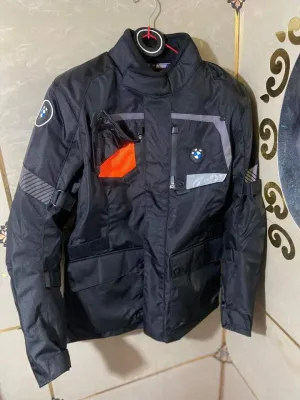
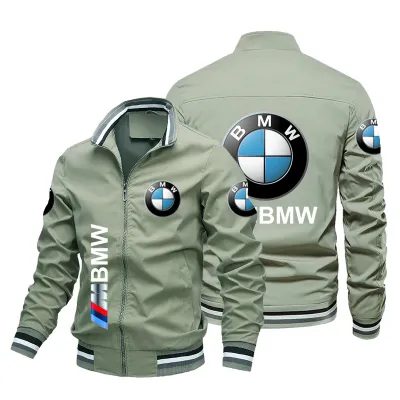
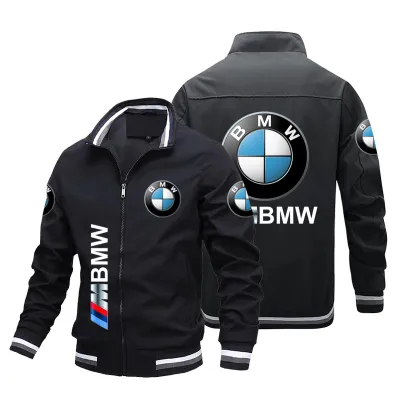
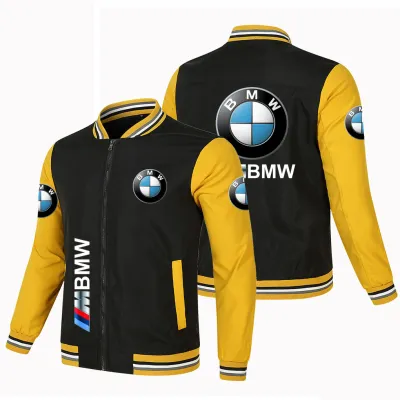
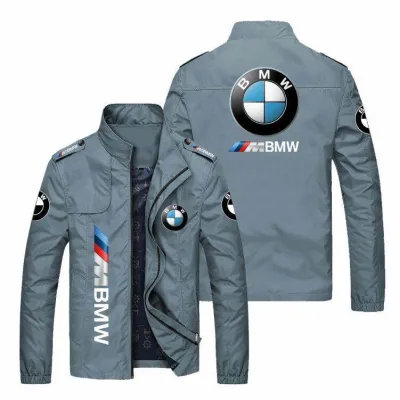
Prices are valid at publication and may change. Please refer to the product page for the latest price.
How to Verify Hot-Weather Features on BMW Motorcycle Jackets
Before purchasing a motorcycle jacket, you must look beyond the brand name and independently verify its hot-weather capabilities. Do not assume a premium price tag automatically guarantees comfort in 35°C heat with 80% relative humidity. Instead, conduct a physical and technical inspection of the garment’s design, materials, and labels.

First, check the jacket’s shell for large, dedicated mesh panels. These panels should occupy high-heat zones such as the chest, the inner arms, and the back. On genuine summer-weight gear, these mesh sections are built from high-tenacity polyester or polyamide threads woven into a highly porous structure. This design allows wind to pass through effortlessly while maintaining a strong barrier against abrasion.
Next, look for strategic air intake and exhaust vents. Even on lightweight textile jackets, zippered vents on the collarbone, biceps, or sides are critical. When riding, these intakes scoop up oncoming air, while corresponding exhaust vents on the back create a low-pressure vacuum that pulls hot, humid air away from your body. Ensure these zippers are robust, easy to operate with gloved hands, and stay propped open when unzipped.
Finally, inspect the internal manufacturer tags and product documentation. BMW categorizes its gear by intended climate use. Look for explicit designations such as “Summer,” “Warm Weather,” or “Hot Climates” on the product labels. If a jacket is labeled as “All-Weather” or “Three-in-One,” verify that the heavy waterproof and thermal layers can be completely removed, leaving behind a highly breathable core shell. If the shell itself is thick and non-perforated, it will trap heat regardless of how many vents you unzip.
Key Components for Balancing Airflow and Protection
Mesh Panels and Air Intakes
The primary mechanism for cooling in a tropical climate is evaporative sweat cooling, which requires continuous wind movement across your skin. Full-mesh jackets feature open-weave fabrics across the majority of the torso and sleeves, offering the highest possible ventilation. However, because mesh fabric inherently has lower abrasion resistance than solid heavy-duty textiles like Cordura or leather, premium manufacturers reinforce critical impact zones—such as the shoulders and elbows—with high-density, abrasion-resistant solid fabrics.
When evaluating a jacket’s mesh panels, check the product specifications for the denier rating (a measure of fiber thickness) of the mesh and the solid reinforcements. A higher denier rating (such as 500D or greater) on the impact zones ensures that you do not sacrifice structural integrity for airflow. Additionally, inspect the physical construction of the air intake and exhaust vents. High-quality vents often feature mesh backings and rigid piping or snaps to prevent the fabric from collapsing shut at highway speeds, ensuring a consistent cross-breeze.
Liner Management for Sudden Rain
Riding in the Philippines means preparing for sudden, torrential tropical downpours, especially during the monsoon season. Many premium motorcycle jackets feature removable waterproof membranes, such as Gore-Tex or proprietary breathable liners. While these liners are excellent for keeping you dry, they act as a solid barrier to airflow. Leaving a waterproof liner zipped inside your jacket on a dry, humid day will trap body heat and sweat, rapidly creating a sweltering sauna effect inside your gear.
To maintain comfort, treat these liners as temporary tools. Install them only when active rain begins, and remove them as soon as the weather clears. To manage sweat when the ambient humidity prevents natural evaporation, pair your jacket with a high-quality, synthetic moisture-wicking base layer. Avoid cotton t-shirts, which absorb and hold sweat, leading to chafing and rapid cooling when you finally hit open roads. A technical base layer pulls moisture away from your skin, allowing the jacket’s airflow to dry it efficiently.
Checking Armor and Garment CE Labels
Ventilation should never come at the expense of impact protection. When examining bmw motorcycle jackets, always verify the presence of CE-certified armor in the shoulders, elbows, and back. For hot-weather riding, look specifically for modern, perforated armor inserts (such as CE Level 1 or Level 2 protectors made from flexible, temperature-stable polymers). These protectors feature open honeycomb or lattice designs that allow air to pass directly through the armor zones, preventing hot spots on your joints.
Beyond individual armor pieces, inspect the overall CE garment certification label, which is typically sewn into the interior lining. This label rates the entire jacket’s protective capability under the EN 17092 standard, ranging from Class A (lightweight, urban riding) to Class AA (touring) and Class AAA (highest level of protection, typical of heavy leather). For daily city commuting in hot weather, a Class A or Class AA mesh jacket strikes an optimal balance, providing sufficient slide protection for urban speeds without choking off the airflow you need to stay alert and comfortable.
Matching Jacket Construction to Your Riding Environment
Your choice of jacket construction should align directly with your daily routes and typical riding speeds in the Philippines. The demands of stop-and-go traffic along EDSA in metropolitan Manila are vastly different from a high-speed weekend tour through the Marilaque Highway or the provincial scenic routes of Batangas.
For urban commuting, where speeds are low and traffic stops are frequent and prolonged, a full-mesh jacket is indispensable. In these slow-moving scenarios, your body relies entirely on whatever ambient air can filter through the garment. A heavy textile or leather jacket in this environment will quickly cause your core body temperature to spike, leading to fatigue, slower reaction times, and heat exhaustion. While a highly breathable Class A mesh jacket offers slightly less abrasion resistance than a heavy touring jacket, the reduction in heat-induced rider fatigue is a critical safety benefit in chaotic city traffic.
Conversely, if your riding consists primarily of high-speed provincial touring, expressways, or mountain passes, a reinforced textile jacket with extensive, zippered ventilation ports or a hybrid mesh-textile design is more appropriate. At sustained speeds of 80 km/h or higher, even small vents can scoop in a substantial volume of air to keep you cool, while the heavier textile chassis (often certified to Class AA) provides the superior abrasion resistance required for high-speed slides. Always weigh the trade-offs of your typical riding environment: prioritize maximum airflow for low-speed urban congestion, and step up to heavier, highly-vented hybrid constructions for high-speed highway travel.
Maintenance and Drying Tips for High-Humidity Conditions
The tropical humidity and frequent rain of the Philippines present unique challenges for gear maintenance. Sweat, body oils, and road grime trapped in your jacket’s fabric create a breeding ground for mold, mildew, and unpleasant odors. To preserve the structural integrity and hygiene of your premium gear, you must establish a consistent post-ride care routine.
Always check the specific care label on your jacket and the manufacturer’s instructions for your armor inserts before performing any cleaning. As a general rule, after a sweaty ride or an unexpected downpour, hang your jacket on a wide, heavy-duty plastic or wooden hanger in a well-ventilated, shaded indoor area. Never leave damp riding gear stuffed in a closet, gear bag, or top box, as this guarantees mold growth within 24 hours.
When the jacket requires washing, begin by removing all impact armor, waterproof membranes, and thermal liners. Hand-wash or machine-wash the outer shell strictly according to the manufacturer’s instructions, typically using a mild, liquid detergent free of fabric softeners or bleach, which can damage technical fibers and water-resistant coatings.
Avoid exposing your jacket to direct, intense sunlight or high-heat clothes dryers to speed up drying. Extreme heat and UV radiation can degrade the synthetic fibers of mesh panels, weaken the stitching at critical seams, and cause protective armor inserts to become brittle or misshapen. Instead, let the jacket air-dry naturally in a shaded spot with active airflow, perhaps aided by an indoor fan. Finally, periodically inspect all zippers, snaps, and metal hardware; wipe them down to remove salt buildup from sweat, and apply a light, manufacturer-approved lubricant if necessary to prevent humidity-induced corrosion.
Frequently Asked Questions (FAQ)
Is it safe to wear a mesh motorcycle jacket on the highway?
Yes, provided the jacket is specifically designed for motorcycle use and carries a certified CE rating (such as Class A or Class AA). While mesh panels offer lower abrasion resistance than heavy leather or thick 1000D textile fabrics, high-quality mesh jackets feature heavy-duty textile reinforcements on key impact zones like the shoulders and elbows. For sustained highway speeds, look for hybrid jackets that combine robust textile chassis structures with targeted mesh panels to balance safety and cooling.
How do I prevent my motorcycle jacket from developing odors in the humidity?
The most effective way to prevent odors is to wear a moisture-wicking synthetic base layer that prevents sweat and body oils from transferring directly to the jacket’s inner lining. After every ride, hang the jacket in a well-ventilated room to dry completely. If the manufacturer’s care label permits, you can occasionally spray the interior lining with a specialized, fabric-safe antibacterial or odor-eliminating spray designed for sports gear, ensuring it dries fully before your next ride.
Should I size up my jacket to improve airflow?
No, you should never size up your motorcycle jacket to increase airflow. A jacket that is too loose will allow the internal armor inserts to shift away from your elbows, shoulders, and back during a fall, leaving you unprotected during an impact. Additionally, loose fabric can flap violently at highway speeds, causing rider fatigue. Instead, buy a jacket that fits snugly and securely, and utilize the built-in sleeve adjusters, waist straps, and ventilation zippers to optimize airflow without compromising safety.
Community discussion
Share your experience or ask a question. Comments are reviewed before publication.