
Choosing the right wiper blades for your vehicle in the Philippines is not about finding a single, universally superior brand. Instead, the ideal choice between Bosch, 3M, and Denso depends on matching their specific blade designs—such as beam, hybrid, or conventional styles—and rubber or silicone compounds to your vehicle’s windshield curvature and your typical driving conditions. The intense tropical heat of the dry season followed by sudden, torrential monsoon downpours creates a harsh environment for automotive rubber, making compatibility and material choice far more important than brand reputation alone.
Before purchasing any replacement set, you must verify your vehicle’s model year, required blade dimensions, mounting position, and arm interface using your original vehicle documentation. Never infer compatibility solely from a generic category term or brand name. Selecting the wrong size or adapter can lead to poor contact, windshield damage, or sudden failure during a storm, compromising your safety on the road.
Key Factors for Wiper Performance in Heavy Downpours
To evaluate how a wiper blade will perform during extreme tropical rainfall, you must look past marketing claims and focus on verifiable technical specifications. The primary factor in a blade’s longevity and performance is its material composition. Natural rubber offers excellent initial flexibility and a clean wipe, but it degrades rapidly under the intense ultraviolet (UV) radiation and high ambient temperatures common in the Philippines. Synthetic rubber blends provide improved resistance to ozone cracking and heat. Silicone compounds represent a highly durable alternative; they withstand UV exposure exceptionally well and gradually deposit a thin, water-repellent layer on the glass, though they require meticulous windshield preparation to prevent skipping.
Products mentioned in this guide
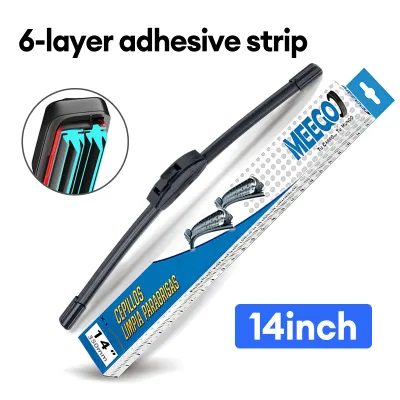
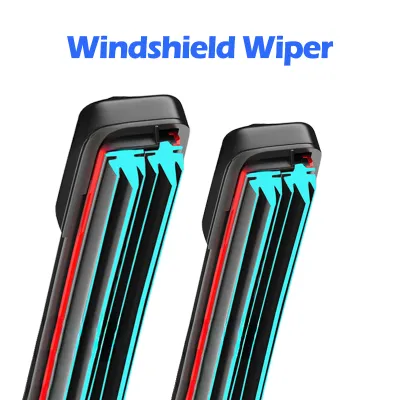
Prices are valid at publication and may change. Please refer to the product page for the latest price.
Aerodynamics also play a critical role when driving during severe storms. At highway speeds, the high-velocity wind passing over your hood can slip underneath conventional wiper frames, causing “blade lift” and reducing contact pressure. High-quality blades feature integrated aerodynamic spoilers that use the wind’s force to push the rubber firmly against the glass.
Finally, the blade must distribute pressure evenly across the entire sweep area. Windshields are rarely flat, and a blade that cannot conform to the glass’s curvature will leave wide streaks directly in your line of sight. Beam-style blades utilize internal curved steel rails to distribute pressure continuously, whereas conventional frames rely on a series of external claws that can create localized pressure points.
Bosch Wiper Blades: Features and Heavy Rain Suitability
Bosch wiper lines are widely recognized for their focus on beam-style technology and synthetic rubber compounds. When evaluating Bosch options, check the specific series packaging to identify whether the blades utilize their proprietary synthetic rubber blends, which are engineered to resist heat aging in tropical climates. Their beam-style offerings eliminate the external metal brackets found in conventional wipers, reducing the risk of frame corrosion and ensuring a more uniform pressure distribution across the glass.

If you frequently drive on expressways during heavy downpours, verify the presence of an integrated aerodynamic wind spoiler on the Bosch series you are considering. This design feature is crucial for maintaining stable contact with the windshield at higher speeds. Additionally, Bosch packaging typically details the specific adapter systems included. You must check your vehicle’s wiper arm type—such as a standard U-hook, pin arm, or bayonet—and cross-reference it with the provided adapter guide to ensure a secure, wobble-free installation.
3M Wiper Blades: Features and Heavy Rain Suitability
3M wiper products often emphasize advanced material coatings and silicone technologies designed to enhance wet-weather visibility. When examining 3M options, check the product label to determine if the blades feature a silicone element or a specialized water-repellent treatment. These formulations are designed to transfer a hydrophobic coating to the windshield during use, causing heavy rainwater to bead up and disperse quickly even before the wiper completes its sweep.
Using water-repellent or silicone blades requires strict adherence to the manufacturer’s preparation instructions. Many of these blades require a specific dry break-in or curing procedure, which typically involves running the new wipers on a completely clean, dry windshield for several minutes to establish the hydrophobic layer. Skipping this step can result in uneven coating transfer, leading to severe chattering and friction.
Furthermore, silicone and coated rubber elements are highly sensitive to existing surface contaminants. Before installing these blades, you must thoroughly clean the glass to remove any residual road grime, tree sap, or old wax treatments. If your windshield has an existing aftermarket glass sealant, verify compatibility on the wiper packaging, as combining different chemical treatments can cause severe smearing and reduce visibility in low-light conditions.
Denso Wiper Blades: Features and Heavy Rain Suitability
Denso is highly regarded for its hybrid wiper blade designs, which are frequently specified as original equipment on many Asian vehicle models. A hybrid design combines the robust, multi-point surface pressure of a traditional steel frame with the sleek, aerodynamic, fully enclosed shell of a beam blade. This structure is particularly effective for vehicles with highly curved windshields, as the internal pivot points allow the blade to conform precisely to complex glass shapes without lifting at the outer edges.
When inspecting Denso blades, look for specifications indicating a graphite-coated rubber edge. Graphite acts as a dry lubricant, significantly reducing friction between the rubber and the glass. This coating is highly beneficial in tropical climates where dry dust accumulation followed by sudden rain can cause untreated rubber to squeak, chatter, or skip across the windshield.
Because Denso produces both OEM-spec and aftermarket lines, you must verify the exact fitment standards and arm interface compatibility before purchase. Check the connector specifications on the box to ensure they match your vehicle’s original wiper arm design without requiring loose-fitting universal adapters, which can degrade wiping stability over time.
Comparison Matrix: Matching Brand Series to Your Driving Needs
To select the right wiper blade for your specific driving habits and vehicle setup, use the following conditional framework to guide your decision:
| Blade Type & Common Brand Association | Best Suited For | Key Advantage | Critical Verification Step |
|---|---|---|---|
| Beam-Style Designs (e.g., Bosch Series) | High-speed highway driving and modern, flatter windshields | Excellent aerodynamic stability; resists wind lift during storms | Verify the specific adapter matches your vehicle's wiper arm interface |
| Silicone/Coated Designs (e.g., 3M Series) | Drivers seeking long-term UV resistance and water-beading effects | Deposits a hydrophobic layer that helps shed heavy rain | Requires complete removal of old wax and a dry break-in run |
| Hybrid Designs (e.g., Denso Series) | Vehicles with highly curved windshields and OEM-style preferences | Combines frame pressure points with a protective aerodynamic shell | Confirm the connector matches original equipment specifications |
Before making your final choice, verify these three critical conditions:
- Windshield Curvature: Run your hand over your windshield; highly curved glass often performs better with hybrid or multi-point conventional frames, while flatter glass is ideal for beam blades.
- Existing Glass Treatments: If you already use an aftermarket rain-repellent liquid, avoid installing silicone blades unless the manufacturer explicitly states they are compatible, as the dual coatings can cause severe smearing.
- Wiper Arm Tension: Older vehicles may have weakened springs in the wiper arms. If your wiper arms have lost tension, a lightweight beam blade may not press firmly enough against the glass, whereas a heavier hybrid or conventional frame might maintain better contact.
To compare value effectively, check the price per blade in ₱ across authorized retail outlets against the manufacturer’s stated lifespan and warranty conditions printed on the packaging. A lower-priced conventional blade that requires replacement every six months due to tropical heat degradation may ultimately cost more over time than a premium silicone or hybrid blade designed to withstand prolonged UV exposure.
Installation and Maintenance for Maximum Monsoon Lifespan
Proper installation and regular upkeep are essential to ensure your selected wiper blades perform reliably throughout the wet season. Before installing your new blades, thoroughly clean your windshield. Use an automotive-approved glass cleaner or a mild clay bar to strip away road film, tree sap, bug splatter, and old wax residues. Cleaning the glass surface prevents these contaminants from embedding into the new rubber edge, which is a primary cause of premature tearing and skipping.
When installing the new blades, always consult your vehicle’s owner manual for specific instructions on releasing and securing the wiper arms. Use this checklist to ensure a safe installation:
- Place a soft towel over the bare metal wiper arm while the blade is removed; if the arm accidentally snaps down onto the glass without a blade, it can easily crack your windshield.
- Align the new blade adapter carefully with the wiper arm interface.
- Push the blade onto the arm until you hear or feel the locking mechanism fully engage.
- Gently tug the blade to verify it is securely locked in place.
- Test the wipe pattern using your vehicle's windshield washer fluid before driving in actual rain to ensure there are no missed spots or loose connections.
To maximize the lifespan of your blades in tropical conditions, never run the wipers on a dry windshield covered in dust or volcanic ash, as this will instantly abrade the rubber edge. Clean the rubber squeegee weekly by gently wiping it with a damp microfiber cloth to remove accumulated road grime. Finally, monitor your wipers for observable wear signals. If you notice persistent streaking, chattering noises, missed patches of water, or visible splitting and tearing of the rubber, replace the blades immediately to maintain safe driving visibility.
Frequently Asked Questions (FAQ)
How often should I replace my wiper blades in the Philippines?
You should generally inspect your wiper blades every six months and replace them as soon as they show signs of wear, rather than waiting for a specific calendar date. The intense UV exposure and high humidity in the Philippines accelerate the degradation of rubber compounds, leading to ozone cracking and hardening. Perform regular visual and performance checks; if the blades leave streaks, make chattering noises, or fail to clear water in a single pass during a downpour, they require immediate replacement to ensure your safety.
Can I use silicone wiper blades on any car windshield?
Yes, silicone wiper blades can be used on most standard car windshields, provided you thoroughly clean the glass and remove any existing rain-repellent sealants, waxes, or road oils beforehand. However, you must check your vehicle’s owner manual and the wiper packaging for specific warnings if your car features a heated windshield or has advanced driver assistance systems (ADAS) with optical sensors or cameras mounted directly behind the rearview mirror. Some sensor manufacturers advise against using water-repellent coatings that could alter the optical clarity of the glass in front of the camera lens.
Community discussion
Share your experience or ask a question. Comments are reviewed before publication.