
When a sudden tropical downpour hits during the afternoon rush hour, visibility can drop to near zero in seconds. Choosing the right wiper blades is a critical safety decision for navigating flooded streets, heavy spray from larger vehicles, and poorly lit roads. Bosch, Denso, and 3M each offer distinct engineering approaches to tackle these extreme conditions. The ideal choice depends on your vehicle’s specific windshield curvature, the wiper arm design, and how well the blade material resists the punishing combination of intense tropical UV rays and high humidity.
Evaluating Wiper Blade Performance in Heavy Rain
To maintain clear visibility during a severe tropical downpour, a wiper blade must excel in three distinct areas: water clearance, structural stability, and environmental durability. High water volume requires a blade that maintains consistent contact across the entire sweep without leaving micro-streaks. Even a tiny streak can refract oncoming headlight glare, severely compromising your vision during night drives. The blade must be capable of clearing large volumes of water instantly to prevent a dangerous film from forming over the glass.
Wind lift is another critical factor, especially when driving on open expressways during a storm. High winds and vehicle speed can create aerodynamic lift, pulling conventional wiper frames away from the glass. Aerodynamic profiles or beam designs help counteract this lift, keeping the rubber pressed firmly against the windshield to ensure continuous clearing. Without proper aerodynamic design, wipers can skip or lift entirely off the glass at highway speeds, leaving you blind at the worst possible moment.
Products mentioned in this guide
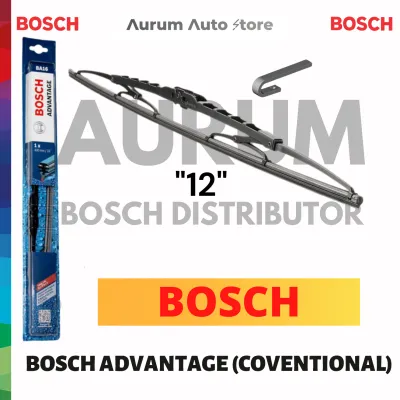
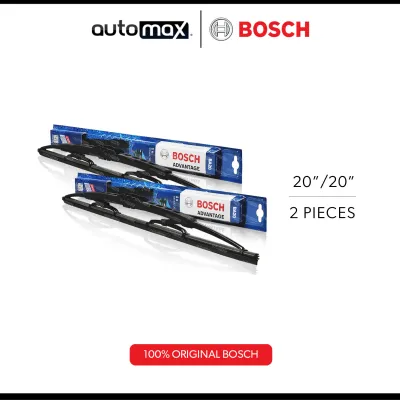
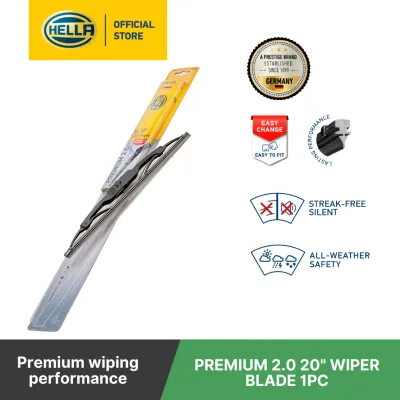
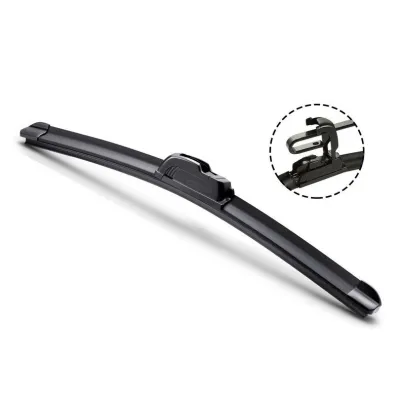
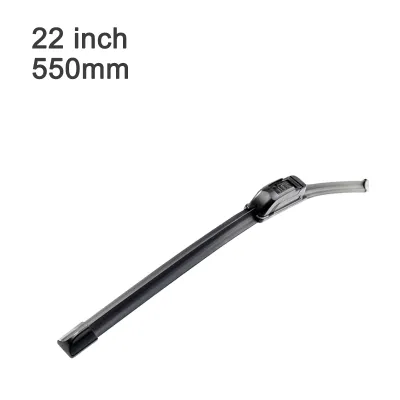
Prices are valid at publication and may change. Please refer to the product page for the latest price.
Finally, the tropical climate presents a unique challenge to wiper materials. Wiper blades spend most of their lives parked under intense, direct sunlight, which accelerates dry rot and cracking. High humidity and ambient heat can soften low-grade rubber compounds, leading to permanent deformation and noisy chattering when the rain finally arrives. A blade that performs well in cooler climates may quickly degrade under continuous exposure to tropical heat and UV radiation.
Bosch vs Denso vs 3M: Design and Technology Differences
While all three brands aim to keep your windshield clear, they approach the challenge from different engineering philosophies. Understanding these differences in design, frame construction, and material composition helps you match the blade to your driving environment and vehicle type.

Bosch Wiper Blades
Bosch is widely recognized for pioneering beam-style, or frameless, wiper technology. Unlike traditional bracketed wipers that rely on external pressure points, beam blades feature an internal tensioned steel strip. This design distributes pressure evenly across the entire length of the blade, allowing it to conform precisely to modern, highly curved windshields. Common product lines, such as the Bosch Aerotwin or Clear Advantage, showcase this frameless approach.
Many Bosch product lines incorporate dual-rubber compounds, combining a soft wiping edge for quiet operation with a hard-wearing base to resist tearing. Additionally, integrated aerodynamic spoilers use the oncoming wind to increase downforce, reducing the risk of wind lift at highway speeds. This combination of even pressure and aerodynamic design makes them highly effective at handling sudden, high-volume downpours.
When selecting these blades, it is important to check the product packaging for specific weather-resistant coatings, such as graphite or proprietary synthetic treatments. These coatings help reduce friction and prevent chattering on dry or lightly misted glass, which is common when light showers alternate with intense tropical heat.
Denso Wiper Blades
Denso has a long-standing reputation as a primary Original Equipment Manufacturer (OEM) supplier for many Asian vehicle brands. Their design philosophy centers on restoring or maintaining the exact factory specifications of your vehicle, ensuring seamless integration and reliable performance. If your vehicle came with high-quality wipers from the factory, there is a strong chance they were manufactured by Denso.
The brand is particularly known for its hybrid wiper blades, which combine the aerodynamic, fully enclosed profile of a beam blade with the robust internal pivoting structure of a conventional frame. This hybrid design features a rigid metal skeleton encased in a sleek plastic shell, providing the heavy-duty wiping pressure needed to clear thick tropical downpours while maintaining a low-profile appearance.
To ensure compatibility, always verify the packaging for OEM-equivalent part numbers. This step guarantees that the blade’s curvature, length, and mounting clip match your vehicle’s original wiper arm configuration perfectly, preserving the factory-engineered wiping dynamics.
3M Wiper Blades
3M leverages its extensive background in material science and chemical adhesives to produce wiper blades focused on durability and friction reduction. Rather than relying solely on traditional natural rubber, 3M emphasizes specialized synthetic rubber formulations designed to withstand extreme environmental exposure. This focus on advanced materials makes them a strong contender for vehicles parked outdoors.
These synthetic compounds are engineered to resist the degrading effects of intense UV radiation, ozone, and high ambient temperatures common in tropical regions. Many of their blades feature proprietary edge coatings that minimize friction, allowing the blade to glide smoothly across the glass even when the windshield is coated with road grime, dust, or water-repellent treatments.
Before purchasing, review the manufacturer’s specifications on the packaging to verify the temperature and UV tolerance ratings. This ensures the material is rated for continuous exposure to harsh tropical sunlight, preventing the rubber from hardening prematurely and losing its flexibility.
Decision Framework: Which Brand Should You Choose?
Selecting the right brand requires balancing your vehicle’s design with your driving habits. If your car features a modern, highly curved windshield and you prefer a sleek, minimalist aesthetic, Bosch’s beam-style blades are an excellent choice. Their even pressure distribution helps eliminate missed spots on curved glass surfaces, making them ideal for modern sedans and crossovers.
If you drive a vehicle that came equipped with hybrid wipers from the factory, Denso is often the most straightforward choice. Opting for Denso allows you to maintain the vehicle’s original aerodynamic profile and structural fitment without relying on universal adapters that might alter the wiper’s height or angle. This is particularly beneficial for Japanese and Korean vehicles designed around Denso’s OEM specifications.
For drivers whose vehicles are parked outdoors under direct sunlight daily, 3M’s focus on material science and UV-resistant synthetic rubber offers a compelling solution. The specialized coatings help extend the blade’s service life in environments where standard natural rubber would quickly dry out, crack, and begin to chatter against the glass.
Keep in mind that none of these brands may fit your vehicle if it utilizes a proprietary wiper arm connector that is not supported by standard aftermarket adapters. Always verify the connector type and check the adapter compatibility list on the back of the product packaging before making a purchase to avoid compatibility issues.
Verifying Fitment and Installation Safety
Before purchasing any new wiper blades, you must verify physical compatibility with your vehicle. Start by measuring the exact length of both the driver-side and passenger-side blades. Many modern vehicles use asymmetrical setups, where the driver-side blade is significantly longer than the passenger-side blade to maximize the cleared viewing area. Do not assume both sides are identical.
Next, identify the correct adapter type required for your wiper arms. While many older vehicles use a standard U-hook or J-hook connector, newer models often feature specialized designs such as side pins, pinch tabs, or push buttons. Refer to your vehicle’s owner’s manual to confirm the exact mounting interface and ensure the replacement blades include the corresponding adapter.
Before mounting the new blades, carefully inspect the metal wiper arms for any signs of wear, corrosion, or bending. A bent wiper arm will prevent even a new, high-quality blade from making proper contact with the glass, resulting in persistent streaking. Additionally, check the arm’s pivot point to ensure it moves freely without binding.
Safety is paramount during installation. The spring-loaded metal wiper arm can snap down onto the bare windshield with significant force if released accidentally, easily cracking the glass. Always place a folded towel over the windshield while the wiper blade is removed to cushion any accidental impact. If you notice that the wiper arm’s spring tension feels unusually weak or stiff, or if you feel uncomfortable with the installation process, stop immediately and consult a qualified professional.
Routine Maintenance for Monsoon Conditions
To maximize the lifespan and performance of your wiper blades during the wet season, establish a simple maintenance routine. Periodically lift the wiper arms and gently wipe the rubber element with a clean, damp microfiber cloth. This removes accumulated road film, tree sap, and airborne dust that can degrade the rubber edge and cause scratching on the glass.
While cleaning, inspect the rubber element closely for any visible signs of damage. Look for small cracks, splits along the wiping edge, or permanent bending of the rubber lip. If the rubber has lost its flexibility or shows physical tearing, it can no longer clear water safely and must be replaced immediately to maintain road safety.
Keeping the windshield glass clean is equally important. Road oils, wax residues from car washes, and environmental fallout can create a hazy film that causes wiper blades to skip or chatter. Use a dedicated glass cleaner that is safe for automotive glass, ensuring you follow the manufacturer’s instructions regarding application, protection, and ventilation. Avoid using harsh household detergents that can degrade the rubber elements or damage your vehicle’s paint.
If persistent streaking, skipping, or chattering continues even after thoroughly cleaning both the glass and the wiper blades, it is a clear indication that the rubber compound has degraded. In such cases, the blades require immediate replacement to ensure you have clear visibility during the next sudden downpour.
Frequently Asked Questions (FAQ)
How often should I replace my wiper blades?
Rather than relying on a strict calendar schedule, you should base your replacement interval on observable wear and performance. In tropical climates, the combination of intense UV exposure and heavy seasonal rainfall can degrade rubber compounds faster than in temperate regions. Inspect your blades regularly for physical signs of dry rot, tearing, or loss of flexibility. If you notice persistent streaking, squeaking, or missed spots during a downpour, it is time to install a new set to ensure driving safety.
Can I use silicone wiper blades instead of standard rubber?
Silicone wiper blades generally offer greater resistance to UV radiation and extreme temperatures compared to standard natural rubber, which can extend their service life in sunny climates. However, before upgrading, you should check your vehicle manufacturer’s guidelines to ensure compatibility with silicone elements. Additionally, verify the specific product label for water-repellent claims, as some silicone blades deposit a thin hydrophobic layer on the glass that may interact differently with existing windshield treatments or rain sensors.
Community discussion
Share your experience or ask a question. Comments are reviewed before publication.