
Upgrading your Yamaha NMAX V1 cooling system with an aftermarket BRD radiator requires careful physical verification before purchase. While many aftermarket radiators are designed to fit specific scooter models, variations in production batches, mounting brackets, and hose alignments mean compatibility is never guaranteed out of the box. To prevent engine overheating, coolant leaks, or structural interference under the tropical riding conditions of the Philippines, you must systematically verify the physical dimensions, mounting points, and plumbing connections of the specific radiator unit against your scooter’s original equipment manufacturer (OEM) specifications.
Pre-Purchase Compatibility Verification Checklist
Before purchasing an aftermarket radiator, you must physically measure and compare the mounting bracket spacing and bolt hole diameters of the new unit against your NMAX V1’s chassis mounting points. Even minor deviations in bracket alignment can prevent secure mounting, leading to excessive vibration that can crack the radiator core over time.
Next, verify that the inlet and outlet hose connection diameters on the aftermarket radiator match your stock coolant hoses exactly. Using makeshift adapters or forcing mismatched hoses onto the ports increases the risk of high-pressure coolant leaks, which can lead to sudden engine failure on the road.
Products mentioned in this guide
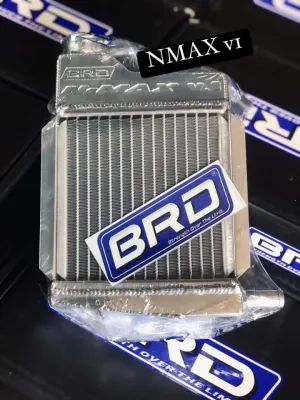
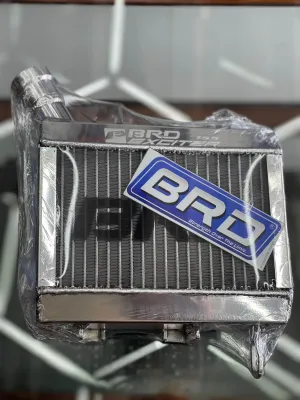
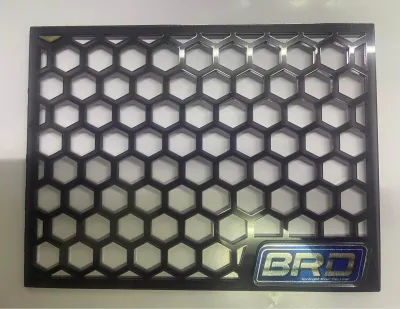
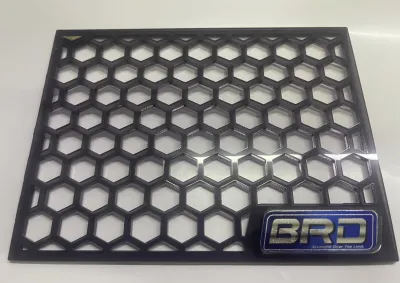
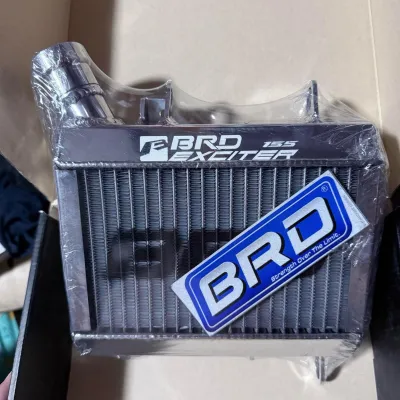
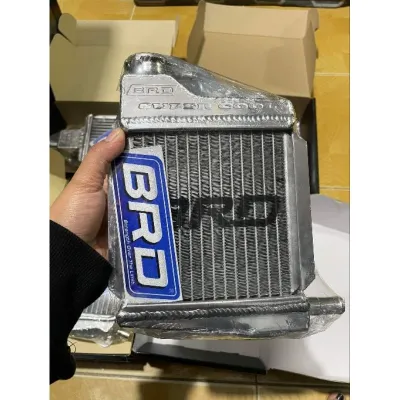
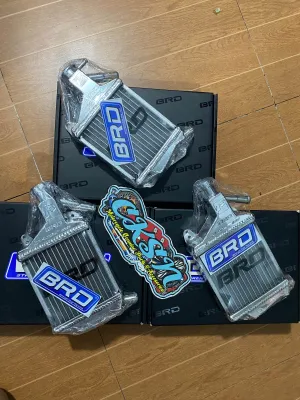
Prices are valid at publication and may change. Please refer to the product page for the latest price.
You should also check the manufacturer’s documentation for the radiator’s total coolant capacity and flow direction. Ensure these specifications align with the NMAX V1’s cooling system design to maintain proper thermal regulation under high ambient temperatures.
Finally, review the overall physical dimensions of the radiator unit. Confirm there is adequate clearance between the radiator body and surrounding components, including the front fairing, exhaust headers, and steering column, to prevent heat damage or physical friction during steering.
Installation and Mounting Considerations
Working on your motorcycle’s cooling system carries inherent safety risks, so you must always perform these tasks when the engine is completely cold to avoid severe burns. Before beginning the installation, consult your Yamaha NMAX V1 service manual for the exact torque specifications required for all mounting bolts and hose clamps.

To prevent airlocks—which block coolant flow and cause rapid engine overheating—you must follow a precise bleeding procedure. After draining the old coolant safely, fill the new radiator slowly, run the engine with the radiator cap off to allow trapped air bubbles to escape, and top off the fluid as specified in your service manual.
If you find that installing the aftermarket radiator requires modifying the mounting brackets, routing hoses in an unnatural curve, or trimming the inner fairings, stop immediately. These modifications can compromise the structural integrity of your scooter or pinch vital lines, meaning you should consult a qualified motorcycle mechanic to complete the installation safely.
Always replace old seals with new, manufacturer-recommended O-rings or crush washers at every plumbing connection. Reusing worn seals is a primary cause of slow coolant leaks that can go unnoticed until the engine temperature rises dangerously.
Identifying Fitment Issues and Troubleshooting
Once the radiator is mounted and filled, perform a thorough static visual inspection before starting the engine. Check all hose joints, weld seams, and drain plugs for any signs of moisture or micro-leaks, ensuring every connection is completely dry.
Start the engine and let it idle in a well-ventilated area while closely monitoring your dashboard temperature gauge. Gradually rev the engine slightly once it reaches operating temperature to verify that the coolant circulates properly and the temperature remains within the normal operating range.
If you observe coolant pooling under the scooter, steam rising from the radiator core, or the high-temperature warning light illuminating on your dashboard, shut down the engine immediately. Do not attempt to ride the motorcycle under these conditions; instead, seek professional diagnostic assistance to identify the source of the failure.
Sourcing and Warranty Verification
To ensure you receive an authentic BRD radiator, purchase only from official brand stores or authorized dealers on reputable online marketplaces. Carefully verify the manufacturer part numbers and inspect the packaging security upon delivery to confirm the product has not been tampered with or damaged during transit.
Before opening any sealed internal packaging, review the manufacturer’s warranty terms in detail. Most aftermarket cooling warranties cover clear manufacturing defects but explicitly exclude damage caused by improper self-installation, modifications, or track racing.
Keep all purchase receipts, invoices, and the original packaging intact during the initial dry-fit stage of installation. If you discover a physical mismatch or alignment issue before filling the radiator with coolant, having the original packaging undamaged will make the return or exchange process much smoother.
Frequently Asked Questions (FAQ)
Do I need to upgrade the water pump when installing an aftermarket radiator?
The stock water pump on the Yamaha NMAX V1 is engineered to handle the flow rates and core volumes of the OEM cooling system. Before installing an aftermarket radiator, check its flow resistance and fluid capacity specifications against the limits of your stock pump. If the aftermarket radiator has a significantly larger volume or more restrictive cooling passages, consult a qualified technician to determine if a high-flow water pump upgrade is necessary.
Can I use the stock NMAX V1 coolant with a BRD radiator?
Most aluminum aftermarket radiators are chemically compatible with standard ethylene glycol-based motorcycle coolants. However, you must never mix different coolant colors or chemical formulations, as this can cause gelation, clogging, and severe engine damage. Always verify the recommended coolant type on the radiator’s product label or manufacturer documentation before filling the system.
Will installing a non-OEM radiator void my motorcycle's warranty?
Installing a non-OEM radiator can void your motorcycle’s powertrain warranty if a subsequent engine failure is directly linked to the aftermarket cooling component. To understand your coverage, review your Yamaha warranty booklet or consult an authorized dealer before making any modifications. It is also wise to retain your original OEM radiator in good condition so you can return the scooter to its factory specifications if needed.
Community discussion
Share your experience or ask a question. Comments are reviewed before publication.