
When upgrading or replacing motorcycle brakes, riders often debate whether premium brands like Brembo deliver noticeably better stopping power compared to OEM or alternative manufacturers. The reality is that there is no single brand that universally outperforms all others for every riding scenario. Braking performance depends heavily on the complete system setup, including piston configuration, master cylinder matching, and pad compounds. While Brembo is renowned for track-focused modulation and premium build quality, established OEM suppliers and alternative brands often provide exceptional reliability, direct bolt-on fitment, and better value for daily commuting.
In the tropical climate of the Philippines, where riders frequently face intense heat, sudden downpours, and congested stop-and-go traffic, choosing the right brake caliper requires balancing performance with practical maintenance. A high-end caliper will not automatically make a motorcycle stop faster if the rest of the system is mismatched or poorly maintained. Understanding how these components interact is the first step toward making an informed, safe decision for your motorcycle.
Understanding Caliper Performance: What Actually Improves Stopping Power?
To understand how different caliper brands compare, it is essential to look at the mechanical factors that dictate braking performance. The primary job of a brake caliper is to convert hydraulic pressure from the master cylinder into mechanical clamping force on the brake disc. This process is influenced by several design choices, starting with the piston configuration.
Products mentioned in this guide
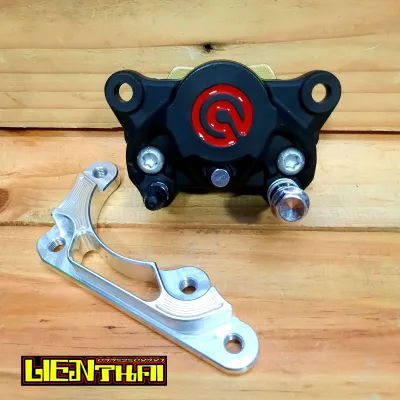
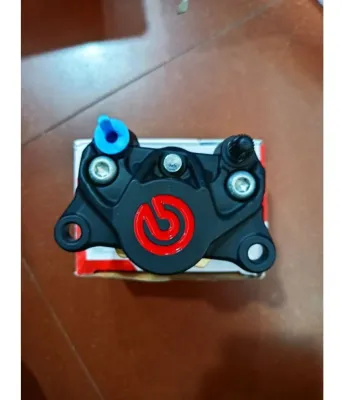
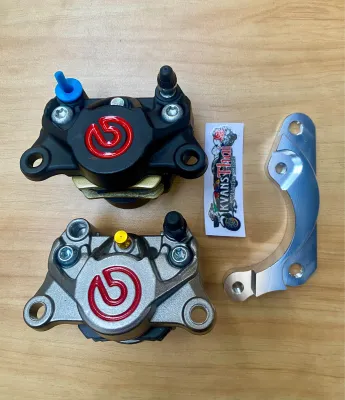
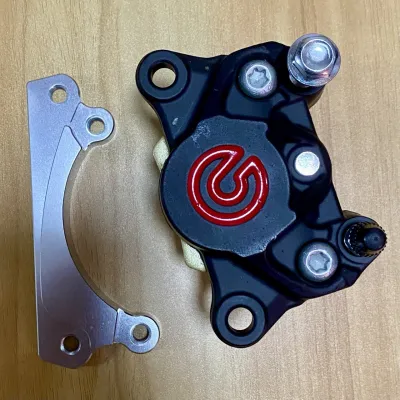
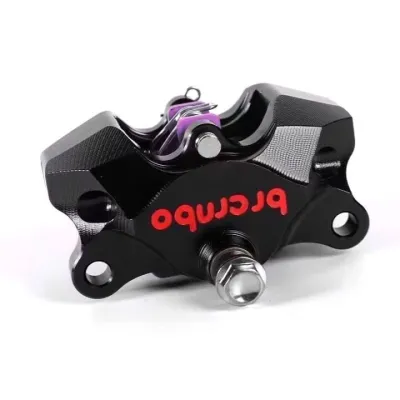
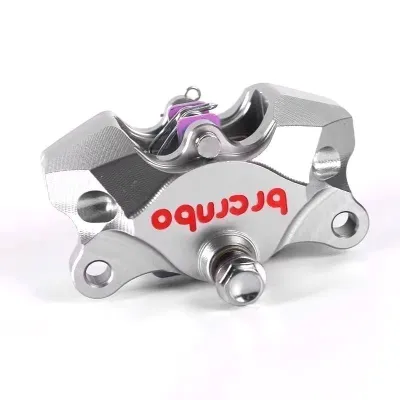
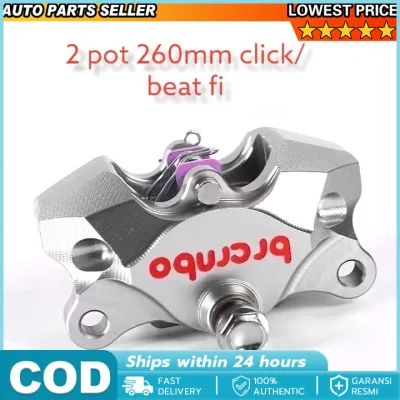
Prices are valid at publication and may change. Please refer to the product page for the latest price.
Calipers typically feature either a two-piston or four-piston design. A four-piston caliper distributes hydraulic pressure across a larger surface area of the brake pad compared to a two-piston design. This even distribution helps prevent uneven pad wear, reduces taper wear, and provides a more consistent, progressive feel at the handlebar lever. However, more pistons also mean more internal seals and a larger volume of brake fluid to displace, which directly impacts how you must set up the rest of your braking system.
The manufacturing method of the caliper body also plays a critical role in performance. Calipers are generally produced using one of three methods: casting, forging, or machining from billet aluminum. Cast calipers are the most common and cost-effective, suitable for daily riding but prone to slight flexing under extreme, high-temperature braking. Forged and billet calipers offer significantly higher structural rigidity. This rigidity ensures that when you squeeze the brake lever, the caliper body does not flex outward, allowing almost all hydraulic force to be directed onto the brake rotor for maximum stopping power.
Furthermore, heat dissipation is a vital factor, especially during long descents or high-speed riding in humid, tropical environments. Rigid, high-quality caliper bodies dissipate heat more efficiently, preventing the brake fluid from boiling. When brake fluid boils, it introduces gas bubbles into the system, leading to a dangerous condition known as brake fade, where the lever feels spongy and stopping power drops dramatically.
Finally, stopping power is highly dependent on the friction coefficient of the brake pads. Sintered metal pads offer excellent bite and perform well under high temperatures, but they require some heat to reach optimal efficiency and can wear down brake discs quickly. Organic or semi-metallic pads offer a gentler initial bite and quieter operation, making them highly suitable for wet weather and daily commuting, though they are more prone to fading under sustained heavy use.
Brembo Calipers: Performance Profile and Ideal Use Cases
Brembo has established a reputation as a benchmark for high-performance braking systems, primarily due to its focus on track-oriented engineering and precise modulation. Modulation refers to the rider’s ability to finely control the amount of braking force applied, allowing for smooth deceleration right at the limit of tire traction. This characteristic is highly valued by track riders and sportbike enthusiasts who need to trail-brake into corners without upsetting the motorcycle’s chassis.

However, installing a premium caliper comes with significant financial considerations. Genuine Brembo components carry a premium price tag in Philippine Pesos (₱), and this cost extends beyond the initial purchase. Replacement brake pads, piston seals, and rebuild kits are generally more expensive and harder to source quickly compared to standard OEM parts. For a daily commuter, this premium cost may not translate into a practical benefit on congested city streets where high-speed modulation is rarely utilized.
To achieve the performance benefits associated with a Brembo caliper, you must also consider the supporting hardware. Running a high-performance caliper with stock, aging rubber brake lines often results in a disappointing, spongy lever feel because the rubber lines expand under the increased hydraulic pressure. To prevent this, riders typically need to install stainless steel braided brake lines.
Additionally, high-performance calipers demand high-quality brake fluid that must be flushed regularly. In humid environments, brake fluid absorbs moisture from the air over time, which lowers its boiling point. Maintaining a premium braking system requires a commitment to strict maintenance intervals, using fresh fluid from sealed containers, and regularly inspecting the caliper pistons for dirt and debris that can damage the delicate high-performance seals.
Alternative Caliper Brands: Value and Daily Riding Focus
For the majority of riders, established OEM suppliers like Nissin, Tokico, and Advics offer an exceptional balance of reliability, performance, and value. These manufacturers supply the original braking systems for major Japanese and European motorcycle brands, meaning their products are engineered to meet strict safety and durability standards under a wide range of operating conditions.
One of the greatest advantages of choosing an OEM-style caliper from brands like Nissin or Tokico is direct bolt-on compatibility. These calipers are designed to fit specific motorcycle models perfectly, utilizing the original mounting points, brake disc diameters, and master cylinder ratios. This eliminates the need for aftermarket adapter brackets, reducing the complexity of the installation and minimizing the risk of alignment errors that can compromise safety.
From a maintenance perspective, alternative and OEM brands are highly practical for riders in the Philippines. Replacement brake pads, seal kits, and service parts are widely available in local motorcycle shops across the country. Whether you are commuting daily through Manila traffic or touring remote provinces, finding a compatible set of brake pads is straightforward and affordable, ensuring your motorcycle remains roadworthy without long delays for imported parts.
While aftermarket alternative brands offer budget-friendly upgrade options, riders must exercise caution. It is critical to verify the manufacturer’s specifications, material quality, and local warranty support before purchasing. Opting for unbranded or lesser-known aftermarket calipers solely based on a low price can compromise your safety, as these products may not undergo the rigorous stress testing and quality control standard among established OEM suppliers.
Critical Compatibility and Safety Checks Before Upgrading
Upgrading your motorcycle’s braking system is a critical safety modification. Because brakes are your primary safety device, any errors in component selection or installation can lead to catastrophic failure. Before purchasing any aftermarket caliper, you must verify several compatibility factors against your vehicle’s specific documentation.
First, identify the mounting configuration of your motorcycle’s front forks. Motorcycles use either axial (where bolts run perpendicular to the wheel) or radial (where bolts run parallel to the wheel) mounting systems. You must ensure the new caliper matches this mounting style. If you are using an adapter bracket to mount a radial caliper onto an axial fork, the bracket must be precision-engineered for your exact motorcycle model and year to ensure the caliper sits at the correct height and angle relative to the brake disc.
Second, check the physical clearance around the wheel. High-performance multi-piston calipers are often wider than stock units. You must verify that the inner face of the caliper does not come into contact with the wheel spokes or the wheel rim itself. Furthermore, if your motorcycle is equipped with an Anti-lock Braking System (ABS), you must ensure that the new caliper and any mounting brackets do not interfere with the ABS sensor ring or the sensor’s alignment, as any obstruction can disable the ABS and trigger a system fault.
Finally, prioritize professional installation. All brake modifications must be performed by a qualified mechanic who can ensure that all fasteners are tightened to the manufacturer’s exact torque specifications using a calibrated torque wrench. After installation, the entire hydraulic system must be thoroughly bled to remove all air. Even a tiny air bubble trapped in the brake lines will compress under pressure, resulting in a sudden, dangerous loss of braking force when you need it most.
How to Choose the Right Caliper for Your Motorcycle
Selecting the right brake caliper comes down to a realistic assessment of your riding style, budget, and technical requirements. There is no benefit in paying a premium for a track-focused caliper if your daily riding consists of low-speed city commuting where an OEM caliper performs reliably and cost-effectively.
Consider upgrading to a premium brand like Brembo if you regularly participate in track days, ride a high-displacement sportbike aggressively, or demand the absolute highest level of lever modulation and feedback. If you choose this path, be prepared to invest in a complete system upgrade, including a matching master cylinder, stainless steel braided lines, and high-quality brake fluid, alongside committing to more frequent and costly maintenance.
Conversely, stick with or choose established alternative brands like Nissin or Tokico if you prioritize daily reliability, straightforward bolt-on installation, and affordable long-term maintenance. These brands provide predictable, highly effective stopping power that is more than adequate for street riding, touring, and daily commuting, while offering the peace of mind that comes with readily available replacement parts.
Before making any final purchase, always consult your motorcycle’s manual and verify local parts availability. Ensure that any aftermarket caliper you select is fully compatible with your bike’s ABS system and wheel clearance, and always budget for professional installation to guarantee your safety on the road.
Frequently Asked Questions (FAQ)
Do I need to upgrade my master cylinder when installing aftermarket calipers?
Yes, in many cases, upgrading to a caliper with larger or more pistons requires a matching master cylinder upgrade. The master cylinder must displace the correct volume of brake fluid to push the caliper pistons outward effectively. If your master cylinder is too small for the new caliper, the lever will feel spongy and may pull all the way to the handlebar grip before the brakes engage. If the master cylinder is too large, the lever will feel extremely stiff and have almost no travel, making the brakes highly sensitive and difficult to modulate safely. Always check the manufacturer’s fluid displacement recommendations and sizing charts before purchasing.
Are fake or counterfeit Brembo calipers a safety risk?
Yes, counterfeit calipers pose an extreme, life-threatening safety risk. These imitation parts are often sold on online marketplaces at unusually low prices in Philippine Pesos (₱) and lack the structural integrity of genuine components. Counterfeit calipers are typically made from inferior cast alloys that can flex, crack, or suffer catastrophic structural failure under the high pressures and temperatures generated during emergency braking. They also use low-grade internal seals that are prone to sudden fluid leaks, leading to an immediate loss of braking pressure. Always purchase braking components from authorized dealers and verify the product’s authenticity using the manufacturer’s official security codes or registration cards.
Community discussion
Share your experience or ask a question. Comments are reviewed before publication.