
Finding budget-friendly kids’ sunscreen for a road trip in the Philippines involves balancing cost-effective packaging, high-volume formats, and essential safety certifications like broad-spectrum SPF 30 or higher. You do not need to buy the most expensive premium brands to protect your children from intense tropical UV rays; instead, focus on verifying active ingredients, choosing standard family-sized lotions over pricey sprays, and applying the product systematically during your journey.
Long drives along major expressways or winding roads to high-altitude destinations expose young passengers to continuous solar radiation through side windows. Protecting their sensitive skin from tropical heat and humidity requires a strategic approach to sun care that fits a family travel budget.
Identify Baseline Sun Protection Needs for Road Trips
Children have thinner, more delicate skin barriers that absorb and react to environmental stressors more rapidly than adult skin. This vulnerability makes reliable, non-irritating UV protection a necessity rather than an optional luxury during long travel days.
Products mentioned in this guide
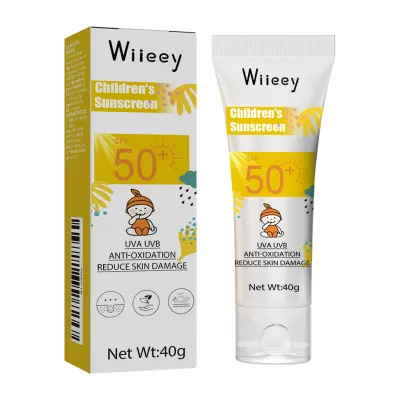
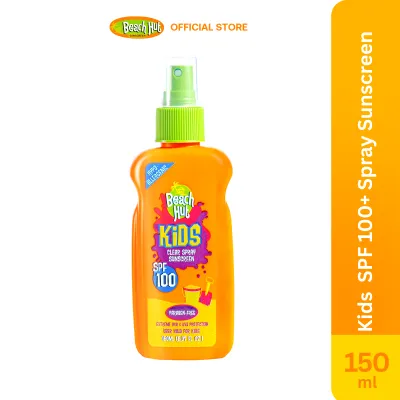
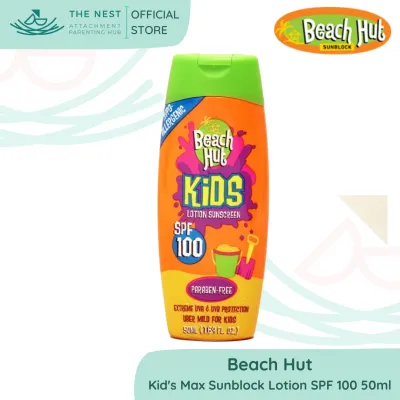
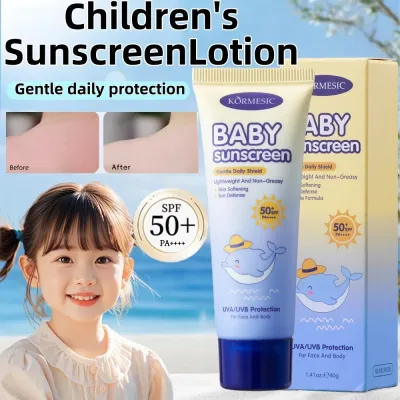
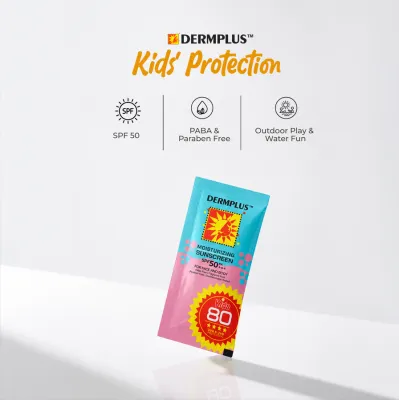
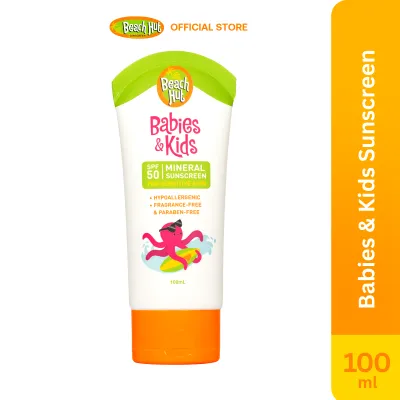
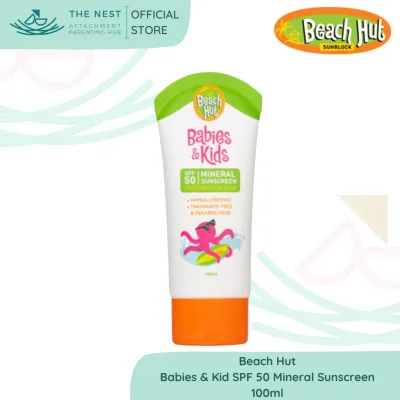
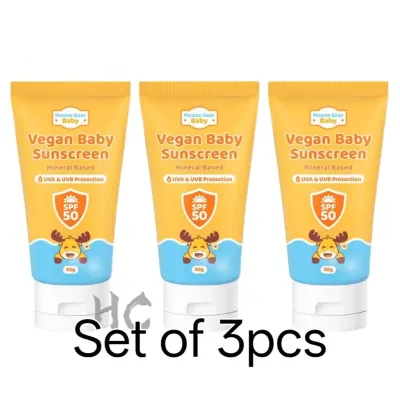
Prices are valid at publication and may change. Please refer to the product page for the latest price.
Many parents assume that being inside a vehicle provides complete protection from the sun. However, while laminated windshields block most UVB rays, standard tempered side and rear windows allow significant amounts of UVA rays to penetrate the cabin. This continuous exposure, combined with intense solar reflection during stops at coastal viewpoints or high-altitude rest areas, can quickly lead to skin damage.
To ensure adequate protection, look for products explicitly labeled “broad-spectrum,” which indicates defense against both UVA and UVB rays. Pediatricians generally recommend a minimum of SPF 30 for daily outdoor activities, and this threshold is particularly critical under the intense tropical sun of the Philippines.
Prioritize Essential Features and Acceptable Trade-Offs
When shopping on a budget, certain features cannot be compromised. Broad-spectrum protection is mandatory to prevent deep cellular damage and surface burns. Water and sweat resistance is also essential to withstand the high humidity of tropical road trips and active play during rest stops. Additionally, look for formulas labeled as hypoallergenic or pediatrician-tested to minimize the risk of contact dermatitis.

To keep costs down, look past marketing gimmicks. Choosing standard, plain packaging over bottles featuring licensed cartoon characters can instantly lower the purchase price. Opting for basic unscented formulas rather than premium, specialty fragrance-free lines is another practical compromise, provided your child does not have specific fragrance allergies.
The format of the sunscreen heavily influences its overall cost-effectiveness. Standard lotions are generally the most budget-friendly option per milliliter, offering precise application with minimal product waste. Roll-ons are convenient for quick touch-ups on the face but often carry a higher unit price. Aerosol sprays, while popular for rapid application, are highly inefficient because wind can blow away a significant portion of the product during outdoor application, and they run out much faster than traditional lotions.
Execute Smart Shopping Strategies for Maximum Value
Do not let the shelf price fool you. Always calculate the cost per milliliter by dividing the total price by the volume of the container. Purchasing larger family-size bottles almost always yields a lower unit cost than buying multiple travel-size minis, allowing you to secure better value for the entire trip.
Compare prices across local physical pharmacies, large supermarket chains, and official brand storefronts on reputable e-commerce platforms. Buying from official online flagship stores during major monthly sales often provides access to legitimate bulk discounts and bundle deals that are unavailable in physical retail outlets.
Many manufacturers charge a premium for products labeled specifically for babies or infants. You can often avoid this price markup by verifying the active ingredients on standard kids’ formulas. If the active ingredients, concentration levels, and safety certifications match, the standard kids’ version is usually a more economical choice that offers identical protection.
When purchasing discounted, clearance, or bulk stock, always inspect the packaging for expiration dates and intact safety seals. Sunscreen active ingredients degrade over time, and using an expired product can leave your child unprotected against intense tropical UV rays.
Manage Application and Reapplication Inside the Vehicle
Apply the sunscreen to your child’s exposed skin at least 15 to 30 minutes before leaving the house or starting the drive. This buffer period allows the active ingredients to bind properly to the skin barrier, ensuring full protective efficacy the moment you step out into the sun.
Establish a consistent reapplication routine during the road trip. Set a phone alarm or use distance milestones—such as major toll plazas or scheduled fuel stops—to remind you to reapply sunscreen every two hours, or more frequently if the children are sweating or playing in water during rest stops. Pay close attention to arms, legs, and faces positioned next to sun-facing passenger windows.
When reapplying sunscreen inside the vehicle cabin, stick to lotions or solid sticks. Avoid using aerosol sprays inside the car; the airborne particles can coat the vehicle’s interior surfaces, create slippery films on windows, clog cabin air filters, and pose inhalation risks to passengers in the enclosed space.
Verify Safety and Manage Skin Sensitivities
Before committing to a new, budget-friendly sunscreen for a long trip, perform a patch test. Apply a small pea-sized amount of the product to a discreet area of your child’s skin, such as the inner forearm or behind the ear, at least 48 hours before departure. Monitor the area for any signs of redness, swelling, or irritation.
Carefully read the ingredient list to identify potential irritants, especially if your child has a history of eczema, asthma, or highly sensitive skin. Mineral active ingredients like zinc oxide and titanium dioxide are generally less likely to trigger allergic reactions compared to certain chemical UV filters.
If your child develops redness, itching, swelling, or a rash during the road trip, immediately discontinue use of the product. Gently wash the sunscreen off the skin using clean water and a mild soap, keep the child out of direct sunlight using physical barriers like long sleeves or window shades, and consult a healthcare professional or pediatrician at the nearest medical facility.
Frequently Asked Questions (FAQ)
Can I use adult sunscreen for my child if I run out?
Adult sunscreens often contain ingredients that are unsuitable for young, sensitive skin. These can include high concentrations of denatured alcohol to speed up drying, strong synthetic fragrances, or complex anti-aging additives. If you run out of pediatric sunscreen in an emergency, you may temporarily use a basic, fragrance-free adult mineral sunscreen that relies solely on zinc oxide or titanium dioxide. However, you should absolutely avoid adult formulas that contain chemical filters like oxybenzone or high concentrations of salicylic acid, as these can easily penetrate a child’s thin skin barrier and cause severe irritation.
Do car windows block enough UV rays to skip sunscreen?
Standard vehicle glass does not provide complete protection from solar radiation. While the laminated glass used for front windshields is designed to block the majority of both UVA and UVB rays, the tempered glass used for side and rear passenger windows typically only blocks UVB rays. This means that damaging UVA rays, which penetrate deeply into the skin and cause long-term cellular damage, can still freely reach children buckled into the back seat. To mitigate this risk, always apply sunscreen to exposed skin during long drives and consider installing certified UV-blocking physical window shades to reduce both cabin heat and overall UV exposure.
Community discussion
Share your experience or ask a question. Comments are reviewed before publication.