
Finding a reliable helmet for women in the Philippines requires balancing budget constraints with verified safety certifications. A certified helmet is not a luxury; it is a legal and physical necessity for every rider and pillion on Philippine roads. While aesthetic designs, lightweight profiles, and modern colorways are appealing, your primary focus must always remain on the presence of genuine safety marks.
You do not need to spend a fortune to secure certified protection, but you must know how to spot genuine safety features, avoid counterfeit products, and choose the right style for your daily commute. By understanding what makes a helmet safe and where to allocate your funds, you can ride confidently without compromising on security.
Why PSB and ICC Certifications Are Your Non-Negotiable Baseline
In the Philippines, the Bureau of Philippine Standards (BPS) under the Department of Trade and Industry (DTI) regulates motorcycle helmets to ensure they meet strict safety criteria. The Import Commodity Clearance (ICC) sticker is issued for imported helmets that pass rigorous safety evaluations, while the Philippine Standard (PS) mark is applied to locally manufactured gear. These certifications serve as your primary guarantee that a helmet can withstand significant impact forces during an accident.
Products mentioned in this guide
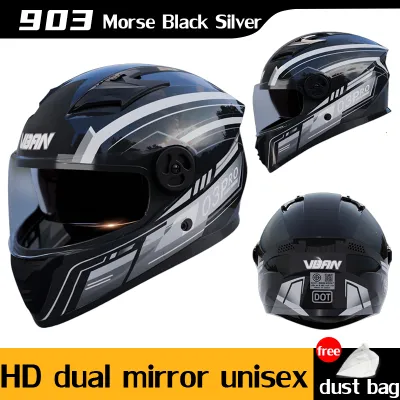
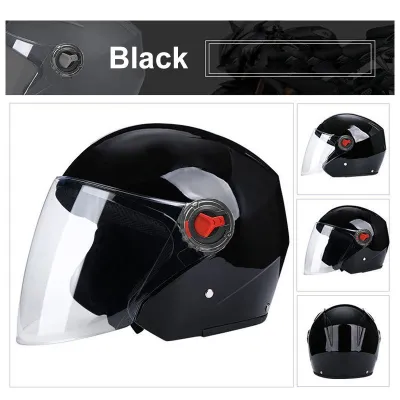
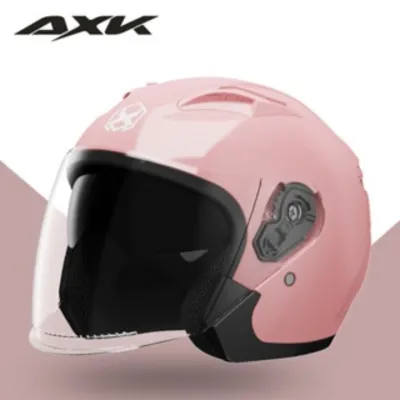
Prices are valid at publication and may change. Please refer to the product page for the latest price.
To verify a genuine ICC or PSB mark, you must perform a close visual inspection of the sticker, which is typically located on the back of the helmet shell or near the chin strap. A legitimate sticker features a unique serial number, a holographic security pattern that reflects light when tilted, and clean, tamper-evident edges. If the sticker looks like a cheap, home-printed label, lacks a serial number, or peels off easily without leaving a pattern, it is likely a counterfeit.
The structural differences between certified helmets and uncertified novelty caps are immense. Certified helmets utilize a thick, high-density expanded polystyrene (EPS) foam liner designed to absorb and distribute impact energy, paired with a robust outer shell made of high-impact ABS or polycarbonate. In contrast, uncertified cheap plastic caps often contain nothing more than thin packaging foam or bare plastic, which will crack instantly under pressure and offer virtually zero protection.
When shopping online, relying solely on seller claims or product titles on e-commerce platforms is highly risky. Many listings use search-friendly terms like “helmet for women” or “certified motorcycle helmet” without actually possessing the physical stickers or meeting safety standards. Always demand physical verification, such as real photos of the certification stickers and the corresponding serial numbers, before making a purchase.
How to Allocate Your Budget for Maximum Protection
When shopping on a tight budget, every peso should go toward structural integrity rather than cosmetic upgrades. Prioritize the quality of the outer shell construction and the density of the EPS liner over custom graphics, limited-edition colorways, or brand-name collaborations. A plain, solid-colored helmet from a certified manufacturer offers the exact same level of impact protection as its highly decorated counterpart but often costs significantly less.

Understanding the baseline cost differences between helmet styles helps you distribute your funds wisely. Generally, open-face helmets are the most affordable certified options because they require fewer materials and simpler manufacturing processes. Full-face helmets cost slightly more due to the added chin bar protection, while modular (flip-up) helmets are the most expensive due to the complex hinge mechanisms. If your budget is extremely tight, a certified open-face helmet is always a safer choice than a cheap, uncertified full-face model.
Be highly skeptical of suspiciously low prices on online marketplaces. If a helmet is listed for a price that seems too good to be true—such as triple-digit prices in ₱—it is a major red flag. Real safety testing, quality materials, and certification compliance require a baseline manufacturing cost that legitimate brands cannot bypass. Buying an incredibly cheap, uncertified helmet to save money puts your life at risk.
Finding the Right Fit and Style for Female Riders
To provide effective protection, a helmet must fit your head perfectly. Start by accurately measuring your head circumference using a flexible tailor’s measuring tape. Wrap the tape horizontally around your head, about 2.5 centimeters (one inch) above your eyebrows and ears, taking the measurement in centimeters. Compare this number to the specific manufacturer’s size chart, as sizing standards vary widely between different brands and models.
When choosing between styles, weigh the protection levels against your daily commuting needs in the Philippines. Full-face helmets offer the highest level of safety because they shield the chin, jaw, and face from direct impacts, flying debris, and sudden downpours. Open-face helmets provide superior airflow in hot, humid tropical weather and make it easier to communicate, but they leave your lower face vulnerable to road rash and debris.
For female riders, interior padding features can make a significant difference in daily comfort. Look for helmets with removable and washable interior liners, which are essential for maintaining hygiene in humid climates where sweat accumulates quickly. Additionally, check if the cheek pads are adjustable or if the neck roll is compatible with low ponytails or braids, ensuring the helmet sits level on your head without being pushed forward.
Smart Trade-Offs: Features to Skip on a Tight Budget
To keep your purchase affordable while maintaining core safety, you can easily omit several premium features. Skip the dual-visor systems that include a built-in, drop-down internal sun shield. These mechanisms add weight, complexity, and cost to the helmet. Instead, opt for a high-quality, clear outer visor and wear your own UV-blocking sunglasses underneath during bright daytime rides.
While proper airflow is crucial in tropical climates, complex multi-channel aerodynamic ventilation systems with adjustable active vents drive up the price. You can safely opt for basic, fixed intake and exhaust vents. These simpler designs still provide consistent airflow to keep you cool without the premium price tag associated with high-speed racing ventilation systems.
Avoid integrated Bluetooth communication systems, pre-installed speakers, or heavy modular chin bar mechanisms if you are on a strict budget. These electronic and mechanical add-ons increase both the retail price and the overall weight of the helmet. A simple, lightweight, single-shell full-face or open-face helmet will keep you safer and more comfortable during long rides than a heavy, feature-laden budget model.
Where to Buy Safely and Spot Counterfeit Helmets
To ensure your helmet is authentic and correctly certified, always purchase from authorized physical dealers or official brand stores on major e-commerce platforms. Authorized physical shops allow you to try on different sizes and shapes, ensuring a perfect fit before you spend any money. They also provide genuine manufacturer warranties and reliable customer service.
If you choose to buy online, evaluate the seller’s credibility thoroughly. Read recent buyer reviews, paying close attention to photos uploaded by customers showing the actual ICC or PSB stickers on the delivered products. Avoid sellers with low ratings or those who refuse to provide real-time photos of the specific unit they plan to ship. You can also request an unboxing video or record your own unboxing process to document the product’s condition upon arrival.
Once your helmet is delivered, perform immediate physical checks before wearing it on the road. Verify that the helmet has a reassuring weight and does not feel like a flimsy toy. Test the quick-release or double-D ring strap mechanism to ensure it locks securely and does not slip when pulled. Finally, press your fingers against the interior EPS liner to confirm it is firm and dense, rather than soft or easily compressed like cheap packaging foam.
Frequently Asked Questions (FAQ)
Can I buy a second-hand PSB/ICC-certified helmet to save money?
No, purchasing a second-hand helmet is highly discouraged, even if it carries a genuine PSB or ICC sticker. Helmets are designed to protect your head through a single major impact, after which the internal EPS liner compresses permanently to absorb the energy. This internal damage is often completely invisible from the outside. Furthermore, exposure to sweat, hair oils, and tropical humidity degrades the interior padding and adhesive materials over time, compromising both hygiene and structural safety.
Do women's helmets offer different safety protection than men's helmets?
No, safety standards and certification requirements apply equally to all helmets regardless of how they are marketed. There is no structural difference in safety levels between helmets targeted at men versus women. The primary differences are purely cosmetic, such as specific graphic designs and color schemes, or related to sizing, as some models marketed for women offer smaller shell sizes and thicker interior padding to accommodate smaller head profiles.
How often should I replace my budget helmet?
You should replace your helmet every five years from the date of manufacture, or immediately after any significant impact or drop. Over time, constant exposure to UV rays, extreme heat, humidity, and hair products degrades the protective qualities of both the outer shell and the internal EPS liner. Regularly inspect your helmet for signs of wear, such as cracking shell materials, crumbling interior foam, or a loose chin strap mechanism, and retire the helmet immediately if any of these issues appear.
Community discussion
Share your experience or ask a question. Comments are reviewed before publication.