
When shopping for a radiator cover for your Honda Click V3, the most critical factors to evaluate are precise model compatibility, high-quality materials that resist corrosion, and an open-airflow design that prevents engine overheating. In the tropical climate of the Philippines, where daily commutes involve a mix of intense heat, sudden downpours, and unpredictable road debris, protecting your scooter’s liquid-cooling system is a practical upgrade. However, choosing the wrong accessory can restrict airflow, leading to elevated engine temperatures and potential long-term damage. This guide outlines how to select a radiator guard that balances robust protection with optimal cooling performance.
The Honda Click V3 is a highly popular automatic scooter known for its efficiency and modern styling. Unlike air-cooled models, its liquid-cooled engine relies on an exposed radiator positioned on the right side of the vehicle to dissipate heat. Because this component sits relatively low and faces forward, it is highly vulnerable to debris kicked up by the front tire or passing vehicles. A well-designed aftermarket radiator cover acts as a shield, preserving the integrity of the delicate cooling fins while maintaining the aesthetic appeal of your ride.
Why Install a Radiator Guard on Your Honda Click V3?
The primary purpose of installing a radiator guard on your Honda Click V3 is to safeguard the delicate aluminum cooling fins from physical damage. As you ride along paved highways or gravel-strewn provincial roads, the front tire constantly kicks up small stones, sand, and road debris. If these objects strike the unprotected radiator, they can easily bend or crush the thin aluminum fins. Bent fins restrict the passage of air through the radiator core, which directly reduces the cooling efficiency of the system and forces the engine to run hotter.
Products mentioned in this guide
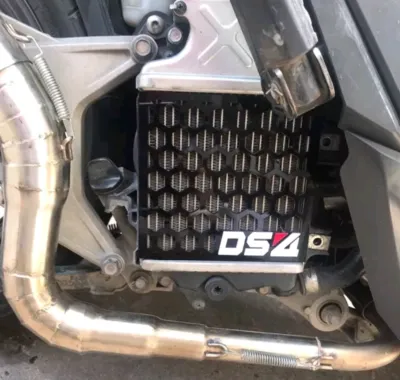
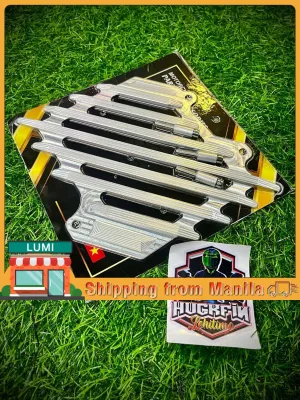
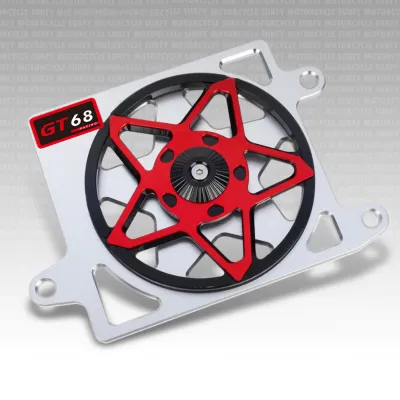
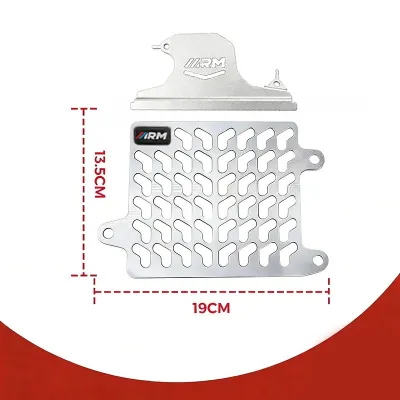
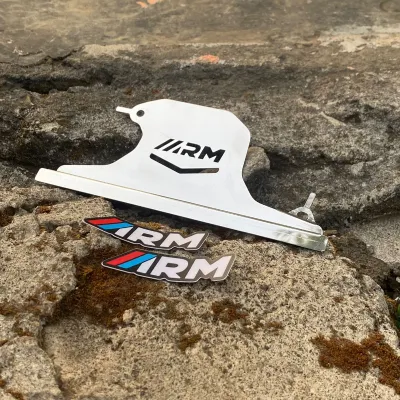
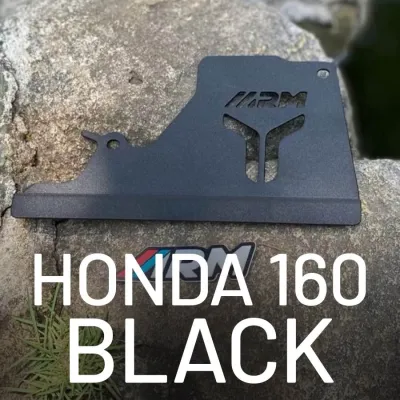
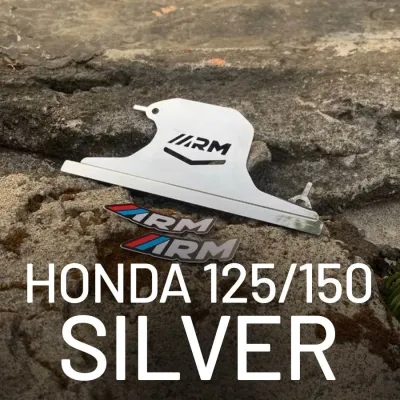
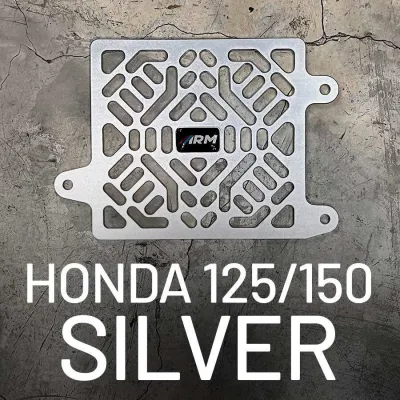
Prices are valid at publication and may change. Please refer to the product page for the latest price.
In addition to stone impacts, a radiator guard prevents insects, leaves, and road grime from clogging the radiator face. Over time, organic matter can accumulate in the gaps between the fins, creating a thermal barrier that traps heat. A guard with a fine mesh or angled louvers catches these larger particles before they reach the radiator, making routine cleaning much simpler. Instead of carefully picking debris out of fragile aluminum fins, you can simply wipe or rinse the guard.
Beyond utility, many riders view the radiator cover as a key aesthetic upgrade. The stock radiator area can look somewhat industrial and plain. Aftermarket covers come in various designs, colors, and finishes—ranging from sleek matte black to polished stainless steel or sporty carbon fiber patterns—allowing you to customize the scooter’s right-side profile to match your personal style.
However, it is vital to understand the limitations of this accessory. A radiator cover is strictly a passive protective barrier. It does not replace the radiator fan, improve the flow rate of the coolant, or resolve underlying cooling system failures. If your scooter is already overheating due to a malfunctioning thermostat, a leaking water pump, or degraded coolant, installing a cover will not solve the problem. In fact, a poorly designed cover might exacerbate existing thermal issues by further restricting airflow.
Fitment and Compatibility Checks for the Click V3
Achieving a perfect fit is paramount when selecting a radiator cover, as a loose or poorly aligned guard can cause distracting vibrations, rub against vital components, or even fall off during a ride. The Honda Click has gone through several design iterations, and parts are rarely universally interchangeable across generations. The mounting points, fairing shapes, and radiator dimensions of the Click V3 differ from those of the older V1 and V2 models. Furthermore, you must verify whether the cover is designed for the 125i variant or the larger engine displacements, as the physical size of the radiator assembly and the surrounding shroud can vary.

When evaluating potential covers, prioritize bolt-on designs that utilize the scooter’s factory mounting holes. These designs secure directly to the existing radiator frame using standard bolts, ensuring a rigid and stable installation that can withstand engine vibrations and rough road conditions. Avoid accessories that rely solely on double-sided adhesive tapes, plastic zip ties, or universal brackets. Adhesive tapes can quickly lose their grip when exposed to high engine operating temperatures and wet weather, while zip ties can degrade, become brittle, and snap over time, potentially causing the cover to shift and damage the radiator fins.
Before finalizing your purchase, verify that the cover provides adequate clearance for all surrounding components. There must be a distinct gap between the guard and the radiator face to prevent metal-on-metal contact, which can wear down the cooling fins over time due to engine vibrations. Additionally, ensure the cover does not pinch or obstruct the coolant hoses, interfere with the operation of the radiator fan shroud, or restrict the full travel of the front wheel suspension. If the cover is too bulky, it may rub against the front fender or inner fairings when the front forks compress fully over potholes or speed bumps.
Evaluating Material Options for Durability and Weight
The material of the radiator cover dictates its durability, weight, resistance to environmental elements, and overall protective capability. In the Philippines, where high humidity, coastal salt air, and heavy monsoon rains are common, selecting a corrosion-resistant material is essential for long-term performance.
Stainless steel and aluminum mesh are the most popular choices for riders seeking maximum protection. Stainless steel is exceptionally strong and highly resistant to rust, making it capable of deflecting larger stones and heavy debris without bending or puncturing. However, stainless steel is heavier than other materials, which may slightly affect the mounting points if not secured properly. Aluminum mesh offers a lighter alternative while still providing excellent impact resistance and natural rust prevention. Aluminum also has superior thermal conductivity, meaning it does not retain heat as much as steel, though the difference in a passive guard is relatively minor.
ABS plastic and polycarbonate covers are lightweight, highly affordable, and often molded into intricate, modern shapes that complement the Click V3’s body lines. Many plastic covers are available in color-matched options or painted finishes. The primary drawback of plastic is its vulnerability to environmental degradation. Prolonged exposure to intense tropical sunlight and the constant heat radiating from the engine can cause ABS plastic to become brittle over time, making it prone to cracking or snapping upon impact with road debris.
Carbon fiber and faux-carbon finishes cater to riders focusing on a sporty, premium appearance. Genuine carbon fiber is incredibly strong, lightweight, and highly resistant to heat, but it carries a premium price tag. If you are considering a carbon fiber cover, verify whether it is structural carbon fiber or simply a cosmetic hydrographic transfer over standard ABS plastic. While faux-carbon finishes look excellent initially, the printed pattern can scratch or fade over time if exposed to abrasive road grime and harsh cleaning chemicals.
Airflow Management and Design Features
While protection is important, a radiator cover must never compromise the cooling system’s ability to dissipate heat. The radiator relies on a constant stream of fresh air passing through its fins to lower the temperature of the coolant. If a cover restricts this airflow too severely, the engine’s operating temperature will rise, potentially leading to overheating, reduced fuel efficiency, and accelerated wear on engine components.
When assessing a cover’s design, pay close attention to the mesh density and the open-area percentage. The ideal cover strikes a careful balance: the openings must be small enough to block damaging stones and large debris, yet large enough to allow unrestricted airflow. A cover with extremely fine mesh or tiny, sparse perforations will act as a solid barrier, trapping hot air and starving the radiator of the draft it needs, especially during slow-moving, stop-and-go city traffic in dense urban areas.
Louvered or angled designs are highly effective at managing airflow. Instead of flat, solid plates with simple cutouts, these covers feature angled slats that actively scoop and direct incoming air into the radiator core. This design maintains high airflow velocity even at lower riding speeds while still offering excellent physical protection, as the angled slats block direct, straight-line impacts from flying stones.
Conversely, you should avoid solid, heavily restricted, or overly decorative plates. Some aftermarket covers feature large, solid metal plates with intricate laser-cut logos or brand names. While these designs may look highly customized, they often block a significant portion of the radiator’s surface area. During long rides or heavy traffic conditions in high ambient temperatures, these restrictive plates can trap heat against the radiator face, forcing the cooling fan to run continuously and putting unnecessary strain on your scooter’s electrical system.
Building Your Shortlist: What to Check Before Checkout
When you are ready to purchase a radiator cover from an online marketplace or a local motorcycle accessory shop, compiling a checklist will help you avoid incompatible parts and low-quality products. Start by carefully reviewing the seller’s product specifications. Look for explicit confirmation that the cover is designed specifically for the “Honda Click V3” rather than relying on generic labels like “universal fit” or “fits all Click models.” If the listing is vague, send a direct message to the seller to confirm the exact dimensions and mounting hole alignments.
Next, check the package contents to ensure all necessary mounting hardware is included. A complete kit should feature stainless steel bolts, washers, and any required spacers or rubber dampeners. Spacers are particularly important as they maintain the necessary clearance between the cover and the radiator face, while rubber dampeners help absorb engine vibrations, preventing annoying rattling noises and reducing stress on the mounting tabs. If these components are not included, you will need to source them separately, adding to the overall cost and installation time.
Compare the price of the cover in ₱ against the quality of the materials used. While budget-friendly plastic options may seem appealing, investing slightly more in a high-quality aluminum or stainless steel guard can save you money in the long run by preventing radiator damage and avoiding the need for frequent replacements. Additionally, choose sellers who offer a clear return or exchange policy. This provides peace of mind in case the physical product arrives with misaligned mounting holes or does not fit your specific Click V3 variant as advertised.
Installation Precautions and Routine Maintenance
Before attempting to install your new radiator cover, always consult your scooter’s owner’s manual to understand the layout of the cooling system and the location of factory fasteners. Ensure the engine is completely cool to the touch before starting any work to avoid accidental burns from the radiator or coolant hoses.
During installation, use the correct tools and follow a gentle hand-tightening approach. If you find that the aftermarket brackets do not align perfectly with the factory mounting holes, do not attempt to force, bend, or drill into the scooter’s chassis or the radiator frame. Forcing a misaligned bolt can strip the threads or puncture the radiator core, leading to costly coolant leaks. If the fitment is significantly off, stop the installation immediately and consult a qualified motorcycle mechanic or return the product for a compatible version.
Routine maintenance is essential to keep both the cover and the radiator functioning optimally. Periodically inspect the guard for accumulated debris, such as dried mud, leaves, or insects, which can block airflow over time. When cleaning the area, use a soft-bristle brush and low-pressure water from a garden hose to gently wash away dirt. Never use a high-pressure washer directly on the radiator or the cover, as the intense water pressure can easily bend the fragile aluminum cooling fins behind the guard, permanently restricting airflow and damaging the cooling system.
Frequently Asked Questions (FAQ)
Will a radiator cover void my Honda Click V3 warranty?
Generally, installing a simple, bolt-on aftermarket radiator cover will not void your Honda Click V3’s manufacturer warranty, as it is a non-invasive, reversible accessory that does not alter the engine’s mechanical or electrical systems. However, if the installation requires permanent modifications—such as drilling into the frame, cutting factory fairings, or splicing wires—or if a poorly designed cover restricts airflow and directly causes the engine to overheat and fail, the manufacturer may deny warranty coverage for those specific damages. Always check with your local authorized dealership regarding their specific warranty policies before installing aftermarket parts.
How do I clean the radiator cover without damaging the fins?
To clean the radiator cover safely, first allow the engine to cool completely. Use a soft-bristle brush, such as an old toothbrush or a soft paint brush, to gently sweep away loose dust, sand, and dried insects from the mesh. For stubborn dirt, spray the area with low-pressure water and a mild, motorcycle-safe soap, allowing it to soak for a few minutes before rinsing gently. Avoid using stiff wire brushes, abrasive scrubbing pads, or aggressive chemical solvents, as these can scratch the cover’s finish, strip protective coatings, or corrode the delicate aluminum cooling fins situated directly behind the guard.
Community discussion
Share your experience or ask a question. Comments are reviewed before publication.