
Selecting a replacement radiator for a Honda Click 125i requires a clear understanding of your scooter’s specific model year, cooling demands, and physical installation limits. In tropical climates like the Philippines, where daily commutes involve navigating dense, stop-and-go urban traffic in high ambient temperatures, the liquid-cooling system is the primary defense against engine failure. A poorly matched or low-quality radiator can lead to chronic overheating, warped cylinder heads, and expensive engine rebuilds.
To ensure your scooter remains reliable on the road, you must evaluate physical fitment, material construction, and performance specifications before making a purchase. This guide breaks down the essential factors to look for, compares original equipment manufacturer (OEM) options with aftermarket alternatives, and outlines critical safety and compatibility standards for a successful installation.
Quick Answer: Key Factors for Choosing a Click 125i Radiator
When shopping for a replacement radiator, your primary decision pillars should always be exact model year compatibility, core dimensions, and the precise orientation of the inlet and outlet hose necks. Because the cooling system operates under pressure, even a minor discrepancy in hose angles or mounting tab locations can prevent a successful installation or lead to premature coolant leaks.
Products mentioned in this guide
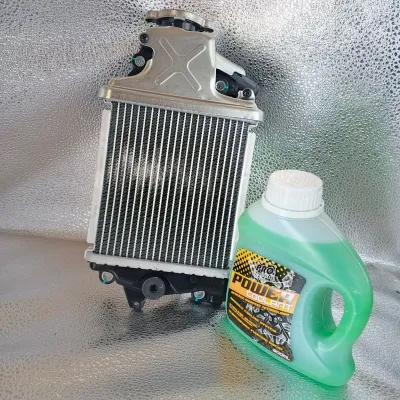
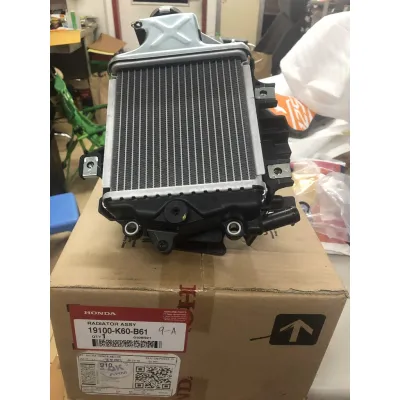
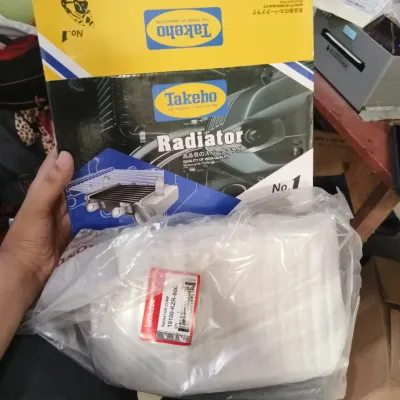
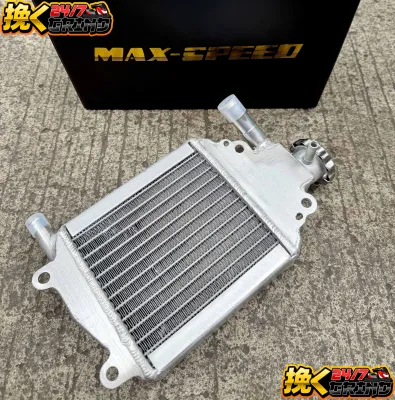
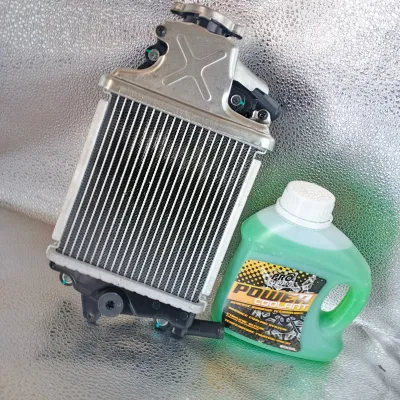
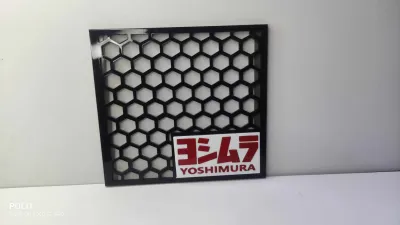
Prices are valid at publication and may change. Please refer to the product page for the latest price.
For standard daily commuting, delivery services, and general utility riding, the recommended approach is to prioritize Genuine OEM parts or high-quality, direct-fit aftermarket units. Universal or highly modified radiators often introduce unnecessary complications, such as requiring custom brackets or altering the scooter’s inner fairings, which can compromise daily reliability.
Before finalizing your purchase, verify exactly what is included in the package. A complete replacement kit should ideally feature the necessary mounting rubber grommets, fan shroud attachment points, and a compatible radiator cap. Confirming these inclusions beforehand prevents unexpected trips to the auto parts store and avoids installation delays.
Ultimately, a properly matched cooling system maintains the precise operating temperature required by the engine. This thermal stability prevents localized hot spots within the cylinder, preserves the lubricating properties of your engine oil, and extends the overall service life of your scooter’s liquid-cooled powerplant.
Verifying Fitment and Physical Specifications
Model Year and Variant Verification
The Honda Click 125i has gone through multiple design generations, commonly referred to by riders and parts suppliers as Version 1 (v1), Version 2 (v2 or “Game Changer”), and the newer Version 3 (v3) iterations. While these scooters share a similar engine architecture, their external bodywork, internal frame layouts, and electrical component placements differ significantly.

Before purchasing a radiator, cross-reference your scooter’s exact year of manufacture and chassis number with official parts catalogs. A radiator designed for an early halogen-headlight model will generally not align with the mounting points or fairing clearances of a newer LED or keyless ignition variant. Never rely solely on generic product listings that claim compatibility with all model years.
Mounting Points and Brackets
A genuine direct-fit radiator must align perfectly with the stock mounting tabs on the scooter’s frame. Inspect the product photos or physical unit to ensure the bolt hole configurations, spacing, and bracket shapes match your original radiator exactly.
Installing a radiator should never require you to drill new holes into the frame, bend existing brackets, or force the unit into place under tension. Forcing a radiator into an improper fitment stresses the aluminum core, which can lead to stress fractures and coolant leaks over time due to engine vibrations.
Hose Connections and Thermostat Housing
Examine the upper and lower coolant hose necks on the replacement radiator. The inner diameter of these connections must match your stock coolant hoses to ensure a leak-free seal when secured with tension clamps.
Additionally, the angles of these inlet and outlet necks must point in the exact direction of the stock thermostat housing and water pump outlets. If the angles are incorrect, the coolant hoses will be forced to bend at sharp angles, resulting in kinks that restrict coolant flow and cause localized overheating.
Fan and Shroud Clearance
The Honda Click 125i relies on a mechanical cooling fan and a plastic shroud to draw air through the radiator core when idling or traveling at low speeds. The replacement radiator must have the correct mounting bosses to accept your stock fan shroud securely.
If you choose an aftermarket radiator with an overly thick core, verify that it does not push the fan assembly too far outward. Excessively thick radiators can cause the fan shroud to rub against the front wheel mudguard or prevent the scooter’s side fairings from fastening correctly, leaving internal components exposed to road debris.
OEM vs. Aftermarket: Which Radiator Type Fits Your Needs?
Genuine OEM Radiators
Genuine Honda OEM radiators are manufactured to strict factory specifications, offering guaranteed physical fitment, exact cooling capacity, and predictable long-term durability. These units feature aluminum cores paired with durable plastic end tanks, mimicking the component that originally came with your scooter.
For riders who use their scooter for daily commuting, commercial delivery work, or long-distance touring, the OEM route is highly recommended. It offers a straightforward, plug-and-play installation process with no modifications required, ensuring the scooter remains compliant with original factory standards.
In the Philippine market, genuine OEM radiators typically sit in a premium price band, generally ranging from ₱2,000 to ₱3,500 depending on the specific model year and authorized dealership rates. While more expensive than basic aftermarket options, this investment provides peace of mind regarding material quality and fitment precision.
Direct-Fit Aftermarket Replacements
Reputable aftermarket manufacturers produce direct-fit replacement radiators designed to emulate the dimensions and performance of the OEM unit at a lower cost. These parts are ideal for budget-conscious riders who need to replace a damaged or leaking radiator without paying OEM dealership premiums.
When shopping for aftermarket parts, look for brands that explicitly advertise “direct fit” for the Honda Click 125i rather than generic “universal” cooling components. Avoid unbranded, suspiciously cheap radiators sold on general online marketplaces, as these often suffer from thin aluminum cores, brittle plastics, and poor quality control.
Standard aftermarket replacements usually fall into a budget-friendly price band, typically ranging from ₱800 to ₱1,500. While they offer excellent cost savings, you must carefully inspect the build quality, weld seams, and hose neck alignments before installation.
Upgraded/Performance Radiators
Performance radiators are typically constructed entirely of aluminum, featuring thicker cores, wider coolant channels, and hand-welded end tanks. These units are designed to maximize heat dissipation, making them popular among riders who have modified their engines with high-compression pistons or big-bore kits.
While an all-aluminum radiator offers superior structural strength and excellent cooling efficiency, it is often unnecessary for a stock Honda Click 125i. Furthermore, the increased thickness of performance cores frequently requires custom mounting brackets, aftermarket fan configurations, or fairing modifications, which can complicate routine maintenance.
These specialized all-aluminum performance radiators occupy a higher price band, often ranging from ₱2,500 to over ₱4,500. If your scooter is unmodified and used primarily for daily transportation, the standard OEM or direct-fit aftermarket radiator remains the most practical and hassle-free choice.
Inspecting Material Quality and Build Indicators
Core Material and Fins
The efficiency of a radiator depends heavily on the condition of its cooling fins, which conduct heat away from the internal tubes. When inspecting a radiator, ensure the aluminum fins are perfectly straight, uniform, and evenly spaced across the entire core.
Bent, crushed, or obstructed fins block the passage of air through the radiator, drastically reducing its ability to lower coolant temperatures. If you are purchasing a radiator in a physical shop, inspect the core for shipping damage; if buying online, ensure the seller packages the unit with protective cardboard covers over the fin area.
Tank Construction
Most standard radiators utilize plastic end tanks crimped onto an aluminum core using a rubber gasket seal. If you select this style, closely examine the metal crimps around the perimeter of the tank to ensure they are uniform, tight, and free of gaps.
For all-aluminum performance radiators, the end tanks are welded directly to the core. Ensure there are no visible pinholes, micro-cracks, or thin spots along the tank walls, as these areas are subjected to constant thermal expansion and pressure cycles during operation.
Weld Quality and Seams
On all-aluminum radiators, look for clean, consistent tungsten inert gas (TIG) welds along the joints, mounting brackets, and inlet/outlet necks. High-quality welds should resemble a neat stack of coins, indicating proper heat penetration and material fusion.
Sloppy, uneven, or excessively thick welds often point to poor manufacturing standards. These weak points are highly susceptible to cracking under the influence of engine vibrations and system pressure, which can lead to sudden coolant loss while riding.
Pressure Cap Rating
The radiator cap plays a vital role in regulating the pressure of the cooling system, which raises the boiling point of the coolant. Verify that the replacement radiator is compatible with a cap that matches the pressure rating specified in your scooter’s owner’s manual.
Using a radiator cap with an incorrect pressure rating can cause serious issues. A cap with a rating that is too low will allow coolant to boil and escape into the reservoir prematurely, while a cap with a rating that is too high can overpressurize the system, leading to blown hoses or cracked end tanks.
Installation Safety and Coolant Compatibility
Safety Boundaries and Professional Installation
Working on a motorcycle cooling system carries inherent safety risks, particularly regarding severe thermal burns. Never attempt to loosen the radiator cap, drain bolts, or coolant hoses while the engine is warm or hot. The cooling system operates under high pressure, and opening it prematurely can spray boiling coolant, causing serious injury.
Always consult your scooter’s official factory service manual for the exact disassembly, torque specifications, and assembly steps. If you do not possess the necessary mechanical tools, experience, or confidence to perform these steps safely, take your scooter to a qualified professional mechanic to handle the installation.
System Flushing
Before mounting your new radiator, perform a thorough flush of the entire cooling system to remove accumulated debris, mineral scale, and degraded chemical residues. Neglecting this step can cause old contaminants to migrate directly into the narrow tubes of your new radiator, clogging them and reducing its cooling performance.
Use a dedicated radiator flush solution or distilled water according to the manufacturer’s instructions. Never use standard tap water for flushing or filling, as the dissolved minerals will precipitate out under heat, forming scale deposits that permanently restrict coolant flow.
Coolant Selection
Always use a high-quality, pre-mixed ethylene glycol-based coolant specifically formulated for aluminum motorcycle engines. These formulations are typically silicate-free and organic acid technology (OAT) compliant, which protects the aluminum core and water pump seals from internal corrosion.
Verify that the coolant matches the specifications outlined in your Honda Click 125i owner’s manual. Avoid using generic automotive coolants unless they are explicitly labeled as silicate-free and safe for aluminum motorcycle engines, as improper additives can quickly destroy the water pump’s mechanical seals.
Bleeding the System
When filling the new radiator, air pockets can become trapped within the cylinder head, thermostat housing, and radiator core. These air pockets prevent coolant from circulating properly, leading to rapid localized overheating and potential engine damage.
To remove trapped air, fill the radiator to the neck, leave the cap off, and start the engine with the scooter resting on its center stand on a level surface. Let the engine idle gently, occasionally squeezing the radiator hoses to encourage air bubbles to rise and escape through the open filler neck. Refill the coolant to the specified level as bubbles escape, and only secure the radiator cap once the air is completely purged and the engine is cool.
Leak Testing and Verification
Once the system is filled, capped, and the reservoir tank is filled to the proper level, run the engine until it reaches its normal operating temperature. Monitor the radiator closely to ensure the cooling fan cycles on and off as expected, confirming that the thermal switch and fan motor are functioning.
After the engine has fully warmed up and the system is under operating pressure, perform a visual inspection of all hose clamps, drain plugs, and radiator seams. Look for any signs of weeping, dripping, or steam. Once the engine has completely cooled down, double-check the coolant level in both the radiator and the reservoir tank, topping them up if necessary.
Frequently Asked Questions (FAQ)
Can I use standard car coolant in my Honda Click 125i?
No, you should avoid using standard automotive coolants in your Honda Click 125i unless the product is explicitly certified as silicate-free and safe for motorcycle engines. Many passenger car coolants contain silicate and phosphate additives designed to protect larger, cast-iron engine blocks.
In a small-displacement scooter engine, these silicates act as fine abrasives. Because the water pump in the Click 125i operates at high revolutions per minute, these abrasive particles can quickly wear down the water pump’s internal mechanical seals, resulting in premature coolant leaks into the engine oil or out of the pump’s weep hole.
What are the visible signs that my stock radiator needs replacement?
There are several physical and functional indicators that your stock radiator has reached the end of its service life and requires replacement. Visually, look for crusty green, white, or pink deposits concentrated around the radiator core seams, hose connections, or end tanks, which indicate active, slow coolant leaks.
Additionally, if more than ten percent of the aluminum cooling fins are heavily bent, crushed, or corroded away, the radiator will no longer dissipate heat effectively. Functionally, if your cooling fan runs constantly even during short rides, or if the high-temperature warning light on your dashboard illuminates during normal riding conditions, the radiator may be internally clogged or leaking under pressure.
Community discussion
Share your experience or ask a question. Comments are reviewed before publication.