
Finding the right wiper blades for your BYD Sealion 6 is essential for maintaining clear visibility, especially during sudden tropical downpours and intense sunny days. Because the BYD Sealion 6 is a modern plug-in hybrid SUV equipped with advanced driver assistance systems (ADAS) that rely on a clear windshield view, selecting high-quality wiper blades is both a safety priority and a performance requirement.
There is no single “best” brand that fits every driver’s budget or environmental conditions. Instead, securing the ideal wipe quality requires verifying the exact physical dimensions of your vehicle’s wiper arms, understanding the differences between blade materials like silicone and natural rubber, and choosing the right product tier. By focusing on compatibility and material durability, you can ensure a streak-free view and quiet operation throughout the changing seasons.
Verifying the Correct Fit for Your BYD Sealion 6
To avoid purchasing incompatible parts, the first step is to verify the exact wiper blade sizes and connector types required for your BYD Sealion 6. Do not rely solely on generic vehicle compatibility databases on online marketplaces, as these can sometimes list incorrect specifications for newer hybrid models. Instead, consult your vehicle’s owner’s manual or physically measure the length of both the driver-side and passenger-side wiper blades using a standard tape measure. Typically, modern SUVs use asymmetrical lengths—where the driver’s side is significantly longer than the passenger’s side—to maximize the cleared surface area of the windshield.
Products mentioned in this guide
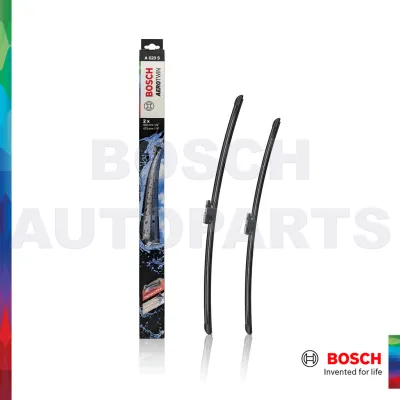
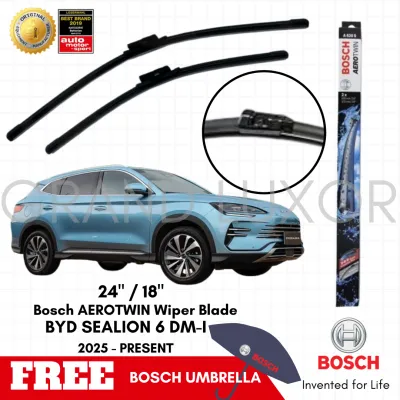
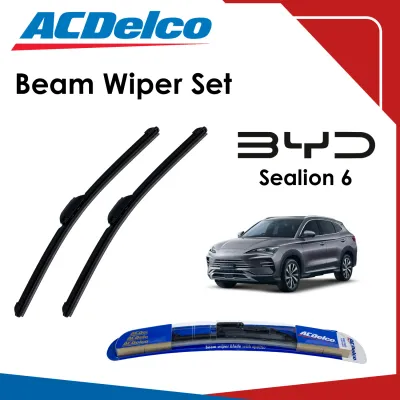
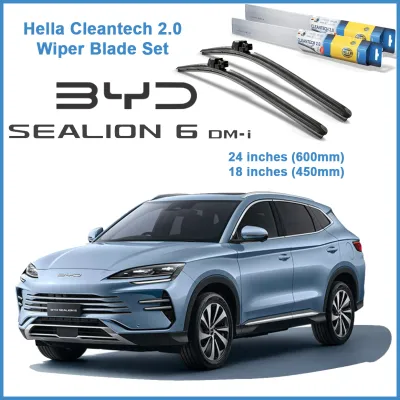
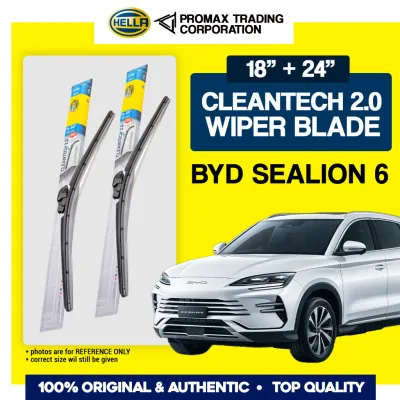
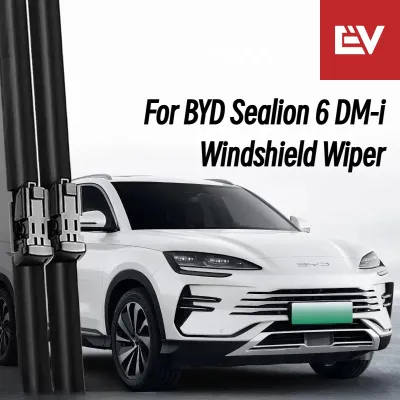
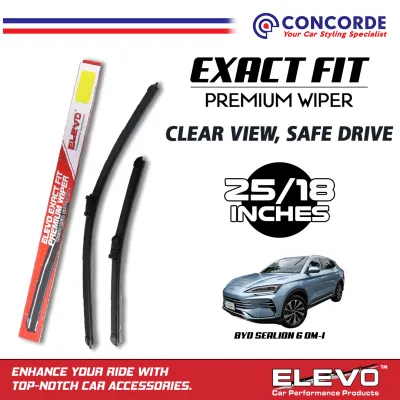
Prices are valid at publication and may change. Please refer to the product page for the latest price.
Equally important is identifying the specific wiper arm connector type. The BYD Sealion 6 utilizes a specific mounting mechanism, which may differ from the traditional J-hook style found on older vehicles. Common modern connector designs include push-button, side pin, pinch tab, or proprietary slim-top clips. Before purchasing any aftermarket wiper blades, lift the wiper arm and inspect the plastic clip mechanism that secures the blade to the arm.
If you are buying aftermarket options, ensure the package explicitly includes the correct adapter matching your vehicle’s connector. Relying on generic “universal fit” claims without verifying the adapter type often results in loose fittings, distracting vibrations, or an inability to mount the blade securely, which can cause the blade to detach while driving.
Comparing Wiper Blade Materials for Streak-Free Performance
The material composition of the wiper element directly dictates how well the blade performs under intense heat and heavy rain. In tropical climates where vehicles are frequently exposed to harsh sunlight and high humidity, material choice is the primary factor in determining longevity.

Natural rubber is the traditional choice and remains highly cost-effective. It provides excellent initial wipe quality, clearing water smoothly and quietly across the glass. However, natural rubber is highly susceptible to environmental degradation. Under intense ultraviolet (UV) exposure and high ambient temperatures, natural rubber tends to dry out, harden, and crack. Once the rubber loses its flexibility, it will begin to streak, skip, and squeak, requiring more frequent replacements.
Silicone-infused or pure silicone wiper blades represent a premium alternative. Silicone is highly resistant to UV rays, ozone, and extreme heat, meaning it will not harden or crack nearly as quickly as natural rubber. Furthermore, as silicone blades wipe across the windshield, they deposit a microscopic, water-repellent layer on the glass. This hydrophobic coating causes rainwater to bead up and fly off the windshield even at lower speeds, significantly improving visibility during heavy downpours. While silicone blades carry a higher initial price point, their extended lifespan and active water-shedding properties often provide better long-term value.
Graphite or Teflon-coated rubber blades offer a middle ground. These blades feature a natural or synthetic rubber core treated with a low-friction coating. The graphite or Teflon layer reduces friction between the rubber and the glass, minimizing the annoying chattering or skipping noises that can occur when the windshield is only lightly damp. This coating provides a smoother, quieter glide, though the friction-reducing layer will eventually wear off over months of heavy use.
Evaluating Wiper Blade Designs for Daily Driving Conditions
Beyond the material of the rubber element, the structural design of the wiper blade frame influences how evenly pressure is applied across the curved surface of the BYD Sealion 6 windshield.
Beam blades, also known as flat or frameless blades, feature a modern, aerodynamic profile. Instead of a metal skeleton, they utilize a tensioned steel guide inside the rubber structure to distribute pressure evenly along the entire length of the blade. This design allows the blade to conform precisely to the curvature of the windshield. Because they lack an exposed metal frame, beam blades are highly resistant to wind lift at highway speeds and do not have joints that can become clogged with dirt, leaves, or road debris.
Hybrid blades combine the aerodynamic, protective shell of a beam blade with the multi-point pressure articulation of a conventional metal frame. This hybrid structure features a sleek plastic casing that shields the internal tension brackets from UV damage and debris while ensuring strong, localized pressure points against the glass. Hybrid blades offer a balanced performance, providing the clean look of a beam blade with the robust contact pressure of traditional designs.
Conventional frame blades use a traditional metal bracket system with multiple claws to press the rubber element against the glass. While these are highly budget-friendly and widely available, they are more prone to wind lift at high speeds, which can cause temporary loss of contact with the windshield. Additionally, the exposed metal joints can collect dirt and debris over time, leading to uneven pressure and premature streaking.
Comparing Brand Tiers: OEM, Premium Aftermarket, and Budget Options
When shopping for replacement wiper blades, you will generally choose among three distinct product tiers: Original Equipment Manufacturer (OEM) parts, premium aftermarket brands, and standard or budget aftermarket options.
Choosing OEM parts from an authorized dealer guarantees exact fitment and factory-standard performance. With OEM blades, there is no guesswork regarding adapter types or blade lengths, as they are designed specifically for the BYD Sealion 6. This is often the most straightforward path if you prefer to maintain the vehicle’s original aesthetic and performance without researching aftermarket compatibility.
Premium aftermarket brands are ideal if you want to upgrade your wiper performance. These brands often feature advanced materials like pure silicone, specialized water-repellent coatings, or highly optimized aerodynamic beam designs. If you frequently drive in heavy rain or park your vehicle outdoors under direct sunlight, investing in a premium silicone aftermarket blade can deliver superior longevity and better visibility than standard factory rubber.
Standard or budget aftermarket options are suitable if you need a quick, cost-effective replacement. These are typically conventional or basic beam blades made of standard rubber, often costing under ₱500 per pair. While they perform adequately in mild weather conditions, you should plan to replace them more frequently—often annually or semi-annually—as they will degrade faster under harsh tropical sun.
Regardless of the tier you choose, always verify seller authorization when purchasing from online marketplaces. Check recent user reviews specifically looking for mentions of streaking, chattering, or adapter failures on similar vehicle models to ensure you are receiving a genuine, high-quality product.
Installation Checks and Maintenance for Long-Lasting Wipers
Proper installation and routine maintenance are critical to maximizing the lifespan of your new wiper blades and protecting your vehicle. Before beginning the replacement process, always place a thick towel or cardboard over the windshield glass directly beneath the wiper arms. When you remove the old wiper blade, the bare metal wiper arm is held under strong spring tension; if it accidentally slips from your hand, it can snap back against the windshield with enough force to crack the glass, leading to an expensive windshield replacement.
Once the new blades are securely installed, clean both the windshield glass and the new rubber elements. Use a dedicated glass cleaner or a small amount of isopropyl alcohol on a clean microfiber cloth to wipe down the rubber squeegee. This removes manufacturing residues, shipping oils, road film, or tree sap that can cause immediate streaking. Be careful to apply the alcohol only to the glass and the rubber element, avoiding contact with the vehicle’s paint, plastic trim, or sensors, as these chemicals are not authorized for use on painted or plastic surfaces.
If you notice that your brand-new, high-quality blades are still leaving streaks or skipping across the glass, inspect the metal wiper arms themselves. Over time, wiper arms can become slightly bent, or the internal springs can lose tension, preventing the blade from making flat, even contact with the windshield. If the arm is bent or the tension is weak, you may need to consult a qualified professional to adjust or replace the wiper arm assembly.
Frequently Asked Questions (FAQ)
How often should I replace the wiper blades on my BYD Sealion 6?
For optimal visibility, standard rubber wiper blades should generally be replaced every six to twelve months. However, in tropical climates characterized by intense heat, high UV exposure, and heavy seasonal rainfall, rubber elements can degrade much faster. You should inspect your blades regularly and replace them immediately if you notice signs of wear such as persistent streaking, squeaking, chattering, or visible splitting and tearing along the rubber edge. Upgrading to silicone blades can extend this replacement interval significantly due to their superior environmental resistance.
Can I use different wiper blade brands for the driver and passenger sides?
Yes, you can technically use different wiper blade brands or models for the driver and passenger sides, provided that both blades match the correct length and connector specifications for your BYD Sealion 6. However, mixing brands or material types is generally not recommended. Different brands use distinct rubber compounds, frame designs, and aerodynamic profiles, which can lead to uneven wipe patterns, mismatched clearing speeds, or distracting differences in noise levels. For uniform performance and consistent visibility across your entire windshield, it is best to install a matching pair of the same brand and model.
Community discussion
Share your experience or ask a question. Comments are reviewed before publication.