
When maintaining a small-displacement motorcycle or scooter, choosing the right c7hsa spark plug is essential for reliable daily commuting. This small component plays a massive role in your engine’s combustion cycle, directly affecting how easily your bike starts, how smoothly it idles, and how efficiently it burns fuel. While standard nickel-alloy plugs have been the default choice for decades, premium iridium alternatives are widely available, leaving many riders wondering if the higher price tag is justified.
Deciding whether to upgrade from a standard nickel plug to an iridium alternative depends on your riding habits, budget, and maintenance preferences. Upgrading is not a mechanical necessity for most standard commuter motorcycles, but it offers distinct advantages in durability and service life. If you prefer a low upfront cost and do not mind regular spark plug inspections, standard nickel remains an excellent choice. If you want to minimize maintenance intervals and ensure highly reliable ignition under challenging weather conditions, investing in an iridium plug is a compelling upgrade.
Any upgrade you choose must match the exact heat range, thread size, and reach specified in your motorcycle’s owner manual. Installing a plug with incorrect physical dimensions or thermal properties can lead to severe engine damage, regardless of the electrode material. It is also important to understand that upgrading to an iridium plug will not magically add massive horsepower or solve underlying engine issues, as overall performance depends heavily on your engine’s mechanical health and fuel system tuning.
Products mentioned in this guide
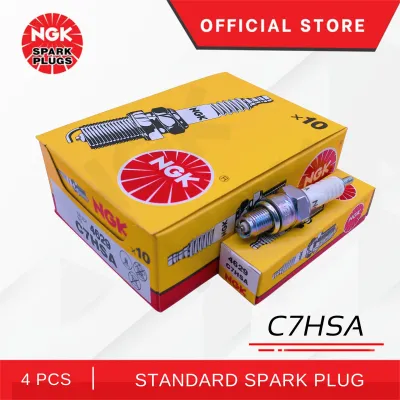
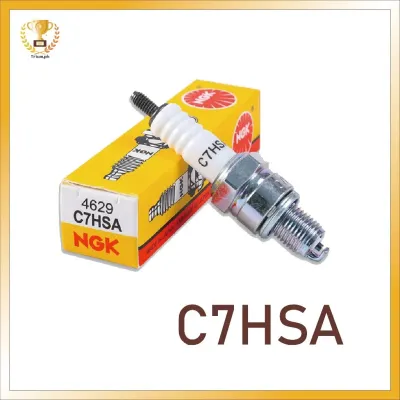
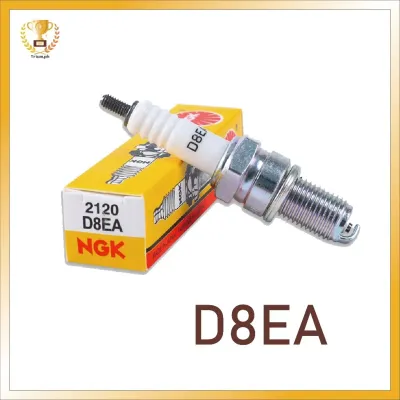
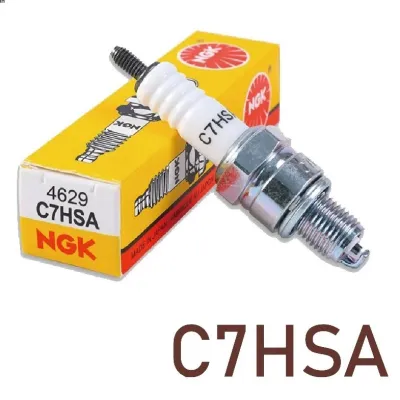
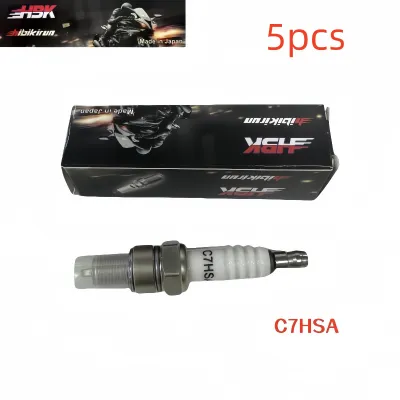
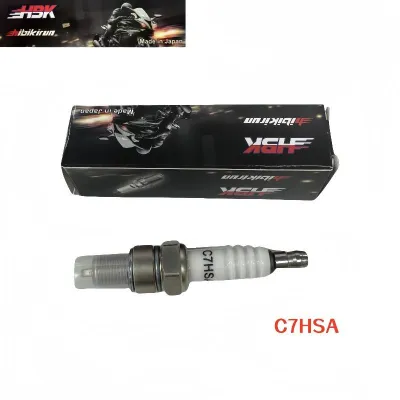
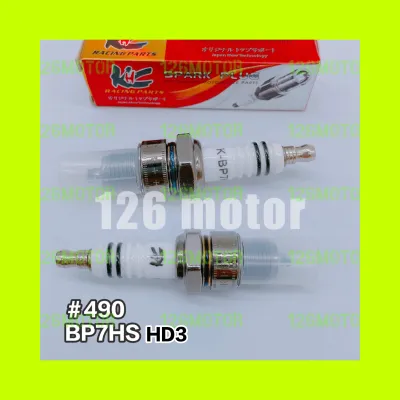
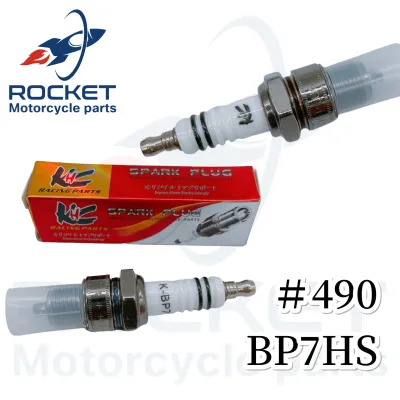
Prices are valid at publication and may change. Please refer to the product page for the latest price.
Quick Answer: Should You Upgrade from a C7HSA Spark Plug to Iridium?
For the vast majority of daily commuters riding standard underbones and scooters, upgrading to an iridium spark plug is an optional luxury rather than a strict requirement. Standard nickel-alloy plugs are highly affordable and perfectly capable of delivering reliable ignition when they are fresh and properly gapped. If your daily route consists of short, low-speed trips and you follow a strict, hands-on maintenance schedule, sticking with the standard nickel plug is highly practical.
The primary reason to upgrade to an iridium plug is to extend your maintenance intervals and improve starting reliability. Iridium is a much harder precious metal with a significantly higher melting point than nickel, allowing it to resist wear and spark erosion over thousands of kilometers. This durability makes iridium highly beneficial for riders who cover long distances daily, such as delivery riders, or those who own motorcycles where accessing the spark plug requires removing complex plastic body panels.
Before making any purchase, you must verify that the replacement plug matches the exact specifications of the original equipment manufacturer (OEM) part. The heat range, thread diameter, and thread reach must be identical to protect your engine from pre-ignition or physical damage. While an iridium plug can optimize combustion efficiency and provide a more stable idle, it cannot compensate for a worn-out piston, a clogged carburetor, or a failing ignition coil.
Why the C7HSA Spark Plug Specification Matters for Your Engine
To make an informed decision, you must first understand what the alphanumeric code on your spark plug box actually means. This standard nomenclature is not just a random part number; it is a precise blueprint of the plug’s physical and thermal characteristics. Understanding these letters and numbers ensures you select a compatible replacement that will not damage your motorcycle’s cylinder head.

- C (Thread Diameter): The letter "C" indicates that the spark plug has a thread diameter of 10 mm. This dimension must match the threaded hole in your cylinder head exactly; a plug with the wrong diameter simply will not fit or will ruin the threads if forced.
- 7 (Heat Range): The number "7" represents the plug's heat range, which measures its ability to dissipate heat from the combustion chamber. On this scale, a 7 is a medium-to-cool plug, designed to transfer heat efficiently to the cylinder head to prevent pre-ignition while remaining hot enough to burn off carbon deposits.
- H (Thread Reach): The letter "H" specifies a thread reach of 12.7 mm (approximately half an inch). If the reach is too short, the spark will be recessed too far in the cylinder head, leading to incomplete combustion; if it is too long, the exposed threads can strike the piston or accumulate carbon, making removal extremely difficult.
- S (Construction Type): The "S" indicates a standard electrode construction, typically featuring a copper-core center electrode encased in a nickel alloy.
- A (Special Design): The final letter "A" denotes specific design characteristics of the firing end, such as the shape of the ground electrode or the thread finish.
Maintaining the correct heat range is especially critical in tropical climates where high ambient temperatures and heavy traffic congestion place immense thermal stress on the engine. If you install a spark plug with a heat range that is too hot (such as a 6), the plug will not dissipate heat quickly enough, which can cause the electrode to glow red-hot and ignite the fuel-air mixture prematurely. This pre-ignition, or engine knocking, can quickly melt pistons and damage valves. Conversely, a plug that is too cold (such as an 8) will fail to reach its self-cleaning temperature, leading to rapid carbon buildup, weak spark, and hard starting.
Always cross-reference your motorcycle’s owner manual or the existing plug’s exact part number before purchasing any alternative material. Never assume compatibility based solely on the brand or model of your motorcycle, as manufacturers often update specifications between model years. Ensuring an exact match in dimensions and heat range is the first and most important step in any spark plug replacement.
Nickel vs Iridium: Key Differences for Motorcycle Engines
Comparing nickel and iridium spark plugs requires looking at how their physical metallurgy translates into real-world engine operation. While both materials serve the same fundamental purpose—delivering an electrical spark to ignite the fuel-air mixture—they do so with different levels of efficiency and longevity.
Electrode Material and Durability
The most significant difference between these two types of spark plugs lies in the composition and design of the center electrode. Standard nickel-alloy spark plugs feature a relatively thick center electrode, typically around 2.5 mm in diameter. Because nickel is a softer metal with a lower melting point than precious metals, it is more susceptible to spark wear, chemical corrosion, and thermal erosion over time. As the nickel electrode gradually wears away, the gap between the center and ground electrodes widens, requiring more voltage from the ignition system to bridge the distance.
In contrast, iridium is an extremely dense, hard precious metal with an exceptionally high melting point of over 2,400 degrees Celsius. This extreme durability allows manufacturers to design iridium spark plugs with an incredibly fine center electrode tip, often measuring just 0.6 mm in diameter. Because iridium resists wear so effectively, the spark gap remains stable over a much longer period, maintaining consistent ignition performance throughout the plug’s lifespan. While a standard nickel plug might show signs of significant wear after 5,000 kilometers, an iridium plug can easily withstand tens of thousands of kilometers of intense combustion without noticeable degradation.
Ignition Performance and Engine Response
The physical shape of the electrode directly influences how electricity behaves inside your engine’s combustion chamber. Because the center electrode of an iridium plug is so thin, it concentrates the electrical charge at a very sharp point, creating a stronger electric field. This concentration of energy means that the ignition coil requires less voltage to jump the gap and create a spark compared to a thicker nickel electrode. This lower voltage requirement is highly beneficial during cold starts, especially on damp, humid mornings during the monsoon season when battery performance may be compromised.
Additionally, the fine tip of an iridium electrode reduces the “quenching” effect, which occurs when the cold metal of the spark plug electrodes absorbs heat from the newly formed flame kernel. By minimizing this heat loss, the iridium plug allows the flame to grow more rapidly and evenly across the combustion chamber. This can result in a slightly smoother idle, more consistent throttle response, and more complete fuel combustion. However, if your motorcycle’s ignition system and engine are already in perfect mechanical health, the subjective difference in daily throttle response between a fresh nickel plug and a fresh iridium plug may be negligible. Upgrading to iridium is an optimization tool, not a cure for poor engine compression or restricted fuel flow.
Cost and Replacement Interval Evaluation
To determine if upgrading to an iridium spark plug is financially sensible, you must weigh the initial purchase price against the long-term maintenance costs and the physical effort required to perform replacements.
In the local market, standard nickel C7HSA spark plugs are exceptionally cheap, typically retailing for around ₱100 to ₱180 per unit. Because they are highly affordable, many riders view them as simple consumable items to be swapped out during every major oil change. Iridium alternatives, however, represent a premium tier of components, with prices generally ranging from ₱550 to ₱850 per plug. This means an iridium plug can cost up to five times more than a standard nickel equivalent upfront.
Despite the higher initial cost, the extended replacement interval of iridium can offset the price difference over time. A standard nickel plug generally requires inspection and cleaning every 3,000 kilometers, with a recommended replacement interval of 5,000 to 8,000 kilometers to prevent misfires and maintain fuel efficiency. An iridium plug, on the other hand, can easily perform reliably for 15,000 to 20,000 kilometers or more before requiring replacement, effectively lasting three to four times longer than its nickel counterpart.
To calculate your own cost-per-kilometer, consider your annual riding distance and how you handle maintenance labor. For a daily commuter who covers 10,000 kilometers a year on a simple underbone motorcycle, using nickel plugs means buying and installing two plugs annually. If you perform this basic task yourself, your annual parts cost remains under ₱360. Upgrading to an iridium plug would cost around ₱700 upfront, but that single plug could easily last for two full years of riding, resulting in a similar long-term parts cost while saving you the time and effort of performing multiple replacements.
Furthermore, the physical design of your motorcycle should play a major role in your decision. On many classic underbones or standard commuter bikes, the spark plug is completely exposed or easily accessible behind a small plastic flap, requiring only a basic plug wrench and five minutes of your time to change. In this scenario, the labor cost is zero, making the frequent replacement of cheap nickel plugs very easy. However, on modern automatic scooters, the spark plug is often buried deep within the chassis, requiring the removal of multiple plastic body panels, clips, and fairings to access. If you pay a local mechanic ₱150 to ₱300 in labor charges just to access and replace a spark plug, using a long-lasting iridium plug quickly becomes the more economical choice by reducing the frequency of paid workshop visits.
How to Decide: Choose Nickel or Iridium?
Making the final choice between these two spark plug types requires analyzing your specific riding conditions, your budget, and the mechanical state of your motorcycle. Use the following condition-based guidelines to determine which option aligns best with your needs.
Choose Standard Nickel (C7HSA) if:
- You are on a strict budget: If you want to keep immediate maintenance expenses as low as possible, standard nickel plugs offer dependable performance at a fraction of the cost of iridium.
- Your spark plug is highly accessible: If your motorcycle allows you to swap the spark plug in under five minutes with basic tools, the convenience of a long-lasting plug is less critical.
- You follow a frequent maintenance routine: If you enjoy working on your bike and regularly pull the spark plug to inspect the color of the insulator for tuning purposes, using cheap nickel plugs is highly practical.
- You want strict OEM compliance: If your motorcycle is brand new and covered by a manufacturer warranty that mandates the exact factory-specified part numbers, sticking with the standard nickel plug avoids any potential warranty disputes.
Choose Iridium (Equivalent Heat Range/Spec) if:
- You want a "set-and-forget" solution: If you prefer to minimize the time spent on routine maintenance and want a plug that will perform reliably for years without intervention, iridium is the ideal choice.
- Accessing the spark plug is difficult: If your scooter or motorcycle requires extensive disassembly of fairings and bodywork to reach the engine head, reducing the frequency of plug changes saves significant labor and hassle.
- You ride long distances or do delivery work: If you use your motorcycle for commercial delivery services or frequent long-distance touring, the superior reliability, stable gap, and consistent ignition of iridium under prolonged load are highly valuable.
- You face frequent cold starts in wet weather: If you regularly ride in highly humid conditions or during the heavy rains of the monsoon season, the lower voltage requirement of an iridium plug can make starting your engine much easier.
Verify First if:
- Your engine is burning oil or running rich: If your motorcycle has worn valve seals, leaking piston rings, or an improperly adjusted carburetor that causes heavy carbon or oil deposits, do not buy an iridium plug. The premium plug will foul and misfire just as quickly as a cheap nickel plug under these conditions. You must diagnose and repair these mechanical issues before upgrading.
- You are unsure of the exact equivalent part number: Never guess when switching to iridium. Always consult the official cross-reference charts provided by reputable spark plug manufacturers to ensure the iridium plug matches the thread, reach, and heat range of the standard C7HSA.
Installation Safety and Specification Checks
Working on your motorcycle’s ignition system is a straightforward task, but it requires strict adherence to safety boundaries and precise mechanical specifications to prevent costly damage to your engine.
Before removing the old spark plug, ensure the engine is completely cool to the touch. Working on a hot engine increases the risk of severe burns and makes the aluminum threads of the cylinder head highly susceptible to stripping or galling. Clean the area immediately surrounding the spark plug hole using compressed air, a hand pump, or a soft brush. This simple step prevents dirt, sand, or road debris from falling directly into the combustion chamber once the plug is removed, which could otherwise cause severe abrasive damage to the cylinder walls and piston rings.
When preparing the new spark plug for installation, always verify the electrode gap using a wire or blade feeler gauge, even if the plug is advertised as “pre-gapped” from the factory. Rough handling during transit can easily alter the gap. Compare your measurement against the exact specification listed in your motorcycle’s owner manual, which is typically between 0.6 mm and 0.7 mm for standard small engines. If adjustment is necessary, use a dedicated gapping tool to gently bend the ground electrode. Never apply pressure or pry against the fragile center electrode, particularly on an iridium plug, as the fine precious-metal tip can easily fracture or chip.
To prevent cross-threading, which can permanently ruin the threads of your cylinder head, always thread the new spark plug in by hand first. Insert the plug into the spark plug socket and use your fingers to turn the extension bar. The plug should thread in smoothly and easily for several full rotations. If you feel any binding or resistance immediately, stop, back the plug out, inspect the threads for dirt or damage, and try again. Never use a ratchet or wrench to start threading a spark plug.
Once the plug is seated hand-tight, use a calibrated torque wrench to tighten it to the manufacturer’s specified torque value. Over-tightening can strip the soft aluminum threads of the cylinder head or stretch the spark plug shell, while under-tightening can allow hot combustion gases to leak past the threads, leading to engine overheating and loss of compression. If you do not have access to a torque wrench, follow the rotation guidelines printed on the spark plug packaging. For a new spark plug with a crush gasket, this typically involves tightening the plug 1/2 to 2/3 of a turn after the gasket makes physical contact with the cylinder head. If you are reinstalling a used plug where the gasket has already been crushed, tighten it only 1/12 to 1/8 of a turn.
Check the spark plug manufacturer’s instructions regarding the use of anti-seize compound. Many modern spark plugs are manufactured with a special zinc-chromate or trivalent metal plating on the threads, which acts as a built-in dry lubricant and corrosion inhibitor. Applying wet anti-seize compound to these pre-treated threads reduces friction, which can easily cause you to accidentally over-torque and break the plug during installation. If the manufacturer explicitly recommends dry installation, do not apply any anti-seize. If you do use anti-seize, you must reduce your target torque value by 20 to 30 percent to compensate for the lubricated threads.
If the old spark plug is completely seized in the cylinder head, or if the new plug does not thread in smoothly by hand, stop immediately and do not force it. Applying excessive force can break the plug shell or strip the cylinder head threads, resulting in an incredibly expensive repair that requires removing the engine head to install a thread insert. In these situations, consult a qualified professional mechanic at a reputable motorcycle service center to resolve the issue safely.
Frequently Asked Questions (FAQ)
Can I use an iridium plug if my manual specifies a standard nickel C7HSA?
Yes, you can generally upgrade to an iridium spark plug as long as the physical dimensions, thread pitch, reach, and heat range match the original C7HSA specification exactly. A common iridium equivalent for a C7HSA is the CR7HIX, which features a resistor to suppress electromagnetic interference. Always consult the official cross-reference catalog of a reputable spark plug manufacturer to verify compatibility with your specific motorcycle model. Additionally, if your motorcycle is still under a strict manufacturer warranty, check if using non-OEM specified parts could potentially affect your coverage.
How do I verify the correct spark plug gap for my motorcycle?
To find the correct spark plug gap, consult your motorcycle’s owner manual or check the emissions and specifications sticker, which is typically located under the seat, on the frame down-tube, or inside the utility box. Use a wire or blade feeler gauge to measure the distance between the center electrode and the ground electrode. If the gap needs adjustment, use a dedicated spark plug gapping tool to gently bend the ground electrode closer or further away. Never press, pry, or wedge any tool against the delicate center electrode, as doing so can easily crack the ceramic insulator or break the fine iridium tip.
Community discussion
Share your experience or ask a question. Comments are reviewed before publication.