
Selecting the right diesel engine oil in the Philippines is a balance of engine protection, operating conditions, and maintenance budgets. Diesel engines power everything from daily commuter utility vehicles and family SUVs to massive commercial transport fleets, and each of these vehicles operates under different stress levels. Among the popular options available in the local market, caltex delo gold stands out as a highly trusted household name. However, deciding whether to stick with this classic choice or opt for alternative premium brands like Shell Rimula, Castrol Vecton, or Motul requires a clear understanding of your vehicle’s specific demands, operating conditions, and the unique engineering focus of each lubricant brand.
Quick Answer: Which Diesel Oil Fits Your Needs?
To make an informed decision, you must evaluate how your typical driving patterns, vehicle age, and budget align with what each brand does best. There is no single universal winner in engine lubrication, as different formulations excel in different environments.
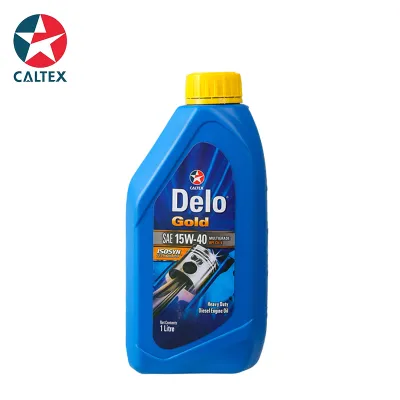
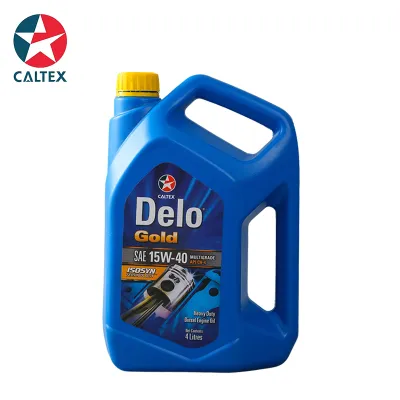
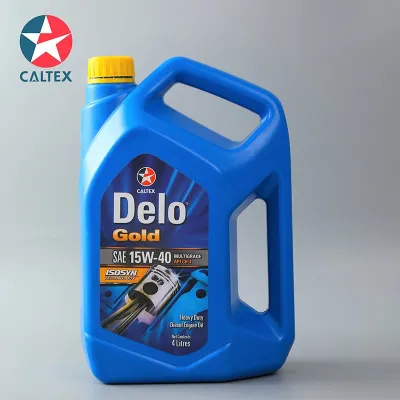
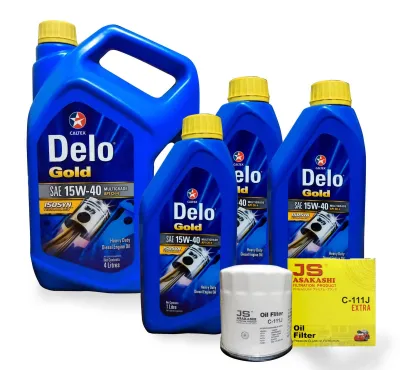
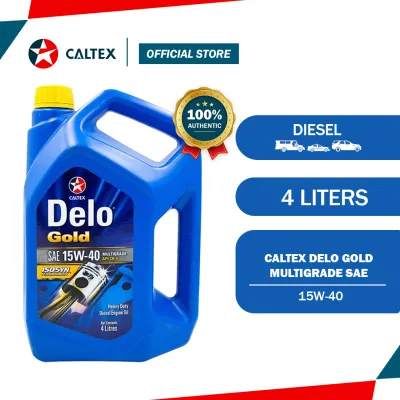
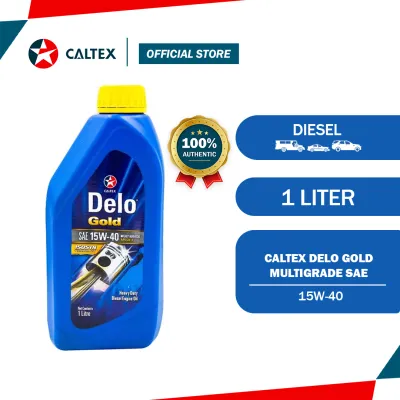
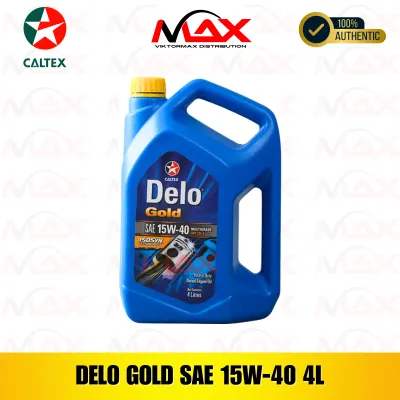
Choose caltex delo gold if you need highly reliable, everyday wear protection and excellent soot control for standard light-to-medium duty diesel engines, particularly in older utility vehicles, passenger pickups, or commuter vans where cost-effective mineral or semi-synthetic protection is desired.
Products mentioned in this guide
Prices are valid at publication and may change. Please refer to the product page for the latest price.
Choose Shell Rimula if your primary focus is on heavy-duty commercial hauling, continuous operation under severe loads, and robust acid neutralization to protect engines running on varying fuel qualities or in harsh industrial environments.
Choose Castrol Vecton if you prioritize maximizing drain intervals, reducing fleet downtime, and maintaining high thermal stability in modern diesel engines equipped with complex exhaust after-treatment systems like Exhaust Gas Recirculation (EGR) and Diesel Particulate Filters (DPF).
Choose Motul if you are looking for premium, high-performance synthetic formulations designed for high-stress, high-RPM, or modified turbo-diesel engines that require exceptional shear stability and rapid oil flow during cold starts.
Before purchasing or changing your engine oil, always consult your vehicle’s owner’s manual to verify the exact viscosity grade, API service classification, and oil volume required for your specific vehicle model and engine year. Never infer compatibility from general category terms. If you are performing a DIY oil change, ensure you have the proper tools, safety gear, and disposal methods for used oil, or seek qualified professional installation and service at an authorized service center.
Brand Lineup: Caltex Delo Gold vs Shell Rimula vs Castrol Vecton vs Motul
Caltex Delo Gold
Caltex Delo Gold has built a formidable reputation in the Philippines for its balanced performance and excellent soot-handling capabilities. Utilizing advanced additive technologies, this oil is specifically formulated to disperse soot particles effectively, preventing them from agglomerating and causing abrasive wear on critical engine components. It is highly favored by owners of light commercial vehicles, older SUVs, and public utility vehicles because it offers dependable protection against piston deposits and ring sticking without a premium price tag. The line includes both mineral and synthetic blend options, making it highly versatile for budget-conscious vehicle owners who refuse to compromise on basic engine safety.

Shell Rimula
Shell Rimula is a dominant force in the heavy-duty diesel engine oil market, engineered to withstand the most punishing operating conditions. The brand emphasizes its dynamic protection technology, which actively adapts to the physical and chemical stresses inside the engine. Rimula oils are designed to deliver outstanding acid control, helping to neutralize corrosive combustion byproducts that can damage bearings and cylinder liners. This makes it an exceptional choice for heavy commercial trucks, agricultural machinery, and construction equipment that operate for extended hours under heavy loads.
Castrol Vecton
Castrol Vecton focuses heavily on modern engine efficiency and extending the usable life of the lubricant. Formulated with System Pro Technology, Vecton is engineered to fight oil breakdown by resisting oxidation, reducing deposits, and neutralizing harmful acids. This technology provides an extra performance reserve, allowing the oil to maintain its protective properties even under high-temperature operating conditions. It is particularly well-suited for modern, low-emission engines that utilize exhaust gas recirculation (EGR) and diesel particulate filters (DPFs), where oil degradation can happen more rapidly due to higher thermal and chemical stress.
Motul
Motul occupies a premium, high-performance niche, offering advanced synthetic formulations that appeal to enthusiast drivers and operators of high-stress diesel engines. Known for its expertise in ester-based and fully synthetic lubricants, Motul’s diesel range, including the Tekma line, provides exceptional thermal stability and shear resistance. This means the oil maintains its protective film even under extreme heat and high RPMs, preventing viscosity breakdown. Motul is often the preferred choice for modern turbo-diesel SUVs and pickups where drivers demand maximum engine responsiveness, rapid oil circulation on startup, and superior protection against turbocharger deposits.
Critical Comparison Dimensions to Check on the Label
API and ACEA Service Classifications
The most critical step in comparing diesel engine oils is reading the industry-standard classifications printed on the back label. The American Petroleum Institute (API) classification for diesel engines starts with the letter “C” (for Commercial), followed by a second letter indicating the performance tier, such as CI-4, CJ-4, or CK-4. CK-4 is currently the most advanced standard, offering superior oxidation resistance, shear stability, and aeration control compared to older classifications.
European engines often require compliance with ACEA (European Automobile Manufacturers’ Association) standards, designated by the letter “E” (such as E6, E7, or E9). Matching or exceeding the specific classification listed in your vehicle’s owner’s manual is non-negotiable; using an oil with an obsolete classification can lead to accelerated wear, piston deposits, or irreversible damage to modern emission control systems.
Viscosity Grades (SAE)
Viscosity measures an oil’s resistance to flow, designated by the Society of Automotive Engineers (SAE) multi-grade system (e.g., 15W-40, 10W-30, or 5W-40). The number preceding the “W” (Winter) indicates the oil’s flow characteristics at low temperatures, while the second number represents its viscosity at operating temperature (100°C).
In the tropical climate of the Philippines, where ambient temperatures remain high year-round, cold-start performance is less about freezing temperatures and more about how quickly the oil can circulate through the engine upon startup to minimize initial wear. A lower cold viscosity like 5W or 10W ensures rapid lubrication at startup, while a hot viscosity of 40 provides a robust protective film under intense heat and heavy loads, preventing metal-to-metal contact.
Base Oil Composition
The performance and longevity of an engine oil are heavily influenced by its base oil composition, which is categorized as mineral, synthetic blend, or full synthetic. Mineral oils are refined directly from crude oil and are highly cost-effective, but they break down faster under extreme heat and offer lower resistance to sludge formation.
Synthetic blends combine mineral base oils with synthetic stocks to provide a significant boost in thermal stability and oxidation resistance at a moderate price point. Full synthetic oils are chemically engineered from pure compounds, offering the highest level of molecular uniformity, outstanding resistance to thermal breakdown, superior cold-flow properties, and the ability to maintain protective viscosity under extreme operating conditions over much longer periods.
Drain Interval Specifications
While premium oils often advertise extended drain intervals, these claims are typically based on idealized driving conditions. In real-world driving, especially in severe environments, oil degrades much faster due to fuel dilution, soot accumulation, and thermal stress.
It is essential to evaluate manufacturer-stated drain intervals against your actual driving habits. If your vehicle is subjected to severe conditions—such as frequent short trips, prolonged idling, carrying heavy loads, or driving in dusty or flooded areas—you must shorten the interval between oil changes to protect your engine from premature wear and sludge buildup.
Matching the Oil to Your Vehicle and Driving Environment
Light-Duty vs Heavy-Duty Applications
The lubrication requirements of passenger diesel vehicles, such as SUVs and pickup trucks, differ significantly from those of heavy commercial trucks and industrial machinery. Passenger vehicles typically experience varied driving cycles, including rapid acceleration, highway cruising, and frequent short trips, which require an oil that can flow quickly and protect against low-temperature sludge.
In contrast, heavy-duty commercial engines operate under continuous high loads and high temperatures for extended periods. These engines require oils with exceptional shear stability to prevent the protective oil film from tearing under mechanical pressure, along with robust acid-neutralizing capabilities to counteract the corrosive byproducts of continuous combustion.
High-Temperature and Stop-and-Go Traffic
The combination of high ambient tropical temperatures and severe urban traffic congestion, particularly in major metropolitan areas in the Philippines, creates an incredibly harsh environment for diesel engines. Stop-and-go driving prevents the engine from receiving adequate cooling airflow, causing internal temperatures to spike and accelerating the oxidation process of the engine oil.
When oil oxidizes, it thickens, loses its lubricating efficiency, and begins to form harmful sludge and varnish deposits on critical engine parts. To combat this, vehicles operating in congested urban environments require oils with robust oxidation inhibitors and high thermal stability, characteristics often found in premium semi-synthetic and full synthetic formulations.
High-Mileage and Older Engines
As diesel engines age and accumulate high mileage (typically over 100,000 kilometers), internal clearances between moving parts can widen due to gradual wear. This wear can result in a drop in oil pressure, increased oil consumption as oil slips past worn piston rings, and higher levels of soot entering the crankcase.
For these older engines, transitioning to a slightly higher viscosity oil (such as a 15W-40 or 20W-50, if approved by the manufacturer) can help seal clearances, maintain adequate oil pressure, and reduce oil consumption. Additionally, choosing an oil with a robust detergent package is critical for keeping high soot loads suspended in the oil, preventing them from settling as harmful engine deposits.
Pre-Purchase Verification and Value Assessment
Before purchasing any diesel engine oil, always cross-reference the specifications on the product label with your vehicle’s owner’s manual. Verify that both the viscosity grade (e.g., 15W-40) and the API or ACEA service classification (e.g., API CK-4) match or exceed the manufacturer’s requirements. This simple check is essential for maintaining engine safety, optimizing performance, and preserving any active vehicle warranties.
Counterfeit engine oils are a persistent issue in the automotive market, and using fake oil can lead to catastrophic engine failure. To protect your vehicle, buy only from official brand flagship stores on reputable online marketplaces, authorized physical distributors, or well-established auto supply chains. Always inspect the packaging carefully before use: check for intact tamper-evident seals, clear and professional label printing, and security features like holographic stickers or verifiable QR codes.
Calculating the true cost of ownership involves looking beyond the initial shelf price of a single bottle. While a basic mineral oil might have a low upfront cost, it may require more frequent oil changes, increasing your overall expenditure on oil filters, disposal fees, and labor over time. Conversely, a premium semi-synthetic or full synthetic oil, which may cost between ₱400 to ₱800+ per liter, can offer significantly longer drain intervals and better fuel economy, ultimately lowering your total maintenance costs per kilometer.
Ensure the selected engine oil is used only for its label-authorized purpose. Engine oils are formulated strictly for internal engine lubrication and must not be used on external paint, leather, plastics, sensors, or rubber seals, as the chemical additives can cause permanent material degradation.
Frequently Asked Questions (FAQ)
Can I mix Caltex Delo Gold with Shell Rimula or Castrol Vecton?
Mixing different brands or formulations of diesel engine oil is highly discouraged except in absolute emergencies. Each brand utilizes a unique proprietary blend of additives, detergents, and base oils designed to work together cohesively. Mixing them can disrupt this chemical balance, potentially causing additives to fall out of suspension, reducing the oil’s overall protective capabilities, or leading to the formation of harmful engine sludge. If you need to switch brands, it is always safest to perform a complete oil and filter change.
Is it safe to switch from a conventional diesel oil to a full synthetic?
Yes, switching from conventional to full synthetic oil is generally safe and highly beneficial for modern, well-maintained engines. Full synthetics offer superior protection, better thermal stability, and excellent engine cleaning properties. However, in very old or high-mileage engines, synthetic oils may wash away old sludge deposits that were temporarily sealing micro-cracks in worn gaskets, occasionally revealing pre-existing leaks. It is wise to inspect your engine seals for wear before upgrading and monitor for leaks after the switch.
How should I store unused diesel engine oil in a humid climate?
In highly humid tropical climates, moisture contamination is a significant threat to stored engine oil. To prevent water vapor from entering and degrading the oil’s additive package, keep unused oil in its original container with the cap screwed on as tightly as possible. Store the container in a cool, dry, indoor location away from direct sunlight and extreme temperature fluctuations, which can cause condensation to form inside the bottle. Avoid storing oil bottles directly on concrete floors, as temperature transfers can encourage moisture buildup; use a shelf or wooden pallet instead.
Community discussion
Share your experience or ask a question. Comments are reviewed before publication.