
Purchasing genuine engine oil is one of the most critical maintenance steps for preserving your vehicle’s performance and longevity. In the Philippines, where tropical heat, high humidity, and severe stop-and-go traffic place immense stress on engines, using high-quality lubricants like Caltex Havoline or Delo is essential. However, the rise of counterfeit lubricants in online marketplaces and unauthorized physical shops makes buying engine oil a risky task if you do not know how to verify your source.
To guarantee you are getting authentic products, the most reliable method is to buy directly from the Caltex official store on verified e-commerce platforms or from authorized physical distributors. This guide details how to locate legitimate Caltex sellers, perform physical and digital authenticity checks, and protect your vehicle from the severe risks of counterfeit engine oils.
The Risks of Using Counterfeit Engine Oil
Counterfeit engine oils are highly dangerous because they lack the sophisticated additive packages and high-quality base oils found in genuine Caltex formulations. Modern engines rely on precise chemical balances—including detergents, dispersants, anti-wear agents, and friction modifiers—to protect moving metal parts under extreme pressure. Fake oils are typically made from cheap, recycled waste oils or low-grade base stocks that fail to provide this essential protection.
Products mentioned in this guide
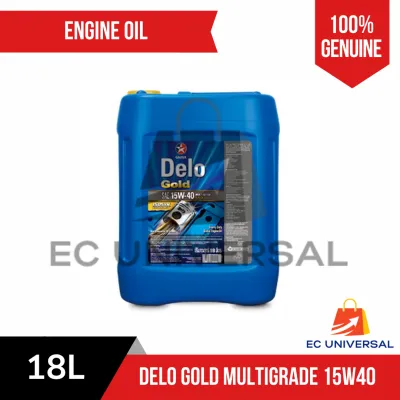
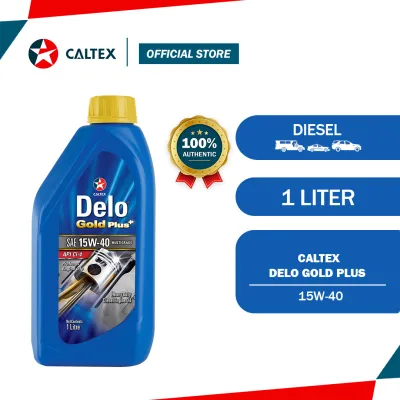
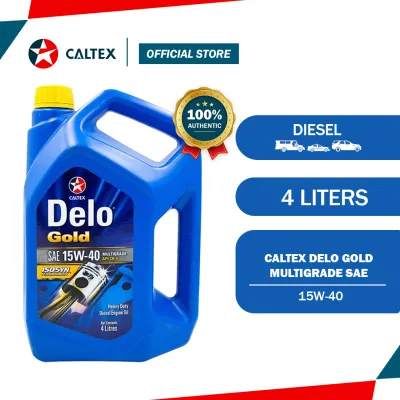
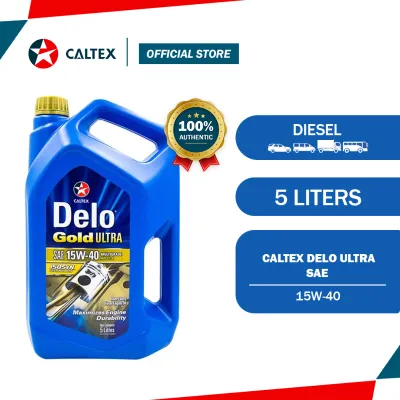
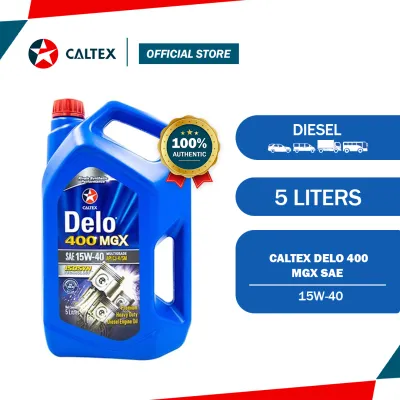
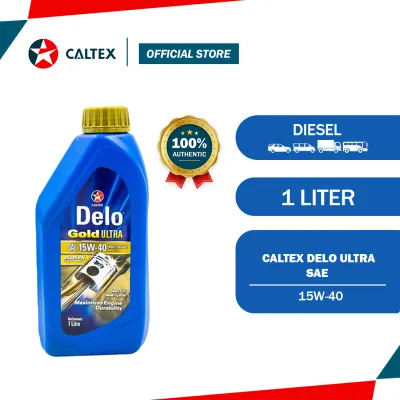
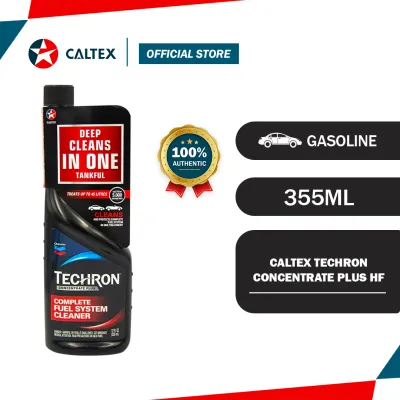
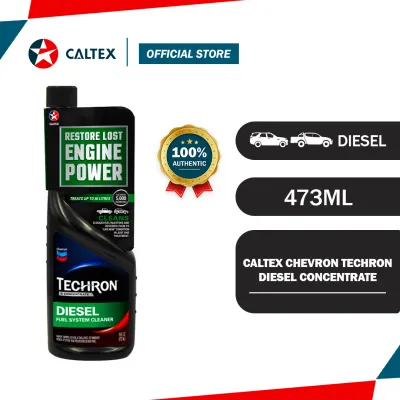
Prices are valid at publication and may change. Please refer to the product page for the latest price.
Using counterfeit lubricants can lead to severe and costly mechanical consequences. Without proper thermal stability, fake oil breaks down rapidly under the intense heat of tropical driving conditions, leading to massive sludge buildup, oil starvation, and accelerated component wear. Over time, this results in engine overheating, damaged piston rings, bent valves, or even catastrophic engine seizure, which requires a complete engine rebuild.
Furthermore, using unverified fluids can instantly void your vehicle manufacturer’s warranty. If an engine failure occurs and a laboratory analysis reveals that the failure was caused by substandard, non-compliant, or counterfeit oil, the vehicle manufacturer is legally permitted to deny your warranty claim. This leaves you fully responsible for thousands of pesos in repair bills.
While the exact prevalence of counterfeit lubricants in the automotive aftermarket fluctuates due to law enforcement crackdowns and changing supply chains, it remains a persistent global and local threat. Counterfeiters have become highly sophisticated, often recycling genuine empty bottles and refilling them with low-grade oil. This makes proactive buyer vigilance and verifying your purchasing channels your primary line of defense.
Where to Find the Caltex Official Store and Authorized Sellers
The most secure way to purchase genuine Caltex lubricants is to buy them from established offline channels. Physical Caltex service stations across the Philippines carry a complete range of genuine Havoline and Delo engine oils directly from Chevron. Additionally, authorized automotive workshops, such as Caltex Havoline autoXTREME shops, receive their inventory directly from official distributors, ensuring absolute product integrity.

When shopping online, you must look for the official Caltex storefront on major e-commerce platforms. Legitimate brand stores are clearly marked with verified badges, such as “Mall” or “Official Store” labels, which indicate that the platform has verified the seller’s business registration and brand authorization. Avoid buying from generic, unverified merchant profiles that happen to list Caltex products alongside unrelated household goods.
To ensure a seller is legitimate, you can cross-reference their shop details with the authorized dealer directories and station locators on the official Caltex Philippines website. Chevron regularly updates its list of authorized distributors and retail partners, allowing you to verify if an online store or local auto supply shop is a recognized partner before you finalize your purchase.
Be highly cautious of purchasing engine oil from unverified social media marketplace pages, unauthorized third-party resellers, or online storefronts that lack verifiable business registrations. These platforms often host sellers offering “imported” or “surplus” oils at prices that seem too good to be true. These products frequently bypass official quality control channels and are highly likely to be counterfeit.
Step-by-Step Guide to Verifying Caltex Engine Oil Authenticity
Before pouring any lubricant into your engine, always consult your vehicle owner’s manual to verify the correct viscosity grade, API service category, and manufacturer specifications required for your specific model and year. Once you have confirmed the correct oil specification, perform a thorough physical and digital inspection of the bottle immediately upon delivery or purchase.
Inspecting the Packaging and Seals
Begin your inspection by examining the security seal located directly under the plastic cap. On a genuine Caltex bottle, this induction-sealed foil or plastic barrier should be perfectly intact, evenly applied around the rim, and firmly adhered without any visible glue spills or loose edges. When you open the bottle, the seal should tear cleanly rather than peeling off in a single, flimsy piece.
Next, closely examine the plastic bottle itself. Genuine Caltex containers are manufactured using high-precision blow-molding equipment, resulting in smooth seams, consistent plastic thickness, and a sturdy feel. The labels should feature razor-sharp printing, accurate alignment, and correct brand colors; blurry text, crooked labels, or bleeding ink are immediate indicators of a counterfeit packaging job.
You must also verify that the batch number, manufacturing date, and expiration details are clearly legible. Chevron uses high-quality laser printing or embossing to apply these tracking codes directly onto the plastic bottle, usually near the shoulder or bottom edge. If these codes are smudged, easily scratched off with a fingernail, or do not match the batch numbers printed on the outer cardboard shipping carton, do not use the oil.
Finally, observe the physical characteristics of the fluid itself by pouring a small amount into a clean, clear container. Genuine Caltex engine oil is clear, consistent, and exhibits a bright amber or golden color, depending on the specific formulation. If the fluid appears cloudy, unusually dark, separated, or contains suspended dark particles, it is highly likely a counterfeit or contaminated product.
Using Digital and QR Code Verification
To combat counterfeiters, major lubricant brands utilize advanced digital tracking systems. For example, while brands like Shell use QR codes with scratch-off security layers and Castrol relies on unique holographic seals, Caltex has integrated anti-counterfeit holograms, scratch-off panels, and unique QR codes on many of its premium product lines. These features allow consumers to verify authenticity instantly using a smartphone.
Locate the security label on the bottle and follow the step-by-step instructions printed on it. This typically involves scratching off a protective coating to reveal a unique verification code, then scanning the QR code to access the official Caltex verification portal. The portal will immediately confirm whether the unique code is valid and if it has been scanned previously.
Keep in mind that anti-counterfeit technologies and verification platforms are updated periodically by Chevron to stay ahead of counterfeiters. Always rely on the specific verification instructions and web addresses printed directly on your product’s packaging rather than relying on outdated online tutorials or third-party blog posts.
Red Flags: How to Spot Fake Caltex Engine Oil
Recognizing the common warning signs of counterfeit lubricants can save you from catastrophic engine damage. Counterfeiters often focus on mimicking the external appearance of the bottle, but they rarely match the manufacturing precision of official packaging or the chemical standards of genuine oil.
Visual and Tactile Warning Signs
Counterfeit bottles often exhibit noticeable physical defects due to cheap manufacturing processes. Look for flimsy, easily compressible plastic, misaligned or poorly molded bottle seams, and spelling errors or grammatical mistakes on the rear instruction label. Blurry logos or stickers that peel off easily at the corners are also strong indicators of a fake product.
The scent of the oil is another highly reliable indicator of its legitimacy. Genuine Caltex engine oil has a very mild, distinct petroleum or chemical scent that is not overpowering. In contrast, counterfeit oil—which is frequently blended from recycled cooking oil, used motor fluid, or cheap industrial lubricants—often emits a pungent, burnt, or highly offensive chemical odor.
Pay close attention to the cap and the tamper-evident ring. On a genuine bottle, the plastic cap is perfectly aligned with the bottle’s threads, and the tamper-evident ring is tightly locked to the neck. If the ring is already broken, missing entirely, poorly glued, or if the cap sits crookedly, the bottle has likely been tampered with or refilled.
Pricing and Seller Behavior Red Flags
Pricing is one of the most reliable indicators of a counterfeit product. In the Philippines, a standard 1-liter bottle of genuine Caltex Havoline or Delo engine oil typically ranges from ₱300 to over ₱800, depending on whether it is mineral, semi-synthetic, or fully synthetic. If an online seller offers a 4-liter gallon of “fully synthetic” oil for an unrealistically low price, such as ₱400, it is almost certainly a counterfeit product.
Seller behavior can also expose fraudulent operations. Be wary of merchants who refuse to send real-time photos of the batch codes printed on the bottles before shipping, or those who provide vague, evasive answers when asked about their sourcing. Always read the customer reviews on the seller’s profile; multiple reviews complaining of thin oil, leaking bottles, or engine knocking after use are critical warnings.
Additionally, never purchase “open box,” unsealed, or dented containers from unauthorized sellers. Counterfeiters frequently buy empty, genuine Caltex bottles from auto shops, refill them with cheap base oil, and reseal them poorly. Purchasing only fully sealed, pristine containers from verified official stores eliminates this risk entirely.
Action Plan: What to Do If You Receive Suspected Fake Oil
If you suspect that the engine oil you received is counterfeit, you must take immediate action to protect both your vehicle and your consumer rights. Handling this situation systematically ensures you can secure a refund and prevent the fraudulent seller from scamming other motorists.
The absolute first and most critical rule is: do not pour the suspected oil into your vehicle’s engine under any circumstances. Running an engine even briefly with counterfeit oil can cause immediate, irreversible wear to critical components. If you have already poured the oil into your engine but have not started the car, do not turn the key; instead, arrange to have the oil completely drained and flushed.
Document the entire situation thoroughly to build a strong dispute case. Take high-resolution photos and videos of the packaging, focusing on the blurry labels, broken seals, mismatched batch codes, and the color of the fluid. Keep your original purchase receipt, transaction records, and save screenshots of all chat logs where the seller discussed the product’s authenticity or sourcing.
Next, file a formal dispute through the e-commerce platform’s customer resolution center to request a full refund. Provide your documented evidence to prove that the item received is counterfeit. You should also report the seller to the Department of Trade and Industry (DTI) or local consumer protection offices in the Philippines to initiate an investigation into their business practices.
Contact Caltex customer support directly through the official Chevron Philippines website to report the counterfeit product and the seller’s details. Chevron’s legal and brand protection teams actively track counterfeit operations and can use your batch codes and seller information to take legal action.
Finally, dispose of the suspected counterfeit oil responsibly. Never pour engine oil down household drains, into sewage systems, or directly onto the ground, as this causes severe environmental damage. Package the oil securely and transport it to a local automotive recycling facility, designated hazardous waste collection center, or an authorized service station equipped to handle waste oil disposal.
Frequently Asked Questions (FAQ)
Can I mix genuine Caltex oil with another brand if I run low?
In a strict emergency where your engine’s oil level is critically low, mixing genuine Caltex oil with another reputable brand of the exact same viscosity grade and API performance standard is acceptable to prevent oil starvation. However, this is not recommended for long-term operation. Different lubricant brands use distinct additive packages that may interact unpredictably when mixed, reducing the overall protective qualities of the fluid. You should have your engine oil completely flushed and refilled with a single, verified brand as soon as possible.
Does the Caltex official store offer warranties on engine oil?
Engine oil is classified as a consumable fluid, meaning that warranties provided by the official store cover the product’s authenticity, sealed container integrity, and shelf life prior to opening. The oil itself does not come with a mechanical warranty for your engine’s internal parts, unless the purchase and application are part of a specific, documented Caltex-branded service program that explicitly details engine coverage terms. To protect your engine, always ensure you follow your vehicle manufacturer’s recommended oil change intervals and oil specifications.
Community discussion
Share your experience or ask a question. Comments are reviewed before publication.