
Selecting the ideal engine oil from industry giants like Caltex, Shell, Castrol, and Motul is not a matter of identifying a single universal winner. Instead, the correct choice is entirely conditional, depending on your vehicle manufacturer’s exact engineering requirements. Modern engines are designed with highly specific tolerances, oil passage diameters, and operating temperatures that dictate a precise viscosity grade and performance standard.
Each of these four major brands occupies a distinct position in the automotive market. Caltex (marketed under the Havoline banner) emphasizes daily engine cleanliness and sludge prevention for standard commuting. Shell (Helix) utilizes advanced base oil technology to offer high purity and smooth operation. Castrol (Magnatec and Edge) focuses on targeted wear protection during critical cold starts and high-pressure driving. Motul caters heavily to high-performance, enthusiast-level, and specialized applications with its advanced synthetic and ester-based formulations.
To determine the best engine oil for your car, the ultimate deciding factor must always be the specifications listed in your vehicle’s owner’s manual. Any of these major brands can deliver exceptional protection, provided the specific product line you purchase carries the precise viscosity grade and OEM approvals required by your car’s manufacturer.
Products mentioned in this guide
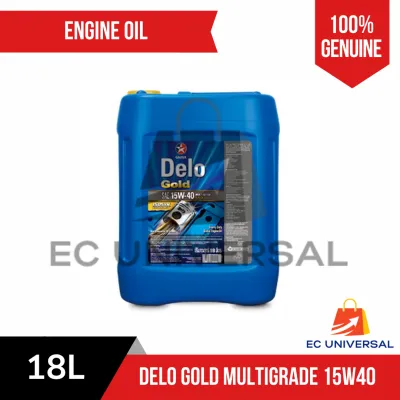
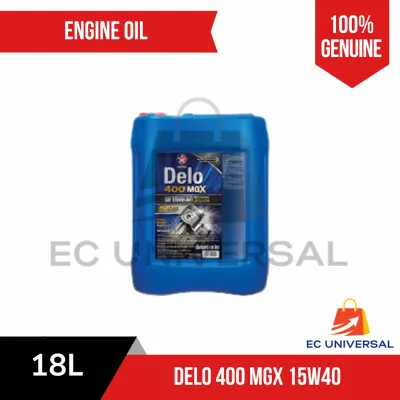
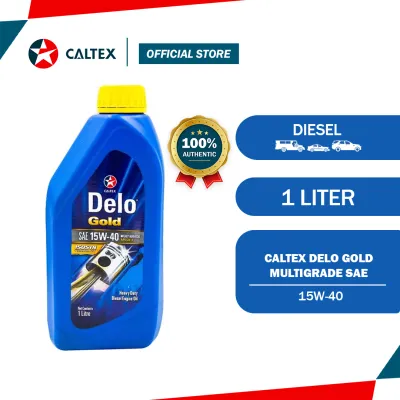
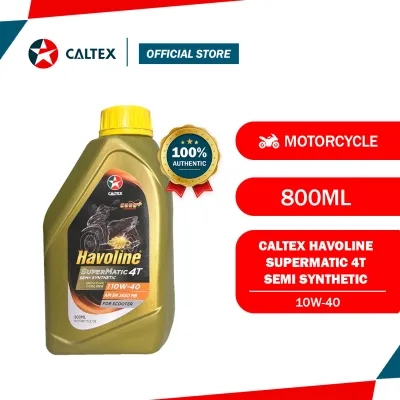
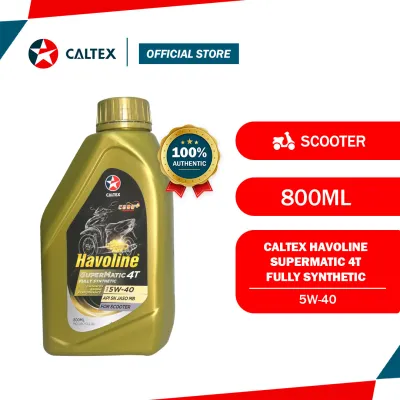
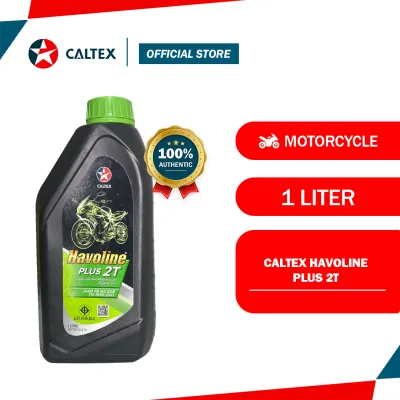
Prices are valid at publication and may change. Please refer to the product page for the latest price.
Brand Positioning and Core Technologies to Verify
Understanding the unique technological focus of each brand helps you navigate their product lines and match their benefits to your driving habits. While marketing terms highlight a brand’s engineering priorities, they should always be verified against official performance standards.
Caltex Havoline is widely recognized for its focus on deposit control and engine cleanliness, primarily through its proprietary Deposit Shield technology. This formulation is engineered to prevent the accumulation of harmful sludge, varnish, and carbon deposits that can restrict oil flow and reduce engine efficiency over time. It is highly suited for drivers seeking reliable, everyday protection for standard passenger cars and SUVs operating under typical commuting conditions.
Shell Helix leverages a unique manufacturing process known as PurePlus Technology, which converts natural gas into a crystal-clear base oil. This gas-to-liquid (GTL) base oil is virtually free of the raw impurities commonly found in crude-oil-derived mineral bases. When combined with Shell’s Active Cleansing Technology, this formulation helps prevent dirt particles from sticking together to form performance-robbing deposits, promoting smooth engine operation and long-term purity.
Castrol offers specialized protection across its primary product lines, Magnatec and Edge. Castrol Magnatec features specialized molecules that cling to critical engine components like a magnet, forming an extra layer of protection from the moment you start the engine, which is when a significant portion of engine wear occurs. Castrol Edge utilizes Fluid Titanium Technology, which physically transforms its structure under extreme pressure to reduce friction and maintain film strength in high-load, turbocharged, or modern downsized engines.
Motul has established a strong reputation among automotive enthusiasts, racers, and motorcycle riders for its high-performance synthetic formulations. The brand is a pioneer in utilizing ester technology—organic compounds that possess natural polar properties, allowing them to adhere tenaciously to metal surfaces. This molecular bond provides exceptional thermal stability and shear resistance under extreme operating temperatures, making Motul a premium choice for high-performance sports cars, modified engines, and track-focused vehicles.
Before purchasing any of these products, remember that brand-specific marketing terms do not replace standardized technical specifications. You must verify the specific product’s API (American Petroleum Institute) ratings, ACEA (European Automobile Manufacturers’ Association) classifications, and OEM (Original Equipment Manufacturer) approvals on the physical bottle label. Engine oils must only be used for their label-authorized purpose of internal engine lubrication. Never use engine oil as a general lubricant for external rubber seals, plastic trim, or sensors, as the chemical additives can degrade these materials.
Critical Specifications to Compare Before Buying
To ensure your engine operates safely and retains its warranty coverage, you must shift your focus from brand logos to technical specifications. Never assume an engine oil is compatible with your vehicle based solely on generic terms like “synthetic” or “heavy-duty.” Always verify compatibility by cross-referencing your vehicle’s specific model year, engine type, and manufacturer documentation with the technical specifications printed on the oil container.

The viscosity grade, established by the Society of Automotive Engineers (SAE), is the most critical specification to match. Expressed in formats like 5W-30 or 10W-40, the first number followed by the “W” (Winter) indicates the oil’s flow characteristics at low temperatures, while the second number represents its viscosity at normal operating temperature (100°C). Using an oil that is too thick can cause oil starvation during cold starts, while an oil that is too thin may fail to maintain a protective lubricating film under high heat. Always check your owner’s manual to identify the exact viscosity grade recommended for your vehicle.
Performance standards set by organizations like the API and ACEA define the oil’s chemical capabilities and compatibility with modern emissions systems. For gasoline engines, look for the API rating, which progresses alphabetically (e.g., SN, SP). The latest API SP standard is specifically formulated to mitigate low-speed pre-ignition (LSPI) in modern turbocharged direct-injection engines. European vehicles often require ACEA ratings, such as A3/B4 for standard high-performance engines, or C-class ratings (e.g., C3) which indicate low-SAPS (Sulfate Ash, Phosphorus, Sulfur) formulations. Low-SAPS oils are mandatory for modern diesel passenger cars equipped with Diesel Particulate Filters (DPFs) to prevent premature clogging and costly emissions system failures.
The base oil type—whether full synthetic, synthetic blend (semi-synthetic), or conventional (mineral)—significantly influences thermal stability and oil longevity. Full synthetic oils offer superior resistance to oxidation, better flow at startup, and extended protection under high temperatures, making them the standard recommendation for modern tight-tolerance engines. Synthetic blends offer a balanced, cost-effective alternative for moderate driving conditions, while conventional mineral oils are generally reserved for older engine designs or specific break-in procedures. Always align the base oil type with your vehicle’s age and manufacturer recommendations.
Many manufacturers, particularly European brands, require proprietary OEM approval codes to maintain warranty coverage. These codes, such as VW 504.00/507.00, MB-Approval 229.51, or BMW Longlife-04, indicate that the oil has passed specific testing protocols mandated by that manufacturer. Check the back label of the Caltex, Shell, Castrol, or Motul bottle to ensure the exact code required by your vehicle is explicitly printed on the packaging before making a purchase.
Adapting to Local Driving and Climate Conditions
Selecting the right engine oil also requires a thorough assessment of your local driving environment. In tropical regions like the Philippines, vehicles face unique challenges that accelerate oil degradation and demand careful maintenance planning.
Severe stop-and-go traffic, highly common in congested urban areas such as Metro Manila, Cebu, and Davao, subjects engines to prolonged periods of idling. When a vehicle idles extensively in heavy traffic, the engine does not benefit from the cooling airflow generated by forward motion, causing under-hood temperatures to rise significantly. This continuous thermal stress accelerates oil oxidation, breaks down viscosity modifiers, and rapidly depletes protective additives. Consequently, drivers operating in heavy traffic must understand that frequent urban congestion may require more regular oil changes rather than simply relying on a premium brand to extend service intervals.
High ambient temperatures and high relative humidity further compound the thermal load on your engine. In a tropical climate where temperatures regularly exceed 30°C, the engine operates under a higher baseline thermal state from the moment it starts. This environment underscores the importance of the high-temperature viscosity rating (the second number in the grade, such as the “30” in 5W-30 or “40” in 10W-40). A proper high-temperature viscosity ensures the oil maintains an adequate protective film thickness to prevent metal-on-metal contact when the engine is fully warmed up under intense tropical heat.
To protect your engine under these demanding conditions, you should consult the “severe driving conditions” section of your vehicle’s owner’s manual. Manufacturers typically define severe service to include frequent short trips under 8 kilometers, prolonged idling, stop-and-go city driving, and operating in hot, humid climates. If your daily commute meets any of these criteria, you should follow the shortened maintenance intervals specified by the manufacturer—often halving the standard interval to every 5,000 kilometers or six months—regardless of whether you choose Caltex, Shell, Castrol, or Motul.
Decision Framework: Which Brand Fits Your Needs?
To finalize your choice, you can use a conditional decision framework that aligns each brand’s specific strengths with your vehicle’s requirements and your personal driving profile.
Choose Caltex if: Your vehicle is a reliable daily commuter, passenger sedan, or family SUV, and your primary goal is maintaining long-term engine cleanliness and preventing sludge buildup during routine city and highway driving. Caltex Havoline provides a dependable, cost-effective solution for everyday protection, with typical prices ranging from ₱350 to ₱600 per liter for standard synthetic blends, provided its viscosity grade and API ratings match your owner’s manual.
Choose Shell if: You are looking for a widely available, highly refined synthetic oil that emphasizes engine purity, smooth operation, and robust thermal stability in heavy urban traffic. Shell Helix is an excellent option for modern vehicles requiring high-quality synthetic formulations (often priced between ₱500 and ₱900 per liter), backed by extensive local retail availability across service stations and authorized online retailers.
Choose Castrol if: Your daily driving involves frequent short trips, delivery operations, or carrying heavy loads that subject your engine to constant cold starts and high-pressure stress. Castrol Magnatec or Edge is ideal if you want targeted barrier protection during the critical startup phase or enhanced structural oil strength under severe operating loads.
Choose Motul if: You drive a high-performance sports car, a European luxury vehicle with strict OEM specifications, a modified engine, or a motorcycle, and you want premium synthetic or ester-based formulations. Motul is the preferred choice for enthusiasts who demand exceptional thermal stability and shear resistance during spirited driving or track conditions, with premium lines typically ranging from ₱700 to over ₱1,500 per liter.
Verify first if: Your vehicle is currently under warranty or equipped with modern emissions systems. Always ensure the oil you select carries the exact OEM approval codes required by your manufacturer to avoid voiding your warranty coverage. If you drive a modern diesel vehicle with a Diesel Particulate Filter (DPF), verify that the oil is a low-SAPS formulation (such as an ACEA C3 rating) to prevent costly damage to your emissions control system.
Performing an oil change yourself requires adhering to strict safety boundaries. Always ensure the vehicle is parked on a level surface, secured with wheel chocks, and supported by rated jack stands—never rely solely on a scissor or hydraulic jack. Allow the engine to cool completely to avoid severe burns from hot oil. If you are unfamiliar with the correct oil drain plug torque specifications or filter installation procedures outlined in your original-vehicle instructions, seek qualified professional installation at an authorized service center. Always check the applied product’s label and your vehicle manufacturer’s instructions before pouring. If the oil label instructions conflict with your owner’s manual, if your vehicle’s engine type is unidentified, or if your specific driving use is not covered, stop immediately and consult the vehicle manufacturer or a qualified professional mechanic.
Frequently Asked Questions (FAQ)
Can I mix Caltex engine oil with Shell or Castrol?
While mixing different brands of engine oil of the same viscosity and specification is generally safe in an absolute emergency to prevent running your engine dry, it is highly discouraged for routine maintenance. Different lubricant manufacturers formulate their oils with distinct, proprietary additive packages—including unique combinations of detergents, dispersants, anti-wear agents, and friction modifiers—that are chemically balanced for optimal performance. Mixing different brands can disrupt this chemical balance, potentially reducing the oil’s overall protective capabilities, accelerating additive depletion, or causing unpredictable interactions. If you must mix brands to top up a low oil level, it is highly recommended to perform a complete oil and filter change as soon as possible to restore uniform protection.
Does using a premium brand extend the oil change interval?
No, using a premium brand or a more expensive full synthetic oil does not grant permission to extend your oil change intervals beyond the manufacturer’s recommendations. Oil change intervals are determined strictly by your vehicle manufacturer’s engineering guidelines and your specific driving conditions, not by the price tag or marketing claims of the lubricant brand. Over time, even the highest-quality synthetic oil accumulates physical contaminants, fuel dilution, moisture, and combustion byproducts that can only be removed by physically draining the old oil and replacing the filter. Adhering to the manufacturer’s specified time or mileage limits—especially the shortened intervals required for severe driving conditions—is essential for maintaining engine health and warranty compliance.
How do I know if my car needs high-mileage engine oil?
High-mileage engine oils are specifically formulated for vehicles that have accumulated significant wear, typically exceeding 120,000 to 160,000 kilometers on the odometer. These specialized formulations contain seal-conditioning additives designed to penetrate, soften, and restore elasticity to hardened or shrunk rubber seals and gaskets, which helps prevent oil consumption and minor external leaks. They may also feature higher concentrations of anti-wear agents and viscosity modifiers to protect worn engine components and maintain oil pressure. If your older vehicle is experiencing mild oil consumption, showing signs of minor oil dampness around gaskets, or if you want to proactively protect aging seals, consult your vehicle’s manual or a trusted, certified mechanic to determine if switching to a high-mileage formulation from a major brand is appropriate for your engine’s condition.
Community discussion
Share your experience or ask a question. Comments are reviewed before publication.