
Social media feeds are filled with quick, satisfying videos showing how household wet wipes, baby wipes, or makeup removers can instantly restore a car’s interior shine or clean dirty headlights. While these viral car cleaning wipes hacks promise to save time and money, many of them pose a serious risk to your vehicle’s delicate surfaces. The reality of automotive care is that car interiors and exteriors are engineered with specialized materials—such as UV-resistant plastics, treated leathers, and anti-glare screen coatings—that do not react well to household chemicals. Understanding how to verify which hacks are safe to test and which ones are outright myths is essential to preserving both the aesthetic appeal and the resale value of your vehicle.
The Risks of Following Unverified Car Cleaning Wipes Hacks
Adopting unverified cleaning trends from online videos without checking their chemical makeup can lead to costly cosmetic and structural damage. Many popular hacks advocate for the use of household disinfecting wipes, baby wipes, or general-purpose surface cleaners on automotive surfaces. However, these products are formulated for non-porous household countertops or human skin, not the specialized materials found inside a modern vehicle.
The root cause of the damage lies in the chemical incompatibility between household formulas and automotive surfaces. Household wipes often contain harsh solvents, high alcohol concentrations, or mismatched pH levels that strip away protective topcoats. For instance, using an acidic or highly alkaline wipe on leather can dry out the material, leading to premature cracking. Similarly, harsh chemical agents can dissolve the delicate anti-glare or oleophobic coatings on infotainment screens, leaving behind permanent cloudy patches.
Products mentioned in this guide
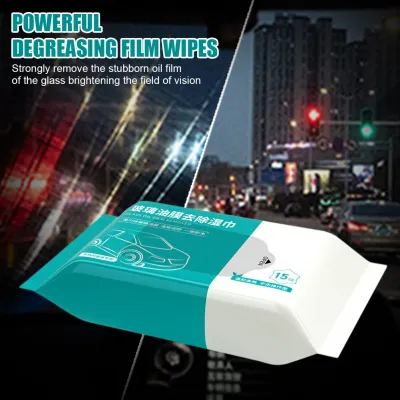
648 Lazada user ratings
Gentle on the windshield, Efficiently removes oil film, Great value for money, Leaves no streaks on glass, Convenient for on-the-go cleaning…Read full reviewShow less
Gentle on the windshield, Efficiently removes oil film, Great value for money, Leaves no streaks on glass, Convenient for on-the-go cleaning, Perfect for maintaining clear visibility, High-quality material used, No need for additional cleaning products,
Convenient for on-the-go cleaning, Efficiently removes oil film, Efficiently removes oil film, Efficiently removes oil film, Leaves no strea…Read full reviewShow less
Convenient for on-the-go cleaning, Efficiently removes oil film, Efficiently removes oil film, Efficiently removes oil film, Leaves no streaks on glass, High-quality material used, Convenient for on-the-go cleaning,
Fast shipping and delivery. I haven’t tried it yet. But i will update once I have. So far, I received the item in good condition.
Great value for money, Compact and easy to carry, No need for additional cleaning products,
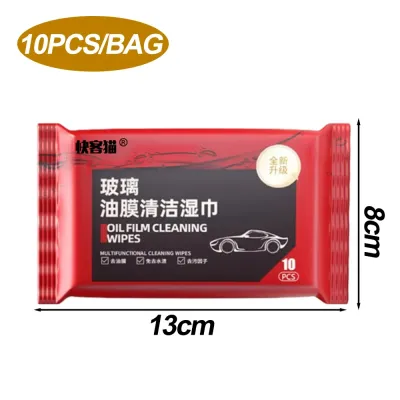
38 Lazada user ratings
Streak-free glass finish, Deep clean windshield, waiting for rains so we can see the effect of the glass degreasing wet wipes.
👌Ease of Use:perfect for cars ✨Effectiveness:usable for everyday car thingd 💰Value for Money:cheaper than other stores
thank you so much sana effective hehehehe💖💖💖💖💖💖💖💖💖💖💖💖💖💖💖💖💖💖💖💖💖💖💖💖💖💖
to be tested
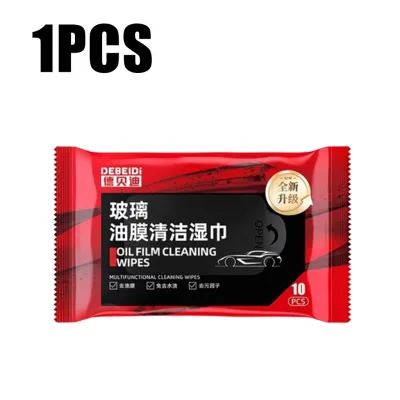
289 Lazada user ratings
I haven’t tried it yet. Ive just received the product due inclement weather condition this past few weeks. Thank you for delivering it as so…Read full reviewShow less
I haven’t tried it yet. Ive just received the product due inclement weather condition this past few weeks. Thank you for delivering it as soon as possible. I will be sending other review after i tried it on my car.
works well even during trips. no need to car wash. just apply to remove road grease on windshield.
Great value for money. Quick cleaning tissue. Not that effective but it works.
Thanks LEX Fast delivery Thanks seller - CartoYou Will try to use on my car
Effective oil film removal, Safe for glass surfaces,
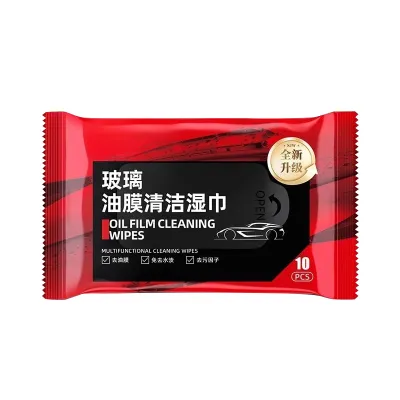
448 Lazada user ratings
👌Ease of Use:yes 🔨Durability:nice 🔒Safety:yes 💪Effectiveness:very effective for acid rain removal ✨Effectiveness:very effective Absorbs inse…Read full reviewShow less
👌Ease of Use:yes 🔨Durability:nice 🔒Safety:yes 💪Effectiveness:very effective for acid rain removal ✨Effectiveness:very effective Absorbs insect residue easily, 💰Value for Money:worth it for money
The package was recieved in good condition. It was well wrapped. The product removes oil film and made the wind shield clear Thanks
very good & nice quality haven't tried yet? but I know it's good coz my friend recommended thanks lasada and delivery man
wag niyo na subukan mag order wala g kwentang product Buti nalang ta 10pcs lang in order ko use less
Non-sticky and non-clumping, Absorbs insect residue easily,
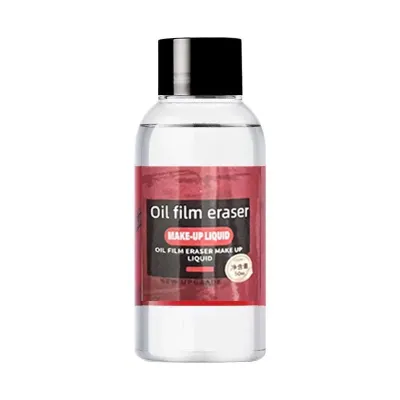
22 Lazada user ratings
Walang kweta yang produto nyo sayang pera ko wag na kayong omurder pangit talaga
Will try it first
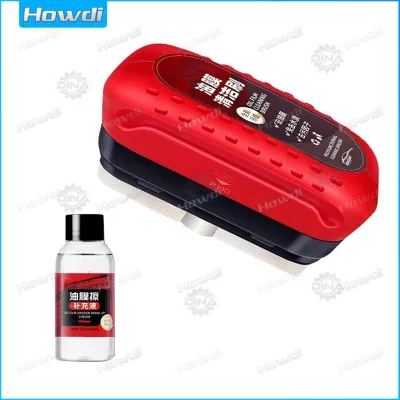
Prices are valid at publication and may change. Please refer to the product page for the latest price.
When these protective barriers are compromised, the resulting damage is often irreversible through simple cleaning. Restoring a ruined leather seat, a cloudy touchscreen, or a chemically etched dashboard typically requires professional intervention or complete component replacement. These repairs can easily cost thousands of pesos (₱), turning a seemingly cheap cleaning shortcut into an expensive lesson in automotive detailing.
How to Evaluate a Wipe Hack Before Touching Your Vehicle
Before applying any trending wipe hack to your vehicle’s surfaces, you should follow a systematic evaluation process to verify its safety. The first step is to carefully read the product label of the wipe you intend to use. Look closely at the active ingredients and avoid any wipes that contain high concentrations of isopropyl alcohol, ammonia, bleach, or undisclosed industrial solvents. These chemicals are notorious for degrading automotive plastics, rubbers, and adhesives.

Next, always consult your vehicle owner’s manual before introducing any new cleaning agent to the cabin or exterior. Manufacturers explicitly list approved cleaning methods and highlight prohibited chemicals for specific trim levels. If the manual warns against alcohol-based cleaners on the dashboard or screens, you must immediately reject any hack that utilizes disinfecting wipes on those areas.
If a wipe passes the initial label and manual checks, you must perform a mandatory spot test before cleaning the entire surface. Select an inconspicuous area that is hidden from plain sight, such as the underside of a seat cushion, the lower portion of a door panel, or the inside of a glove box. Gently wipe the test area and allow it to dry completely under normal temperature conditions.
Once dry, inspect the spot test area under direct light. Check for any signs of discoloration, fading, sticky residue, or changes in texture, such as a matte finish turning artificially glossy. If you observe any of these negative reactions, do not proceed with the wipe on any visible part of the vehicle.
Common Wipe Hacks: What to Verify and What to Avoid
To help you navigate the sea of online advice, it is helpful to categorize popular wipe hacks by the specific vehicle zones they target. Rather than accepting these methods at face value, you should focus on verifying their chemical properties and physical characteristics against the demands of each surface.
Interior and Dashboard Wipes
Many online tutorials suggest using baby wipes or household dust wipes to clean vinyl, plastic, and leather interior surfaces. While baby wipes are designed to be gentle on skin, they frequently contain moisturizing agents, oils, or fragrances. When applied to a car dashboard, these oils can leave behind a greasy film that actually attracts dust and pollen, making the surface dirtier over time.
For leather or synthetic upholstery, you must verify the pH balance of the wipe. Leather is naturally acidic, and using highly alkaline household wipes can strip away the essential oils and protective finishes applied during manufacturing. Before using any wipe on porous seating materials, ensure it is free of heavy degreasers and alcohol. After wiping, observe the surface as it dries; if it leaves a patchy, uneven sheen or alters the original matte texture, discontinue use immediately to prevent long-term drying and cracking.
Exterior Paint and Glass Wipes
Another common trend involves using household glass wipes or general-purpose cleaning wipes to remove bugs, bird droppings, or road grime from exterior paint and windows. However, many household glass wipes contain ammonia, which can damage aftermarket window tint films and degrade rubber window seals over time. You must verify that any wipe used on glass is explicitly labeled as ammonia-free and safe for automotive tint.
When it comes to exterior paint, using general-purpose wipes is highly risky. These wipes often feature abrasive fibers designed to scrub away kitchen grease, which can easily leave micro-scratches or swirl marks on your car’s delicate clear coat. Furthermore, household wipes lack the lubricating agents found in dedicated waterless car washes, meaning any embedded grit or dust on the paint will be dragged across the surface. Always verify that any exterior wipe is formulated specifically for automotive paint and contains high-lubricity agents to safely lift dirt.
Screen and Infotainment Display Wipes
Modern vehicles feature large infotainment touchscreens that are highly sensitive to chemical exposure. A popular hack suggests using standard electronic wipes or antibacterial wipes to sanitize these screens. However, many of these wipes contain alcohol or ammonia, which can strip away the factory-applied anti-glare and oleophobic (oil-resistant) coatings.
To protect your display, check your vehicle’s infotainment manual for specific cleaning restrictions, as many manufacturers recommend using only a dry or slightly damp microfiber cloth. If you must use a wipe, verify that it is explicitly labeled as safe for delicate automotive displays and contains zero alcohol or ammonia. After a test wipe, observe the screen from an angle under bright light; if you notice increased fingerprint retention, permanent smudging, or a cloudy film, stop using the product immediately to avoid ruining the display’s optical clarity.
Safe Alternatives and Proper Wipe Techniques
When online hacks fail to pass your safety checks, the best course of action is to rely on purpose-built automotive wipes and correct application techniques. Dedicated automotive wipes are formulated specifically to withstand the high temperatures and UV exposure typical of car interiors. These products specify their compatibility directly on the packaging, clearly indicating whether they are safe for clear coats, leather, vinyl, or sensitive touchscreens.
Using the correct wiping technique is just as important as choosing the right product. Never scrub a surface in circular motions, as this can trap abrasive particles and grind them into the material. Instead, fold the wipe into quarters to create a flat, controllable pad. Wipe in single, unidirectional passes, flipping the wipe to a clean section after each pass to lift and lock away dirt rather than dragging it across the surface.
Additionally, you should always use separate, clearly labeled wipes for different zones of your vehicle. Using an interior vinyl wipe on your leather seats or an exterior glass wipe on your dashboard can lead to cross-contamination. The chemical residues from one formula can react negatively with the materials of another zone, causing unexpected staining or degradation. Keeping your cleaning products organized by zone ensures that each material receives only the specific care it requires.
When to Stop and Consult a Professional Detailer
While DIY maintenance is a great way to keep your car looking fresh, you must recognize the limits of home cleaning. If you notice clear signs of damage during or after using a wipe, you should stop immediately. Clear indicators that require professional attention include visible clear coat peeling, leather cracking or color transfer onto the wipe, persistent screen cloudiness, or strong chemical odors that do not dissipate after ventilation.
Do not attempt to fix chemical etching, deep stains, or stripped coatings with more DIY hacks or aggressive buffing compounds, as this often worsens the damage. Instead, consult a professional detailing service in the Philippines. Professional detailers possess the specialized tools, pH-neutral restoration agents, and paint correction equipment necessary to safely restore your vehicle’s surfaces without causing further harm.
Frequently Asked Questions (FAQ)
Can I use baby wipes on my car's leather seats?
You should generally avoid using baby wipes on leather seats unless you have thoroughly verified their ingredients. Many baby wipes contain moisturizers, oils, and fragrances that can leave a sticky residue, attracting dirt and eventually breaking down the leather’s protective topcoat. Always check the ingredient list for alcohol and perform a spot test in an inconspicuous area. For the best results, consult your vehicle’s leather care manual and use a dedicated, pH-balanced automotive leather wipe.
Do antibacterial wipes damage car interiors?
Yes, many household antibacterial wipes can damage car interiors. These wipes often contain high concentrations of alcohol, bleach, or harsh quaternary ammonium compounds designed to kill germs on hard, non-porous household surfaces. When applied to automotive vinyl, plastic, or leather, these chemicals can dry out the material, leading to discoloration, cracking, or peeling. Only use sanitizing products that are explicitly labeled as safe for automotive interiors.

Community discussion
Share your experience or ask a question. Comments are reviewed before publication.