
Choosing the right car dehumidifier depends on how often you drive, your willingness to perform regular maintenance, and your budget. In high-humidity environments like the tropical climate of the Philippines, excess cabin moisture leads to fogged windshields, musty odors, and potential mold growth. Active electric models excel at rapid, continuous moisture removal for daily drivers but require a reliable power source. Reusable silica gel or charcoal bags offer a passive, low-maintenance, and highly portable alternative. Disposable chemical absorbers provide a cost-effective, high-capacity solution for stationary or stored vehicles but require careful handling to prevent spills. Understanding the distinct operational profiles, maintenance needs, and safety considerations of each type will help you select the most effective system for your vehicle’s interior.
How the Three Main Car Dehumidifier Types Work
Reusable silica gel or charcoal bags operate entirely on passive physical adsorption. Silica gel contains microscopic pores that naturally attract and trap water molecules from the surrounding air. Similarly, activated bamboo charcoal bags use their highly porous structure to bind both moisture and odor-causing molecules. These bags require no electrical power or chemical reactions to function. You simply place them on the dashboard, under seats, or in door pockets, where they silently draw in ambient moisture until they reach their maximum saturation point.
Electric 12V dehumidifiers provide active moisture removal using thermoelectric cooling, often referred to as the Peltier effect. When plugged into the vehicle’s accessory socket, electrical current flows through a thermoelectric module, creating a temperature difference that cools an internal metal plate. A small built-in fan draws humid cabin air across this cold plate, causing the moisture to condense into water droplets that drip into a collection reservoir. Because they rely on active airflow, these devices can lower cabin humidity much faster than passive alternatives, though they only operate when supplied with electrical power.
Products mentioned in this guide
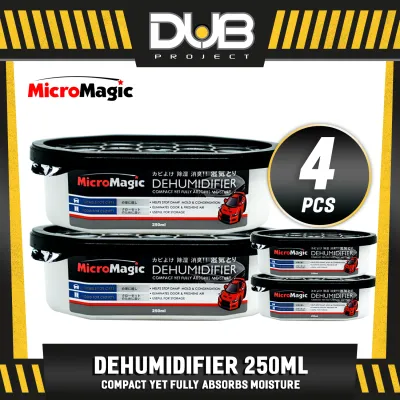
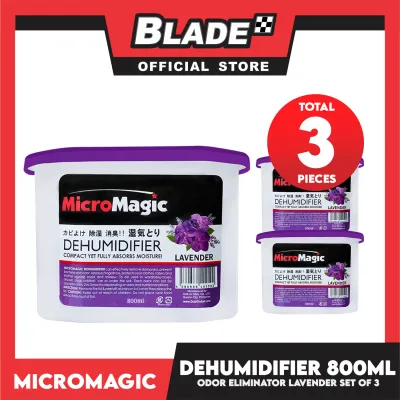
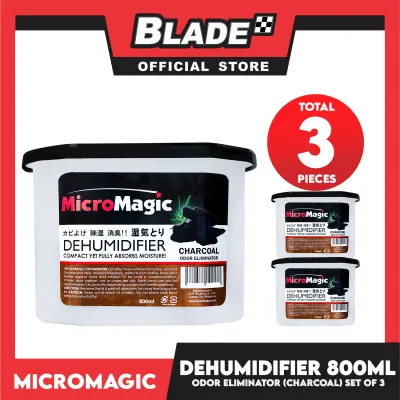
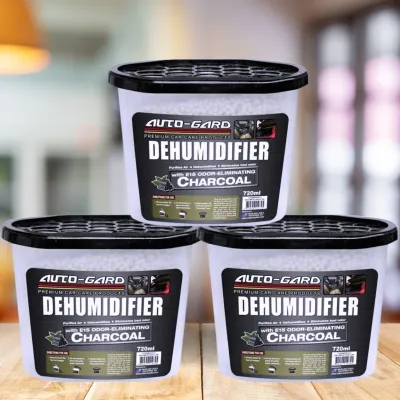
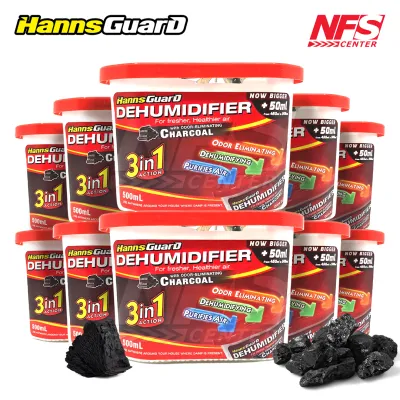


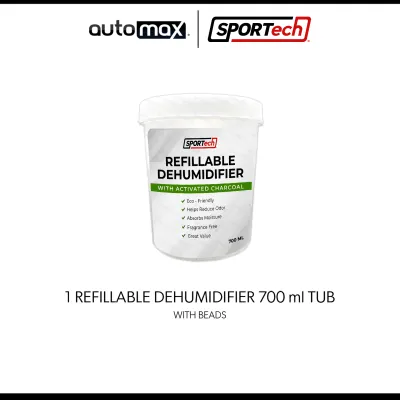
Prices are valid at publication and may change. Please refer to the product page for the latest price.
Disposable moisture absorbers rely on chemical absorption, typically utilizing calcium chloride crystals. Calcium chloride is a highly hygroscopic salt that actively pulls water vapor from the air. As the crystals absorb moisture, they undergo a chemical process where they gradually dissolve, turning into a liquid brine solution that drains into a lower collection chamber. Once the solid crystals are completely dissolved and the reservoir is full, the entire unit must be discarded and replaced with a new one.
Comparing Maintenance, Cost, and Effectiveness
The maintenance effort required for each dehumidifier type varies significantly. Reusable bags require periodic “recharging” or reactivation to release the trapped moisture. When the silica gel becomes saturated, you must dry it out by placing the bag in direct sunlight, baking it in a conventional oven, or heating it in a microwave, depending on the manufacturer’s specific instructions. Electric units require you to manually empty the water collection tank once it fills up, and you must ensure the power cord is safely routed so it does not interfere with driving controls. Disposable absorbers require virtually no maintenance during their operational life, but they demand regular monitoring to ensure they do not overflow or tip over, followed by complete disposal once exhausted.

From a cost perspective, each option presents a different long-term value proposition. Reusable bags have a moderate upfront cost, often ranging from a few hundred to over a thousand pesos, but they offer excellent long-term value because they can be reactivated dozens of times without additional expense. Electric 12V dehumidifiers represent the highest initial investment, requiring a larger upfront purchase price in ₱, along with potential long-term costs if the internal fan or thermoelectric element fails. Disposable moisture absorbers are the cheapest option upfront, often costing under a hundred pesos per unit, but their recurring replacement costs can accumulate significantly over a year of continuous use in highly humid tropical conditions.
Space and placement within the cabin also affect daily usability. Reusable bags are highly versatile; they can be placed directly on the dashboard to combat windshield fogging, tucked into seatback pockets, or placed in the trunk. Electric models have a larger physical footprint and must be securely mounted or placed on a flat surface, such as the center console or floorboard, where they have access to a 12V outlet and will not slide around during sudden stops. Disposable chemical absorbers must be kept upright at all times to prevent the highly corrosive liquid brine from spilling; they are best suited for flat, stable surfaces like the floor of a parked vehicle or the trunk, making them less practical for active daily driving.
Local environmental conditions heavily influence how well each type performs. Passive reusable bags work slowly and are most effective in sealed, confined spaces where they can gradually lower the relative humidity over several hours or days. Electric models provide rapid, active dehumidification, making them highly effective at clearing condensation quickly when you start the vehicle, though their performance can be limited by extremely low ambient temperatures or poor vehicle sealing that allows outside air to constantly enter. Disposable chemical absorbers are highly efficient at pulling large volumes of moisture from the air, but their chemical reaction rate increases with higher humidity and temperature, meaning they will deplete much faster during the wet monsoon season.
Which Car Dehumidifier Should You Choose?
An electric 12V dehumidifier is a highly suitable choice if you are a daily commuter who frequently deals with morning windshield fog, drives in heavy rain, or has a vehicle with a damp cabin due to minor door seal leaks. The active airflow and rapid moisture extraction of an electric unit will quickly clear the air while the engine is running, providing immediate visibility and comfort.
A reusable silica gel or charcoal bag is a highly suitable fit if you want a simple, eco-friendly, and set-and-forget solution for a well-sealed vehicle. If you only experience mild cabin dampness or occasional musty smells, placing a few silica gel or charcoal bags around the interior will maintain a balanced humidity level without consuming power or risking chemical spills.
Disposable moisture absorbers are highly suitable if you are storing a vehicle in a garage, parking a secondary car for extended periods, or dealing with a major interior leak that requires maximum moisture extraction while the car is stationary. Their high capacity allows them to collect significant amounts of water over weeks of storage without needing a power source.
Before making a purchase, verify your vehicle’s specific interior characteristics. Check your owner’s manual for any warnings regarding aftermarket 12V accessories, especially if your vehicle features sensitive modern electronics or a start-stop system that manages battery voltage tightly. Additionally, inspect your upholstery; if you have specialized leather, delicate fabrics, or custom carpets, you must ensure that any chemical absorber you choose is placed in a secure container where it cannot tip over, as calcium chloride brine can cause permanent damage to these materials.
Safe Usage, Maintenance, and When to Seek Help
When using an electric dehumidifier, always verify the behavior of your vehicle’s 12V accessory socket. Some vehicles cut power to the outlet immediately when the ignition is turned off, while others keep the socket live continuously. Leaving an electric dehumidifier plugged into an always-on socket overnight can drain your car battery, leaving you stranded. Refer to your vehicle’s owner’s manual to determine the socket’s power delivery behavior and to check for any parasitic draw limits. Ensure the power cable is routed safely away from the pedals, gear shifter, and steering column.
Calcium chloride is highly corrosive to metals and can severely dry out and ruin leather, vinyl, and carpet fibers. If you use disposable moisture absorbers, place them in a secondary, non-slip plastic container to catch any accidental spills. Never place them on the dashboard or seats where sudden braking could cause them to tip over. If a spill occurs, clean it immediately according to the manufacturer’s instructions, usually involving blotting the liquid and rinsing the area thoroughly with clean water. Always dispose of the collected liquid and the plastic container according to local environmental regulations and the product label.
For reusable silica gel bags, always adhere strictly to the manufacturer’s instructions for reactivation. Overheating a bag in a microwave or oven can melt the outer fabric, release toxic fumes, or damage the indicator beads. If the instructions specify sun-drying, place the bag in direct sunlight on a dry day for the recommended number of hours. Do not attempt to speed up the process using unapproved heating methods.
While car dehumidifiers are excellent for managing everyday ambient moisture, they are not a cure for structural vehicle issues. If you notice persistent, heavy condensation on the inside of your windows, standing water under the carpets, or a deep, stubborn mold smell that does not go away, stop relying solely on dehumidifiers. These symptoms often point to clogged sunroof drains, degraded door or windshield seals, or a leaking heater core. In such cases, consult a qualified automotive professional to locate and repair the source of the water intrusion before permanent damage occurs to your vehicle’s electrical systems and interior.
Frequently Asked Questions (FAQ)
Can I leave a 12V electric dehumidifier plugged in overnight?
It is generally not recommended to leave a 12V electric dehumidifier plugged in overnight unless you have verified that your vehicle’s accessory socket automatically shuts off when the engine is turned off. In vehicles where the 12V socket remains constantly powered, an active dehumidifier will continue to draw current from the battery, which can lead to a dead battery by morning. Always consult your vehicle’s owner’s manual or test the socket with a phone charger to confirm whether power is cut when the key is removed.
How do I know when a reusable dehumidifier bag needs recharging?
Most high-quality reusable silica gel bags feature a built-in indicator, such as a color-changing patch or visible indicator beads. These beads typically change from blue to pink, or brown to green, when they have reached their maximum moisture capacity. If your bag does not have an indicator, you can monitor its effectiveness by weighing it when dry and comparing it to its weight when saturated, or simply by noticing when your vehicle’s windows begin to fog up again.
Community discussion
Share your experience or ask a question. Comments are reviewed before publication.