
Choosing the right material for your car door sill protectors depends on whether you prioritize heavy-duty impact resistance, flexible scratch protection, or a specific aesthetic style. Carbon fiber, stainless steel, and thermoplastic polyurethane (TPU) each serve distinct protective roles. While rigid plates like stainless steel and carbon fiber excel at shielding your vehicle’s metal frame from heavy heel strikes, flexible TPU films offer a virtually invisible barrier that conforms to complex curves and self-heals minor scuffs. Evaluating your daily vehicle usage, the contour of your door sills, and your aesthetic preferences will guide you to the ideal choice.
Understanding the Three Main Protector Materials
To make an informed decision, you must first understand the physical composition of these three popular materials. Carbon fiber protectors are typically rigid or semi-rigid composites. They consist of woven carbon filaments bound together by a polymer resin, creating a lightweight yet incredibly strong shield. These protectors are usually molded to fit specific vehicle models and attach directly to the door sill using pre-applied automotive-grade double-sided adhesive tape.
Stainless steel protectors are stamped or molded metal alloy plates. Known for their exceptional resistance to rust, corrosion, and structural deformation, these plates provide a solid, unyielding barrier. Like carbon fiber, stainless steel plates are rigid and rely on heavy-duty acrylic foam adhesives to bond securely to the vehicle’s painted surface. They are often designed with raised ridges or textured patterns to provide additional grip underfoot.
Products mentioned in this guide
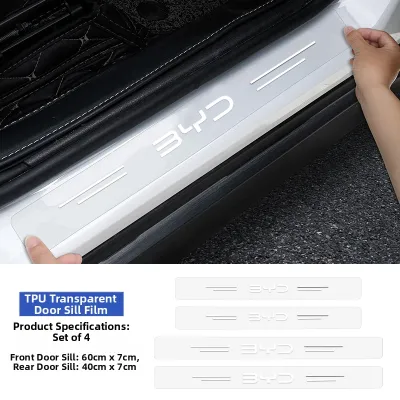
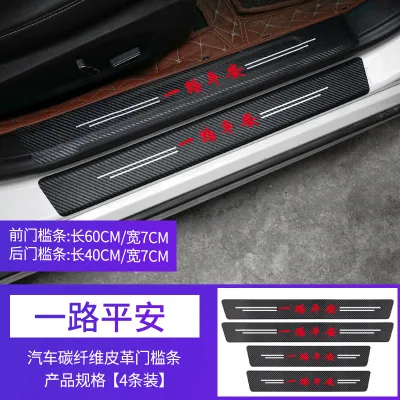
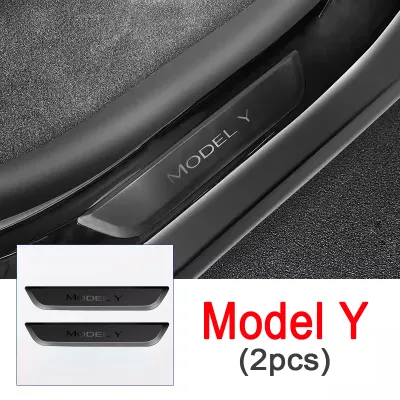
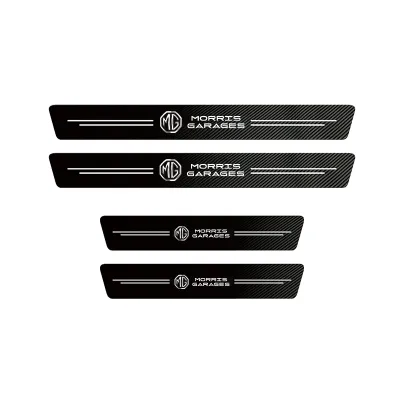
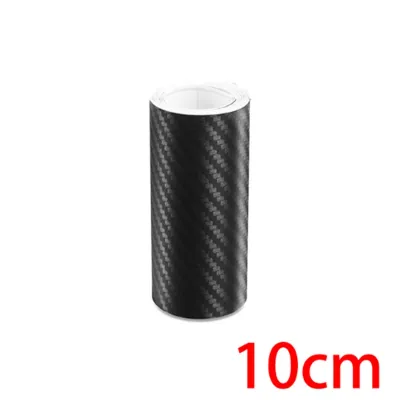
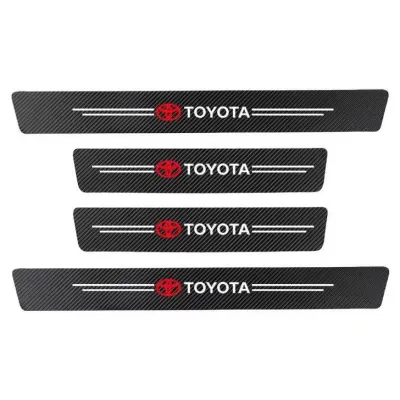
869 Lazada user ratings
Easy to clean and maintain, Satisfied with the design, Highly recommended for car owners, Great protection for car doors, thank you seller o…Read full reviewShow less
Easy to clean and maintain, Satisfied with the design, Highly recommended for car owners, Great protection for car doors, thank you seller ok na ok sa price hindi ko pa lang naikabit at bc pa thank you lazada and also to rider kudos
🛠️Durability:Impressed with the quality, 🎨Design:Easy to clean and maintain, thank you seller update pag nakabit na excited to try it hope tu…Read full reviewShow less
🛠️Durability:Impressed with the quality, 🎨Design:Easy to clean and maintain, thank you seller update pag nakabit na excited to try it hope tumagal sya para sulet Ang Pera
The logo is clear and bright, which is a good choice for purchase. It is also very firm and of good quality.
Satisfied with the design, It wont cause any moisture outside the windshield. Thank you.
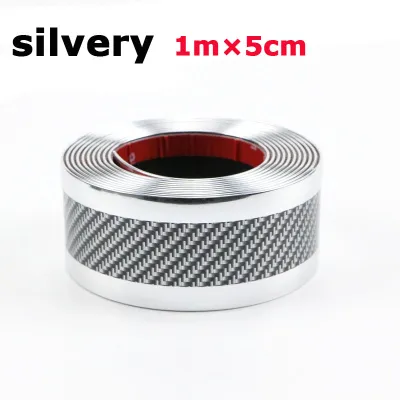
1,555 Lazada user ratings
hindi ko pa nagagamit.nakaka disappoint kasi napaka ikli lang pala.wala nga 1 meter.hindi alam if sasakto ito sa 2 doors sa driver area at p…Read full reviewShow less
hindi ko pa nagagamit.nakaka disappoint kasi napaka ikli lang pala.wala nga 1 meter.hindi alam if sasakto ito sa 2 doors sa driver area at passenger areA.kasi sa likod halatang hindi na aabot.nakaka dismaya lang.
looks nice but the adhesive surface is not that going to hold strong for long time only both edge of the tape will stick and not in the midd…Read full reviewShow less
looks nice but the adhesive surface is not that going to hold strong for long time only both edge of the tape will stick and not in the middle. thus the item is nice. Thank you for fast delivery
not yet tried but nabasa ko naman sa review na good feedback sa kanila, sana madikit nga ito para maitago ko mga dents ng sasakyan ko
item received on time and item is thick. the tape however, is not that too sticky. due to the thick rubber. but, can be used
Durable rubber material, Love the carbon fiber design, Available in multiple colors, Protects my car from scratches,
2,620 Lazada user ratings
Items delivered earlier than expectef. Good item at a cheaper price. Looks durable as well. I have not installed it yet. Hindi cya carbon fi…Read full reviewShow less
Items delivered earlier than expectef. Good item at a cheaper price. Looks durable as well. I have not installed it yet. Hindi cya carbon fiber sticker, vinyl cya makapal, may double adhesive, pero mas maganda kung resin or rugby ang gagamitin para mas lapat. salamat seller.
Good quality bilis nadeliver sakto lang sa motor .. Thans seller and delivery rider .. More blessings sa shop at sa lahat .. Goods Goods Goo…Read full reviewShow less
Good quality bilis nadeliver sakto lang sa motor .. Thans seller and delivery rider .. More blessings sa shop at sa lahat .. Goods Goods Goods .......
Durable carbon fiber material, Great protection for car bumper, Provides a sleek and modern appearance,
Prices are valid at publication and may change. Please refer to the product page for the latest price.
Thermoplastic polyurethane, commonly known as TPU, is a highly flexible, elastic polymer. This material is essentially a specialized paint protection film (PPF) tailored for high-wear areas. Unlike rigid plates, TPU is thin and pliable, allowing it to stretch and conform to complex three-dimensional curves. It is applied either dry or using a wet installation method with a mild slip solution, bonding flat against the paint without adding noticeable height.
Ultimately, the best material is conditional. If your primary goal is to prevent structural dents from heavy boots or tools, a rigid plate is highly suitable. If you want to preserve the original paint color on a highly contoured sill without altering the vehicle’s factory lines, a flexible TPU film is the logical choice.
Evaluating Durability and Protection Levels
Evaluating durability requires looking beyond marketing claims and focusing on how each material handles specific types of wear. Rigid materials like stainless steel and carbon fiber are designed to absorb and distribute the energy of direct, heavy impacts. If you frequently carry passengers who step directly onto the sills, or if you load heavy cargo, these rigid plates prevent the underlying metal from denting or chipping.

In contrast, TPU is engineered to combat surface abrasion, scuffs, and environmental exposure. High-quality TPU films possess self-healing properties. The polymer chains in the film are designed to reform when exposed to heat, meaning minor swirl marks and light scratches caused by shoe soles or pet claws can disappear under direct sunlight or warm water. However, TPU will not prevent deep metal dents if a heavy, sharp object is dropped directly onto the sill.
When shopping, you should check the product packaging for specific hardness and thickness ratings. For TPU, look for the thickness specified in mils (thousandths of an inch) or microns; thicker films generally offer better puncture resistance. For rigid plates, verify the thickness of the material to ensure it is robust enough to withstand repeated stepping without bending or warping over time.
Environmental resistance is another critical factor to verify. Carbon fiber resins and TPU films must feature explicit UV-resistant properties to prevent yellowing, cloudiness, or cracking after prolonged exposure to sunlight. Additionally, the quality of the adhesive backing must be verified. High-quality automotive adhesives resist moisture intrusion, preventing water from trapping beneath the protector, which could otherwise lead to paint degradation or rust on the underlying metal.
Aesthetics, Fitment, and Vehicle Compatibility
The visual impact of your door sill protectors should complement your vehicle’s existing interior and exterior design. Stainless steel plates offer a classic, premium look that coordinates well with chrome trim, metallic accents, and luxury interiors. Carbon fiber provides a modern, high-performance aesthetic, making it a popular choice for sports cars or vehicles with existing carbon fiber interior packages.
If you prefer to keep your vehicle looking entirely stock, clear TPU is the most appropriate option. It remains virtually invisible, allowing the factory paint color and finish to show through while still providing a robust protective layer. Textured or matte TPU options are also available, offering a low-profile, non-reflective look that blends seamlessly with black plastic interior trim panels.
Fitment is where compatibility must be carefully checked against your specific vehicle model and year. Universal trim-to-fit protectors are widely available on online marketplaces, but they require manual cutting and positioning. This can result in uneven edges or incomplete coverage, leaving vulnerable paint exposed. Vehicle-specific molded plates, however, are pre-cut to match the exact dimensions and contours of your vehicle’s door sills, ensuring a clean, professional fit.
Before purchasing any rigid protector, you must verify the clearance between your closed car door and the door sill. Rigid plates add physical thickness, sometimes up to several millimeters. If the clearance is too tight, the plate can rub against the bottom of the door frame or pinch the rubber weatherstripping. This friction can damage the door’s paint or compromise the weather seal, leading to wind noise or water leaks. TPU films, being extremely thin, rarely present clearance issues.
Budget and Long-Term Value Considerations
Understanding the cost structure of these materials helps you evaluate their long-term value. Generally, universal TPU rolls and basic vinyl-based protective stickers represent the lowest initial cost. However, high-grade, self-healing TPU films that are pre-cut for specific vehicles sit in a moderate price bracket. Rigid stainless steel plates and genuine carbon fiber composites occupy the premium end of the market due to more complex manufacturing processes.
To determine the true value, weigh the initial purchase price against the expected lifespan of the material under your typical driving conditions. For a solo commuter who rarely carries passengers, a budget-friendly TPU film or a simple set of plates may last the lifetime of the vehicle. Conversely, for family SUVs, rideshare vehicles, or utility trucks with high passenger turnover, investing in durable stainless steel or premium carbon fiber plates prevents the need for frequent replacements.
Be cautious of unusually cheap products found on online marketplaces. Low-cost protectors often compromise on adhesive quality. Inferior adhesives can fail prematurely when exposed to high cabin temperatures, causing the edges of the protector to peel and collect dirt. Even worse, some cheap adhesives can chemically react with your car’s clear coat, leaving permanent stains or pulling the paint away entirely when you attempt to remove them.
Investing in a reputable brand that explicitly states the use of paint-safe, automotive-grade acrylic adhesives is always more cost-effective than repairing damaged clear coat. If you are unsure about the adhesive quality of a product, consider consulting a professional installer or performing a small test patch on an inconspicuous painted area before full application.
Decision Framework: Which Material Should You Choose?
To finalize your decision, match your specific vehicle usage and aesthetic goals to the following conditional recommendations:
Choose Carbon Fiber if you want a sporty, high-tech appearance and require rigid protection against heavy impacts. This option is ideal for performance vehicles or custom builds where the woven pattern complements the interior styling. Ensure the product documentation explicitly confirms UV stability to prevent the resin from clouding over time.
Choose Stainless Steel if you prefer a classic, rugged, or luxury aesthetic that matches existing metallic cabin trim. Stainless steel is highly suitable for family vehicles, utility trucks, and SUVs where passengers frequently step on the sills with heavy footwear. It offers maximum resistance to deep scratches and structural dents.
Choose TPU if you want to preserve the original factory look of your vehicle with an invisible barrier, or if your door sills feature complex, multi-angled curves that rigid plates cannot conform to. TPU is highly recommended for newer vehicles with pristine paint, provided you select a high-quality film with documented self-healing and non-yellowing properties.
Before making any purchase, verify if your vehicle has highly sensitive paint or complex aftermarket coatings. If your door sills have non-standard contours, or if you are uncomfortable applying wet-install films, consulting a professional paint protection film installer is a wise step to ensure a flawless, damage-free application.
Installation and Maintenance Guidelines
Proper installation is critical to ensure the longevity of your door sill protectors and to safeguard your vehicle’s paint. Begin by thoroughly washing the door sill area with car shampoo to remove loose dirt. Next, use a paint-safe wax-and-grease remover or a diluted isopropyl alcohol solution, strictly following the product instructions, to strip away any residual wax, polish, or oils. The surface must be completely dry and free of contaminants before application.
Install the protectors in a clean, dust-free environment at moderate temperatures, ideally between 20°C and 30°C. Cold temperatures can prevent adhesives from bonding correctly, while extreme heat can cause films to stretch excessively. For rigid plates, dry-fit the pieces first to mark their exact alignment with painter’s tape before peeling the adhesive backing. For TPU wet installations, use a squeegee to gently work out all water and air bubbles from the center outward.
If you ever need to remove old or damaged protectors, do not attempt to pry them off with metal tools or screwdrivers, which will gouge the paint. Instead, use a hairdryer or a heat gun on a low setting to gently warm the protector and soften the adhesive. Slowly peel the material back at a shallow angle. Apply a label-authorized automotive adhesive remover to a clean microfiber cloth to safely dissolve and wipe away any remaining residue.
Maintenance is straightforward but requires care. Avoid using stiff-bristled brushes, abrasive scrubbing pads, or harsh chemical cleaners on your door sill protectors. Glossy carbon fiber and polished stainless steel can scratch easily if scrubbed with abrasive materials. Clean them using a soft microfiber wash mitt and standard car wash soap, then dry them thoroughly to prevent water spotting on metallic surfaces.
Frequently Asked Questions (FAQ)
Can door sill protectors damage my car's paint?
High-quality door sill protectors engineered with automotive-grade acrylic adhesives are designed to be paint-safe and should not cause damage under normal conditions. However, damage can occur if you use cheap products with non-automotive industrial adhesives, or if you apply them over freshly painted surfaces that have not fully cured. To mitigate risks, always verify the adhesive type on the product label and ensure your vehicle’s paint is fully cured and free of existing chips before installation.
How do I remove old sill protectors without leaving residue?
To remove old protectors cleanly, apply gentle heat using a hairdryer to soften the adhesive backing, then peel the protector away slowly and evenly. Once the plate or film is removed, apply a paint-safe, automotive-grade adhesive remover to a clean microfiber cloth and let it sit on the residue for a minute to break down the bond. Gently wipe the residue away, avoiding aggressive scrubbing or the use of sharp metal scrapers, which can scratch the clear coat.
Community discussion
Share your experience or ask a question. Comments are reviewed before publication.