
Finding the right car headrest pillow can transform your daily commute or long road trips across the Philippines from a tiring chore into a highly comfortable experience. The ideal choice depends heavily on the core material inside the cushion, as each reacts differently to pressure, cabin heat, and humidity. By understanding how memory foam, latex, and microbeads behave under real-world driving conditions, you can select an accessory that provides the exact level of support and breathability your neck requires.
Decoding the Core Headrest Materials
Every material used in a car headrest pillow offers a distinct structural response when you lean back against it. Some materials are designed to compress slowly and hold your shape, while others bounce back instantly or shift dynamically as you move. These physical properties directly influence how well the pillow maintains its shape during extended drives and how it handles the ambient conditions inside your vehicle.
Weight and bulkiness also vary significantly among these materials, which affects how easily you can adjust your seat or transfer the pillow between vehicles. A heavy, dense cushion might stay firmly in place but can be cumbersome to pack, whereas a featherlight option offers excellent portability at the expense of structured, long-term support.
Products mentioned in this guide
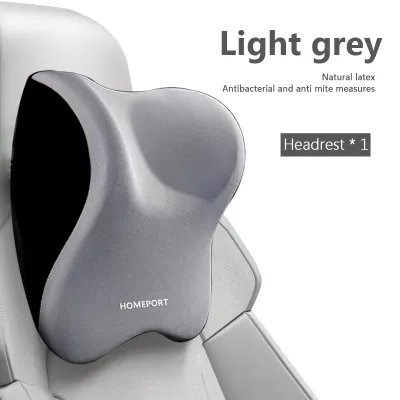
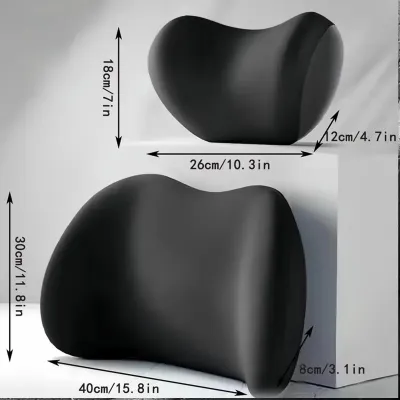
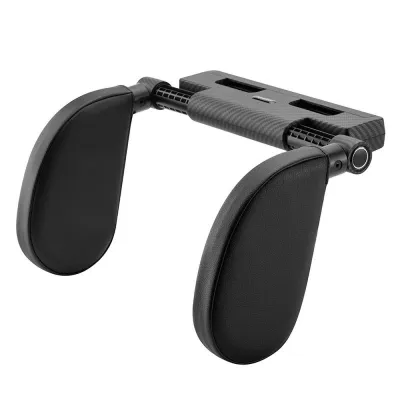
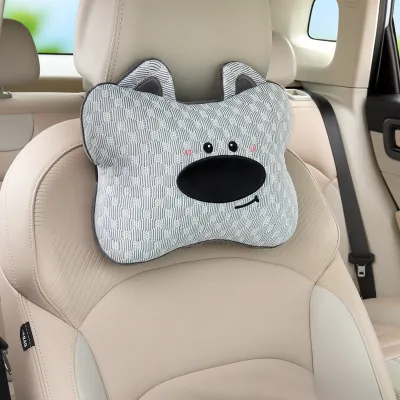

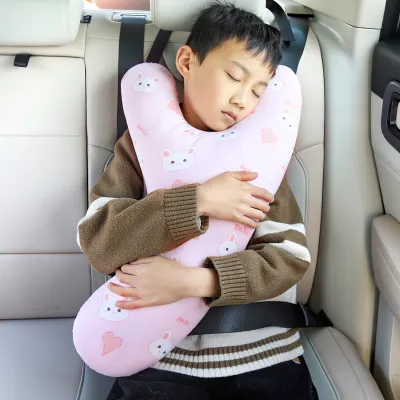
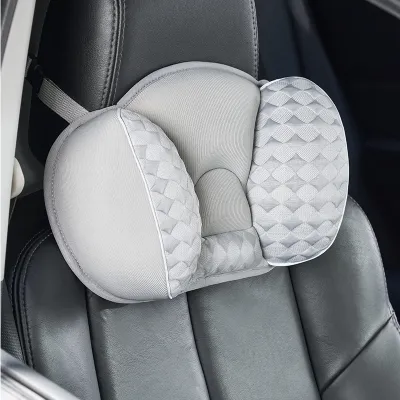
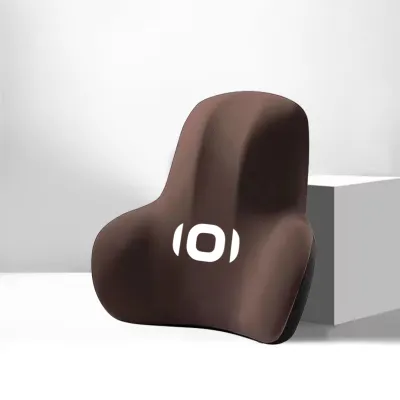
Prices are valid at publication and may change. Please refer to the product page for the latest price.
Memory Foam: Contouring Support and Pressure Relief
Memory foam is highly regarded for its slow-rebound contouring effect, which uses your body heat and weight to mold precisely to the unique curve of your neck. This customized fit helps distribute pressure evenly, reducing localized tension during long hours behind the wheel. Because it conforms so closely, it provides a cradling sensation that helps keep your head and neck aligned with the seat.
However, standard memory foam is known for heat retention, as its dense structure can trap warmth in tropical climates. To counter this, many manufacturers offer memory foam infused with cooling gel or pair the core with highly ventilated mesh covers to encourage airflow. Firmness levels also vary widely based on the foam’s density; you should always check the manufacturer’s specifications to verify whether a specific model is soft, medium, or firm rather than assuming all memory foam feels the same.
Latex: Resilient Bounce and Breathability
Latex provides a highly responsive, quick-rebound feel that stands in stark contrast to the slow sink of memory foam. When you rest your head against a latex car headrest pillow, it immediately pushes back to support your neck, preventing that “sinking” sensation that some drivers find restrictive. This resilient bounce makes it incredibly easy to shift your head and change positions without losing support.
One of the standout advantages of latex is its natural open-cell structure, which inherently promotes continuous airflow. This makes it an excellent option for warm cabin environments, helping to keep your neck cool even before the car’s air conditioning fully kicks in. When shopping, keep in mind that natural latex, synthetic latex, and blended options may offer different levels of durability and elasticity, so it is essential to verify the product label for exact material compositions.
Microbead: Adjustable Shape and Lightweight Feel
Microbead pillows are filled with thousands of tiny, loose polystyrene beads that shift dynamically as you move your head. This fluid behavior allows you to manually scrunch, shape, and mold the pillow to fill the exact gap between your neck and the seat. It offers a highly customizable, soft support system that does not rely on temperature or pressure to conform to your body.
These pillows are exceptionally lightweight and highly compressible, making them the most portable option for drivers who frequently switch cars or travel. However, because the beads move freely inside the casing, they can shift away from high-pressure areas over time. You may find yourself needing to occasionally shake or redistribute the beads during a drive to maintain consistent support.
Key Specifications to Check Before Buying
Selecting the right car headrest pillow requires looking beyond the material type to evaluate how the physical product integrates with your specific vehicle and body type.

Dimensions and Profile: Before purchasing, measure the physical gap between your neck and the vehicle’s headrest while sitting in your normal driving position. Choosing a pillow that is too thick can push your head uncomfortably forward, straining your neck and compromising your posture, while a pillow that is too thin will fail to provide adequate support.
Cover Material and Washability: Given the humid climate, sweat and hair oils can quickly accumulate on your pillow. Look for options featuring removable, machine-washable covers made from breathable mesh, soft velour, or moisture-wicking fabrics, and ensure the zipper is hidden to protect your car’s leather or fabric seats from scratches.
Attachment Mechanism: Examine how the pillow secures to the seat. Adjustable straps with heavy-duty buckles or snaps offer a more secure fit than simple elastic bands, which can stretch out over time and cause the pillow to slide down the seat posts.
Matching Material to Your Driving Needs
Your daily driving habits and local environment should dictate which headrest pillow material will serve you best over time.
Long-Distance Commuting: If you spend hours navigating highway traffic or driving long distances, sustained support is your highest priority. Memory foam or high-density latex are excellent choices here, as they maintain their structural integrity and distribute pressure evenly to minimize neck fatigue over hours of continuous use.
Hot and Humid Climates: For drivers operating in tropical regions, managing heat and moisture is crucial. Latex pillows with open-cell structures, or memory foam options specifically paired with breathable 3D mesh covers, help prevent sweat buildup and keep your neck comfortable during midday drives.
Shared Vehicles: If multiple family members share the same car, a highly adjustable option is necessary. Microbead pillows or memory foam cushions with highly adjustable strap systems allow different drivers to quickly reposition or reshape the support to match their varying heights and seating preferences.
Installation, Care, and Safety Boundaries
While a car headrest pillow enhances comfort, it must never compromise your safety or the vehicle’s built-in protective systems.
Clearance Checks: When installing the pillow, verify that it and its attachment straps do not block or interfere with side-curtain airbags, seatbelt pretensioners, or active headrest deployment zones. Consult your vehicle owner’s manual to identify where these safety components are located before mounting any aftermarket accessory.
Secure Attachment: Always ensure the pillow is tightly secured to the headrest posts or seat back. A loose pillow can slip down during sudden braking or a minor collision, potentially distracting you or interfering with your ability to control the vehicle safely.
Cleaning Protocols: Always follow the manufacturer’s care labels to maintain the integrity of the materials. While covers are often machine-washable, the inner cores of memory foam and latex pillows require gentle handling to prevent the material from breaking down prematurely.
Frequently Asked Questions (FAQ)
Can I use a car headrest pillow with active head restraints?
Active head restraints are designed to move forward during a rear-end collision to catch your head and minimize whiplash. If your vehicle is equipped with this system, you must exercise extreme caution; adding a thick headrest pillow can alter the designed clearance between your head and the restraint. Always consult your vehicle owner’s manual and avoid any accessory that forces your head too far forward or restricts the movement of the active mechanism.
How do I clean a memory foam or latex pillow core if it gets stained?
You should never submerge memory foam or latex pillow cores in water or put them through a washing machine, as excess moisture will degrade the cell structure and ruin the material. Instead, remove the cover and gently spot-clean the stained area using a damp cloth with a mild, diluted detergent. Allow the core to air-dry completely in a well-ventilated indoor space, keeping it away from direct sunlight, which can cause latex and foam to crumble.
Community discussion
Share your experience or ask a question. Comments are reviewed before publication.