
Selecting the right car polishing compound is the defining step in achieving a flawless, mirror-like finish on your vehicle’s paintwork. The “cut” of a compound refers to its level of aggressiveness, which determines how much clear coat it removes to level out imperfections. Matching the correct cut level to your paint’s specific defects—such as swirl marks, scratches, or oxidation—prevents unnecessary paint wear while ensuring efficient correction. In warm and humid tropical environments like the Philippines, choosing the right compound and working method is especially critical, as high ambient temperatures can cause polishing liquids to dry out prematurely on hot body panels.
Understanding Cut Levels and Abrasive Technology
To choose the right car polishing compound, you must first understand how the abrasive particles suspended in the liquid interact with your vehicle’s clear coat. The cut level is directly determined by the size, hardness, and concentration of these abrasives. When you apply a compound with a dual-action or rotary polisher, these microscopic particles act like liquid sandpaper, shaving down the microscopic high points of the clear coat to match the depth of the scratches, thereby making the surface flat and reflective again.
Abrasive technology generally falls into two categories: diminishing abrasives and non-diminishing abrasives. Diminishing abrasive technology (DAT) features particles that break down under pressure and heat as you work them into the paint. They start with a high cutting ability to level deep defects and gradually fracture into smaller, finer particles that polish the surface to a high gloss. Non-diminishing abrasive technology (SMAT), on the other hand, utilizes uniform particles that maintain their size and cutting power throughout the entire polishing cycle. This allows for consistent cutting action, but requires the operator to control the finish primarily through machine speed, pressure, and cycle time.
Products mentioned in this guide
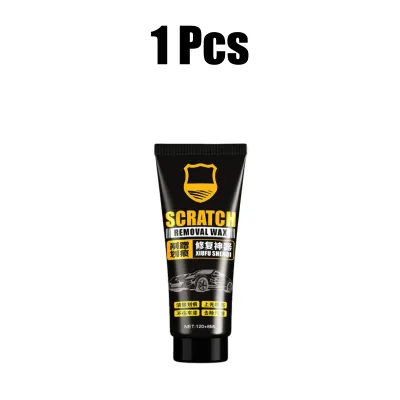
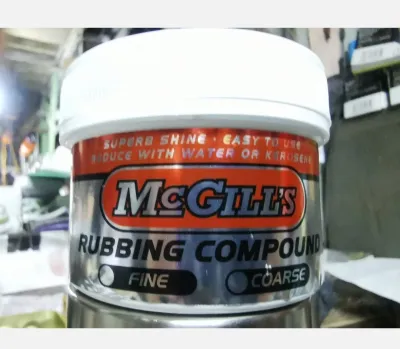
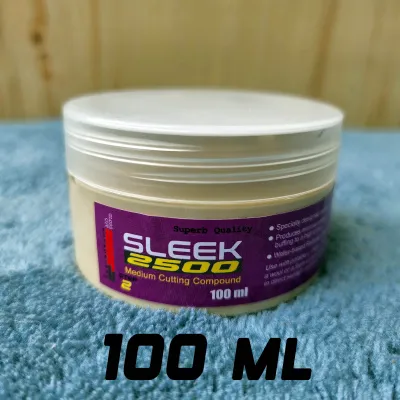
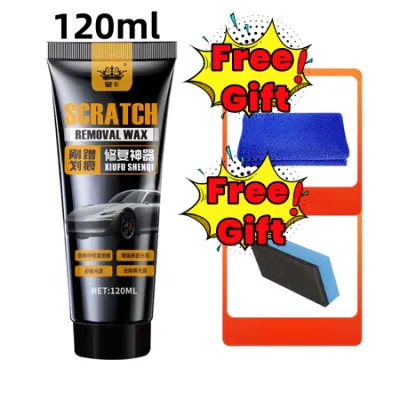
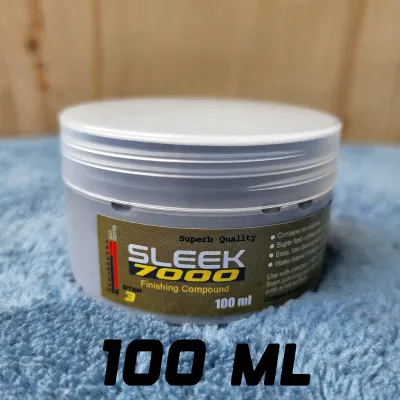
Prices are valid at publication and may change. Please refer to the product page for the latest price.
Identifying the cut level of a product requires careful reading of manufacturer labels and product descriptions. Because there is no universal industry standard for cut ratings, brands often use their own numerical scales (such as 1 to 10) or color-coded bottle caps and labels to indicate aggressiveness. Always consult the specific product instructions and technical data sheets to understand where a particular liquid sits on that brand’s spectrum before applying it to your vehicle.
The Spectrum of Polishing Compounds and When to Use Them
Paint correction is a progressive process that relies on matching the compound’s aggressiveness to the severity of the paint defects. Using a compound that is too aggressive can strip away valuable clear coat unnecessarily, while a compound that is too mild will fail to remove deeper imperfections, leading to wasted time and effort.

Heavy cut compounds sit at the most aggressive end of the spectrum. These products are formulated with large, hard abrasives designed to quickly level deep scratches, severe oxidation, water spot etching, and wet sanding marks left after paint repairs. Because heavy compounds remove a relatively thick layer of clear coat, they should be used with extreme caution and reserved only for severe damage. Always verify that the paint has sufficient thickness before proceeding with a heavy cut.
Medium cut polishes, often referred to as swirl removers or one-step polishes, offer a balanced level of aggressiveness. They are designed to eliminate moderate swirl marks, light scratches, and holograms caused by improper washing techniques. For daily drivers exposed to road grime and frequent washing, a medium cut polish is often the ideal choice for annual maintenance, providing excellent defect removal without excessively thinning the clear coat.
Light cut or finishing polishes are the mildest liquids in the paint correction process. These products contain ultra-fine abrasives aimed at removing micro-marring, light haze, and very fine buffer trails left behind by heavier compounding steps. A finishing polish does not remove significant defects; instead, it refines the paint surface to its maximum possible gloss, clarity, and depth of color, preparing the clear coat for the application of a protective wax, sealant, or ceramic coating.
Matching Polishing Pads to Compound Cut Levels
While the car polishing compound provides the abrasive agent, the polishing pad acts as the mechanical interface that dictates the actual working cut on the paint. The material, density, and texture of the pad can either amplify or cushion the aggressiveness of the compound, making pad selection just as important as the liquid itself.
Polishing pads are generally made from wool, microfiber, or foam, each offering distinct cutting characteristics. Wool and microfiber pads are highly aggressive because their fibers create more friction and hold more abrasive particles against the paint, making them ideal pairings for heavy cut compounds. Foam pads range from very firm, dense cutting foams to ultra-soft, open-cell finishing foams.
A standard pairing strategy involves matching like with like: use a heavy cut compound with a firm foam or microfiber cutting pad, a medium cut polish with a medium-density polishing pad, and a finishing polish with a soft finishing foam pad. Deviating from these pairings requires careful observation. For example, pairing a highly aggressive microfiber pad with a mild finishing polish can induce unwanted haze or micro-marring on soft clear coats, while using a soft foam pad with a heavy compound will severely limit the compound’s ability to level deep scratches.
Safety Boundaries: Clear Coat Thickness and Paint Hardness
Before you begin any paint correction work, establishing safety boundaries is essential to prevent permanent damage to your vehicle’s finish. Modern factory clear coats are incredibly thin, often measuring only about the thickness of a post-it note. Once the clear coat is breached or burned through, the underlying base coat is exposed, requiring an expensive professional respray to fix.
To work safely, always check the paint thickness using a digital paint depth gauge before attempting any heavy cutting. This tool measures the total thickness of the paint layers, helping you determine if there is enough clear coat remaining to safely polish. If the gauge reveals thin paint, or if you are working on a vehicle that has been heavily polished multiple times in the past, bypass aggressive compounding entirely and opt for a mild finishing polish or a non-abrasive glaze.
Additionally, adjust your machine speed, downward pressure, and dwell time based on the observable hardness of the clear coat. Soft clear coats respond quickly to mild abrasives but mar easily, requiring lighter pressure and slower machine speeds. Hard clear coats resist cutting, requiring more patience and slightly firmer pressure, though you must still avoid generating excessive heat. Always establish clear stop conditions: if you observe exposed primer, deep stone chips that expose metal, or any color transfer onto your polishing pad, stop immediately and consult a professional automotive refinisher.
Frequently Asked Questions (FAQ)
Can I use a heavy cut compound on a daily driver without damaging the paint?
Using a heavy cut compound on a daily driver carries a high risk of thinning the clear coat unnecessarily. Because daily drivers are exposed to constant environmental wear, preserving as much clear coat as possible is vital for long-term UV protection. Always start with the least aggressive method first, such as a medium or light polish on a test section, and only step up to a heavy cut compound if the defects remain visible after multiple passes.
Do I need to follow a heavy cut compound with a finishing polish?
Yes, a heavy cut compound should almost always be followed by a finishing polish. Because heavy compounds use large, aggressive abrasives, they typically leave behind a slight haze, micro-marring, or dullness on the paint surface. A secondary step using a fine finishing polish and a soft foam pad is necessary to clean up these minor buffer marks, restoring complete clarity and depth to the paint.
How do I know if a scratch is too deep to be removed by any compound?
A simple and reliable way to evaluate a scratch is the fingernail test. Gently run your fingernail across the scratch; if your nail catches or drops into the groove, the scratch has penetrated through the clear coat and into the base coat or primer. Compounding will not remove scratches of this depth, and attempting to polish them out will only thin the surrounding clear coat to dangerous levels. These deep scratches require touch-up paint or professional repair.
Community discussion
Share your experience or ask a question. Comments are reviewed before publication.