
Choosing the right car seat stain remover in the Philippines requires matching the chemical formula to your specific upholstery material—whether fabric, genuine leather, or synthetic vinyl—while considering the tropical humidity that can lock in organic stains and mold. Because our daily drives involve high humidity, sweat, and frequent stops for iced coffee or milk tea, spills can quickly set into deep, stubborn stains. Selecting an inappropriate cleaner can permanently discolor fabric or dry out leather, making a targeted approach essential for preserving your vehicle’s interior value.
To restore your seats safely, you must first identify the exact material of your upholstery and the nature of the stain. Different surfaces require completely different chemical reactions to lift dirt without degrading the material. By understanding what your seats are made of and how different cleaners interact with those surfaces, you can confidently select a product that removes the eyesore without causing structural or cosmetic damage.
Identifying Your Seat Material and Stain Severity
Before purchasing any cleaning product, you must accurately determine whether your seats are upholstered in fabric, genuine leather, or synthetic leather. Fabric seats are woven from nylon, polyester, or cotton blends, which feel soft and fibrous to the touch but absorb liquids rapidly. Genuine leather has natural pores, irregular grain patterns, and a distinct organic scent; it absorbs specialized conditioners but can be easily ruined by harsh chemicals. Synthetic leather, often referred to as vinyl, leatherette, or polyurethane (PU) leather, has a highly uniform texture, feels slightly plastic-like, and is far less breathable than genuine hide.
Products mentioned in this guide
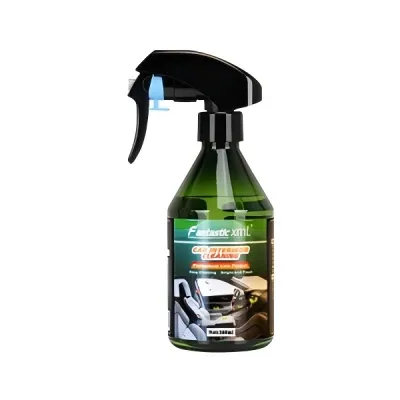
692 Lazada user ratings
Great for removing dust and dirt, Makes your car look showroom ready, Easy to use and wipe off, Leather seats look brand new, Leather seats …Read full reviewShow less
Great for removing dust and dirt, Makes your car look showroom ready, Easy to use and wipe off, Leather seats look brand new, Leather seats look brand new, Leaves a fresh and clean scent, Leaves car surfaces spotless, Efficient and versatile cleaner,
This is the first time I use it to clean the interior of the car, and I am really satisfied. I spray it on and wait for the next wipe. The c…Read full reviewShow less
This is the first time I use it to clean the interior of the car, and I am really satisfied. I spray it on and wait for the next wipe. The car has not been washed for a few years after I bought it, especially the position of the door handle.
Perfect for interior and exterior cleaning, Ideal for car enthusiasts, Great for removing dust and dirt, ✨Effectiveness:9
Decontamination is very good, like a new car after washing hahaha. No pungent smell, very satisfied
thanks seller. di ko pa nasubokan. feedback will follow
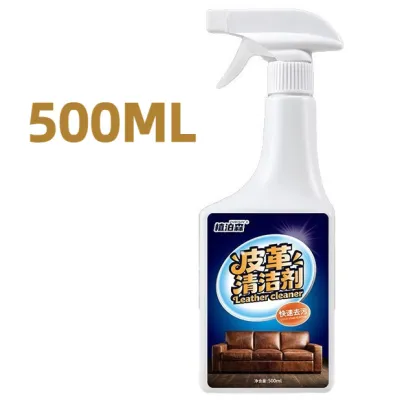
2 Lazada user ratings
Durability:good Material Quality:good
![[Dry cleaning foam any stain can be washed off] Sofa cleaner 500ml sofa cleaning liquid is used to clean car seats sofas floor mats car roof ceiling sofa spray carpet cleaning foam strong decontamination non-irritating foam cleaner dry cleaning](https://img.lazcdn.com/g/p/322bbfc0e58d101cb734d2bfc26d6979.png_400x400q80.png_.webp)
68 Lazada user ratings
Just as described, the item is very good, the logistics is fast, and a brush and towel are also given. Let the squeezed foam sit on the stai…Read full reviewShow less
Just as described, the item is very good, the logistics is fast, and a brush and towel are also given. Let the squeezed foam sit on the stain for a few minutes before wiping it, and it can be wiped clean without any traces.
The effect is good, and it is worth the money. It is recommended that the leather sofa should be maintained more. The effect is good after p…Read full reviewShow less
The effect is good, and it is worth the money. It is recommended that the leather sofa should be maintained more. The effect is good after personal testing. You can buy it with confidence
The dry cleaning agent I bought is quite good. The dirt on the sofa can be cleaned easily. Most stains can be cleaned, and the cleaning effe…Read full reviewShow less
The dry cleaning agent I bought is quite good. The dirt on the sofa can be cleaned easily. Most stains can be cleaned, and the cleaning effect is very good.
The dirty parts of the fabric sofa are washed very clean, the cleaning power is very strong and it is easy to use
Five-star praise, strong cleaning power, no irritation, a very easy-to-use product
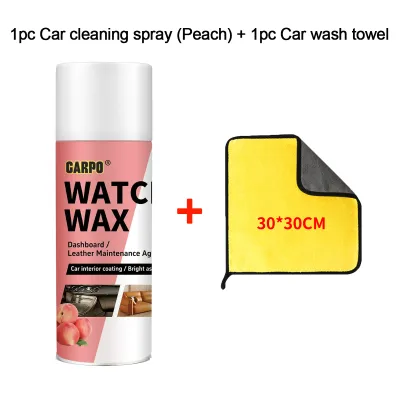
156 Lazada user ratings
Great for cleaning car interiors,
ok nmn packaging..
29 Lazada user ratings
👌Ease of use: Convenient and easy to use 🔒Safety: Compact and fits well in hand ✨Performance: After use, the leather is shiny and beautiful
What do you think of the quality and appearance? Thank you for the free gift. Sponge to be used for polishing car.
👌Ease of Use: best good ok 🔒Safety: best good ok best good ok ✨Effectiveness: best good ok best good ok
It is an imported item that takes a long time to arrive. I need to try it out.
The package quality is excellent, but it's still not enough. Yes, no.
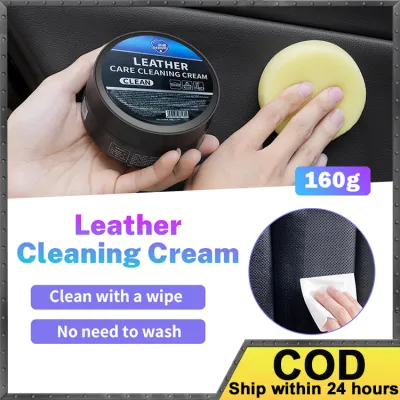
7 Lazada user ratings
salamat seller ok ung order ko maganda ung item parang Bago na ulit ung dashboard ng car ko happy Ako order Ako ulit pag naubos bos 👍👍👍
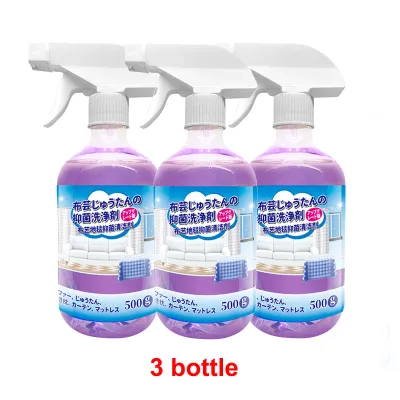
1,621 Lazada user ratings
Gentle on fabrics, Convenient and easy to use, Eliminates bacteria and odors, Effective on various surfaces, Eco-friendly ingredients, Power…Read full reviewShow less
Gentle on fabrics, Convenient and easy to use, Eliminates bacteria and odors, Effective on various surfaces, Eco-friendly ingredients, Powerful stain removal, Great value for money,
👌Ease of Use: madali gamitin kc spay pray lng 🛡️Safety: d mabasa ingredients so d ko sure ✨Effectiveness: ok lng, baka masyado lng madumi sof…Read full reviewShow less
👌Ease of Use: madali gamitin kc spay pray lng 🛡️Safety: d mabasa ingredients so d ko sure ✨Effectiveness: ok lng, baka masyado lng madumi sofa namin hehehe
Quality:Effective on various surfaces, Value for Money:Great value for money, Packaging:package secured Thank you so much seller
Super nakakatanggal ng dumi sa sofa at sobrang mabango. Walang eme ito. Legit.
Prices are valid at publication and may change. Please refer to the product page for the latest price.
Stains also fall into distinct categories that dictate the type of chemical treatment required. Organic stains from spilled food, soft drinks, sweat, and coffee are highly common in the Philippines and can quickly breed bacteria or mold in our warm, humid climate. Grease and oil stains, often introduced by fast food, sunscreen, or hair products, leave dark, slick patches that repel water-based cleaners. Ink from leaking pens and dye transfer from dark denim jeans represent some of the most stubborn blemishes, requiring specialized solvents to break down the pigments without dissolving the underlying material.
Using the wrong cleaner on a specific material can lead to irreversible damage. For instance, applying a highly alkaline degreaser to genuine leather will strip its protective topcoat, leading to premature cracking and color loss. Conversely, using a heavy liquid cleaner on fabric without proper extraction can leave the seat foam saturated, creating a breeding ground for musty odors and mildew under the tropical sun. Matching the chemical properties of the cleaner to both the stain type and the seat material is the single most critical decision in the detailing process.
Recommended Cleaner Types for Fabric Upholstery
Fabric seats require cleaners that can penetrate deep into the woven fibers to lift trapped dirt without leaving the underlying cushion waterlogged. Foaming upholstery cleaners are highly effective for general maintenance and light organic stains. The thick foam sits on top of the fabric, suspending dirt particles and pulling them to the surface where they can be easily wiped away. This minimized moisture delivery is particularly beneficial in humid environments, as it significantly reduces the drying time required after cleaning.

For severe organic stains, such as spilled dairy, food residue, or pet accidents, enzyme-based cleaners are the most effective choice. These formulas contain live bacteria or active enzymes that target and digest organic proteins, starches, and lipids at the molecular level. Instead of simply masking the odor with heavy perfumes, enzyme cleaners eliminate the source of the smell entirely, which is crucial for preventing foul odors from intensifying inside a hot, parked car.
When dealing with non-water-soluble stains like ink, grease, or adhesive residue, solvent-based spot treatments are necessary. These powerful formulas are designed to dissolve oil-based pigments quickly, but they must be applied with extreme care. Because solvents can weaken fabric adhesives or cause color bleeding if over-applied, they should only be used as localized spot treatments rather than general cleaners.
When evaluating fabric cleaners, look for specific features on the product labels to ensure safe and effective results. Opt for formulas explicitly marked as “residue-free,” as soapy residues left behind will attract dirt faster, causing the seat to look dirty again within weeks. A neutral pH formula is also highly recommended to protect delicate fabric fibers from chemical degradation. Additionally, bottles equipped with built-in, soft-bristled agitation brushes can help work the product into the weave gently, saving you the step of purchasing a separate detailing brush.
Recommended Cleaner Types for Leather and Synthetic Seats
Genuine leather requires a delicate touch to preserve its natural oils and protective coatings. You should always use pH-balanced leather cleaners specifically formulated for automotive hides. These cleaners are designed to gently lift dirt, body oils, and sweat from the pores without drying out the leather. Avoid using household detergents or multi-purpose cleaners on genuine leather, as their high alkalinity will strip the natural moisture, leading to stiffness, fading, and eventual cracking.
For synthetic leather, vinyl, and plastic interior trim, mild all-purpose interior cleaners (APCs) are highly suitable. Synthetic materials do not have natural pores to breathe, meaning they do not require specialized leather oils. A mild, properly diluted APC can quickly cut through surface grime, dust, and light grease on vinyl seats. Ensure the product is labeled safe for automotive plastics and vinyl to avoid leaving a cloudy residue or causing the material to become brittle over time.
Cleaners with integrated conditioners offer a convenient two-in-one solution for routine maintenance on genuine leather. These products clean light surface dirt while simultaneously depositing a layer of conditioning oils and UV blockers to protect against the intense Philippine sun. However, for deep, set-in stains, it is always better to use a dedicated, deep-cleaning leather formula first, followed by a separate, high-quality leather conditioner to fully restore the material’s suppleness.
To protect your seats from chemical damage, there are several ingredients you must strictly avoid. Never use products containing harsh solvents, bleach, ammonia, or high-alkaline industrial degreasers on either genuine or synthetic leather. These chemicals will immediately dissolve the clear protective topcoat applied by the vehicle manufacturer, leading to rapid peeling, sticky surfaces, and permanent discoloration that cannot be repaired without professional dyeing.
How to Evaluate Car Seat Cleaners on E-Commerce Platforms
When shopping for car seat stain removers on local e-commerce platforms, you must exercise caution to avoid counterfeit, expired, or ineffective products. Start by verifying the credibility of the seller. Look for official brand stores, authorized distributor badges, or highly rated local detailing supply shops. Avoid buying from unverified listings with generic titles, extremely low prices, or poorly translated product descriptions, as these are common red flags for counterfeit goods.
Take the time to read through verified customer reviews, paying close attention to those that include photos or videos of the actual cleaning process. Look for reviews from buyers who have used the product on the same seat material as yours. A review that states “removed coffee stains from my fabric seats without leaving a ring” provides much more practical value than a simple five-star rating with no text. Be skeptical of reviews that sound overly generic or repetitive, as these may be artificial.
Always zoom in on the product label photos provided in the listing or ask the seller directly for a photo of the back of the bottle. Verify that the label explicitly lists compatibility with your specific seat material. Check for clear safety warnings, usage instructions, and a visible manufacturing or expiration date. Using an expired chemical can result in reduced cleaning efficacy or unpredictable chemical reactions on your upholstery.
To assess the true value of a product, compare the price per milliliter (₱/ml) rather than just looking at the total bottle price. A larger, slightly more expensive bottle of concentrated cleaner that requires dilution can be far more economical in the long run than a cheap, pre-diluted spray bottle. Calculate the cost by dividing the price in Philippine Pesos by the volume in milliliters to determine which option offers the best value for your detailing budget.
Safe Application and Pre-Use Testing Steps
Before applying any new cleaning chemical to your car seats, performing a spot test is an absolute necessity. Choose a highly inconspicuous area, such as the lower back portion of the seat, the underside of a headrest, or the fabric tucked near the seat runner. Apply a small drop of the cleaner to a clean microfiber towel and gently blot the test area. Allow it to dry completely under normal conditions, then inspect the spot under good lighting for any signs of color fading, dye bleeding, or changes in the material’s texture.
Proper preparation and ventilation are key to a successful cleaning job. Always work in a well-ventilated area, preferably outdoors or in an open garage with all the car doors and windows wide open to prevent chemical fumes from building up inside the cabin. Use high-quality, colorfast microfiber towels for wiping. Avoid using cheap, dyed cloths that might transfer their own color onto your seats, and steer clear of stiff nylon brushes that can fray fabric stitching or scratch soft leather surfaces.
When you are ready to clean, follow a structured, step-by-step application process to achieve the best results. First, vacuum the entire seat thoroughly using a crevice tool to remove all loose dust, sand, crumbs, and debris; skipping this step will turn loose dirt into muddy grime once the liquid cleaner is applied. Next, apply the cleaner according to the label instructions—spraying foam directly onto fabric, or spraying liquid cleaners onto a microfiber towel first for leather. Gently agitate the area in a circular motion using a soft brush or cloth, then immediately wipe away the suspended dirt and excess product with a clean, damp microfiber towel before it has a chance to dry.
While many stains can be successfully treated at home, you must recognize when to stop your DIY efforts and consult a professional automotive detailer. If you are dealing with deep, set-in dye transfer on light-colored leather, delicate materials like Alcantara or genuine suede, or stains located extremely close to heated seat wiring, power seat motors, or side airbag sensors, professional intervention is highly recommended. Attempting to scrub these sensitive areas without specialized extraction equipment can lead to permanent cosmetic damage or expensive electrical failures.
Frequently Asked Questions (FAQ)
Can I use household carpet cleaners on my car fabric seats?
Using household carpet cleaners on automotive fabric seats is generally not recommended. Household carpet formulas are designed for deep-pile carpets and are meant to be extracted with high-powered, industrial-volume machines. When applied to car seats, these products often produce a dense, high-residue foam that is incredibly difficult to rinse out completely by hand. The sticky residue left behind in the tight weave of your car seat will act like a magnet for dirt, causing the fabric to soil even faster. Furthermore, the excessive moisture can easily seep deep into the thick polyurethane seat foam, leading to trapped dampness, mold growth, and unpleasant musty odors that are difficult to eradicate.
How do I remove water stains from car seats?
Water stains on fabric car seats typically occur when mineral-rich water, rain, or sweat dries unevenly, leaving behind rings of concentrated minerals and embedded dirt. To remove these unsightly rings safely, you must clean the entire seat panel from seam to seam rather than just spot-cleaning the stain itself. Lightly dampen the entire fabric panel using a clean, damp microfiber towel or a dedicated fabric cleaner, ensuring the moisture is distributed evenly across the surface. Gently agitate the fabric to loosen the mineral deposits, then use a dry microfiber towel to absorb as much moisture as possible. Allowing the entire panel to dry at an even rate prevents the formation of new dry-line boundaries.
Is it safe to use a steam cleaner on car seats?
Steam cleaning can be highly effective for deep-cleaning and sanitizing fabric car seats, but it must be used with extreme caution. For fabric upholstery, keep the steam nozzle moving constantly to avoid overheating the fabric backing or melting the underlying foam adhesives. Never use high-heat steam on synthetic leather, vinyl, or genuine leather seats. The intense heat and moisture can permanently warp, melt, or peel the plastic coatings on synthetic materials, and it can strip the natural moisture and protective topcoats from genuine leather, causing it to shrink, stiffen, and crack. Always check your vehicle owner’s manual for specific interior cleaning limitations before introducing heat.

Community discussion
Share your experience or ask a question. Comments are reviewed before publication.