
Quick Answer: Which Brake Fluid Does Your Car Actually Need?
The correct brake fluid for your vehicle is determined solely by your vehicle manufacturer’s engineering specifications, not by personal preference or aftermarket marketing. Before purchasing or topping up your fluid, you must consult your vehicle’s owner’s manual or inspect the brake fluid reservoir cap under the hood to identify the exact standard required.
While Castrol produces premium options for both standards, Castrol DOT 3 and Castrol DOT 4 are engineered for different thermal and chemical environments. Generally, DOT 4 brake fluid offers higher dry and wet boiling points, making it better suited for heavier vehicles, modern braking systems, and demanding driving conditions. DOT 3 brake fluid remains the standard specification for many older or lighter-duty passenger vehicles that do not generate extreme braking temperatures.
Upgrading from DOT 3 to DOT 4 is not a universal performance hack. Although they are chemically compatible in terms of base ingredients, you must verify that your vehicle’s internal rubber seals and hoses are compatible with the additives used in DOT 4. Additionally, a simple top-up is never recommended when changing fluid types; a complete system flush is required to realize the safety benefits of a higher-rated fluid.
Products mentioned in this guide
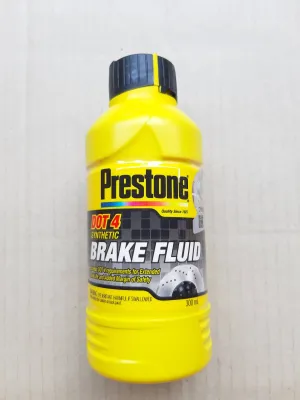
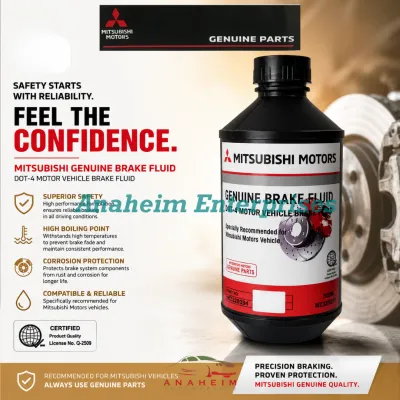
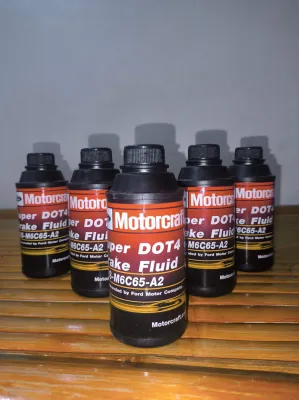
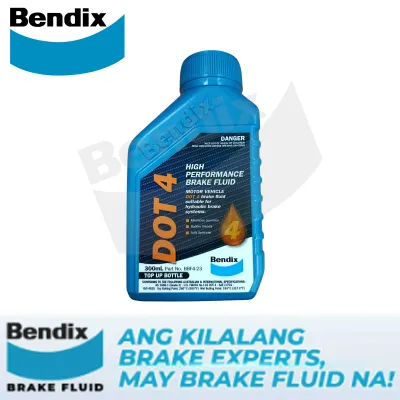
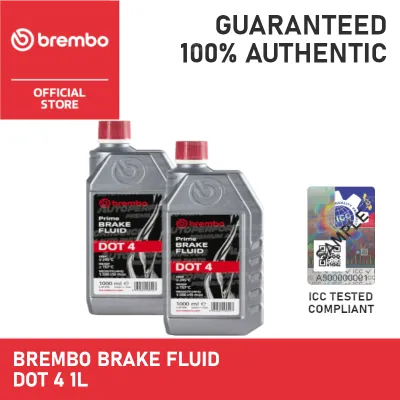
Prices are valid at publication and may change. Please refer to the product page for the latest price.
Understanding DOT 3 and DOT 4: Boiling Points and Moisture
To understand why choosing the correct fluid is critical to your safety, you must first understand how hydraulic braking systems operate. When you press your brake pedal, the master cylinder forces brake fluid through steel lines and flexible rubber hoses to the calipers or wheel cylinders. This hydraulic pressure forces the brake pads against the spinning rotors, converting the kinetic energy of your moving vehicle into intense thermal energy. The heat generated at the brake pads transfers directly into the brake calipers and the fluid inside them.

If the brake fluid reaches its boiling point, it undergoes a phase change from a non-compressible liquid into a highly compressible gas. When this occurs, pressing the brake pedal simply compresses the gas bubbles inside the lines rather than pushing the brake pads against the rotors. This dangerous condition is known as vapor lock or brake fade, and it results in a spongy brake pedal and a sudden, catastrophic loss of stopping power.
Boiling Points: Dry vs. Wet
Automotive regulations, such as the Federal Motor Vehicle Safety Standard (FMVSS 116) and SAE J1703/J1704, classify brake fluids based on two primary temperature thresholds: the dry boiling point and the wet boiling point.
- Dry Boiling Point: This is the temperature at which fresh, uncontaminated brake fluid boils straight out of a newly opened, sealed container.
- Wet Boiling Point: This represents the boiling point of the fluid after it has absorbed approximately 3.7% water by volume. This volume of water contamination typically occurs after roughly one to two years of real-world vehicle operation.
Because DOT 4 fluids are formulated with borate esters in addition to glycol ethers, they possess higher minimum temperature thresholds for both dry and wet boiling points than DOT 3 fluids. This chemical composition allows DOT 4 to maintain its hydraulic integrity under much higher thermal loads.
Moisture Absorption (Hygroscopy) in Tropical Climates
Both DOT 3 and DOT 4 brake fluids are glycol-based, which makes them highly hygroscopic. This means they actively attract and absorb moisture from the surrounding atmosphere over time. Moisture enters the braking system through microscopic pores in the flexible rubber brake hoses, through the reservoir cap seal, or whenever the reservoir is opened for inspection.
In highly humid tropical environments, such as the year-round climate of the Philippines, this moisture absorption occurs at an accelerated rate. As water content increases, the boiling point of the fluid drops drastically. For example, a standard DOT 4 fluid can see its boiling point plummet from a dry rating of over 230°C down to its wet rating of 155°C with just a small percentage of water contamination. Regular fluid replacement is non-negotiable to prevent internal corrosion of steel brake lines, pistons, and ABS valves, and to maintain a safe boiling threshold.
Viscosity and Modern Active Safety Systems
Beyond boiling points, viscosity—the thickness of the fluid—plays a critical role in modern vehicle safety. Modern vehicles are equipped with complex active safety systems, including Anti-lock Braking Systems (ABS), Electronic Stability Control (ESC), and traction control. These systems function by rapidly modulating hydraulic pressure to individual wheels through micro-valves, pulsing up to several times per second.
For these systems to react instantly, the brake fluid must maintain a highly consistent viscosity across a wide temperature range. While standard DOT 4 fluids generally have a slightly higher viscosity at extremely low temperatures than DOT 3, modern vehicles often require specialized low-viscosity DOT 4 variants (sometimes designated as Class 6 or ISO 4925 Class 6 fluids). Using a fluid with incorrect viscosity can delay the response times of your ABS or ESC systems during emergency maneuvers.
Castrol DOT 3 vs DOT 4: Specification Comparison
When comparing Castrol DOT 3 and Castrol DOT 4 brake fluids, it is helpful to look at how they align with standard industry benchmarks. The table below outlines the minimum regulatory thresholds established by international safety standards (FMVSS 116), which both Castrol product lines are engineered to meet or exceed.
| Feature | DOT 3 Standard | DOT 4 Standard |
|---|---|---|
| Minimum Dry Boiling Point | 205°C (401°F) | 230°C (446°F) |
| Minimum Wet Boiling Point | 140°C (284°F) | 155°C (311°F) |
| Base Chemistry Type | Glycol Ether | Glycol Ether / Borate Ester |
| Typical Application | Older passenger cars, light-duty commuter vehicles | Modern passenger cars, SUVs, heavier utility vehicles |
| General Replacement Interval | 1 to 2 Years (Check Owner's Manual) | 1 to 2 Years (Check Owner's Manual) |
| Paint Corrosiveness | Highly Corrosive | Highly Corrosive |
Practical Driving Implications in the Philippines
These technical specifications translate directly into real-world driving safety on local roads. The demanding driving conditions in metropolitan areas like Metro Manila, combined with mountainous geography, put immense stress on your vehicle’s braking system.
Consider the daily commute through heavy, stop-and-go traffic on EDSA or C-5. Constant, low-speed braking prevents cooling airflow from reaching your brake rotors and calipers. Over time, heat builds up within the braking assembly and transfers to the brake fluid. In these high-heat, high-humidity urban environments, the superior wet boiling point of Castrol DOT 4 provides a critical safety margin against brake fade.
Similarly, driving on steep, winding descents—such as descending from Baguio City via Kennon Road or Marcos Highway, or navigating the ridges of Tagaytay and the Sierra Madre range in Rizal—requires prolonged, heavy braking. Under these conditions, brake temperatures can spike rapidly. If your vehicle is rated for DOT 4 and you have filled it with DOT 3, or if your DOT 4 fluid has degraded due to moisture absorption, you run a severe risk of the fluid boiling, causing your brakes to suddenly lose pressure when you need them most.
How to Verify Your Vehicle’s Exact Brake Fluid Requirement
Determining the correct fluid for your vehicle must never involve guesswork. Because the braking system is your vehicle’s most critical safety component, you must follow a systematic verification process before purchasing any consumable fluid.
Step 1: Check the Owner’s Manual
Your vehicle’s owner’s manual is the ultimate authority for all fluid specifications, capacities, and service intervals. Navigate to the technical specifications, maintenance, or capacities section of the manual. It will explicitly state the required fluid standard (e.g., “Use only glycol-based DOT 3 brake fluid” or “FMVSS 116 DOT 4”). Some modern European or Japanese vehicles may specify a low-viscosity DOT 4 fluid; this detail will be clearly outlined in the manual.
Step 2: Inspect the Reservoir Cap
If you do not have access to the owner’s manual, open your vehicle’s hood and locate the brake fluid reservoir. This is typically a translucent plastic container mounted on the driver’s side firewall, positioned directly in front of the brake pedal assembly. In almost all modern vehicles, the required fluid rating is clearly stamped, embossed, or printed directly onto the yellow or black plastic reservoir cap. Look for text that reads “Use only DOT 3” or “DOT 4 Only.”
Step 3: Consult a Professional
If the reservoir cap is missing, damaged, unreadable, or if you suspect your vehicle has aftermarket braking modifications (such as multi-piston performance calipers), do not guess. Consult an authorized dealership or a qualified automotive technician. They can reference factory service databases using your vehicle’s unique Vehicle Identification Number (VIN) to confirm the exact engineering requirements.
Safety Warning: Material Compatibility and Paint Damage
Never assume that DOT 4 is a universal upgrade that can be blindly poured into any system designed for DOT 3. Some older vehicles, particularly those manufactured before the mid-1990s, utilize natural rubber seals, gaskets, and hoses within their master cylinders and calipers. The advanced borate ester additives used in DOT 4 fluids can cause these older elastomer compounds to swell, soften, or degrade prematurely, leading to internal fluid leaks and eventual brake system failure.
Additionally, both DOT 3 and DOT 4 brake fluids are highly corrosive to automotive paint and plastics. If you are performing a top-up or fluid change, always drape protective fender covers over your vehicle’s bodywork. If any fluid spills onto a painted surface, you must immediately flush the area with copious amounts of soapy water and wipe it clean with a microfiber cloth to prevent the clear coat from dissolving.
The Risks of Mixing DOT 3 and DOT 4 Brake Fluid
A common point of confusion among car owners is whether different grades of brake fluid can be safely mixed together in the reservoir. While it is technically possible to mix them in an emergency, doing so introduces significant safety compromises.
Why Chemical Miscibility Is Not a Green Light to Mix
Because both DOT 3 and DOT 4 brake fluids are glycol-ether based, they are chemically miscible. This means that if you mix them together, they will dissolve into one another without causing a violent chemical reaction, gelling, or separating into distinct layers. They will not immediately destroy your brake seals upon contact. However, chemical miscibility does not mean that mixing them is safe or advisable for regular vehicle operation.
The Boiling Point Penalty
When you mix DOT 3 and DOT 4 fluids, the resulting mixture does not maintain the average performance of the two. Instead, the overall thermal performance of the entire system degrades rapidly toward the lower-rated fluid.
If your vehicle requires DOT 4 and you top up the reservoir with DOT 3, you effectively lower the boiling point of the entire hydraulic system. Under heavy braking conditions, the fluid in your calipers may boil at a much lower temperature than your vehicle’s braking system was engineered to handle. This defeats the safety purpose of specifying a high-performance DOT 4 fluid and puts you at risk of sudden brake fade during a critical stop.
How to Perform a Proper System Transition
If your vehicle’s manufacturer explicitly permits the use of both DOT 3 and DOT 4 fluids, and you decide to upgrade your system to Castrol DOT 4 for better heat resistance, you must avoid simply pouring the new fluid on top of the old. To safely transition between fluid types, you must perform a complete brake system flush.
- Extract the Old Fluid: Use a clean fluid syringe or suction tool to remove as much of the old, dark fluid from the master cylinder reservoir as possible, taking care not to let the fluid level drop below the minimum line to prevent air from entering the valves.
- Fill with Fresh Fluid: Fill the reservoir to the maximum line with fresh Castrol DOT 4 fluid from a sealed container.
- Flush and Bleed: Starting at the wheel furthest from the master cylinder (typically the passenger-side rear wheel) and working your way closer, bleed the brakes until clean, clear, bubble-free fluid emerges from each caliper or wheel cylinder bleed screw.
- Monitor Level: Continuously top up the master cylinder reservoir with fresh DOT 4 fluid during the bleeding process to ensure no air is drawn into the system.
Because this process requires specialized tools and carries a high safety risk if air becomes trapped in the ABS modulator or lines, it is highly recommended to have this service performed by a qualified mechanic at a professional service center.
Final Verdict: How to Choose the Right Castrol Brake Fluid
To ensure your vehicle remains safe and responsive on the road, use this clear decision framework when selecting your next bottle of Castrol brake fluid.
- Choose Castrol DOT 3 if: Your vehicle's owner's manual or reservoir cap explicitly specifies DOT 3, you drive an older or light-duty passenger car, and your driving consists primarily of standard daily commuting without heavy towing or extreme mountain driving.
- Choose Castrol DOT 4 if: Your manufacturer specifies DOT 4, you drive a modern vehicle equipped with advanced ABS and ESC systems, or you frequently navigate demanding driving conditions such as heavy stop-and-go traffic, steep mountain descents, or carrying heavy cargo loads.
- Verify First if: Your brake fluid appears dark brown or black (indicating severe moisture contamination and oxidation), you are planning to upgrade an older vehicle from DOT 3 to DOT 4, or you are unsure of the vehicle's service history. In these cases, prioritize a professional brake inspection and a complete system flush over a simple fluid top-up.
Ultimately, maintaining a regular fluid replacement interval of every one to two years is far more critical to your safety than the marginal performance differences between compliant brands. Fresh, clean fluid of the correct standard ensures your vehicle’s hydraulic system remains free of water, corrosion, and dangerous air bubbles, providing reliable stopping power whenever you press the pedal.
Community discussion
Share your experience or ask a question. Comments are reviewed before publication.