
Choosing between Castrol and Shell 10W-40 engine oils for driving in the Philippines comes down to matching the specific oil’s certifications with your vehicle manufacturer’s requirements. While both brands are household names with extensive distribution networks across the archipelago, neither can be declared a universal winner. Instead, the ideal choice depends on whether a specific bottle’s API rating, ACEA classification, and original equipment manufacturer (OEM) approvals align with your car’s engine design. In the demanding driving conditions of Philippine roads—characterized by intense tropical heat, high humidity, and prolonged idling in urban traffic—understanding how to read these labels and assess your vehicle’s needs is the most reliable way to ensure long-term engine protection.
Why 10W-40 Viscosity Matters in Tropical Traffic
The viscosity grade of an engine oil, such as 10W-40, dictates how the fluid behaves under different temperature extremes. The “10W” portion represents the winter rating, indicating how easily the oil flows at low temperatures during a cold start. While the Philippines does not experience freezing winters, a cold start still occurs every time an engine has been turned off long enough to cool down to ambient temperature. An oil that flows efficiently during these initial moments reduces immediate metal-on-metal friction before the engine reaches its optimal operating temperature.
The “40” portion of the grade represents the oil’s kinematic viscosity at 100°C, which is the standard operating temperature for most passenger vehicle engines. In a tropical climate where ambient temperatures frequently exceed 35°C, and underhood temperatures soar during prolonged idling, maintaining this viscosity is critical. High ambient heat combined with stop-and-go traffic places immense thermal stress on the engine oil. If the oil becomes too thin under these conditions, the protective lubrication film between moving parts can shear, leading to accelerated wear on critical components like pistons, camshafts, and bearings.
Products mentioned in this guide
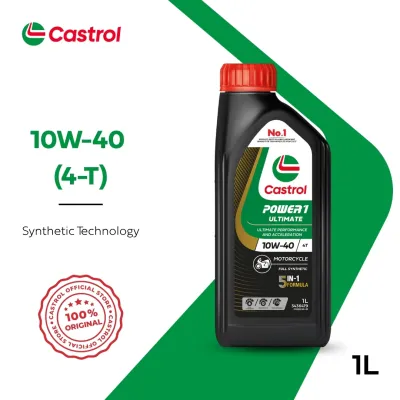
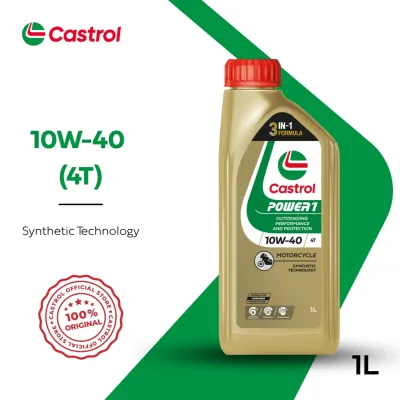
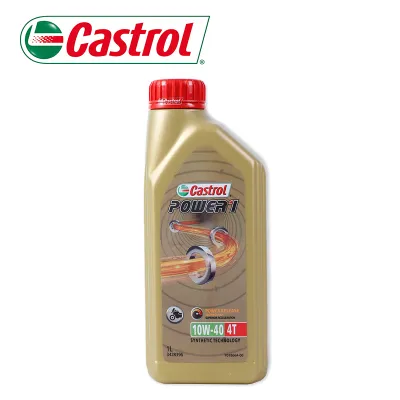
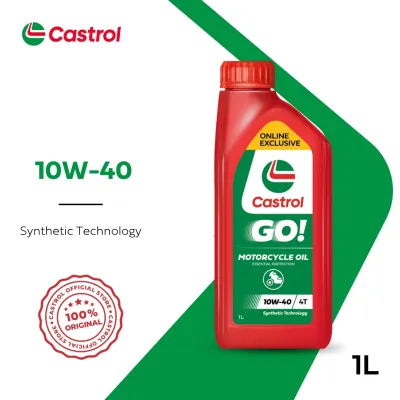
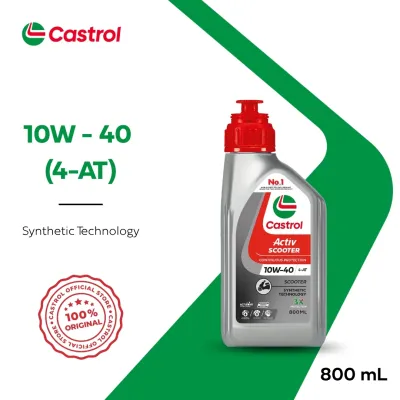
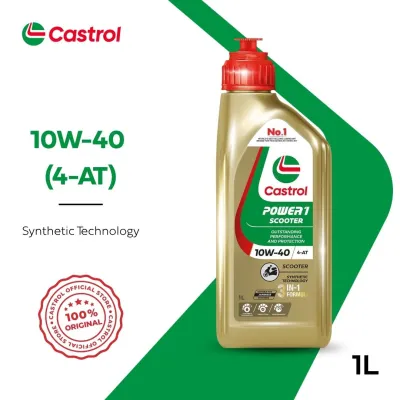
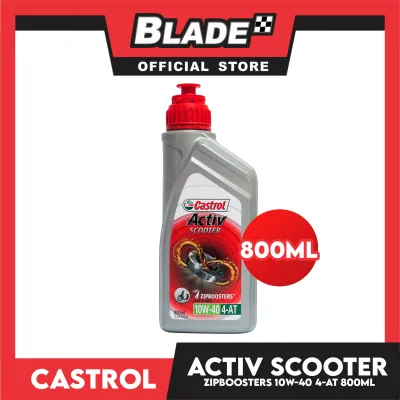
Prices are valid at publication and may change. Please refer to the product page for the latest price.
Sustained high-heat driving also challenges the oil’s shear stability, which is its ability to resist permanent mechanical breakdown under high pressure. In congested urban areas like Metro Manila or Metro Cebu, engines spend hours idling or moving at low speeds, which limits the cooling airflow through the radiator and engine bay. This severe operating environment requires an oil film strong enough to prevent direct contact between metal surfaces while maintaining stable oil pressure. A 10W-40 oil is often selected for older or moderately worn engines because its thicker hot viscosity helps seal clearances and maintain adequate oil pressure under these demanding conditions.
How to Read the Labels: Certifications and Specifications
To make an informed decision between Castrol and Shell, you must look past the front-label marketing and examine the technical specifications on the back of the bottle. The most critical indicator of an oil’s performance capability is its American Petroleum Institute (API) service classification. This rating is typically displayed inside the “API Donut” symbol. Modern gasoline engines generally require API SP or SN ratings, which introduce stricter standards for high-temperature deposit protection, sludge control, and wear prevention compared to older standards like API SL.

In addition to API ratings, European vehicles often require oils that meet specific Association des Constructeurs Européens d’Automobiles (ACEA) sequences, such as ACEA A3/B4 for high-performance gasoline and direct-injection diesel engines. Beyond these general industry standards, many vehicle manufacturers establish their own proprietary specifications to protect their warranties. For example, a European car might require a specific approval code like Mercedes-Benz MB-Approval 229.3 or Volkswagen VW 502.00. Before purchasing either Castrol or Shell 10W-40, consult your owner’s manual to identify the exact OEM approvals required for your engine.
The prevalence of counterfeit engine oils in the local market makes physical verification of the packaging essential. When purchasing oil from retail shops or online marketplaces, inspect the bottle for intact security seals, tamper-evident caps, and clear batch codes printed directly on the plastic. Many reputable brands now include QR codes or holographic seals on the cap that allow you to verify the product’s authenticity via a mobile check. Purchasing exclusively from authorized distributors, official brand stores, or established service centers is the most effective way to ensure you are putting genuine, high-quality fluid into your engine.
Castrol vs Shell: Navigating the 10W-40 Product Lines
Both Castrol and Shell offer multiple formulations within the 10W-40 viscosity range, and understanding the differences in their base oils is crucial. A 10W-40 oil can be a mineral oil, a synthetic blend (often labeled as semi-synthetic), or a fully synthetic oil. Synthetic blends combine conventional mineral oils with synthetic base stocks to offer improved thermal stability and oxidation resistance at a moderate price point. Fully synthetic 10W-40 oils, though generally more expensive, provide the highest level of resistance to thermal breakdown and deposit formation under extreme heat.
Each brand utilizes distinct marketing concepts to describe their proprietary additive packages. For instance, Castrol often highlights technologies designed to reduce engine wear during the warm-up phase or to resist oil breakdown under high thermal loads. Shell frequently emphasizes active cleansing agents aimed at preventing the accumulation of dirt, lacquer, and sludge on internal engine surfaces. Rather than accepting these claims at face value, verify their real-world implications by checking if the specific product variant carries the latest API SP certification, which explicitly tests for low-speed pre-ignition (LSPI) protection and timing chain wear control.
If your vehicle has accumulated significant mileage, typically over 100,000 kilometers, you may want to look for high-mileage formulations within either brand’s lineup. These specialized oils contain seal conditioners that help restore flexibility to degraded engine seals, reducing the likelihood of external oil leaks or internal oil consumption. They also feature robust anti-wear additive packages designed to provide extra protection for older engine components that have experienced gradual wear over years of operation in heavy traffic.
Decision Framework: Matching the Oil to Your Vehicle and Habits
Selecting the right 10W-40 oil requires a systematic approach that prioritizes your vehicle’s mechanical requirements over brand loyalty. Use the following framework to guide your choice:
- Choose Castrol 10W-40 if: The specific product variant (such as a semi-synthetic or high-mileage option) carries the exact API or ACEA certifications required by your vehicle, and your engine has a history of running smoothly on this formulation without excessive oil consumption.
- Choose Shell 10W-40 if: The available bottle explicitly lists the proprietary OEM approvals (such as those from European or Asian manufacturers) mandated by your vehicle's owner's manual, and you prioritize a formulation focused on keeping internal components free of carbon deposits.
- Verify OEM Standards First: Always check the back label of both bottles to see if one explicitly lists a niche manufacturer specification required by your car. If only one brand carries that official approval, that brand is the correct choice for maintaining warranty compliance and engine compatibility.
- Consider Viscosity Alternatives: Be aware that neither brand's 10W-40 oil is suitable if your vehicle's manufacturer strictly mandates a lower viscosity grade, such as 0W-20 or 5W-30. Modern engines with tight internal clearances require thinner oils to ensure proper lubrication flow and fuel efficiency; using a thicker 10W-40 oil in these engines can cause oil starvation, increased wear, and voided warranties.
Safe Oil Change Intervals and Maintenance Checks
Operating a vehicle in the Philippines typically qualifies as “severe service” under most manufacturer guidelines. Severe driving conditions include frequent short trips of less than 10 kilometers, prolonged idling in heavy traffic, driving in dusty environments, and operating in high ambient temperatures and humidity. Under these conditions, engine oil degrades much faster due to fuel dilution, moisture accumulation, and thermal stress. Consequently, you should follow the shorter “severe” maintenance intervals specified in your owner’s manual rather than the standard intervals.
Between scheduled oil changes, performing regular visual and tactile checks is essential for monitoring engine health. Once every two weeks, pull the dipstick to check the oil level and inspect its condition. While oil naturally darkens as it suspends soot and contaminants, a milky or frothy appearance indicates coolant contamination, which requires immediate professional inspection. A strong smell of gasoline on the dipstick suggests fuel dilution, which thins the oil and reduces its protective capabilities.
Whenever you change your engine oil, always replace the oil filter with a high-quality, compatible unit. A clogged or low-quality oil filter cannot efficiently trap contaminants, allowing abrasive particles to recirculate through the engine and degrade the fresh oil prematurely. For any DIY oil changes or maintenance work, ensure the vehicle is safely supported on jack stands on a level surface, use the correct tools to avoid stripping the oil pan drain plug, and dispose of the used engine oil responsibly at an authorized recycling center or service station.
Frequently Asked Questions (FAQ)
Can I mix Castrol and Shell 10W-40 oils in an emergency?
In an emergency situation where your oil level is dangerously low, mixing Castrol and Shell 10W-40 oils is acceptable to prevent immediate engine damage. Both brands manufacture oils that comply with API standards, which require different brands of engine oil to be miscible without forming gels or precipitates. However, because each brand uses a unique chemical recipe for its additive packages, mixing them can disrupt the balance of these additives and slightly reduce the overall protective efficiency of the oil. It is highly recommended to perform a complete oil and filter change as soon as safely possible to restore optimal engine protection.
Is 10W-40 always the best choice for older cars in the Philippines?
While 10W-40 is a popular choice for older vehicles in the Philippines because its higher hot viscosity helps maintain oil pressure and seal wider clearances in worn engines, it is not a universal solution. If an older engine was originally designed for a thinner oil, switching to a 10W-40 can cause sluggish oil flow during cold starts, leading to temporary starvation and wear on upper valve train components. Always check the viscosity chart in your vehicle’s original manual; if 10W-40 is listed as an acceptable option for warm climates, it can be a highly effective choice for reducing oil consumption and maintaining engine compression.

Community discussion
Share your experience or ask a question. Comments are reviewed before publication.