
Choosing the right brake pads is one of the most critical decisions you can make for your vehicle’s safety, performance, and long-term maintenance costs. The three primary friction materials available on the market—ceramic, semi-metallic, and non-asbestos organic (NAO)—each possess distinct physical properties, thermal behaviors, and wear characteristics. Selecting the ideal option requires balancing your vehicle’s specifications, your typical driving routes, and your budget.
Because the braking system relies on friction to convert kinetic energy into thermal energy, the material composition of your brake pads directly dictates how quickly your vehicle stops, how much heat the system can tolerate, and how long your brake rotors will last. Understanding these differences allows you to make an informed decision that ensures reliable stopping power when you need it most.
Quick Answer: Which Brake Pad Material Should You Choose?
Selecting the right brake pad material depends on your specific vehicle type, typical driving environment, and performance expectations. You can narrow down your decision by matching your driving profile to the following recommendations:
Products mentioned in this guide
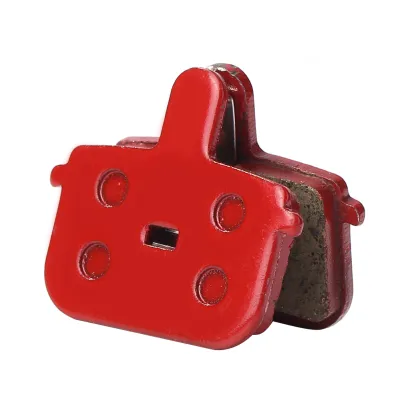
![[READY STOCK] MTB Bicycle Disc Brake Pads for Shimano M375 M395 M445 M446 M525 M475 Semi-Metal Resin Bike Brake Pad Replacement po](https://img.lazcdn.com/g/p/d8dbb6dfc8414e2ced6348068510b4be.jpg_400x400q80.jpg_.webp)
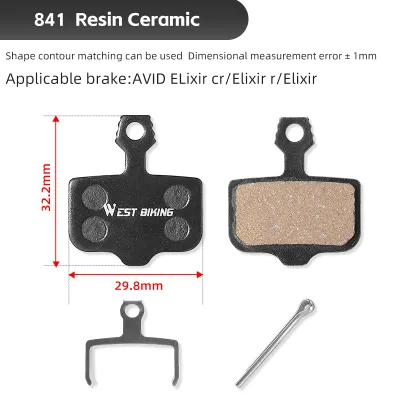
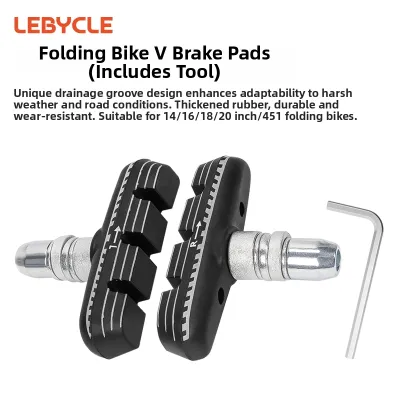
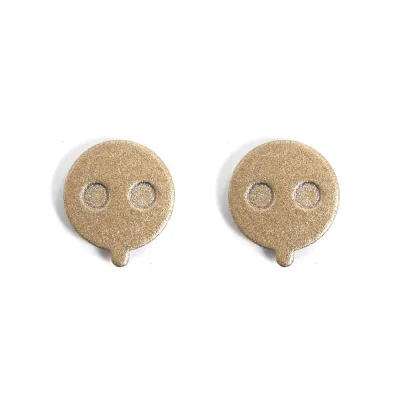
Prices are valid at publication and may change. Please refer to the product page for the latest price.
- Choose ceramic brake pads if you primarily drive a modern sedan, compact car, or crossover in urban areas, prefer a quiet ride, want to keep your wheels free of dark brake dust, and are willing to pay a premium for a longer-lasting pad.
- Choose semi-metallic brake pads if you drive a heavy SUV, pickup truck, or commercial vehicle, frequently carry heavy cargo, regularly traverse steep mountain passes, or require maximum stopping power and fade resistance under high-temperature conditions.
- Choose organic brake pads if you drive a light vehicle, operate on a strict budget, have a gentle driving style, and prioritize a soft pedal feel and quiet operation during low-speed daily commutes.
Regardless of these general recommendations, your vehicle’s braking system is a critical, life-saving safety component. You must always verify compatibility with your vehicle’s specific make, model, year, and original equipment manufacturer (OEM) specifications before purchasing or installing any aftermarket brake components. A professional mechanic should inspect your entire braking system to ensure that any change in pad material aligns with your vehicle’s engineered braking bias and rotor specifications.
Ceramic, Semi-Metallic, and Organic Brake Pads Explained
To understand how these three brake pad materials perform on the road, it is essential to look at what goes into their manufacturing. Modern brake pads are complex composites of various fibers, lubricants, fillers, and binding agents. The precise mixture of these ingredients determines the pad’s friction coefficient, wear rate, noise level, and thermal limits.

Ceramic Brake Pads
Ceramic brake pads are engineered from a dense ceramic material, similar to kiln-fired pottery, mixed with copper fibers, non-ferrous filler materials, and specialized bonding agents. The use of ceramic fibers allows these pads to handle high temperatures with minimal structural degradation. This composition is highly valued for its ability to provide comfortable, predictable stopping power under standard driving conditions.
One of the primary benefits of ceramic pads is their exceptionally quiet operation. The friction noise they generate occurs at a frequency that is completely beyond the range of human hearing, eliminating the annoying squeals often associated with harder pad materials. Additionally, the dust produced by ceramic pads is extremely fine and light in color, meaning it does not easily stick to aluminum alloy wheels or leave unsightly dark deposits.
While ceramic pads offer excellent longevity and stable performance across a wide range of normal operating temperatures, they do have limitations. They typically require a brief warm-up period to reach their optimal operating temperature, meaning their initial “cold bite” may feel slightly less aggressive than that of semi-metallic pads. They are also generally the most expensive option on the market, representing a higher upfront investment that is offset over time by their durability and low wear on rotors.
Semi-Metallic Brake Pads
Semi-metallic brake pads are composed of 30% to 65% metal by weight. This metallic content typically consists of steel wool, iron powder, copper, or graphite, which are bonded together with inorganic fillers and high-temperature resins. This robust construction makes semi-metallic pads incredibly strong, highly durable, and exceptionally efficient at conducting heat.
Because metals are highly conductive, semi-metallic pads are excellent at drawing heat away from the brake rotors and dispersing it throughout the braking assembly. This thermal efficiency makes them highly resistant to brake fade, which occurs when extreme heat causes the friction material to lose its grip on the rotor. They also offer a very firm, reassuring pedal feel and an aggressive initial bite, even when the brakes are completely cold.
However, the high metal content of these pads introduces several distinct trade-offs. The metallic fibers scraping against the cast-iron brake rotors make semi-metallic pads significantly noisier than ceramic or organic alternatives. They also produce a high volume of dark, highly adhesive metallic dust that can corrode wheel finishes if not washed off regularly. Furthermore, because the pad material is so hard, it accelerates the wear rate of your brake rotors, meaning you will likely need to resurface or replace your rotors more frequently.
Organic (Non-Asbestos Organic) Brake Pads
Organic brake pads, often referred to as Non-Asbestos Organic (NAO) pads, were developed as a safe, environmentally friendly alternative to historical asbestos-based pads. They are manufactured from a blend of natural and synthetic fibers, including glass, rubber, carbon, Kevlar, and high-temperature resins. Because these materials are relatively soft, organic pads offer a very smooth, progressive braking feel.
These pads are highly favored for light, everyday driving because they operate very quietly and cause minimal wear on brake rotors. Because the friction material is softer than the cast iron of the rotor, the pad wears down gradually without grinding away the rotor surface. This makes organic pads an economical choice, both in terms of their low initial purchase price and their gentle treatment of associated braking hardware.
Despite these benefits, organic pads have the lowest thermal tolerance of the three types. When subjected to heavy, continuous braking, the resins holding the organic fibers together can begin to degrade and outgas, creating a thin layer of gas between the pad and the rotor. This phenomenon leads to severe brake fade, where the brake pedal feels mushy and the vehicle’s stopping distance increases dramatically. Consequently, organic pads are best suited for light vehicles, flat terrains, and relaxed driving styles.
How Ceramic, Semi-Metallic, and Organic Pads Compare
To help you weigh the practical trade-offs of each material, the table below compares their performance across several key decision-making dimensions:
| Feature | Ceramic Brake Pads | Semi-Metallic Brake Pads | Organic (NAO) Brake Pads |
|---|---|---|---|
| Stopping Power (Cold) | Moderate to High | Excellent | Good |
| Stopping Power (Hot) | High | Excellent | Poor to Moderate |
| Noise Level | Extremely Low | Moderate to High | Low |
| Brake Dust Volume | Low (Light Color) | High (Dark Color) | Moderate (Dark Color) |
| Rotor Wear Rate | Low | High | Extremely Low |
| Lifespan | Long | Moderate to Long | Short to Moderate |
| Relative Cost | High (₱₱₱) | Moderate (₱₱) | Low (₱) |
While this table provides a helpful baseline, it is important to remember that material category is a broad generalization. Modern manufacturing techniques allow brands to create proprietary formulas that blur these lines. For example, a premium semi-metallic pad may incorporate advanced ceramic lubricants to reduce noise, while a high-end ceramic pad might use specialized metal fibers to improve cold-bite performance.
When shopping for brake pads, you should look beyond the material label and check the product’s specific friction ratings and temperature ranges. Many high-quality pads display a two-letter DOT edge code (such as EE, FF, GG, or HH) stamped on the backing plate. The first letter represents the normal coefficient of friction (at low temperatures), while the second letter represents the hot coefficient of friction. A higher letter in the alphabet indicates a higher coefficient of friction, providing a more objective measure of the pad’s stopping capability than the material name alone.
Choosing Brake Pads for Philippine Driving Conditions
Driving in the Philippines presents a unique set of challenges that can severely test your vehicle’s braking system. From the notoriously congested streets of Metro Manila to the steep, winding mountain passes of Northern Luzon, your choice of brake pad material directly impacts your safety and driving comfort.
City Traffic and Stop-and-Go Commutes
Navigating daily traffic on major thoroughfares like EDSA, C-5, or Commonwealth Avenue involves hours of low-speed, stop-and-go driving. In these congested urban environments, your brakes are applied constantly but at relatively low speeds, meaning extreme heat generation is rarely a primary concern.
For these driving conditions, ceramic or high-quality organic brake pads are highly recommended. Their smooth, progressive engagement makes crawling through bumper-to-bumper traffic comfortable and predictable, preventing the jerky stops that can fatigue drivers and passengers. Furthermore, the low noise levels of ceramic pads prevent annoying squeaks during repetitive stops, and their minimal dust output keeps your vehicle’s wheels looking clean despite hours of daily commuting.
Mountainous Routes and Heavy Loads
If your routine involves driving through elevated regions like Baguio via Kennon Road or Marcos Highway, traversing the scenic routes of Tagaytay, or navigating the winding mountain passes of the Sierra Madre, your braking demands change dramatically. Descending long, steep slopes requires continuous braking, which generates immense kinetic heat within the brake assembly.
In these high-stress scenarios, especially if you are driving a fully loaded utility vehicle, midsize SUV, or pickup truck, semi-metallic brake pads are the safest and most reliable choice. Their exceptional heat dissipation and high thermal limits prevent dangerous brake fade, ensuring that you maintain consistent stopping power even near the bottom of a long descent. Using standard organic or lower-grade ceramic pads in these conditions carries a high risk of overheating, which can lead to a sudden, catastrophic loss of braking efficiency.
Tropical Heat and Humidity Considerations
The Philippine climate is characterized by high ambient temperatures, intense humidity, and torrential rainfall during the monsoon season. While all modern, high-quality brake pads are engineered to operate safely in wet and hot environments, these tropical conditions demand proactive maintenance of the entire braking system.
High humidity is particularly problematic for brake fluid, which is hygroscopic, meaning it naturally absorbs moisture from the air over time. As moisture content increases, the boiling point of the brake fluid drops significantly, making it much more susceptible to vapor lock and pedal sponginess under heavy braking. Additionally, driving through flooded streets or heavy rain can cause a temporary layer of surface rust to form on cast-iron rotors. When selecting brake pads, ensure they are paired with regular brake fluid flushes (typically every two years) and routine rotor inspections to guarantee the entire system remains safe and responsive in all weather conditions.
Safety Boundaries and Installation Requirements
Because your vehicle’s brakes are its most critical life-saving safety system, any modification, material swap, or maintenance work must be approached with extreme caution. You must always refer to your vehicle owner’s manual or OEM technical documentation to verify the approved friction materials, dimensions, and hardware specifications before purchasing aftermarket parts.
One of the most important safety rules of brake maintenance is that you must never mix different brake pad materials on the same axle. Doing so will cause uneven friction levels between the left and right wheels, leading to severe vehicle pull, unstable handling, and unpredictable behavior during emergency braking. While front and rear axles often use different pad shapes and materials by design, consistency across each individual axle is absolute.
If you decide to switch from one pad material to another—such as upgrading from factory semi-metallic pads to aftermarket ceramic pads—you must verify rotor compatibility. Some vehicle rotors, particularly those on certain European models, are cast from softer iron alloys designed to wear down in tandem with hard semi-metallic pads. Installing hard ceramic pads on these rotors without verifying compatibility can result in poor friction transfer, rapid glazing of the pad surface, and a severe reduction in overall stopping power.
To ensure your safety, we strongly recommend having your brake pads installed by a qualified, professional mechanic. A proper, comprehensive brake service involves much more than simply swapping out the pads. A professional installation should always include the following steps:
- Rotor Inspection: Measuring the rotor thickness with a micrometer to ensure it meets the manufacturer's minimum wear specifications, and checking for deep scoring, grooving, or thermal cracking.
- Caliper Servicing: Cleaning the caliper brackets, inspecting the rubber dust boots for tears, checking the caliper pistons for leaks, and lubricating the slide pins with specialized, high-temperature silicone brake grease to prevent caliper binding.
- Hardware Replacement: Installing new anti-rattle clips, shims, and wear indicators to prevent noise and ensure proper pad alignment.
- System Flush: Verifying the condition of the brake fluid and performing a complete flush if the fluid is discolored or contains excessive moisture.
- Bedding-In Procedure: Performing a controlled burnishing process (repeated, gradual stops from moderate speeds) to transfer a uniform layer of friction material from the new pads onto the rotor face, which is essential for achieving full stopping power and preventing squealing.
Frequently Asked Questions (FAQ)
Can I mix different brake pad materials on the front and rear axles?
Yes, it is common and safe to use different brake pad materials on the front and rear axles, provided that the pads on each individual axle are identical. Because front brakes perform approximately 70% to 80% of a vehicle’s stopping work, manufacturers often design front and rear braking systems with different capacities, rotor sizes, and pad formulations. However, you should never select axle materials at random. Always consult your vehicle manufacturer’s specifications to ensure any material combination maintains the engineered braking bias and does not interfere with the calibration of your electronic stability control (ESC) or anti-lock braking system (ABS).
Do I need to replace my rotors when switching to ceramic brake pads?
You do not automatically need to purchase new rotors when switching to ceramic brake pads, but the existing rotors must undergo a thorough professional inspection. If your previous pads were semi-metallic, they may have left deep grooves, uneven wear patterns, or a heavy metallic transfer layer on the rotor surface. Installing new ceramic pads on a compromised rotor will prevent them from bedding in correctly, leading to poor stopping performance, excessive noise, and premature pad wear. If the rotors are still above the manufacturer’s minimum thickness limit, they must be professionally resurfaced (turned) to create a clean, flat surface; otherwise, they must be replaced.
How do I know when my brake pads need replacing?
Your braking system provides several clear warning signs when the friction material is wearing thin. Many modern brake pads feature built-in metal wear indicators—small metal tabs that scrape against the rotor to produce a high-pitched squealing noise when the pad thickness drops below a safe level (typically around 2mm to 3mm). Other warning signs include a harsh grinding noise (indicating complete material wear and metal-on-metal contact, which severely damages rotors), a vibrating or pulsing brake pedal, a spongy pedal feel, or an increase in your vehicle’s stopping distance. If you observe any of these symptoms, or if your vehicle’s brake warning light illuminates on the dashboard, you should seek an immediate professional inspection.
Community discussion
Share your experience or ask a question. Comments are reviewed before publication.