
Choosing the right motorcycle drivetrain is a decision that shapes your entire riding experience, influencing everything from throttle response and cornering feel to your weekend maintenance routine. There is no single universal system that outperforms the others in every scenario. Instead, the ideal choice depends on your specific riding style, the environments you traverse, and how much time you are willing to spend working on your bike.
Chain drives remain the standard for performance-oriented and budget-conscious riders who do not mind performing regular upkeep. They offer lightweight efficiency and are highly cost-effective to replace. Belt drives are highly suited for urban commuters and cruiser enthusiasts who prioritize a quiet, smooth, grease-free ride on paved roads. Shaft drives, which utilize an enclosed gear system, are engineered for long-distance touring and adventure riders who demand maximum mechanical durability and want to eliminate routine roadside maintenance entirely, even if it means accepting a heavier motorcycle and a higher initial purchase price.
Clarifying the Terms: Gearbox Transmission vs. Final Drive
To make an informed decision, it is essential to first resolve a common point of confusion among riders. Many discussions conflate the internal gearbox transmission with the external final drive system. These are two distinct stages of a motorcycle’s power delivery network, and understanding how they interact is crucial for proper maintenance and selection.
Products mentioned in this guide
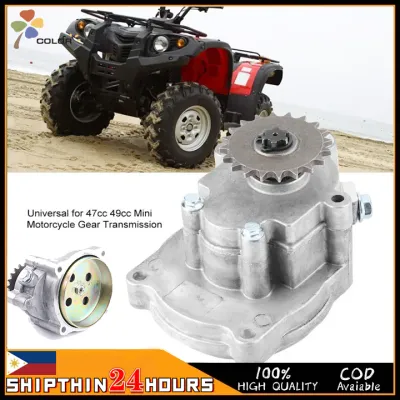
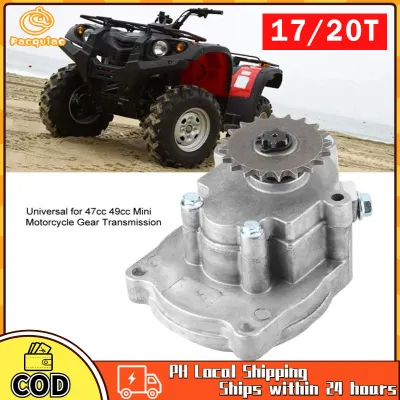
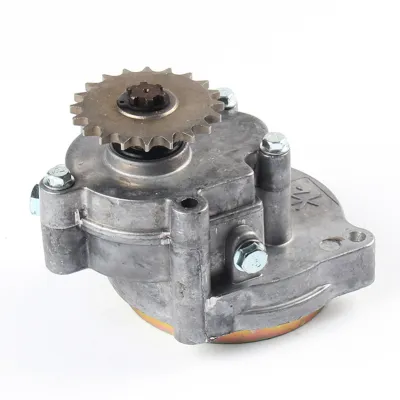
Prices are valid at publication and may change. Please refer to the product page for the latest price.
The internal gearbox transmission is located deep within the engine casing. It consists of a series of gears on input and output shafts that mesh together to alter speed and torque ratios. When you click the gear shifter with your left foot, you are shifting gears inside this internal transmission to keep the engine operating within its optimal power band. This internal system is bathed in engine oil and remains sealed from the outside environment.
In contrast, the final drive is the external mechanism that takes the rotational power exiting the gearbox transmission’s output shaft and delivers it to the rear wheel hub. When riders compare chains, belts, and gears, they are actually comparing different final drive configurations. The gearbox transmission remains conceptually similar across most manual motorcycles, but the final drive method varies significantly depending on the motorcycle’s intended purpose, manufacturing budget, and design philosophy.
Chain Drive: High Efficiency and Hands-On Maintenance
Chain drives are the most prevalent final drive system in the motorcycle industry, found on everything from entry-level underbone commuters to high-performance track bikes. This dominance is due to their exceptional mechanical efficiency and lightweight design.

Performance and Mechanical Efficiency
A chain drive delivers the highest power transfer efficiency of any final drive system, typically losing only 1% to 3% of the engine’s power between the output shaft and the rear wheel. Because the system consists of a lightweight steel chain looping over front and rear sprockets, it adds minimal unsprung weight to the rear swingarm. This low rotational mass allows the rear suspension to react rapidly to road imperfections, which is why chains are the non-negotiable standard for sportbikes, dirt bikes, and racing machines where handling precision and maximum acceleration are paramount.
Maintenance Requirements in Tropical Climates
The primary trade-off of a chain drive is its relentless demand for hands-on maintenance. A chain must be cleaned, lubricated, and checked for proper tension regularly. In tropical and highly humid environments, such as the Philippines, environmental factors accelerate wear significantly. Frequent monsoons, flooded streets, muddy provincial roads, and coastal salt air wash away lubricants and encourage rapid rust formation.
When road grit mixes with wet chain lube, it creates an abrasive grinding paste that quickly degrades the rubber O-rings or X-rings designed to keep factory grease sealed inside the chain links. If these seals fail, the chain develops stiff links, runs hot, and wears down the sprocket teeth. Riders in these regions must commit to cleaning and lubricating their chains every 400 to 600 kilometers, or immediately after riding through heavy rain or standing water, using label-authorized cleaners and high-tack lubricants.
Cost and Service Lifespan
From a budget perspective, chain drives offer the lowest initial replacement cost. However, they have the shortest lifespan of the three systems, typically requiring replacement every 15,000 to 25,000 kilometers depending on riding style and maintenance quality. When replacement time comes, you must replace the chain and both sprockets as a matched set. Installing a new chain on worn sprockets, or vice versa, causes the mismatched profiles to grind against each other, leading to premature wear and potential chain failure.
Belt Drive: Smooth Power and Minimal Upkeep
Belt drives offer a highly refined alternative to chains, replacing metal links with a high-strength, rubber-based belt that runs on grooved pulleys. This system is highly favored for cruisers, touring models, and modern urban scooters.
The Riding Experience
Driving a belt-driven motorcycle is characterized by its remarkable smoothness and near-silent operation. Because there is no metal-on-metal contact, the mechanical clatter associated with chains is entirely absent. The inherent elasticity of the synthetic rubber belt dampens the harshness of throttle transitions, smoothing out the power delivery when you roll on or off the throttle. Furthermore, because belts require absolutely no grease or oil, they eliminate the messy splatter that commonly coats the rear wheel, swingarm, and rider’s gear on chain-driven bikes.
Maintenance and Environmental Vulnerabilities
Belts are highly appealing to riders who want a low-maintenance ownership experience. They do not rust, do not require periodic lubrication, and experience very little stretch over time, meaning tension adjustments are rarely needed. However, they are highly vulnerable to physical debris.
If a small stone or piece of gravel gets kicked up from the road and trapped between the belt and the pulley, it can easily puncture the belt or slice through its internal tensile cords. Under the high tension of acceleration, a nicked belt can snap without warning. For this reason, belt drives are poorly suited for off-road riding, unpaved provincial roads, or environments with loose gravel, where the risk of debris intrusion is high.
Replacement Complexity and Costs
While a high-quality drive belt reinforced with carbon fiber cords can easily last 50,000 to 80,000 kilometers under clean conditions, the parts themselves are significantly more expensive than a standard chain and sprocket set. Additionally, replacing a drive belt is rarely a simple roadside task. Because the belt is a continuous, unbroken loop, installing a new one usually requires removing the motorcycle’s swingarm or primary drive outer cover. This task requires specialized alignment tools, a rear paddock stand, and qualified mechanical expertise to ensure the belt is tensioned precisely to manufacturer specifications.
Gear and Shaft Drive: Maximum Durability for Touring
Shaft drives, often referred to as gear drives, represent the pinnacle of mechanical durability and weather protection. Commonly utilized on heavy adventure motorcycles and premium long-distance touring machines, this system replaces external chains or belts with a solid rotating shaft.
Durability and Environmental Protection
The defining advantage of a shaft drive is its fully enclosed design. The rotating steel shaft and its connecting bevel gears are completely sealed inside a rigid metal housing, which often doubles as the motorcycle’s swingarm. This housing keeps out rain, mud, sand, volcanic ash, and coastal salt spray, protecting the moving components from the elements. As a result, shaft drives are virtually immune to environmental wear and tear. They require no daily or weekly maintenance, making them highly reliable for long journeys where carrying cleaning sprays and lubricants is impractical.
Performance Trade-offs and Shaft Jacking
Despite their durability, shaft drives carry notable performance penalties. They are substantially heavier than chain or belt systems, which increases the unsprung weight of the motorcycle. This extra weight makes the rear suspension less responsive over sharp bumps or corrugated road surfaces.
Additionally, transferring power through a shaft drive requires redirecting the engine’s rotational force twice by 90 degrees using bevel gears, which results in a higher power loss—typically between 10% and 15%—compared to a chain. Some shaft-driven motorcycles also exhibit “shaft jacking” or the “elevator effect,” where the rear suspension stiffens and rises under hard acceleration due to the torque reaction of the gears, rather than squatting like a chain-driven bike. While modern manufacturers use articulated multi-link rear suspensions to counteract this effect, it still alters the handling dynamics of the motorcycle.
Maintenance and Long-Term Reliability
While shaft drives do not require routine cleaning or tensioning, they are not entirely maintenance-free. The gear housings require periodic oil changes to lubricate the bevel gears and dissipate heat. This maintenance is low-effort, typically requiring a simple drain and refill of dedicated gear oil every 20,000 to 30,000 kilometers. However, if a shaft drive does suffer a mechanical failure—such as a blown oil seal or a chipped gear tooth—the repair is highly complex and expensive, requiring specialized workshop tools and professional rebuild services.
Head-to-Head Comparison: Chain vs. Belt vs. Gear/Shaft
To help you evaluate these three systems side-by-side, the following table summarizes how they perform across key operational and financial dimensions.
| Dimension | Chain Drive | Belt Drive | Gear / Shaft Drive |
|---|---|---|---|
| Power Efficiency | Very High (97%–99%) | High (95%–97%) | Moderate (85%–90%) |
| System Weight | Very Lightweight | Lightweight | Heavy |
| Routine Maintenance | High (Frequent clean/lube) | Very Low (Inspect tension) | Minimal (Periodic fluid change) |
| Expected Lifespan | 15,000 – 25,000 km | 50,000 – 80,000 km | 100,000+ km |
| Relative Replacement Cost | Low | Medium to High | Very High (If system fails) |
| Vulnerability to Debris | Moderate (Accelerates wear) | High (Risk of snapping) | Extremely Low (Sealed system) |
| Primary Application | Sport, Off-Road, Commuter | Cruisers, City Scooters | Heavy Touring, Adventure |
Selecting the right system is a matter of managing trade-offs. If you prioritize raw performance, lightweight handling, and a low purchase price, you must accept the chore of regular chain maintenance. If you want a clean, quiet, and smooth ride for daily paved commuting, a belt drive offers an excellent balance, provided you keep it away from gravel roads. If your goal is to travel long distances across varying terrain without ever worrying about drivetrain wear, the shaft drive is the undisputed leader, provided you are willing to accept the initial weight and cost penalties.
How to Choose the Right System for Your Needs
To determine which drivetrain aligns with your riding habits, consider your typical routes, your mechanical willingness, and your long-term budget.
Choose a Chain Drive if:
- Your motorcycle type is a sportbike, dual-sport, dirt bike, or small-displacement commuter underbone.
- Your riding style focuses on spirited acceleration, track days, off-road trail riding, or active maneuvering where low unsprung weight is critical.
- Your maintenance approach is hands-on. You do not mind spending fifteen minutes every couple of weeks cleaning, lubricating, and adjusting the tension of your drivetrain in your garage.
- Your budget favors lower upfront costs for parts and you prefer a system that can be easily serviced or replaced at almost any local motorcycle shop.
Choose a Belt Drive if:
- Your motorcycle type is a cruiser, cruiser-style touring bike, or a mid-to-large displacement urban scooter.
- Your riding style consists of relaxed highway cruising, daily city commuting on well-paved roads, and scenic weekend rides.
- Your maintenance approach is minimal. You want to avoid the mess of chain grease on your rear wheel and garage floor, and you prefer a drivetrain that requires only occasional visual inspections.
- Your budget permits a higher initial cost for replacement belts and you are comfortable visiting a professional service center for specialized swingarm disassembly when a replacement is eventually required.
Choose a Gear/Shaft Drive if:
- Your motorcycle type is a large-displacement adventure motorcycle or a heavy-duty cross-country touring bike.
- Your riding style involves long-distance touring, multi-day road trips across different provinces, or riding through unpredictable weather, mud, and heavy rains.
- Your maintenance approach is "fit and forget." You want a drivetrain that is completely sealed from the elements and requires no daily attention, leaving you free to focus entirely on the road ahead.
- Your budget allows for a premium upfront motorcycle purchase price and you accept the long-term cost of professional gear oil services in exchange for absolute mechanical reliability.
Frequently Asked Questions (FAQ)
Can I convert my chain-drive motorcycle to a belt or shaft drive?
Converting a motorcycle from a chain drive to a belt or shaft drive is highly impractical and mechanically unfeasible for almost all riders. A motorcycle’s frame, swingarm geometry, engine casing, and gearbox output shaft are custom-engineered from the factory to accommodate one specific type of final drive. A belt drive requires a wider clearance space and a swingarm design that allows the belt to be slipped on, while a shaft drive requires a highly specialized hollow swingarm housing and specific bevel gear mounts on the rear wheel hub. Attempting a custom conversion requires extensive structural modifications that compromise the motorcycle’s frame integrity, wheel alignment, road safety, and manufacturer warranty.
How does the humid climate in the Philippines affect chain maintenance?
The tropical climate in the Philippines, characterized by high relative humidity, heavy monsoon downpours, and coastal salt air, is exceptionally harsh on motorcycle chain drives. Water and road grime rapidly wash away standard chain lubricants, exposing the bare steel plates to moisture and accelerating rust formation. Additionally, riding through flooded streets or muddy provincial roads introduces fine grit that penetrates the rubber O-rings or X-rings, destroying the internal lubrication. To combat these conditions, riders should inspect their chains weekly, use high-tack wet-weather chain lubricants that resist water washout, and perform thorough cleanings immediately after riding through heavy rain or standing water.
Does a gear transmission require regular oil changes?
It is important to distinguish between the internal gearbox transmission and an external shaft drive. The internal gearbox transmission shares its lubrication with the engine’s wet clutch system on most motorcycles, meaning it is lubricated by the standard engine oil and is serviced during your regular engine oil changes. An external shaft drive, however, is a separate, sealed mechanical system located at the rear wheel hub. It operates using its own dedicated, high-viscosity gear oil (typically SAE 80W-90 or similar, as specified by the manufacturer). This gear oil does not need to be changed as frequently as engine oil, but it must be drained and replaced at specific intervals—usually every 20,000 to 30,000 kilometers—to prevent wear on the internal bevel gears. Always consult your motorcycle’s owner’s manual to verify the exact oil specifications and service intervals for both systems.
Community discussion
Share your experience or ask a question. Comments are reviewed before publication.