
Quick Answer: Is the Champiro GTX Pro Right for Your Daily Commute?
If you are navigating the bustling streets of the Philippines, the Champiro GTX Pro offers a highly practical balance of wet-weather traction and long-term durability at a budget-friendly price point. Designed specifically as a value-oriented urban commuting tire, it excels at handling sudden tropical downpours and hot concrete roads without demanding a premium price tag.
However, whether it is the absolute best choice for your daily ride depends on your specific route and vehicle setup. If your commute consists of high-speed highway stretches or heavy cargo hauling, you may benefit more from a premium touring tire. Conversely, for typical city speeds, stop-and-go traffic, and unpredictable road surfaces, this tire serves as a dependable workhorse that keeps your daily operating costs low. Always verify your scooter’s specific tire size and load requirements before purchasing.
What Matters Most for Daily Commuting on Two Wheels?
Daily commuting on a scooter or underbone motorcycle in the Philippines exposes your tires to some of the most demanding road conditions imaginable. From the intense heat of the dry season to the flooded streets of the monsoon months, your tires are the only contact point between your machine and the ground. Understanding what makes a tire reliable under these conditions is essential for both safety and cost-efficiency.
Products mentioned in this guide
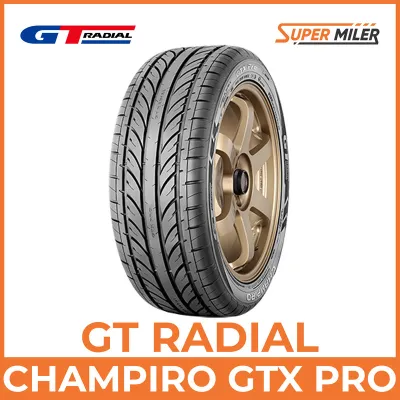
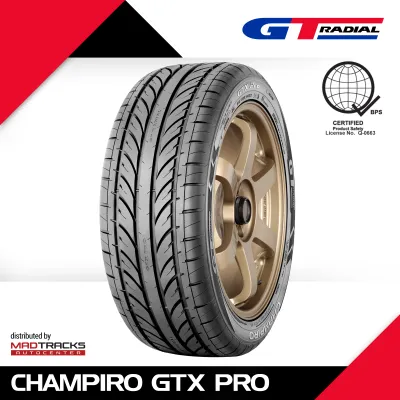
Prices are valid at publication and may change. Please refer to the product page for the latest price.

Wet traction is arguably the most critical performance metric for any commuter. When a sudden afternoon thunderstorm hits, water can accumulate quickly on asphalt and concrete surfaces, leading to hydroplaning if your tread cannot disperse water fast enough. A tire’s groove design must be optimized to channel water away from the center contact patch, allowing the rubber to maintain direct contact with the road. Additionally, the chemical composition of the rubber compound plays a major role; tires with balanced silica or specialized grip additives remain pliable and sticky even when the road surface temperature drops during a downpour.
Hot asphalt and concrete roads accelerate tread wear, making compound resilience another vital consideration. In tropical climates, road surface temperatures can climb significantly during midday, causing softer rubber compounds to wear down rapidly. A commuter tire must utilize a compound that resists heat degradation while maintaining enough flexibility to absorb road vibrations. Balancing this longevity with adequate grip is the primary engineering challenge for commuter tire manufacturers.
Puncture resistance is your primary defense against road debris, sharp gravel, and discarded metal fragments commonly found on road shoulders. Commuter tires require a robust carcass construction, often utilizing multiple nylon or polyester plies, to prevent sharp objects from penetrating the inner chamber. A stiff sidewall also helps maintain structural integrity when hitting unexpected potholes, reducing the risk of pinch flats or rim damage.
To evaluate these traits on your own, you must learn to read the markings on a tire’s sidewall. Rather than relying on marketing claims, look for the load index and speed rating, which indicate the maximum weight and speed the tire can safely handle. You should also check the Department of Transportation (DOT) code to identify the manufacturing date; tires that have sat on a shelf for more than a few years can dry rot and lose their structural flexibility, regardless of how deep the tread appears.
Champiro GTX Pro: Design and Commuter Features
The Champiro GTX Pro is engineered to address the specific needs of urban commuters who require a balance of safety, durability, and affordability. Primarily designed for light-to-medium displacement automatic scooters and underbone motorcycles, this tire positions itself as an accessible upgrade over basic original equipment manufacturer (OEM) tires. It is commonly available in popular rim sizes, making it highly compatible with the standard commuter fleet found across the country.
At the core of its design is a directional tread pattern optimized for water evacuation. The deep, angled grooves extending from the center of the tire to the shoulder are designed to act as channels, actively pumping water out from under the footprint as the wheel rotates. This pattern helps minimize the risk of hydroplaning when riding through shallow puddles or wet lane markings, which are notoriously slippery in city environments.
The rubber compound of the tire is formulated to withstand the thermal stress of daily stop-and-go traffic. By blending durable carbon black with modern synthetic polymers, the manufacturer aims to provide a tire that resists rapid wear on coarse concrete roads while still offering sufficient mechanical grip during braking. This balanced approach ensures that you do not have to replace your tires prematurely, helping to keep your monthly commuting budget predictable.
Despite these design features, you must carefully verify that the specific tire model matches your vehicle’s specifications. Never purchase a tire based solely on the model name; always check the exact width, aspect ratio, rim diameter, load index, and speed rating stamped on the sidewall. Ensuring these specifications align with your scooter’s requirements is the only way to guarantee that the tire will perform as intended by the engineers.
Safety, Fitment, and Compatibility Checks Before Buying
Before purchasing any new tire, you must consult your scooter’s owner’s manual or check the tire information placard typically located on the swingarm, frame down-tube, or under the seat. This document specifies the exact tire dimensions, such as 80/90-14 for the front and 90/90-14 for the rear, which are engineered to work with your vehicle’s suspension, braking system, and rim width. Installing an incorrect size can alter your speedometer readings, degrade handling predictability, and cause the tire to rub against the fender or engine casing.
Pay close attention to the load index and speed rating. The load index is a numerical code (e.g., 40, 46) that represents the maximum weight the tire can carry at its rated inflation pressure, while the speed rating is a letter (e.g., P, S) indicating the maximum safe operating speed. Commuter scooters that frequently carry pillion passengers or heavy delivery top-boxes must use tires that meet or exceed the original manufacturer’s load specifications. Under-specifying these ratings can lead to excessive heat buildup, casing distortion, and catastrophic tire failure.
Mounting and balancing a tubeless scooter tire requires specialized equipment and technical expertise. Attempting to install a tire yourself using hand tools can damage the delicate bead area, bend the wheel rim, or scratch the protective coating, leading to slow air leaks. Always have your new tires mounted by a qualified mechanic at a professional service center. A professional installation should also include replacing the rubber tubeless valve stem, which degrades over time due to ozone and heat exposure, and performing dynamic wheel balancing to eliminate high-speed vibrations.
Never assume a tire is compatible with your scooter simply because it is marketed under a general “scooter” or “underbone” category. Rims vary in width, and some older models require tubetype tires, while newer models use tubeless configurations. Running a tubeless tire with an inner tube on a non-matching rim can cause friction heat, leading to sudden deflation. Always confirm the exact rim interface requirements before making a final purchase.
Comparing the GTX Pro to Other Commuter Tire Categories
To understand where the Champiro GTX Pro fits in the wider market, it is helpful to compare it against other common tire categories. Since commuter needs vary widely based on budget and riding style, evaluating these tires across qualitative performance dimensions allows you to make an informed choice.
| Tire Category | Primary Strength | Main Trade-off | Ideal Commuter Profile |
|---|---|---|---|
| Champiro GTX Pro (Mid-Tier Value) | Balanced wet/dry grip, cost-effective acquisition cost, reliable water evacuation | Moderate high-speed stability compared to premium options | Daily city commuters seeking a dependable, budget-friendly upgrade |
| Premium Touring Scooter Tires | Exceptional wet-weather confidence, advanced dual-compound longevity, high-speed comfort | Significantly higher upfront purchase price | Long-distance highway commuters, heavy-duty delivery riders, and touring enthusiasts |
| Standard OEM / Budget Tires | Very low initial cost, high availability across local shops | Harder rubber compounds with reduced wet grip, basic tread designs | Short-distance riders on tight budgets who stick to dry, well-maintained city streets |
The Champiro GTX Pro positions itself directly in the sweet spot of the mid-tier market. While it may not feature the advanced multi-compound technology found in premium touring tires—where the center tread is hard for mileage and the shoulders are soft for cornering—it avoids the hard, plasticky feel of ultra-budget tires. Budget tires often prioritize mileage to such an extent that they slip easily on wet concrete, painted road lines, or steel manhole covers. The GTX Pro addresses this safety gap by offering a more pliable compound that provides reliable traction without requiring a massive financial investment.
On the other hand, premium touring tires are designed for riders who demand the absolute highest level of performance and are willing to pay a premium. These high-end options often utilize high-silica compounds that offer superior grip on wet surfaces and maintain their flexibility across a broader temperature range. However, for a typical commuter navigating heavy city traffic at moderate speeds, the performance benefits of a premium tire may not fully justify the double or triple upfront cost compared to a reliable mid-tier option like the GTX Pro.
Decision Framework: Which Tire Should You Choose?
Selecting the right tire requires analyzing your daily riding habits, budget constraints, and safety priorities. Use the following condition-based guidelines to determine which tire category aligns best with your daily commute.
- Choose the Champiro GTX Pro if: You primarily commute within city limits at moderate speeds, frequently encounter wet roads or sudden tropical rain, and want a dependable tire that offers solid wet grip without breaking the bank. It is an excellent choice for riders who want to upgrade from hard OEM tires to a more confidence-inspiring tread pattern while keeping their maintenance costs manageable.
- Choose a Premium Touring Tire if: Your daily route includes high-speed bypass roads or highways, you regularly carry a passenger or heavy cargo, or you prioritize maximum wet-weather braking performance above all else. If you ride long distances daily and view tire cost as a secondary concern compared to absolute grip and high-speed stability, investing in a premium brand is highly recommended.
- Choose a Standard Budget Tire if: You only use your scooter for short, low-speed errands around your neighborhood, ride almost exclusively in dry conditions, and need to minimize your immediate upfront expenses. Be prepared for potentially longer braking distances on wet roads and a firmer ride quality.
- Verify first if: Your scooter has specific manufacturer warranty requirements, features non-standard rim sizes, or is utilized for commercial delivery services. Commercial use often demands specialized heavy-duty load ratings that standard commuter tires may not support. Always check your tire sidewall and vehicle manual to confirm compatibility before finalizing your purchase.
Frequently Asked Questions (FAQ)
Can I mix different tire brands on the front and rear of my scooter?
While it is physically possible to install different tire brands on the front and rear wheels, it is generally recommended to use matching tire models, or at least tires with highly compatible tread patterns and rubber compounds. Mixing brands can result in unpredictable handling characteristics, as different tires are engineered with distinct profile shapes, carcass stiffness, and wet-weather performance limits. If your front and rear tires have vastly different grip levels, your scooter may handle inconsistently during sudden braking or cornering, particularly on wet and slippery roads. If you must mix brands, ensure that both tires match your vehicle’s required specifications and that the tire with the better wet traction is installed on the front wheel to maintain steering control.
How do I find the correct tire size for my specific scooter model?
To find the correct tire size for your scooter, look at the sidewalls of your currently installed tires or locate the tire information label on your vehicle. This label is typically found on the swingarm, near the rear wheel, inside the under-seat storage compartment, or on the frame down-tube. Additionally, your scooter’s owner’s manual will list the approved tire dimensions, recommended inflation pressures, and load ratings. The size code will appear as a series of numbers, such as 90/80-14, where 90 represents the tire width in millimeters, 80 is the aspect ratio (height as a percentage of width), and 14 is the rim diameter in inches. Always double-check these numbers before buying to ensure a perfect fit.
Community discussion
Share your experience or ask a question. Comments are reviewed before publication.