
Selecting a high performance oil for your vehicle in the Philippines requires balancing extreme operating temperatures with demanding driving conditions. Whether you are navigating dense urban traffic that causes rapid engine heat soak or pushing your vehicle to its limits during a weekend track day, your engine demands a lubricant that maintains its structural integrity under severe thermal stress. A 15W-50 fully synthetic engine oil is specifically engineered to provide a robust protective barrier for high-performance, turbocharged, or classic engines. Rather than relying on generic marketing claims, choosing the right formulation involves understanding how different synthetic base stocks, additive packages, and industry certifications interact with your vehicle’s specific mechanical requirements.
Understanding 15W-50 Viscosity and Synthetic Base Stocks
To appreciate why a 15W-50 oil is favored for high-load applications, it is essential to break down its viscosity rating. The “15W” prefix designates the oil’s low-temperature flow characteristics, where the “W” stands for winter. While the tropical climate of the Philippines means you will not encounter sub-zero cold starts, this rating still dictates the oil’s initial flow behavior when the engine has been sitting idle. A 15W oil is thicker at startup than a 0W or 5W oil, meaning it requires slightly more energy to pump initially but is perfectly suited for warm climates where ambient temperatures rarely drop below 20°C.
The “50” suffix represents the oil’s kinematic viscosity at 100°C, which is the standard operating temperature for most internal combustion engines. At this elevated temperature, a 50-weight oil remains significantly thicker and more viscous than standard passenger car oils like 5W-30 or 0W-20. This high-temperature thickness is critical for high-revving, track-driven, or older engines with larger bearing clearances. The robust oil film prevents direct metal-to-metal contact between fast-moving components, such as the crankshaft bearings and camshaft lobes, even when subjected to extreme mechanical loads and high shear forces.
Products mentioned in this guide
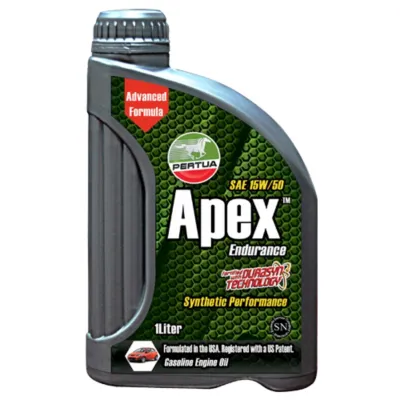
135 Lazada user ratings
mabilis na dumating at maayos ang packaging ng item. about the actual product, gumanda ang hatak ng motor at mas smooth pag mag shift ng gea…Read full reviewShow less
mabilis na dumating at maayos ang packaging ng item. about the actual product, gumanda ang hatak ng motor at mas smooth pag mag shift ng gear. order nyan uli ako. tnx seller at sa nag deliver...
Formulated with Pertua's DualSy Technology, i buy before at bladestore. the color is redwhite, but this now i bought is YELLOW at your store…Read full reviewShow less
Formulated with Pertua's DualSy Technology, i buy before at bladestore. the color is redwhite, but this now i bought is YELLOW at your store. is this legit ofHigh-quality synthetic engine oil,
Package arrived on time. Safely sealed and no leaks whatsoever. Even came with a free sticker which is nice. Thank you seller, Lazada, and c…Read full reviewShow less
Package arrived on time. Safely sealed and no leaks whatsoever. Even came with a free sticker which is nice. Thank you seller, Lazada, and courier. Thumbs up
This is my second time using this very competing engine oil. Together with the metal treatment additives. It runs way better now. 😊 Thank yo…Read full reviewShow less
This is my second time using this very competing engine oil. Together with the metal treatment additives. It runs way better now. 😊 Thank you!
Ive been using this for my Mirage G4 for more than 2 yrs now and it performs well. Got this cheap and package and delivery are excellent.
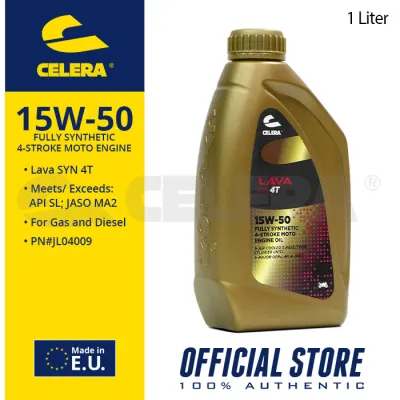
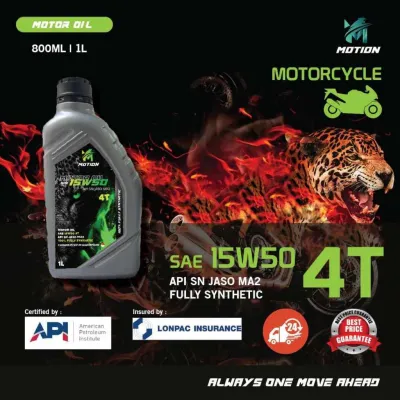
226 Lazada user ratings
Provides excellent lubrication, Suitable for high-performance four-stroke engines, Improves fuel efficiency, Enhances engine performance, Fu…Read full reviewShow less
Provides excellent lubrication, Suitable for high-performance four-stroke engines, Improves fuel efficiency, Enhances engine performance, Fully synthetic for superior quality, Ensures smooth operation, Keeps engine clean and protected, Long-lasting and durable,
this is from Singapore ang pinakamurang 15w50 ngayun sa market na fully synthetic na try natin ang ganda ng packaging at talagang secure see…Read full reviewShow less
this is from Singapore ang pinakamurang 15w50 ngayun sa market na fully synthetic na try natin ang ganda ng packaging at talagang secure seems legitimate eto na lagi gagamitin ko sa ktm ko bili nadin kayo murang mura 2nd time na bumili
💰Price:Keeps engine clean and protected, good 🏷️Brand:good 🛢️Viscosity:goodKeeps engine clean and protected, Long-lasting and durable, Suitabl…Read full reviewShow less
💰Price:Keeps engine clean and protected, good 🏷️Brand:good 🛢️Viscosity:goodKeeps engine clean and protected, Long-lasting and durable, Suitable for high-performance four-stroke engines, Provides excellent lubrication,
Provides excellent lubrication, Ensures smooth operation, Fully synthetic for superior quality, Keeps engine clean and protected, Suitable f…Read full reviewShow less
Provides excellent lubrication, Ensures smooth operation, Fully synthetic for superior quality, Keeps engine clean and protected, Suitable for high-performance four-stroke engines,
Provides excellent lubrication, Ensures smooth operation, keeps engine last long fits according to purpose thanks seller
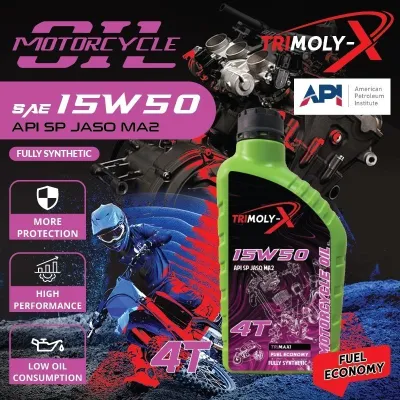
67 Lazada user ratings
maraming beses na din akong bumili nito on line dahil mura 2h pesos below, tumigil lang ako dahil nagmahal na, tapos nakita ko ulit na may s…Read full reviewShow less
maraming beses na din akong bumili nito on line dahil mura 2h pesos below, tumigil lang ako dahil nagmahal na, tapos nakita ko ulit na may sale 2h pesos below ulit kaya nag order ulit ako. basta 2h pesos below bibili ako nito try na lang ulit ako at magdescover ng langis na budget meal Pero ok din ang performance
💰Price:OK na OK 🏷️Brand:tama ang binigay ni seller 🛢️Viscosity:OK naman Tama ang binigay ni seller
Fully synthetic formula, 3,000km oil change interval, responsive ung engine ng bajaj re ko
Ganda ng pagkakapacage nia..ayos Naman walangtagas ..salamat Lazada seller at k rider..
maganda ang andar Ng motor.... bibili ako ulit next time 😀
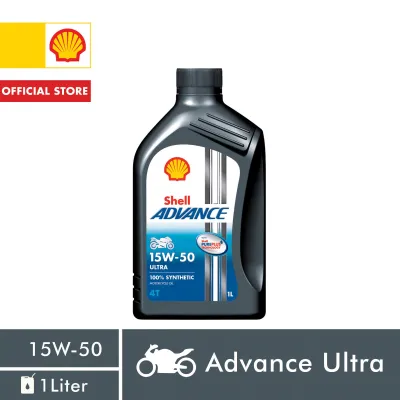
208 Lazada user ratings
High-quality synthetic oil,
nakadeliver ng maayos.
Quickly delivered. Tnx
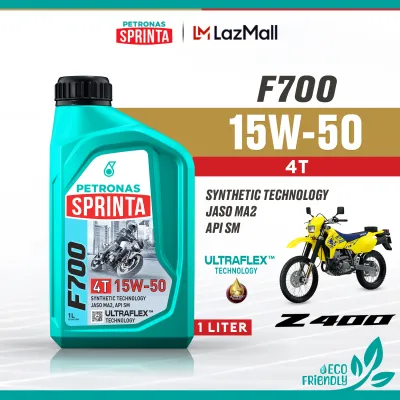
Prices are valid at publication and may change. Please refer to the product page for the latest price.
The term “fully synthetic” refers to the chemical composition of the base oil used to formulate the lubricant. Unlike conventional mineral oils refined from crude petroleum, fully synthetic oils are constructed from highly purified chemical compounds. To qualify as a true high-performance synthetic, the formulation typically relies on Group IV (Polyalphaolefins) or Group V (Esters) base stocks. These synthetic bases are engineered at the molecular level to exhibit uniform structure, which translates to superior thermal stability, lower volatility, and exceptional resistance to chemical breakdown under extreme heat.
Formulation Types: Ester vs. PAO High Performance Oils
When exploring high performance oil options, you will primarily encounter two advanced synthetic base stocks: Polyalphaolefins (PAO) and Esters. Understanding the distinct chemical profiles of these base stocks allows you to make an informed decision based on how you intend to use your vehicle.
PAO, classified as a Group IV base oil, is the backbone of many premium synthetic lubricants. These synthetic hydrocarbons are highly stable, offering excellent resistance to oxidation and thermal degradation. Because PAO molecules are uniform and contain no wax impurities, they maintain a consistent viscosity across a wide temperature range. This stability makes PAO-based 15W-50 oils highly durable, allowing them to resist thinning out under high heat while maintaining their protective qualities over extended street-driven drain intervals. For performance vehicles that serve as daily drivers or frequent highway cruisers, a PAO-dominated formulation provides a highly reliable and cost-effective protective barrier.
Ester-based lubricants, which fall under Group V, represent the pinnacle of high-performance lubrication technology. Esters are synthesized organic compounds that possess a natural chemical polarity. This polarity causes the oil molecules to be electrostatically attracted to metal surfaces inside the engine. As a result, ester-based oils form a continuous, resilient micro-film that clings to critical engine components even when the engine is turned off. This virtually eliminates dry-start wear, which is when a significant portion of engine damage occurs. Furthermore, esters exhibit outstanding high-temperature film strength and natural detergency, keeping internal components exceptionally clean. They also act as natural seal conditioners, helping to maintain the elasticity of gaskets and seals in high-heat environments.
Despite their performance advantages, pure ester formulations can be highly hygroscopic, meaning they readily absorb moisture from the air, which can accelerate oil degradation if the vehicle is left sitting for long periods. To mitigate this, modern high-performance oil manufacturers typically design blended formulations. By combining the thermal resilience and moisture resistance of PAO with the surface-clinging protection and shear strength of Esters, these blended fully synthetic oils deliver a balanced performance profile. This hybrid approach ensures your engine receives maximum protection during high-RPM track sessions while remaining stable enough for regular street use.
Matching Oil Profiles to Specific Driving Scenarios
Selecting the ideal 15W-50 fully synthetic oil requires matching the lubricant’s specific formulation profile to your primary driving environment and vehicle architecture. No single oil is universally perfect for every high-performance application, so identifying your primary use case is essential.
For track days, competitive racing, or high-RPM driving, your primary concern is preventing oil film shear under extreme heat. In these scenarios, you should prioritize formulations with exceptionally high High-Temperature High-Shear (HTHS) viscosity values and a significant concentration of Group V ester base stocks. During sustained high-RPM operation, engine temperatures can soar far past normal operating limits, causing lesser oils to thin out and lose their load-bearing capacity. An ester-heavy 15W-50 oil resists this thermal thinning, ensuring that the oil film between the piston rings and cylinder walls remains intact, preventing catastrophic engine failure.
If your high-performance vehicle is primarily a daily driver that occasionally sees spirited weekend runs, your priorities shift toward longevity and engine cleanliness. For this scenario, look for a 15W-50 formulation that balances shear stability with a robust detergency and dispersant package. Daily driving involves frequent short trips, idling in heavy traffic, and operating at varying temperatures, which can promote the formation of sludge, varnish, and acidic combustion byproducts. A formulation rich in calcium or magnesium detergents will neutralize these acids and keep contaminants suspended in the oil until your next scheduled oil change, allowing for practical, street-friendly drain intervals.
Classic cars, vintage sports cars, and air-cooled engines present a completely different set of mechanical demands. Many of these older engines utilize flat-tappet camshaft designs, which experience significantly higher sliding friction than modern roller-camshaft engines. To protect these high-wear areas, classic engines require a 15W-50 oil formulated with high levels of Zinc Dialkyldithiophosphate (ZDDP), an anti-wear additive containing zinc and phosphorus. ZDDP works by reacting with metal surfaces under high pressure to form a sacrificial protective layer. Additionally, older engines often feature cork, paper, or early synthetic rubber seals that can shrink or degrade when exposed to aggressive modern synthetic base stocks. Choosing a 15W-50 oil specifically blended with seal-swelling agents ensures that your classic engine remains leak-free while receiving modern wear protection.
Decoding API, ACEA, and OEM Approvals
To cut through marketing hype and verify the actual performance capabilities of a 15W-50 oil, you must learn to read the industry certifications printed on the back of the bottle. These standardized ratings provide objective proof of an oil’s chemical properties and performance limits.
The American Petroleum Institute (API) service category is the most common rating system you will encounter. For gasoline engines, these ratings begin with the letter “S” (such as SP, SN, or SM). The latest API SP standard is designed to provide superior protection against low-speed pre-ignition (LSPI) and timing chain wear in modern turbocharged direct-injection engines. However, because modern API standards place strict limits on phosphorus and zinc levels to protect catalytic converters from poisoning, some ultra-high-performance or classic-car-specific 15W-50 oils may carry older API classifications like SN or SL. These older classifications allow for the higher ZDDP concentrations necessary to protect flat-tappet camshafts and highly stressed valve trains.
European vehicles often require compliance with the European Automobile Manufacturers’ Association (ACEA) sequences. For high-performance gasoline engines, you should look for the ACEA A3/B4 classification. This rating indicates a high-SAPS (Sulfate Ash, Phosphorus, and Sulfur) lubricant designed for high-performance direct-injection gasoline and light-duty diesel engines. ACEA A3/B4 oils are engineered to maintain a high HTHS viscosity (typically 3.5 mPa·s or greater) and offer exceptional resistance to mechanical shear, making them highly compatible with European performance platforms that demand robust, long-lasting engine protection.
Beyond general industry standards, many premium vehicle manufacturers establish their own proprietary oil specifications. Original Equipment Manufacturer (OEM) approvals, such as Porsche A40, BMW Longlife-01, or Mercedes-Benz MB 229.5, represent rigorous testing protocols designed for specific engine architectures. These tests evaluate the oil’s compatibility with internal seal materials, timing chain wear limits, and piston deposit control. Before purchasing any 15W-50 oil, always consult your vehicle’s owner’s manual to verify if a specific OEM approval code is required. Using an oil that lacks the manufacturer’s designated approval can compromise engine longevity and potentially void your vehicle’s warranty.
Sourcing and Verifying Authentic Engine Oils Locally
The market for high-performance automotive lubricants in the Philippines is highly active, but it also presents risks regarding counterfeit products. Installing counterfeit or substandard engine oil can lead to rapid oil degradation, severe engine wear, or catastrophic mechanical failure. Protecting your investment requires a disciplined approach to sourcing and physical inspection.
To guarantee authenticity, always purchase your engine oil from authorized distributors, official brand flagship stores on major e-commerce platforms, or highly reputable local automotive service centers. Many premium lubricant brands maintain official online storefronts or list their authorized physical dealers on their official websites. Avoid purchasing from unverified third-party sellers offering prices that seem too good to be true. If a premium fully synthetic 15W-50 oil is priced significantly below the average market rate of established distributors, it is highly likely to be a counterfeit or repackaged product.
When your oil is delivered or purchased in-store, perform a thorough physical inspection of the packaging before opening the container. Genuine high-performance lubricants feature high-quality packaging with precise, clear label printing. Look for tamper-evident caps that require significant force to break the seal, as well as induction-sealed foil liners beneath the cap. Many manufacturers incorporate security features such as holographic labels, unique QR codes that can be scanned to verify authenticity on the manufacturer’s secure database, and laser-etched batch codes indicating the exact production date and facility. If you notice misaligned labels, blurry text, damaged seals, or missing batch codes, do not use the oil and contact the seller or distributor immediately for verification.
Frequently Asked Questions (FAQ)
Can I mix 15W-50 fully synthetic oil with other viscosities?
Mixing a 15W-50 fully synthetic oil with other viscosities is generally discouraged, especially in high-performance or track-driven vehicles. When you mix different oil weights, you alter the carefully engineered viscosity profile and dilute the high-temperature film strength of the 50-weight oil. This can result in unpredictable lubrication behavior under extreme thermal stress, potentially exposing critical engine components to increased wear. Additionally, different oil brands and viscosity grades utilize distinct additive packages; mixing them can disrupt the chemical balance, reducing the effectiveness of anti-wear additives and detergents. If you experience an emergency low-oil situation where a top-up is absolutely necessary to prevent engine damage, use the closest available viscosity grade and synthetic base stock. Once you reach a safe location, perform a complete oil and filter change to restore the correct formulation and viscosity profile specified for your engine.
How often should I change 15W-50 synthetic oil in a track-driven car?
Standard mileage-based oil change intervals do not apply to vehicles subjected to track days, high-RPM driving, or severe-duty conditions. Under extreme track environments, engine oil experiences intense thermal cycles, high shear forces, and potential fuel dilution from rich air-fuel mixtures. These factors accelerate the breakdown of synthetic base stocks and deplete the protective additive package long before you reach typical street mileage limits. To determine the optimal drain interval for your specific driving habits, the most reliable method is to perform a Used Oil Analysis (UOA) through a specialized laboratory. A UOA measures remaining additive levels, viscosity retention, fuel dilution, and wear metal concentrations, providing data-driven insights into when your oil needs replacement. As a general guideline for track-driven vehicles, inspect your oil level and condition before and after every event, check for any distinct fuel smell on the dipstick, and consult your vehicle’s severe-duty maintenance schedule, which often recommends changing the oil after a set number of track hours or track days rather than accumulated distance.

Community discussion
Share your experience or ask a question. Comments are reviewed before publication.