
Finding a reliable helmet for your child in the Philippines requires balancing strict safety standards with your household budget. While price points vary across entry-level, mid-range, and premium tiers, the level of impact protection must never fall below certified baselines. A proper helmet serves as the primary defense against head injuries during rides, whether your child is riding a bicycle, an e-bike, or traveling as a passenger on a motorcycle. By understanding what safety marks to look for and how features scale with cost, you can secure a helmet that offers both certified protection and comfortable wear in our tropical climate.
Before purchasing any riding gear, verify the specific vehicle type, local road regulations, and safety impact from the official product documentation. Ensure the helmet is legally approved for the specific class of vehicle your child is riding on. Operating conditions in the Philippines, including high humidity, heavy traffic, and varied road surfaces, make proper gear selection a critical safety decision rather than a simple accessory purchase.
Setting the Safety Baseline: Certifications You Cannot Compromise
When shopping for a child’s helmet, safety certifications are the absolute baseline of protection. In the Philippines, any helmet intended for use on public roads must carry official compliance markings. For motorcycle and e-bike passengers, look for the Import Commodity Clearance (ICC) sticker or the Philippine Standard (PS) license mark. These labels indicate that the helmet model has undergone rigorous impact, penetration, and retention system testing by the Bureau of Philippine Standards.
Products mentioned in this guide
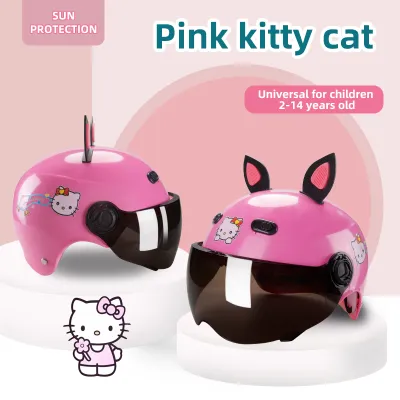
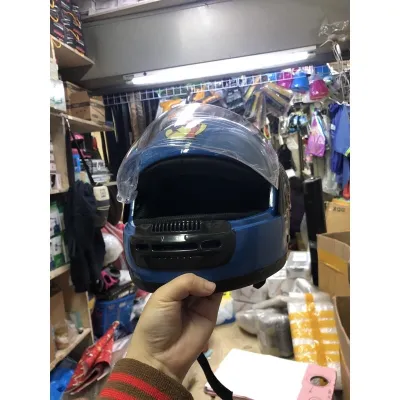
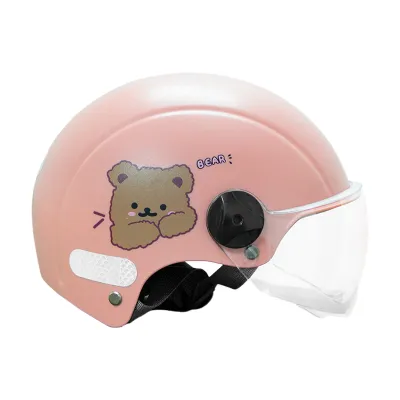
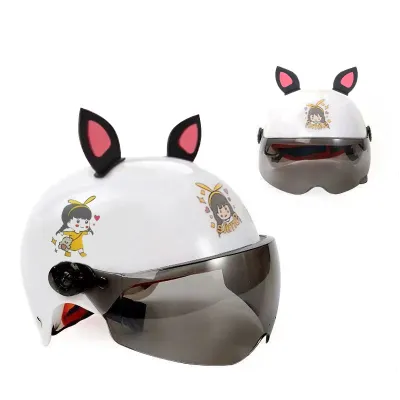
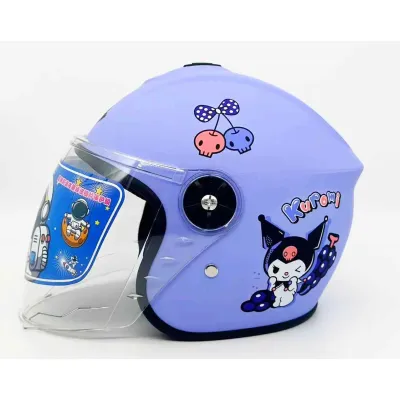
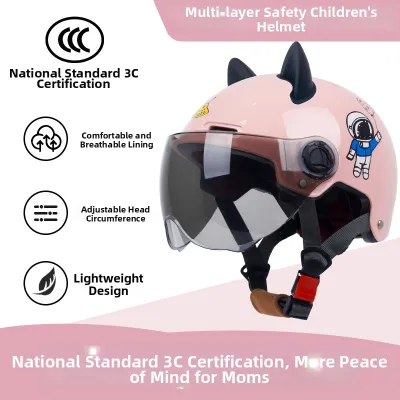
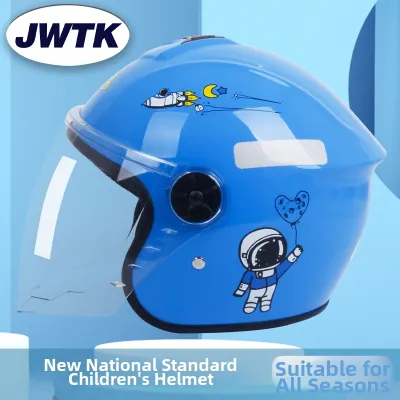
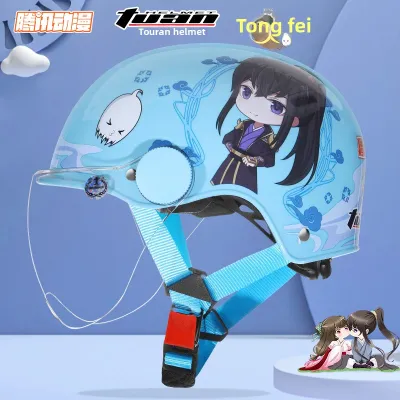
Prices are valid at publication and may change. Please refer to the product page for the latest price.
For bicycle helmets, international standards serve as the primary benchmark. Look for certifications such as the Consumer Product Safety Commission (CPSC) standard, CE EN 1078, or ASTM standards printed on an inner label. These certifications guarantee that the helmet can absorb a specific level of impact force during a fall. Uncertified novelty helmets, often marketed as toys or fashion accessories, lack the necessary internal protective liners and will fail to protect a child’s head during an accident.
To avoid counterfeit safety claims, always cross-reference the physical labels with the manufacturer’s official specifications. Legitimate safety stickers are typically holographic, tamper-evident, and feature unique serial numbers. You can verify these numbers through official government databases or by checking the manufacturer’s authorized distributor list. If a seller cannot provide clear photos of the inner certification labels and the physical ICC or PS sticker, do not purchase the product.
Navigating Budget Tiers: What Features to Expect
As you explore different price points, the primary trade-off is not safety, but rather comfort, weight, and material refinement. Every certified helmet, regardless of price, must meet the same minimum impact standards. However, moving up from entry-level to premium tiers changes how the helmet is constructed and how comfortable it will be for your child during long, hot rides.

Entry-level helmets typically feature a basic single-density Expanded Polystyrene (EPS) foam liner paired with an ABS plastic outer shell. The interior padding is usually fixed or only partially removable, and the ventilation ports are basic. While these helmets provide the necessary impact protection, they tend to be heavier and warmer, which can cause discomfort and lead to a child resisting wearing the gear altogether.
Mid-range options introduce multi-density EPS liners, which are engineered to absorb different levels of impact force more efficiently. In this tier, you will find fully removable and washable inner liners, which are highly beneficial in the humid Philippine climate to prevent sweat buildup and skin irritation. Ventilation systems are also more advanced, featuring active channels that draw cool air in and push hot air out.
Premium helmets utilize advanced composite materials, such as fiberglass or lightweight polycarbonate blends, which significantly reduce the overall weight of the helmet. A lighter helmet reduces the physical strain on a child’s developing neck muscles, especially during sudden stops or bumpy rides. Premium models also offer highly customizable cheek pads, superior moisture-wicking fabrics, and advanced aerodynamic designs that minimize wind noise and drag.
Getting the Fit Right: Measuring and Trying On
Even the most expensive, highly certified helmet will fail to protect your child if it does not fit correctly. A helmet that is too loose can shift during an impact, leaving vulnerable areas of the head exposed. Conversely, a helmet that is too tight will cause headaches and discomfort, discouraging your child from wearing it.
To find the correct size, use a flexible measuring tape to measure the circumference of your child’s head. Wrap the tape horizontally around the head, positioning it about one inch above the eyebrows and just above the ears. Take this measurement in centimeters and compare it directly to the manufacturer’s specific sizing chart, as sizing standards vary significantly between brands.
Once the helmet is on your child’s head, perform the physical fit checks to ensure a secure match. The helmet should sit level on the head, covering the forehead with a clearance of about one to two finger-widths above the eyebrows. Fasten the chin strap and apply the two-finger rule: you should only be able to fit two fingers snugly between the strap and your child’s chin. Have your child shake their head side-to-side; the helmet should not slip or slide independently of their skin.
Never purchase an adult helmet scaled down with thick aftermarket padding, and do not buy a larger size for your child to “grow into.” An oversized helmet shell is too heavy for a child’s neck and will not distribute impact forces correctly. The helmet must fit perfectly at the time of use to provide the intended level of safety.
Red Flags: Helmets and Sellers to Avoid
Protecting your child means being highly selective about where and what you buy. One of the most critical red flags is a second-hand helmet. Even if a used helmet looks pristine on the outside, the internal EPS foam may have degraded over time or suffered micro-fractures from a previous drop. EPS foam is designed to compress once during an impact to absorb energy; after that, its protective capability is permanently compromised.
Be cautious when browsing online marketplaces. Suspiciously low-priced listings that use generic titles like “multi-purpose kid helmet” often lack genuine safety certifications. Look out for listings that do not show close-up photos of the physical safety stickers or the inner manufacturing labels. If the price seems too good to be true compared to authorized retail prices, it is highly likely a counterfeit product that will fail under impact.
Avoid novelty helmets that feature hard, protruding plastic accessories, such as decorative animal ears, horns, or mohawks, molded directly into the shell. During a fall, these protrusions can catch on the pavement, causing the helmet to twist violently and increasing the risk of severe neck injury. Stick to smooth, aerodynamically clean helmet shells that allow the helmet to slide safely along the ground during an impact.
Smart Purchasing: Verifying Costs and Conditions Before Checkout
Before finalizing your purchase, calculate the total cost of ownership to ensure it fits your planned budget in ₱. When ordering online, factor in shipping fees, which can be higher for bulky items like helmets. Always verify the seller’s return and exchange policy specifically regarding sizing issues, as you may need to swap the helmet if the initial fit is not perfect.
Ensure the helmet is delivered in its original, undamaged packaging, complete with the manufacturer’s user manual, safety tags, and intact protective seals. Inspect the helmet thoroughly upon arrival for any signs of transit damage, such as hairline cracks in the outer shell or loose rivets on the chin strap. If you notice any defects, contact the seller immediately for a replacement before allowing your child to use the gear.
Whenever possible, consider visiting an authorized physical retail store in the Philippines. This allows your child to try on different helmet shapes and brands under professional supervision, ensuring a perfect fit and immediate verification of the product’s genuine safety certifications before any money is spent.
Frequently Asked Questions (FAQ)
Can a child use a bicycle helmet for riding a motorcycle or e-bike?
No, a child must not use a bicycle helmet when riding a motorcycle or a high-speed e-bike. Bicycle helmets are designed and certified only for low-speed, pedal-powered impacts and do not feature the heavy-duty shell construction or dense EPS foam required to withstand the high-velocity impact forces of motorized road traffic. For motorized travel, you must verify that the helmet carries the official ICC or PS certification specifically designated for motorcycle use.
How often should a child's helmet be replaced?
A child’s helmet must be replaced immediately after any significant impact or drop, even if there is no visible damage on the outer shell. Additionally, because children grow quickly, you must replace the helmet as soon as their head circumference outgrows the manufacturer’s specified size range. Even without impacts or growth changes, the materials inside a helmet naturally degrade over time due to heat, sweat, and UV exposure; refer to your product’s manual for the manufacturer’s recommended replacement timeline, which is typically every three to five years.
Community discussion
Share your experience or ask a question. Comments are reviewed before publication.