
Upgrading your vehicle’s interior touchpoints is one of the most effective ways to enhance both the aesthetic appeal and the tactile feedback of your daily drive. A car crystal shift knob serves as a striking centerpiece, reflecting light and adding a premium, customized feel to the cabin. However, choosing the right accessory involves much more than simply selecting an appealing design. To ensure a successful and safe upgrade, you must carefully evaluate material compositions, verify physical compatibility with your vehicle’s shifter mechanism, consider the ergonomic impact on your driving style, and understand how the material performs under challenging environmental conditions.
Selecting an aftermarket shift knob requires a balanced understanding of physical dimensions, mechanical interfaces, and material limitations. Making an uninformed purchase can lead to stripped shifter threads, compromised transmission components, or an uncomfortable driving experience. By focusing on key quality indicators and verifying compatibility against your specific vehicle documentation, you can confidently choose a shift knob that elevates your cabin while maintaining optimal safety and functionality.
Material and Craftsmanship: Identifying Real Crystal and Quality Cuts
The material composition of an aftermarket shift knob dictates its durability, optical clarity, and physical weight. Genuine lead-free crystal is highly prized for its exceptional refractive index, which allows it to bend and disperse light into brilliant spectral patterns. This material also possesses a distinct physical density, giving it a solid, reassuring weight in the hand. Unlike cheaper alternatives, high-quality lead-free crystal maintains its clarity over years of use without clouding or yellowing when exposed to sunlight.
Products mentioned in this guide


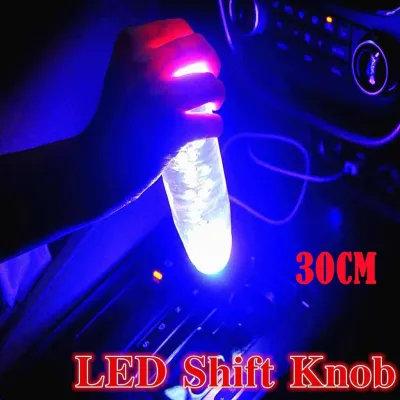
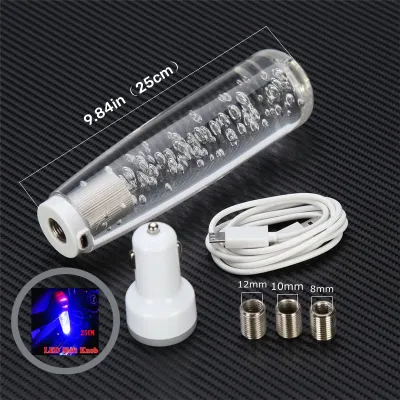
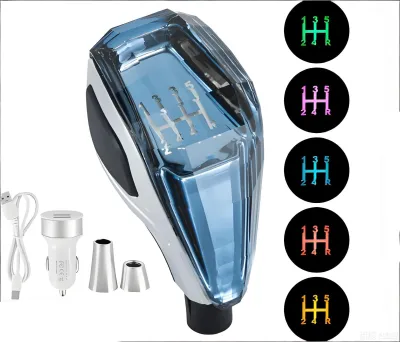
Prices are valid at publication and may change. Please refer to the product page for the latest price.
Standard glass is a common mid-tier alternative that offers reasonable clarity but lacks the brilliant light dispersion of genuine crystal. Glass is also more susceptible to thermal shock, meaning sudden temperature fluctuations inside a closed vehicle can potentially lead to structural failure or hairline fractures. Furthermore, standard glass tends to have a slight greenish or blue tint visible along the edges, whereas high-quality crystal remains perfectly colorless and transparent.
Acrylic and polycarbonate resins represent the lower end of the material spectrum. While these synthetic polymers are highly shatter-resistant and lightweight, they are exceptionally prone to surface scratching from daily contact with rings, keys, or fingernails. Over time, these micro-scratches accumulate, leaving the surface dull and hazy. Acrylic also lacks the premium, cool-to-the-touch feel of genuine crystal and can feel cheap or hollow during gear changes.
When evaluating the craftsmanship of a crystal shift knob, pay close attention to the precision of the facets. High-quality knobs feature sharp, clean geometric cuts that are perfectly symmetrical and aligned. If the design includes an internal 3D laser engraving, such as a manufacturer logo or an artistic pattern, inspect it under a bright light source. The internal image must be sharp, highly detailed, and completely free of distortion, cloudiness, or trapped air bubbles.
Several visual red flags indicate substandard manufacturing processes. Look closely for visible mold seams along the sides of the knob, which are a hallmark of cheap molded glass or plastic construction. Inspect the surface for tiny internal bubbles, surface pitting, or unevenly polished facets. To verify material claims, avoid relying solely on ambiguous marketing terms like “crystal-clear,” which are frequently used to describe basic plastics. Instead, check the manufacturer’s technical specifications, product labels, and material safety data sheets to confirm the use of genuine lead-free crystal.
Fitment and Compatibility: Matching Thread Pitch and Transmission Type
Physical compatibility is the most critical factor when selecting an aftermarket shift knob. Shifter rods feature precise thread patterns that vary significantly by vehicle make, model, and year. Common thread pitches include M10x1.5 (frequently utilized by Honda), M12x1.25 (common on Toyota, Subaru, and Lexus), and M10x1.25 (often found on Nissan and Mitsubishi). Attempting to force a shift knob with an incorrect thread pitch onto your shifter rod will strip the threads, permanently damaging both the accessory and the vehicle’s shifting mechanism.

Manual and automatic transmissions present distinct mechanical requirements that dictate the type of shift knob you can safely install. Many manual gearboxes utilize a reverse lockout collar—a safety mechanism located directly beneath the shift knob that the driver must pull upward to engage reverse gear. If you select a shift knob that lacks a recessed cavity at its base, it will physically block the movement of the lockout collar, preventing you from shifting into reverse. Always verify whether your manual vehicle requires a lockout-compatible design before finalizing your purchase.
Automatic transmissions often feature gated shifters or electronic shift-lock release buttons. Gated automatic shifters, which move through a zig-zag path, can sometimes accommodate standard threaded knobs if the thread pitch matches. However, automatic shifters that rely on a physical button to release the shift lock require specialized shift knobs equipped with an integrated button mechanism or a spring-loaded adapter. Installing a standard threaded knob on a button-operated automatic shifter can bypass or permanently disable this essential safety feature, creating a severe hazard.
When evaluating mounting options, you will generally choose between direct threaded inserts and universal adapters. Direct threaded knobs feature an integrated metal core, typically constructed from brass or aluminum, that screws directly onto the shifter rod. This design provides maximum structural stability, eliminates play, and prevents the knob from loosening over time. In contrast, universal adapters use plastic or rubber sleeves and tiny metal set screws to clamp the knob onto the rod. While highly versatile, universal adapters are prone to vibrating loose, slipping during shifts, and stripping under moderate physical force.
To ensure a perfect fit, never infer compatibility solely from generic category terms or “universal fit” labels. Before purchasing, safely remove your vehicle’s original shift knob according to the original-vehicle instructions or workshop manual. Use a thread pitch gauge or consult your vehicle’s official documentation to confirm the exact dimensions of the shifter rod. If the installation requires disassembling electronic shift modules, handling wiring harnesses for illuminated knobs, or modifying the shifter assembly, consult a qualified automotive professional to perform the installation.
Ergonomics and Shifting Feel: Weight, Size, and Grip
The physical characteristics of a shift knob directly influence the driving dynamics and physical comfort of your daily commute. The weight of the knob plays a major role in how gear changes feel. A heavier shift knob, typically weighing between 300 and 500 grams, acts as a counterweight at the end of the shifter lever. This added mass increases momentum during gear changes, smoothing out the shift throw and making gear engagement feel more positive and effortless. This can be highly satisfying for drivers seeking a more mechanical, connected feel.
However, an excessively heavy shift knob is not always ideal. In dense, stop-and-go urban traffic, where frequent gear changes are required, a heavy knob can place additional strain on your wrist and forearm, leading to physical fatigue over long periods. Additionally, if you prefer a quick, highly responsive shifting style, a lighter knob allows for faster hand movements, though it requires more physical effort to push the lever into gear. Consider your typical driving environment, such as daily city commuting versus highway cruising, when deciding on the ideal weight.
The size and shape of the knob must align with your hand size and preferred grip style. Spherical or ball-shaped knobs are highly versatile, accommodating both a top-down palm grip and a side-pistol grip. Cylindrical or “bubble” style knobs provide a larger surface area for drivers who prefer a full-hand grip, but they can feel bulky and awkward for those with smaller hands. Ensure that the physical dimensions of the knob do not obstruct your clear view of the dashboard instrument cluster, center console controls, or handbrake lever.
Surface texture and edge design are equally important for long-term comfort. While highly faceted geometric designs look visually striking, sharp, unpolished edges can cause discomfort or hot spots on your palm during extended drives. If you use your vehicle as a daily driver, prioritize crystal knobs with rounded, highly polished facets. These designs provide excellent tactile feedback and a secure grip without causing physical irritation. For maximum comfort, match the shape and contour of the knob to how you naturally rest your hand on the shifter.
Heat, Safety, and Maintenance in Tropical Conditions
Operating a vehicle in tropical climates presents unique challenges for aftermarket interior accessories. In regions characterized by high ambient temperatures and intense sunlight, vehicles parked outdoors can experience extreme cabin temperatures, often exceeding 50°C to 60°C. Genuine crystal and glass have a high specific heat capacity, meaning they absorb and retain thermal energy exceptionally well. Consequently, a crystal shift knob left exposed to direct sunlight can become painfully hot to the touch, posing a genuine risk of minor skin burns when you first enter the vehicle.
To mitigate this thermal hazard, consider practical preventative measures. Utilizing high-quality windshield sunshades or parking in shaded areas can significantly reduce cabin heat buildup. Additionally, keeping a small, heat-resistant fabric cover or sleeve in your glove compartment to place over the crystal knob when parked under direct sunlight is an effective way to shield the accessory from solar radiation. Acrylic knobs do not retain heat to the same extent as genuine crystal, but they are still subject to warming and carry other material trade-offs.
Intense, prolonged UV exposure is another critical factor in tropical environments. Low-quality acrylic, resin, or epoxy-coated knobs are highly susceptible to UV degradation, which causes the material to turn yellow, develop internal cloudiness, or become brittle over time. High-quality lead-free crystal is highly resistant to UV-induced discoloration, ensuring that the accessory maintains its pristine optical clarity for the lifespan of the vehicle. Furthermore, extreme heat can degrade the adhesives used to bond metal threaded inserts to the crystal body, potentially causing the knob to spin or detach unexpectedly.
Maintaining the optical clarity of a crystal shift knob requires a dedicated, low-risk cleaning routine. Regularly wipe the surface with a clean, dry microfiber cloth to remove fingerprints, oils, and dust. For deeper cleaning, apply a small amount of non-abrasive, ammonia-free glass cleaner directly to the microfiber cloth—never spray the cleaner directly onto the knob. Excess liquid can seep into the base of the knob, degrading the internal adhesive or causing corrosion on the metal threaded insert. Avoid using harsh household chemicals, abrasive pads, or solvents, which can scratch the surface or damage surrounding leather, vinyl, or plastic console trim.
Finally, establish a regular safety check protocol to ensure the mechanical integrity of your shifter assembly. Periodically inspect the shift knob for any signs of micro-cracks, structural damage, or physical play. A loose, wobbly, or detached shift knob during a critical driving maneuver is a severe safety hazard that can lead to a loss of vehicle control. Ensure that all threaded connections or adapters remain tight and secure. If you detect any movement, immediately tighten the fittings or consult a qualified automotive technician to inspect the assembly.
Frequently Asked Questions (FAQ)
Will a heavy crystal shift knob damage my manual transmission?
Using a moderately weighted aftermarket shift knob is generally safe and will not cause immediate mechanical damage to your manual transmission. However, excessively heavy shift knobs can accelerate wear on internal transmission components over time if proper driving habits are not maintained. The primary risk occurs if a driver rests their hand on the shift knob while driving; the added weight, combined with the constant downward force of the hand, can push the shift fork against the spinning synchronizer sleeve, leading to premature wear. To protect your transmission, select a knob within a moderate weight range (under 500 grams), avoid resting your hand on the shifter between gear changes, and always consult your vehicle manufacturer’s guidelines or a qualified mechanic for specific weight recommendations.
Can I install a threaded crystal shift knob on an automatic car?
Yes, you can install a threaded crystal shift knob on an automatic car, but compatibility depends entirely on the design of your vehicle’s original shifter. Gated automatic transmissions that do not feature a physical button on the shift knob can often accept standard threaded knobs, provided you use a compatible thread adapter. However, automatic shifters that require a push-button to release the shift lock are not directly compatible with standard threaded knobs. To install a crystal knob on a button-operated shifter, you must purchase a specialized automatic-specific adapter that translates vertical downward pressure on the knob to actuate the internal shift rod. Always verify automatic-specific compatibility and consult your vehicle’s documentation before purchase to ensure that essential safety lockouts are not bypassed or disabled.
How do I clean a crystal shift knob without leaving streaks?
To clean your crystal shift knob without leaving streaks or residue, always use a clean, high-density microfiber cloth and a dedicated, non-abrasive automotive glass cleaner. Spray a small amount of the cleaner onto the microfiber cloth rather than directly onto the knob to prevent liquid from seeping into the threaded adapter or onto surrounding console materials. Gently wipe the surface of the crystal to remove oils and fingerprints, then flip the cloth to a dry, clean section to buff the surface to a streak-free shine. Avoid using household glass cleaners that contain ammonia, as well as harsh solvents or abrasive scrubbing pads, which can damage the crystal’s polished finish, degrade internal adhesives, or cause discoloration on adjacent leather shift boots and plastic trim.
Community discussion
Share your experience or ask a question. Comments are reviewed before publication.