
The Yamaha Aerox V2 is one of the most popular automatic scooters in the Philippines, celebrated for its aggressive styling, liquid-cooled engine, and sporty handling. For many riders, the Continuously Variable Transmission (CVT) is the heart of the scooter’s performance, translating engine power directly to the rear wheel. When looking for the best CVT cover options for your Yamaha Aerox V2, the decision involves balancing structural protection, heat management, and aesthetic customization. Because the CVT housing protects critical drivetrain components like the drive belt, rollers, and clutch assembly, any replacement or upgrade must meet strict fitment and safety standards. This guide helps you navigate the available options in the Philippine market by focusing on selection criteria, compatibility verification, and safe purchasing practices, ensuring you choose a cover that fits correctly and maintains your scooter’s long-term reliability.
Why Upgrade or Replace Your Aerox V2 CVT Cover?
Recognizing when to replace or upgrade your CVT cover is essential for maintaining your scooter’s health. The stock CVT cover on the Aerox V2 is designed to withstand daily commuting, but the demanding road conditions in the Philippines can take a toll over time. Heavy rains, flooded streets during the monsoon season, and flying gravel from unpaved roads can cause physical damage to the outer casing. If you observe deep scratches, hairline cracks, or missing mounting hardware, it is time to consider a replacement. A compromised cover can allow water, dust, and road grime to penetrate the CVT housing, leading to belt slippage, accelerated wear of the pulley faces, and potential drivetrain failure.
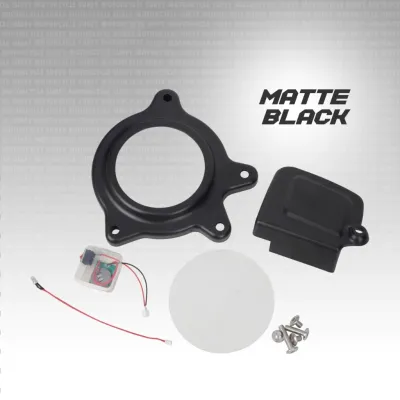
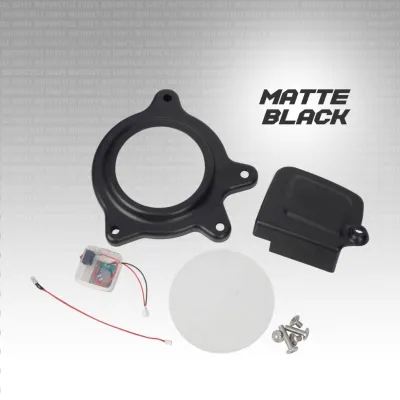
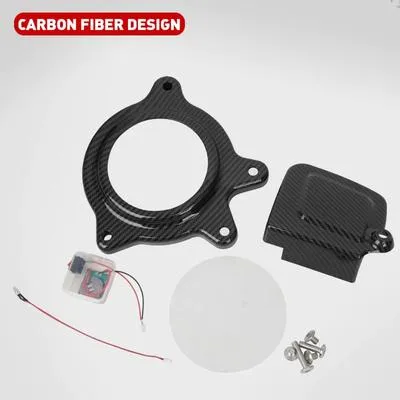
Aesthetic customization is another major driver for Aerox V2 owners. The local motorcycle culture highly values personalization, and the CVT cover is a highly visible component on the left side of the scooter. Upgrading to an aftermarket cover allows you to coordinate the look of your machine with other modifications, such as custom rear suspensions, radiator guards, or aftermarket exhaust systems. Whether you prefer a sleek matte black finish, a sporty carbon fiber pattern, or a CNC-machined aluminum look, a new cover can significantly enhance the visual appeal of your scooter.
Products mentioned in this guide
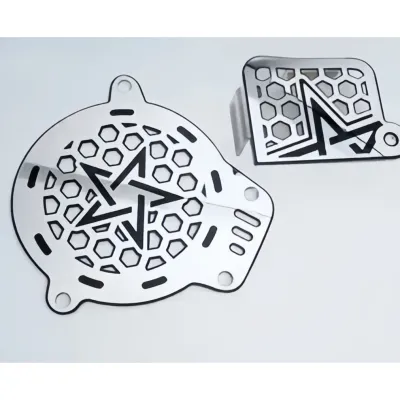
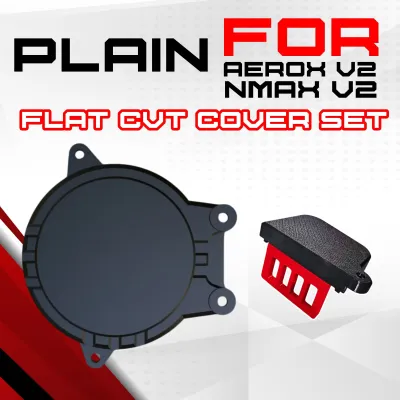
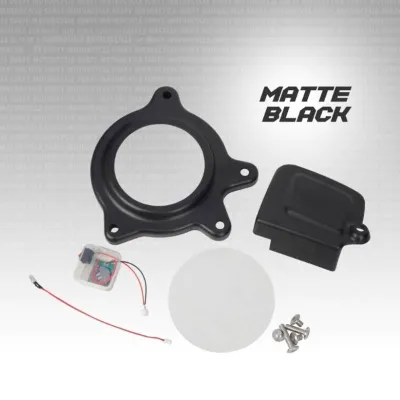
Prices are valid at publication and may change. Please refer to the product page for the latest price.
Beyond aesthetics, certain aftermarket CVT covers offer practical maintenance benefits. Some designs feature removable service plates or strategically placed inspection windows that allow you to check the condition of the CVT belt or clean out accumulated belt dust without removing the entire main cover assembly. This can save time during routine maintenance sessions, making it easier to keep your drivetrain running smoothly. However, any modification that alters the sealed nature of the stock housing must be carefully evaluated to ensure it does not introduce new vulnerabilities.
Key Selection Criteria for Aerox V2 CVT Covers
When evaluating different CVT cover options, it is important to look past marketing hype and focus on objective selection criteria. The primary factors to consider are material composition, structural design, and environmental resistance. Because the CVT cover acts as a protective shield and a structural support for the transmission shaft in some designs, choosing a product made from high-quality materials is paramount.

Material and Heat Dissipation
To make an informed decision, you must check product labels and manufacturer specifications for the exact material composition of the cover. Aftermarket options typically fall into two categories: high-grade aluminum alloys (such as CNC-machined 6061-T6 aluminum) and engineered plastics or composites. Aluminum covers offer superior impact resistance and structural rigidity, making them highly durable against road debris. On the other hand, high-quality engineered plastics are lightweight, resistant to corrosion, and often more affordable, though they may not offer the same level of puncture protection as metal.
When assessing covers that feature cooling fins or air channels, observe their physical design closely. These features are theoretically designed to improve heat dissipation by increasing the surface area of the cover or channeling external air across the housing. However, you must ensure that these cooling fins and air ducts do not obstruct any moving parts of the scooter, such as the rear suspension or the center stand. It is also vital to understand that actual temperature management within the CVT depends on overall system health, riding conditions, and proper ventilation through the stock air ducts, rather than the cover material alone. A highly ventilated cover cannot compensate for a worn belt or a clogged CVT air filter.
Design, Aerodynamics, and Clearance
Another critical aspect of selecting a CVT cover is ensuring that its physical dimensions do not negatively impact your scooter’s handling or safety. The Aerox V2 is known for its sporty geometry, allowing riders to lean confidently into corners. Before purchasing an aftermarket cover, verify that its outer profile does not reduce your ground clearance or limit your maximum lean angle. A cover that protrudes too far outward or downward can scrape against the asphalt during sharp turns or when navigating the high speed bumps and deep potholes common on Philippine roads, potentially causing a loss of control.
Additionally, check for adequate clearance around other essential components of the scooter. The cover must not interfere with the operation of the center stand, the routing of the exhaust pipe, or the travel of the rear shock absorber. If your specific variant of the Aerox V2 features a kickstart mechanism, ensure the aftermarket cover has the correct mounting boss and clearance to allow the kickstart lever to stroke fully without binding. Finally, evaluate how well the cover integrates with the Aerox V2’s stock bodywork; poor manufacturing tolerances can lead to uneven panel gaps, which can trap rainwater or cause annoying vibrations while riding.
How to Verify Fitment and Compatibility
One of the most common mistakes riders make is assuming that all parts labeled “Aerox” will fit their specific scooter. To avoid costly purchasing errors and potential safety hazards, you must follow a strict verification process before buying a new CVT cover.
First, cross-reference the exact model year and variant of your scooter. The Yamaha Aerox has undergone significant design updates between the first generation (V1) and the second generation (V2). While they share a similar engine platform, the engine casing, mounting bolt patterns, and surrounding body panels have changed. A cover designed for a V1 Aerox will not fit a V2 model properly. Always look for product specifications that explicitly state compatibility with the Aerox V2 (typically models produced from 2021 onwards in the Philippines).
Second, physically match the screw hole patterns, mounting point distances, and gasket shapes of the aftermarket cover against your original equipment. The Aerox V2 uses a specific arrangement of mounting bolts of varying lengths. If the aftermarket cover’s holes are misaligned by even a millimeter, you will not be able to secure it properly, which can lead to oil leaks, dust ingress, or stripped threads on the engine casing.
Finally, understand the differences between genuine Yamaha replacement parts and aftermarket alternatives. Genuine OEM parts guarantee perfect fitment, material standards, and compatibility with stock gaskets and bolts. Aftermarket covers, while offering more design variety, may have slight variations in bolt thread sizes or require specialized mounting hardware. Always check if the aftermarket cover includes the necessary bolts and spacers, or if you will need to source them separately.
Where to Buy and What to Check Before Checkout
Navigating online marketplaces and local motorcycle shops in the Philippines requires a cautious approach to ensure you receive a high-quality, compatible product. When shopping on major ecommerce platforms, start by thoroughly evaluating the seller’s profile. Look for merchants with high positive feedback ratings (ideally 95% or higher) and a history of selling motorcycle accessories. Read through verified buyer reviews, specifically filtering for feedback from other Aerox V2 owners. Pay attention to comments regarding fitment accuracy, material quality, and how well the product was packaged for shipping.
Before finalizing your purchase, do not hesitate to contact the seller directly. Request real, unedited photos of the inner surface of the cover and the mounting points, rather than relying solely on polished marketing renders. This allows you to inspect the quality of the casting, check for smooth gasket channels, and ensure there are no visible manufacturing defects or rough edges that could affect installation.
Additionally, compare shipping costs, delivery lead times, and local availability. While overseas sellers may offer a wider variety of designs, local Philippine shops often provide faster shipping and a more straightforward return process if the part turns out to be incompatible. Ensure that all prices are clearly listed in Philippine Pesos (₱) to avoid unexpected currency conversion fees or hidden charges at checkout.
Installation Considerations and Safety Boundaries
Installing a new CVT cover is a task that requires precision and adherence to safety guidelines. Because the CVT housing is connected directly to the engine crankcase, improper installation can lead to severe mechanical damage or create safety hazards on the road.
One of the most critical steps during installation is ensuring a proper seal. You must use the correct gasket or a manufacturer-approved sealant to prevent water, dust, and road grime from entering the CVT compartment. Moisture inside the housing can cause the drive belt to slip, leading to a sudden loss of acceleration, while dust can accelerate the wear of the rollers and pulleys. Inspect your existing gasket thoroughly; if it shows any signs of tearing, flattening, or dry rot, replace it with a new OEM gasket before mounting the new cover.
When securing the mounting bolts, you must strictly adhere to the manufacturer’s torque specifications. The engine casing of the Aerox V2 is made of cast aluminum, which is relatively soft and easily damaged. Over-tightening the bolts can strip the threads in the engine casing, requiring expensive repairs such as installing thread inserts or replacing the crankcase half. Use a calibrated torque wrench and tighten the bolts in a progressive, crisscross pattern to ensure even pressure across the gasket surface. Never use an impact wrench to tighten CVT cover bolts.
Finally, recognize the safety boundaries of DIY installation. If you encounter misaligned mounting holes, find that the bolts do not thread in smoothly by hand, or notice persistent fluid leaks after installation, stop immediately. Do not attempt to force the cover into place or ride the scooter with a poorly secured housing. If you are unsure about any step of the process, or if you lack the proper tools, always consult a qualified motorcycle mechanic at an authorized service center. Professional installation ensures that your scooter remains road-legal, safe to operate, and that your drivetrain components are fully protected.
Frequently Asked Questions (FAQ)
Will a CVT cover from the first-generation Aerox fit the V2?
No, a CVT cover designed for the first-generation (V1) Yamaha Aerox will not fit the V2 model. Yamaha updated the engine casing design, mounting bolt locations, and surrounding body panels for the Aerox V2. Attempting to force a V1 cover onto a V2 engine can damage the mounting points and will not provide a proper seal against environmental elements. Always verify that the cover is explicitly rated for the Aerox V2 before purchasing.
Do I need to change the CVT gasket when installing a new cover?
While it is sometimes possible to reuse the existing gasket if it is in pristine condition, it is highly recommended to install a new OEM gasket when replacing the CVT cover. Over time, gaskets compress and lose their elasticity, which can compromise their ability to seal out moisture and dust. A new gasket provides cheap insurance against water ingress, protecting your expensive internal CVT components from premature wear and slippage.
Can an aftermarket CVT cover void my Yamaha warranty?
Yes, installing an aftermarket CVT cover can potentially void your scooter’s warranty, particularly for claims related to the drivetrain, engine casing, or internal CVT components. Under standard warranty terms in the Philippines, modifications that alter original equipment or introduce non-standard parts can be grounds for denying warranty coverage if a failure occurs. If your Aerox V2 is still within its warranty period, it is best to consult your local authorized Yamaha dealership before installing any aftermarket accessories.
Community discussion
Share your experience or ask a question. Comments are reviewed before publication.