
Choosing a GPS tracking device for truck operations requires balancing real-time visibility with hardware reliability. Because trucks operate across diverse environments—from congested city streets to remote provincial highways—the ideal tracker must offer robust signal reception, resilient power management, and durable construction. Prioritizing these technical specifications ensures the device remains active and accurate when it matters most.
Network Compatibility and Positioning Accuracy
A reliable tracker should support multi-constellation satellite systems. While standard GPS is common, devices that also access GLONASS, Galileo, or BeiDou offer faster signal acquisition and better accuracy. This is especially critical when navigating narrow urban streets flanked by tall buildings or driving through mountainous terrain where a single satellite network might lose line-of-sight. Having access to multiple satellite networks increases the chances of maintaining a lock when driving through dense foliage or remote areas.
Cellular network compatibility is equally vital. Modern tracking systems rely on 4G LTE or newer cellular bands to transmit location data to your phone or server. Older 2G and 3G networks are being phased out globally, so choosing a 4G-enabled device ensures long-term usability and broader coverage across regional routes. Be sure to verify which cellular bands the device supports to ensure compatibility with local network providers in your primary operating regions.
Products mentioned in this guide
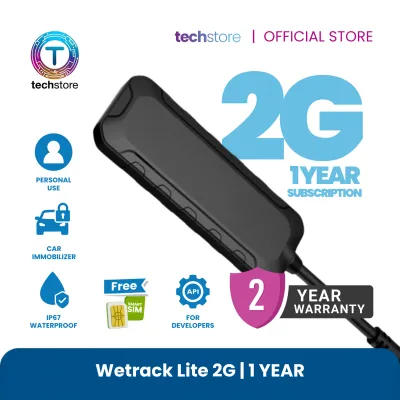
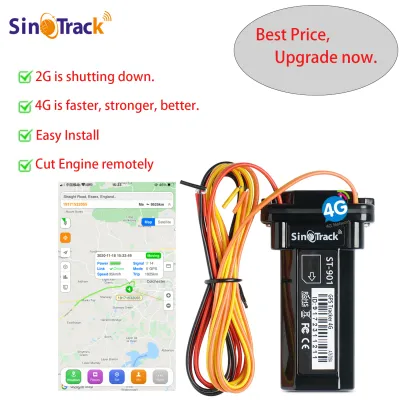

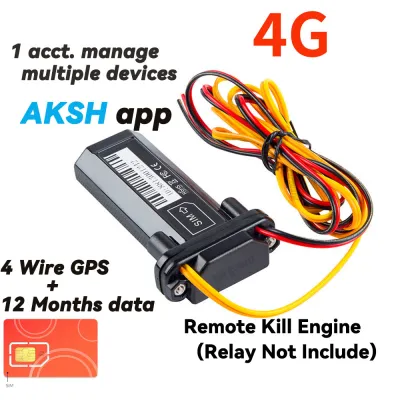
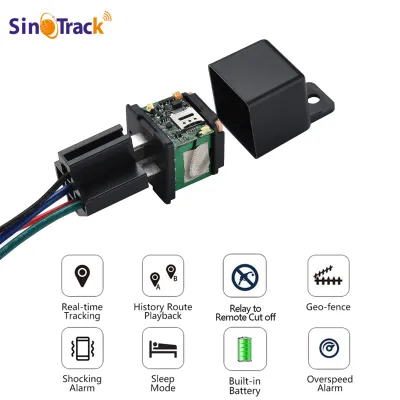
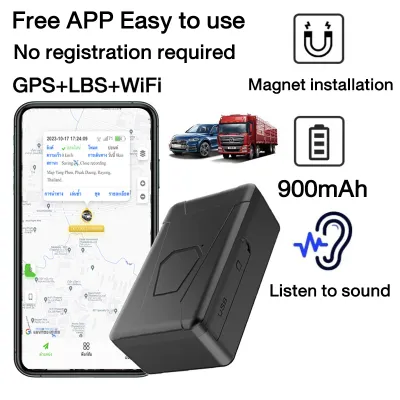


Prices are valid at publication and may change. Please refer to the product page for the latest price.
Even with excellent cellular support, trucks frequently pass through areas with weak or non-existent signals. To prevent gaps in your route history, look for a tracker equipped with offline data logging and internal memory. These devices store location coordinates locally when cellular connection is lost and upload the cached data automatically once network coverage is restored, ensuring complete mileage and route records.
Power Supply and Battery Life Specifications
Power configurations generally fall into two categories: hardwired systems and wireless, battery-powered units. Hardwired trackers connect directly to the truck’s electrical system or plug into the OBD-II port, providing continuous power without the need for manual recharging. Wireless trackers rely entirely on internal rechargeable batteries, offering flexible placement but requiring periodic maintenance to keep them charged.

When evaluating battery-powered options, it is important to distinguish between standby time and active tracking intervals. A device advertised with a long standby battery life may deplete its charge rapidly if configured to report its location every few seconds. Adjusting the ping interval to balance real-time tracking needs with battery preservation is key to maintaining continuous operation over long journeys.
For hardwired installations, look for devices that feature low-voltage alerts and power-disconnect notifications. These features warn you if the vehicle’s battery charge drops below a safe threshold or if someone tampers with the device by disconnecting its power source. Because tapping into a truck’s electrical system carries risks of short circuits or parasitic drain, always consult your vehicle’s service manual and consider having a qualified automotive technician perform the installation to protect your vehicle’s warranty and electrical integrity.
Durability, Environmental Ratings, and Mounting
Trucks face harsh operating conditions, including intense vibration, road debris, and extreme weather. If you plan to mount the tracker externally—such as on the chassis, under the bumper, or within the engine bay—the device must have a high Ingress Protection (IP) rating. An IP67 or IP68 rating indicates the housing is completely dust-tight and capable of withstanding heavy rain, road spray, or temporary submersion.
Internal cabin temperatures can also reach extreme levels, particularly when a truck is parked under direct tropical sunlight. Check the manufacturer’s specified operating and storage temperature ranges to ensure the internal components and battery will not degrade or malfunction under high heat. Devices with ruggedized plastic or metal enclosures are generally better suited to withstand these temperature fluctuations.
Mounting methods affect both security and signal reception. Heavy-duty magnetic mounts allow for quick, tool-free installation on flat metal surfaces, making them convenient for temporary tracking. However, permanent, hidden installations using brackets or adhesive mounts inside the cabin or behind the dashboard offer superior concealment and protection against physical tampering or theft, though they may require more effort to install.
Software Features, Alerts, and Fleet Integration
The hardware is only as useful as the software platform that processes its data. Effective tracking software should offer customizable geofencing, allowing you to set virtual boundaries around warehouses, delivery zones, or parking yards. The system should send instant alerts to your mobile device or desktop whenever a truck enters or exits these designated areas, helping you monitor arrival and departure times.
For fleet operators, driving behavior monitoring is a valuable addition. Features that detect and report speeding, harsh braking, or rapid acceleration help promote safer driving habits and reduce wear and tear on the vehicle. Ensure the tracker’s software can integrate smoothly with any existing fleet management platforms, dashcams, or electronic logging systems you currently use to streamline your operations.
Additionally, evaluate the ongoing costs and data storage policies of the companion software. Some platforms offer rolling historical data storage for a few days, while others retain records for several months. Review the user interface of the mobile application and web portal to ensure it is intuitive, responsive, and capable of generating the specific reports you need before committing to a subscription.
Matching Specifications to Your Trucking Operation
Selecting the right specifications depends heavily on your specific operational model. A long-haul logistics truck requires a hardwired tracker with extensive offline logging and multi-constellation support to handle long, remote journeys. Conversely, a local delivery vehicle might prioritize precise geofencing and frequent active tracking intervals to optimize urban routing and improve customer service.
If your primary goal is personal heavy-duty truck security, a discreetly hidden wireless tracker with long battery life and motion-activated alerts may be the most effective choice. Create a clear checklist of your operational requirements to avoid paying for advanced fleet integration features you do not need, or conversely, compromising on essential durability ratings that protect your investment.
Finally, verify the manufacturer’s warranty terms and the availability of customer support. Commercial-grade hardware should come with reliable technical assistance and a straightforward replacement policy to minimize downtime if a device fails during active service. Choosing a reputable brand with accessible support ensures you can quickly resolve any technical issues that arise.
Frequently Asked Questions (FAQ)
Do I need a subscription plan for a truck GPS tracker?
Most real-time GPS trackers require a subscription plan because they use cellular networks to transmit location data to your phone or computer. This subscription typically covers the cost of the built-in SIM card and the cellular data plan. While some basic models offer tracking without monthly fees, they often rely on SMS-based location updates or require you to provide your own SIM card and manage the data costs independently, which can be less convenient for continuous monitoring.
Can a GPS tracker drain my truck's battery?
A properly installed hardwired GPS tracker consumes very little power and is unlikely to drain a healthy truck battery during regular use. Most modern devices feature low-power sleep modes that activate when the vehicle is stationary. However, if the truck is parked unused for several weeks, or if the device is wired incorrectly to a constant-power source without a low-voltage cutoff, it can cause a parasitic draw. To prevent this, ensure the tracker is wired according to the manufacturer’s instructions or consult a professional auto electrician.
Community discussion
Share your experience or ask a question. Comments are reviewed before publication.