
Riding a motorcycle in the Philippines means dealing with intense tropical heat, high humidity, and sudden torrential downpours. Finding a KLIM motorcycle jacket that balances maximum ventilation with robust armor protection requires looking for models that combine high-tensile mesh chassis with certified impact protectors. The ideal solution lies in jackets utilizing heavy-duty mesh, such as KLIM’s proprietary Karbonite Mesh, paired with ventilated D3O armor at the elbows, shoulders, and back. This combination allows ambient air to pass directly through the garment while maintaining a highly abrasion-resistant barrier in critical slide zones. By focusing on models designed specifically for warm climates, riders can maintain their focus and physical stamina on long highway stretches or slow-moving city streets without compromising their personal safety.
The Climate Challenge: Balancing Airflow and Safety in the Philippines
Navigating the daily commute in metropolitan areas or embarking on long weekend rides across provincial highways exposes motorcyclists to a unique set of environmental stressors. The combination of high ambient temperatures and oppressive humidity levels significantly accelerates rider fatigue. When the body cannot cool itself efficiently through sweat evaporation, core temperatures rise, leading to dehydration, slower reaction times, and a dangerous lapse in situational awareness. In the dense traffic of Manila or Cebu, where stop-and-go conditions are common, the risk of heat exhaustion is a constant concern for those wearing inadequate gear.
Traditional heavy touring jackets, while offering excellent abrasion resistance and weather protection in cooler climates, quickly become unbearable in tropical conditions. These heavy garments trap hot air and body moisture, creating a greenhouse effect inside the jacket. Conversely, some riders opt for ultra-lightweight, unreinforced mesh jackets sourced from online marketplaces to escape the heat. While these garments feel cool, they often lack the structural integrity required to withstand a high-speed slide on asphalt. The thin synthetic fabrics can melt or tear instantly upon contact with the road, rendering the internal armor useless. Achieving true safety requires a jacket designed to survive road friction while actively promoting airflow.
Products mentioned in this guide
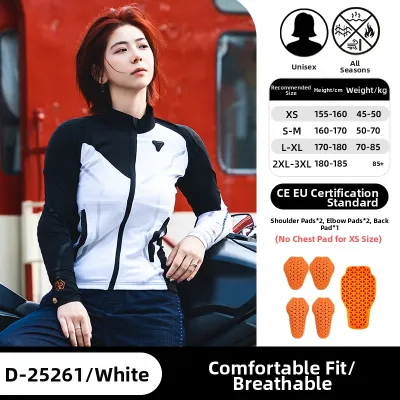
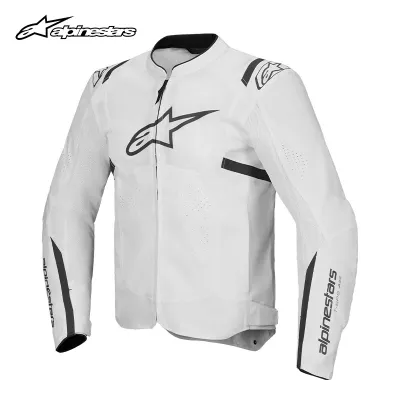
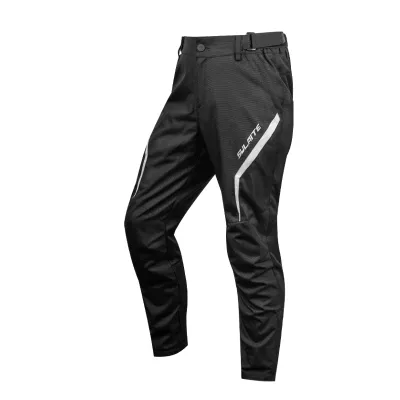
Prices are valid at publication and may change. Please refer to the product page for the latest price.
Evaluating Ventilation Features in KLIM Jackets
When evaluating KLIM jackets for tropical performance, the construction of the ventilation system is the most critical factor to inspect. High-quality hot-weather jackets feature extensive mesh panels positioned in strategic zones to maximize passive airflow. These panels are typically located on the chest, inner arms, and across the back, allowing wind to enter the front of the garment, circulate around the body, and exit through the rear. This continuous air exchange is vital for keeping the skin dry and lowering the rider’s microclimate temperature. When browsing specifications, look for heavy-duty, open-weave mesh that does not collapse under wind pressure, ensuring the pathways remain open at speed.

In addition to passive mesh panels, active ventilation features such as zippered intake and exhaust vents play a crucial role when riding conditions change. For jackets that use a hybrid construction of solid textile and mesh, adjustable zippered vents on the forearms, underarms, and upper back allow riders to fine-tune the amount of air entering the jacket. This adjustability is particularly useful when transitioning from open highways, where airflow is abundant, to slow-moving urban streets where maximum ventilation is required.
The unpredictable nature of tropical weather also demands versatility in gear design. Sudden, heavy downpours are a common occurrence in the Philippines, often requiring riders to adapt quickly. Many warm-weather KLIM jackets are compatible with removable windproof or waterproof liners, or are designed to be paired with an external rain shell. A removable inner liner allows the jacket to remain highly breathable during dry, humid hours, while providing quick protection against wind chill and rain when a storm hits. When the rain stops, removing the liner instantly restores the core ventilation needed to combat the returning humidity.
Verifying Armor and Abrasion Protection for Daily Commutes
Ventilation should never come at the expense of impact and abrasion protection. To verify the safety credentials of a KLIM motorcycle jacket, riders must look closely at the certification ratings of the integrated armor. CE (Conformité Européenne) ratings provide a standardized measure of impact protection, with Level 1 and Level 2 being the primary classifications. Level 2 armor offers higher force absorption capabilities and is highly recommended for high-impact zones such as the shoulders, elbows, and back. KLIM frequently utilizes D3O armor, a rate-sensitive material that remains soft and flexible during normal wear but hardens instantly upon impact, providing a comfortable fit that does not restrict movement or block airflow when ventilated versions are used.
Beyond impact protection, the outer shell of the jacket must offer robust abrasion resistance. High-impact zones—specifically the shoulders and elbows—require reinforcement with heavy-duty textiles such as Cordura or specialized high-density weaves. When reviewing product specifications, check the denier rating of these reinforcement panels; a higher denier indicates a thicker, more durable thread that can withstand prolonged friction against asphalt. The chassis of the jacket should feature double or triple stitching in critical seams to prevent the garment from bursting apart during a slide.
Even the most advanced armor is ineffective if it shifts away from the body during an accident. To ensure the armor remains securely in place, riders must inspect the jacket’s adjustment systems. Look for adjustable straps on the forearms, bicep areas, and waist. These straps allow the wearer to cinch the fabric down, keeping the elbow and shoulder protectors aligned with the joints. Properly adjusted straps prevent the armor from rotating or sliding down during an impact, ensuring that the protective elements perform exactly as intended when they are needed most.
How to Read the Specs: Finding the Right Balance
Finding the right balance between airflow and protection requires a careful reading of the manufacturer’s specification sheets. Riders should cross-reference the density of the mesh panels with the strength of the chassis reinforcements. For instance, a jacket that features high-flow mesh on the chest and back should still utilize heavy-duty, abrasion-resistant fabrics on the outer arms and shoulders. This hybrid construction ensures that the areas most likely to contact the ground during a fall are heavily protected, while the areas less prone to direct impact remain highly breathable to facilitate cooling.
Fit and adjustability are equally important when selecting a jacket for warm-weather riding. In hot and humid climates, riders typically wear thin, moisture-wicking base layers rather than thick sweaters or mid-layers. Consequently, the jacket must fit snugly over a thin shirt without being excessively loose. When trying on a jacket or reviewing sizing charts, ensure that the waist, sleeve length, and collar can be adjusted to create a secure fit. A jacket that is too loose will allow the armor to shift and may flap violently at highway speeds, causing rider fatigue and reducing the overall effectiveness of the safety features.
When reading product descriptions, pay close attention to the manufacturer’s specific designations for warm-weather suitability. Look for terms indicating high-airflow engineering, lightweight chassis designs, and the inclusion of ventilated armor inserts. Avoid jackets labeled primarily for cold-weather touring or four-season riding unless they feature fully removable outer panels, as these multi-season garments often contain permanent waterproof membranes that severely restrict breathability in tropical environments. In the Philippine market, premium protective gear of this caliber typically falls into broad price bands ranging from ₱15,000 to over ₱35,000, representing a long-term investment in rider safety.
Caring for Your Riding Gear in Tropical Conditions
Maintaining a motorcycle jacket in the hot, humid climate of the Philippines is essential for preserving both its protective qualities and its longevity. High humidity and heavy sweating create an ideal environment for the growth of mold, mildew, and unpleasant odors. After every ride, especially those in the rain or during intense heat, the jacket should be hung to dry in a well-ventilated indoor space. Avoid leaving damp gear in closed closets, gear bags, or under seat compartments, as this accelerates fabric degradation and bacterial growth.
Regular cleaning is necessary to remove salt buildup from sweat, road grime, and dust, which can clog mesh pores and reduce airflow. Before washing, always consult the manufacturer’s care label attached to the inside of the jacket. Remove all impact protectors from the elbows, shoulders, and back pockets, as these components should be cleaned separately according to their specific instructions. Most textile and mesh jackets can be hand-washed or machine-washed on a gentle cycle using a mild liquid detergent. Avoid using fabric softeners, bleach, or harsh chemicals, which can damage the synthetic fibers and weaken the abrasion-resistant coatings.
Proper storage is the final step in protecting your investment. Store the jacket on a heavy-duty, wide hanger that supports the weight of the armor without distorting the shoulder shape. Keep the gear in a cool, dry room away from direct, prolonged sunlight, as ultraviolet rays can fade the colors and weaken the synthetic fibers over time. By following these simple, reversible care steps, riders can ensure their KLIM jacket remains clean, comfortable, and ready to provide maximum protection on every tropical journey.
Frequently Asked Questions (FAQ)
Is a mesh motorcycle jacket safe enough for highway riding?
Yes, provided the jacket is constructed with high-quality, abrasion-resistant materials in key impact areas. The safety of a mesh jacket depends on the strength of the chassis reinforcement, such as Cordura overlays on the shoulders and elbows, and the presence of CE-certified Level 1 or Level 2 armor. When riding on high-speed expressways in the Philippines, look for mesh jackets that explicitly feature reinforced slide zones rather than those made entirely of lightweight, unreinforced polyester mesh. Always verify the manufacturer’s specifications to ensure the garment meets recognized safety standards for road use.
Should I size up to allow for better airflow?
No, you should not size up to increase airflow. A motorcycle jacket must fit snugly to ensure that the integrated shoulder, elbow, and back armor remains correctly positioned over your joints during an impact. If a jacket is too large, the armor can easily shift or rotate during a slide, leaving your joints completely unprotected. Instead of sizing up, select your correct size using the manufacturer’s sizing chart and utilize the built-in adjustment straps on the arms and waist to fine-tune the fit. This ensures maximum protection while still allowing sufficient air circulation around your body.
Community discussion
Share your experience or ask a question. Comments are reviewed before publication.