
To ride safely on Philippine roads, balancing the intense tropical heat with robust physical protection is the ultimate gear challenge. A high-quality Komine riding jacket solves this dilemma by combining highly breathable mesh panels with impact-absorbing, CE-rated armor. Choosing the right model requires evaluating your typical daily routes—whether you are crawling through stop-and-go Manila traffic or cruising up the scenic curves of the Marilaq Highway—and matching those demands to the jacket’s ventilation design and material strength.
Why the Philippine Climate Demands Specialized Riding Gear
Operating a motorcycle in the Philippines presents extreme environmental challenges, characterized by high ambient temperatures often exceeding 35°C, relative humidity levels that regularly climb above 80%, and sudden tropical downpours. Standard heavy touring or winter jackets fail completely in these conditions. Instead of protecting you, heavy, non-ventilated gear traps heat and moisture, turning your jacket into a personal sauna.
This lack of ventilation poses severe physiological and safety risks. When the body cannot cool itself through sweat evaporation due to high humidity, core temperatures rise rapidly. This leads to heat exhaustion, dehydration, muscle cramps, dizziness, and a critical drop in mental focus. On busy roads like EDSA or Commonwealth Avenue, a split-second delay in reaction time caused by heat fatigue can have catastrophic consequences.
Products mentioned in this guide
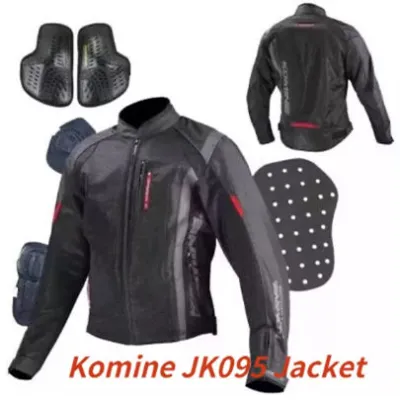
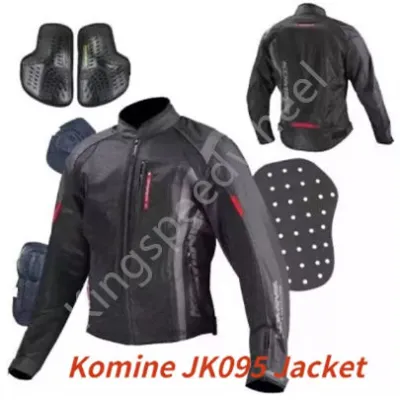
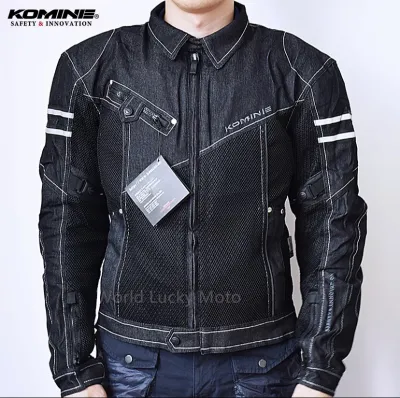
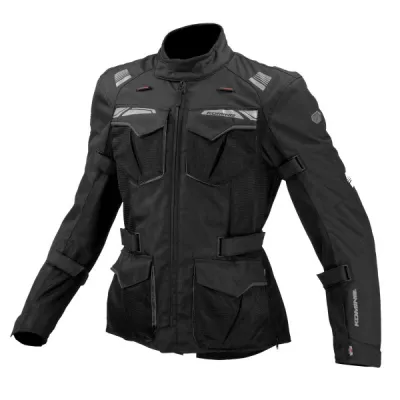
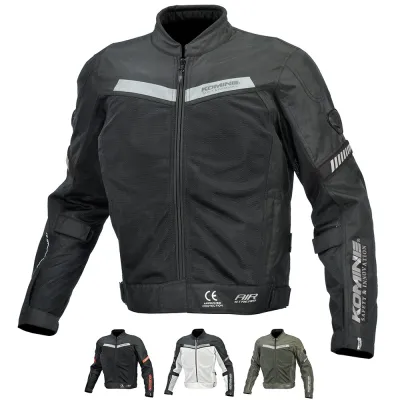
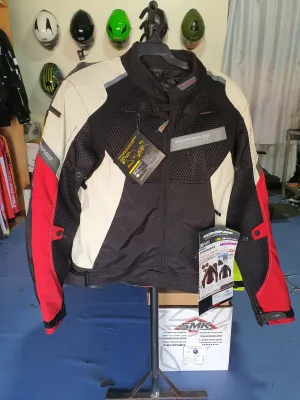
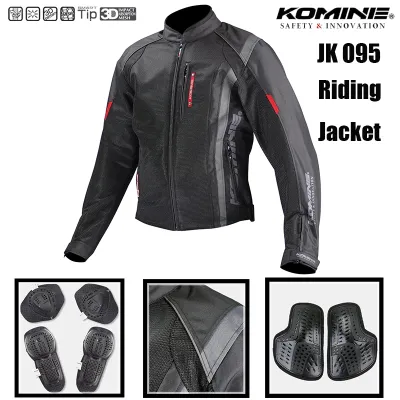
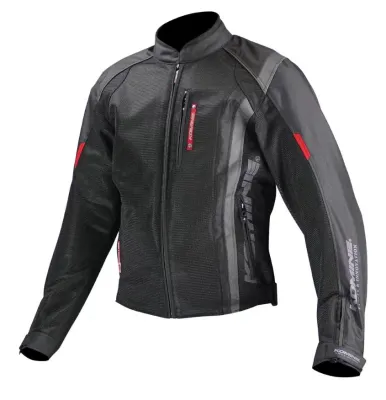
Prices are valid at publication and may change. Please refer to the product page for the latest price.
Furthermore, constant sweating inside non-breathable gear causes moisture to pool against your skin. This trapped dampness leads to severe chafing, skin irritation, and bacterial or fungal growth within the jacket’s lining. Over time, damp gear becomes heavy, emits unpleasant odors, and degrades rapidly. Wearing specialized, highly ventilated riding gear is not a luxury; it is a vital safety necessity that keeps you alert, comfortable, and fully protected.
Key Komine Features to Look for in Tropical Conditions
When evaluating Komine’s extensive lineup, specific design features dictate how well a jacket will perform in hot and humid weather. Knowing what to look for allows you to build a practical checklist before making a purchase.

- Mesh Panel Placement: Komine designs utilize specialized 3D mesh fabrics. Full-mesh jackets feature expansive open-weave panels across the entire chest, back, and inner arms to maximize wind penetration. Partial-mesh designs strategically place high-strength solid fabrics on high-impact slide zones (like the shoulders and elbows) while keeping the chest and underarms open for airflow. This placement ensures that wind cools your core while keeping the structural integrity of the jacket intact during a slide.
- Removable Liners: The Philippine climate is notoriously unpredictable, shifting from blistering sunshine to a sudden tropical storm in minutes. Many Komine jackets feature modular designs with removable inner liners. A lightweight, windproof, or waterproof liner can be zipped inside the jacket during the wet monsoon season to keep you dry, and easily packed away in a tank bag when the sun returns. Some touring models also include ultra-thin thermal liners, which are highly useful for high-altitude rides in cooler regions like Baguio or Sagada.
- Adjustable Ventilation: For jackets that use heavier textile chassis, adjustable ventilation is critical. Look for zippered intake vents on the chest or shoulders and matching exhaust vents on the back. This setup creates a low-pressure pull that draws cool air in and forces hot, humid air out. These vents allow you to customize your microclimate on the fly, closing them during cold morning rides and opening them fully as the midday heat peaks.
- Inner Fabrics: The interior lining of a riding jacket dictates how it feels against your skin when you sweat. Komine utilizes quick-drying, moisture-wicking synthetic mesh linings. These technical fabrics pull sweat away from your body and spread it over a larger surface area to accelerate evaporation. This prevents the jacket from clinging uncomfortably to your arms and torso, ensuring easy movement and hassle-free removal even after a long, humid ride.
Balancing Airflow and Protection: Choosing the Right Style
Every rider must navigate the trade-off between maximum airflow and maximum abrasion resistance. While a fully perforated mesh jacket offers unparalleled comfort in slow-moving traffic, it inherently provides less slide protection than a heavy-duty, high-denier textile or leather jacket. Understanding your primary riding environment is key to making the correct choice.
Mesh Jackets for City Commuting
Urban commuting in major Philippine cities involves prolonged idling, low average speeds, and intense asphalt heat radiation. In these stop-and-go conditions, a full-mesh Komine jacket is the most practical choice. Because natural wind flow is minimal at low speeds, the expansive mesh panels allow whatever ambient breeze exists to reach your body, preventing rapid heat buildup and sweat accumulation.
Despite their lightweight feel, these urban-focused jackets do not compromise on impact safety. Quality Komine mesh jackets feature rigid, CE-rated armor protectors at the shoulders, elbows, and chest, along with a dedicated back protector. These armor inserts absorb the force of a direct impact, which is the most common risk in low-speed city collisions.
However, riders must remain aware of the limitations of full-mesh construction. At higher speeds, lightweight polyester mesh has lower abrasion resistance compared to thick textile shells. If your daily commute involves frequent high-speed bypass roads or expressways, you should carefully check the jacket’s overall slide rating and consider a hybrid model that reinforces key impact zones with heavy-duty fabrics.
Textile Jackets with Ventilation for Highway and Touring
For long-distance touring, provincial road trips, or highway cruising, your safety priorities shift toward high-speed slide protection and weather versatility. High-velocity wind on the highway provides natural cooling, allowing you to wear a sturdier textile jacket. Heavy-duty polyester or nylon shells (such as 600D or higher denier fabrics) offer superior abrasion and tear resistance, which is crucial if you slide on coarse provincial asphalt.
To handle the tropical heat, touring-focused Komine jackets incorporate specialized zip-open ventilation panels. These large zippered sections on the chest and back can be folded and secured, transforming a solid textile jacket into a highly ventilated shell. This design protects you from high-speed friction while allowing substantial airflow to keep your core temperature stable.
Additionally, these robust textile jackets excel at managing unpredictable weather. The dense outer shell blocks cold wind chill during early morning departures or high-altitude mountain passes. When paired with a removable waterproof liner, a textile jacket protects you from sudden heavy downpours, ensuring you stay dry and focused throughout a multi-hour journey. Always look for designs that combine reinforced double-stitching on high-impact areas with generous, adjustable venting pathways.
How to Verify Safety Standards and Armor Ratings
When purchasing protective gear, do not rely on visual styling or marketing descriptions alone. It is essential to physically verify the safety certifications of both the armor inserts and the garment itself. Genuine Komine jackets feature standardized labels that indicate their performance under rigorous testing.
Armor Certification Look for the CE (Conformité Européenne) marking molded directly onto the impact protectors. Shoulder, elbow, and knee protectors should conform to the EN 1621-1 standard, while back protectors must meet EN 1621-2. These standards are divided into two performance tiers: Level 1 and Level 2. Level 1 protectors offer standard impact absorption suitable for daily city riding, while Level 2 protectors transmit significantly less force to the body, providing maximum safety for high-speed highway riding.
Garment Abrasion Rating Under European standards (such as EN 17092), the entire riding jacket is classified based on its structural strength, seam integrity, and abrasion resistance. Class AAA represents the highest level of protection, typically reserved for heavy leather race suits. Class AA is ideal for highway touring, while Class A is standard for light textile and mesh city jackets. Class B offers abrasion protection only, without impact protectors. Always locate the internal white fabric label to verify the jacket’s official classification.
Back Protector Upgrades Many entry-level and mid-range riding jackets are sold with basic, lightweight foam inserts in the back pocket. While these foam pads provide minimal cushioning, they do not offer certified impact protection. Check the dimensions of the internal back pocket and verify if it accommodates an upgraded CE Level 2 back protector. Upgrading this component is a highly recommended, low-cost step that dramatically improves spinal protection.
To ensure your safety, always cross-reference the physical tags sewn inside the jacket with the official product specifications provided on the manufacturer’s website. If the labels lack clear CE markings, standard numbers, or official branding, the gear may not provide the necessary protection during an accident.
Maintaining Your Riding Jacket in High Humidity
The combination of intense sweat, road grime, and high humidity in the Philippines creates a breeding ground for mold, mildew, and unpleasant odors. Proper maintenance is essential to preserve the structural integrity of the fabrics and extend the lifespan of your protective gear. Always consult the care label inside your specific Komine jacket before initiating any cleaning process.
Drying Protocols After a sweaty ride or an unexpected encounter with a tropical downpour, never leave your damp jacket crumpled in a top box or seat compartment. Hang the jacket on a wide, heavy-duty hanger in a well-ventilated, shaded indoor area. Avoid exposing the jacket to direct, harsh tropical sunlight for extended periods, as intense ultraviolet (UV) rays can degrade synthetic fibers, weaken the stitching, and cause elastic components to lose their flexibility.
Washing Preparation When the jacket accumulates noticeable dirt or odor, it must be washed. Before doing so, carefully remove all internal armor pads (shoulders, elbows, chest, and back) as well as any removable waterproof or thermal liners. Washing these components can damage their structural properties or strip away specialized waterproof coatings. Hand wash the outer textile shell using a mild, non-biological liquid detergent and cool water, avoiding fabric softeners which can clog the breathable pores of mesh fabrics.
Storage Conditions Store your clean, dry riding jacket in an open, well-ventilated closet or on a dedicated gear rack. Avoid storing your gear in airtight plastic containers, sealed garment bags, or damp storage rooms, as trapped moisture will rapidly trigger mold growth on both the fabric and the armor pockets. If you must store the jacket during a prolonged non-riding period, ensure it is completely dry and place a moisture-absorbing sachet nearby to keep the storage environment dry.
Frequently Asked Questions (FAQ)
Do I need a waterproof liner if I only ride in the dry season?
Even during the dry season, the Philippines’ tropical climate can produce sudden, highly localized rain showers or wet road conditions in mountainous areas. A Komine jacket with a removable waterproof liner offers excellent year-round versatility, allowing you to adapt to unexpected weather changes. However, if you strictly limit your riding to predictable, dry urban commutes and always carry separate, dedicated rain gear, a lightweight mesh jacket without an internal liner is a perfectly acceptable and highly breathable alternative.
Can I use a winter Komine jacket in the Philippines if I remove the thermal liner?
No, using a winter-specific riding jacket in the Philippines is highly discouraged, even with the thermal liner removed. Winter jackets are constructed with thick, windproof, and non-perforated outer shells designed specifically to trap body heat and block external cold air. Wearing such a jacket in a tropical climate prevents natural heat dissipation and sweat evaporation, which will rapidly lead to severe overheating, dehydration, and heat exhaustion.
Where should I buy authentic Komine gear to ensure valid safety certifications?
To guarantee that your jacket features genuine CE-rated armor and high-strength construction, always purchase from authorized local distributors, official brand stores, or reputable, specialized motorcycle gear shops in the Philippines. Avoid buying from unverified sellers on general online marketplaces or ecommerce platforms. Counterfeit riding jackets often mimic the visual aesthetics and logos of Komine perfectly, but they use cheap, non-protective foam instead of certified armor and weak, single-stitched seams that will easily tear apart upon impact with the road.
Community discussion
Share your experience or ask a question. Comments are reviewed before publication.