
Finding a jacket for motorcycle rider men that balances ventilation and protection is a critical safety decision for anyone navigating the tropical climate of the Philippines. The combination of intense solar heat, high relative humidity, and dense urban traffic makes heavy, non-ventilated riding gear highly uncomfortable, often tempting riders to skip protective wear altogether. However, riding without proper gear exposes you to severe road rash and impact injuries even during low-speed city commutes.
A proper tropical riding jacket resolves this dilemma by strategically combining high-airflow mesh panels with certified impact armor and abrasion-resistant textiles in critical strike zones. Striking this balance requires looking for jackets that position heavy-duty fabrics at the shoulders and elbows while utilizing open-weave mesh across the chest, inner arms, and back to facilitate continuous cooling. By understanding how to evaluate these materials and construction features, you can stay cool, dry, and fully protected on every ride.
Why Tropical Heat Changes Your Gear Requirements
Riding in intense tropical heat and high humidity presents unique physiological challenges that directly impact your safety on the road. When your body temperature rises, heat fatigue can set in quickly, leading to slowed reaction times, reduced focus, and dehydration during long rides or when stuck in heavy city traffic. A rider who is overheating is far more likely to make critical errors or experience delayed braking responses.
Products mentioned in this guide
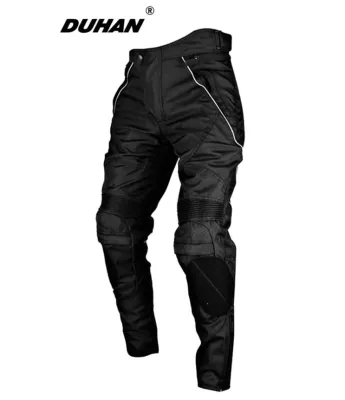
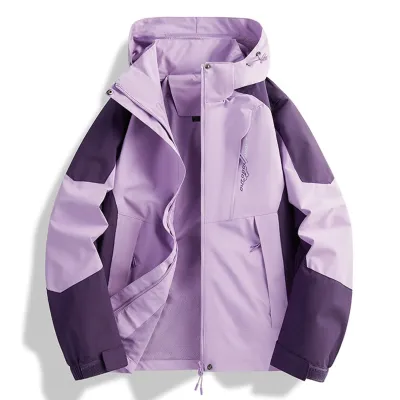
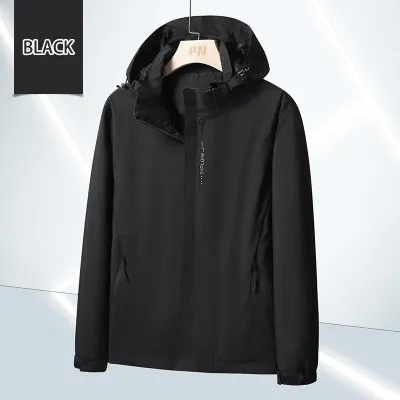
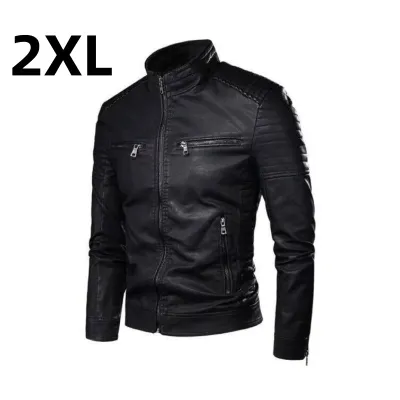
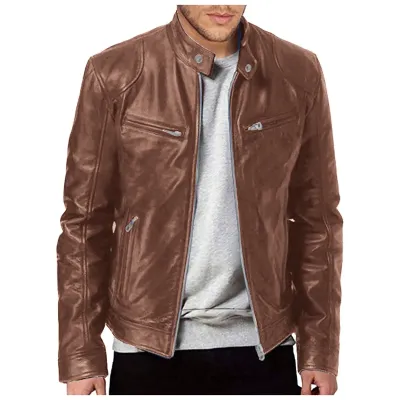
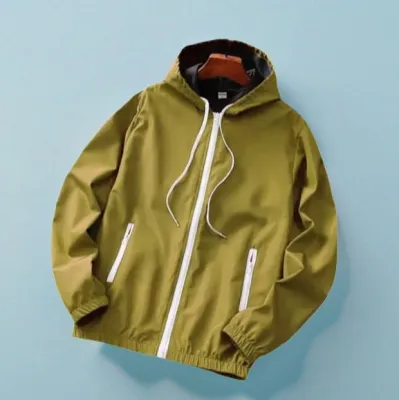
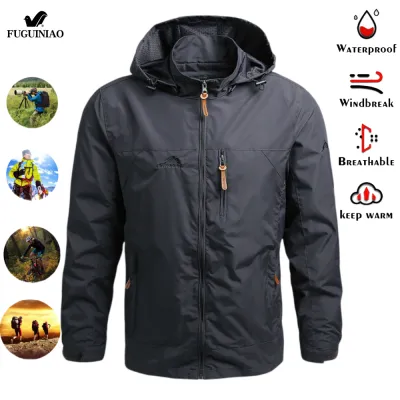
![[COD] Military Rain Casual Sport Waterproof Riding Tactical Outerwear hoodie Windbreaker Jacket Coat](https://img.lazcdn.com/g/p/5ce8498aae9c38bb5e0fef2867ea5f7c.jpg_400x400q80.jpg_.webp)
Prices are valid at publication and may change. Please refer to the product page for the latest price.
Sweat also plays a physical role in how your gear performs and fits. Excessive moisture can cause inner linings to cling or slip, potentially shifting protective armor away from your elbows and shoulders during an impact. If the jacket fits too loosely or slides around due to sweat, the protective elements cannot do their job when you hit the pavement.
This creates a critical trade-off: while maximum airflow is necessary to keep you cool and alert, the jacket must retain enough structural integrity to resist tearing and sliding friction if you contact the asphalt. Balancing these two competing needs is the key to choosing a jacket that keeps you safe without causing heat exhaustion.
Prioritizing Impact and Abrasion Protection
Regardless of how hot the weather gets, impact and abrasion protection remain the primary reasons to wear a riding jacket. When evaluating a jacket for motorcycle rider men, start by inspecting the internal armor. Look for manufacturer labels indicating recognized impact standards, such as CE Level 1 or Level 2 certifications, specifically at the shoulders and elbows, and check if the jacket includes a dedicated pocket for a back protector.

The presence of armor is only effective if it stays in place during an accident. Examine the internal armor pockets to ensure they are securely stitched to the outer shell and feature robust closures, such as hook-and-loop strips, that prevent the pads from shifting. The armor should sit flush against your joints without twisting or sliding when you move your arms.
Abrasion resistance is equally vital for protecting your skin during a slide. High-impact zones—specifically the outer shoulders, elbows, and upper back—should feature reinforced panels or double-layered textiles. These areas are the most likely to contact the road first, so they require dense, tightly woven fabrics that can withstand friction.
Verify these zones by physically feeling the thickness of the material and checking for double or triple stitching along the seams. Avoid relying solely on proprietary fabric names; instead, look for heavy-duty woven textiles with high denier ratings in these critical areas. Strong, reinforced seams prevent the jacket from bursting open upon impact.
Selecting Effective Ventilation Mechanisms
To stay cool in tropical conditions, you must choose a ventilation style that matches your typical riding environment and speeds. A full-mesh chassis utilizes open-weave fabric across the majority of the torso and inner arms, offering maximum continuous airflow at both low and high speeds. This design is highly effective for city riding where stop-and-go traffic limits natural wind cooling.
In contrast, textile jackets with zippered intake and exhaust vents offer adjustable airflow but can feel restrictive in slow-moving traffic when the vents are your only source of cooling. These jackets work best for highway riding where the speed of the motorcycle forces air through the open vents and pulls heat out through the exhaust ports at the back.
The interior lining of the jacket is just as important as the outer shell for managing heat and humidity. Look for a lightweight, moisture-wicking mesh lining that keeps the outer fabric from sticking to your skin and helps sweat evaporate more efficiently. A good lining prevents chafing and keeps the jacket comfortable even during long, humid rides.
High airflow can cause a loose jacket to balloon or flap violently at highway speeds, which is both distracting and fatiguing. Ensure the jacket features adjustable cuffs, collar snaps, and waist straps to secure the fit and streamline the profile against oncoming wind. These adjusters also help keep the armor snug against your body.
Adapting to the Wet and Dry Seasons
The tropical climate of the Philippines transitions between intense dry heat and sudden, heavy downpours during the wet season. Many riding jackets feature removable waterproof or windproof liners that can be zipped inside or worn over the main shell. These modular systems allow you to adapt to changing weather conditions on the fly.
While these liners are highly effective at keeping you dry during a sudden thunderstorm, they must be stored and maintained properly to survive high humidity. Always ensure liners are completely dry before folding and storing them in a motorcycle compartment or closet to prevent mold, mildew, and material degradation. Storing damp liners in unventilated spaces can quickly ruin the waterproof coatings.
For daily commuting in urban areas, a dedicated, highly breathable mesh jacket is often more practical than a heavy, multi-layer touring jacket. The constant stop-and-go traffic in warm weather makes ventilation the absolute priority, whereas a multi-layer jacket may prove too bulky and hot even with the liners removed.
If your riding consists of long-distance touring across varying elevations, a modular jacket with removable layers offers the versatility needed to handle both coastal heat and cooler mountain passes. When a sudden downpour begins, always find a safe place to pull over completely before attempting to install or remove your jacket’s liners.
Building Your Pre-Purchase Fit and Inspection Checklist
Before finalizing your purchase of a jacket for motorcycle rider men, perform a thorough physical inspection and fit test to ensure it meets safety and comfort standards. Put the jacket on and assume your typical riding position, mimicking the reach to your handlebars. This step is crucial because a jacket that feels comfortable while standing may pull tight or restrict movement when you are on the bike.
While in this position, check that the sleeves still cover your wrists and that the elbow armor remains centered over your joints rather than sliding down your forearms. Ensure the collar does not pinch your neck and that the waist hem does not ride up too high, exposing your lower back.
Next, conduct a physical quality check of the hardware and construction. Pull on the main zippers and pocket closures to verify they glide smoothly without binding, and inspect the seams for loose threads or uneven stitching. Check that the snap buttons and hook-and-loop adjusters grip firmly and do not pop open under light tension.
Establish clear stop-conditions during your inspection: if the armor pockets allow the pads to twist away from your joints, or if the ventilation zippers catch on the surrounding fabric, reject the jacket and look for an alternative. A jacket that fails these basic physical checks in the store will not perform reliably on the road.
Frequently Asked Questions (FAQ)
How should I clean a mesh motorcycle jacket after sweating in it?
Always consult the manufacturer’s internal care label before attempting to clean your riding jacket. Prior to washing, you must remove all impact armor inserts and detachable liners to prevent damage to the protective materials. Hand-wash the outer shell using a mild detergent, and hang it to air-dry in a shaded, well-ventilated area away from direct sunlight to prevent UV degradation and mildew.
Is a textile jacket safer than a mesh jacket for city riding?
Safety depends on verified abrasion resistance and the quality of the integrated armor, rather than the generic material category alone. For typical city riding speeds, a high-quality mesh jacket with reinforced textile panels on the shoulders and elbows provides excellent protection while keeping you cool. Avoid assuming that any lightweight jacket offers adequate slide protection unless the manufacturer explicitly states its tested abrasion-resistance ratings.
Community discussion
Share your experience or ask a question. Comments are reviewed before publication.