
The best motorcycle armor vests for night riding in the Philippines are those that combine certified impact protection with high-performance retroreflective materials designed to withstand tropical riding conditions. Because night riding on local roads presents unique hazards—ranging from unlit provincial highways and sudden downpours to unpredictable traffic patterns—relying on basic high-visibility clothing is rarely enough. A dedicated armor vest must serve a dual purpose: it must shield your torso from impact and abrasion during a fall, and it must actively reflect light from vehicle headlights back to their source to ensure you are seen from a distance. Rather than searching for a single brand, riders should focus on verifying objective safety certifications, evaluating how the vest manages heat and humidity, and understanding how to maintain the reflective elements over time.
Core Criteria for Impact Protection and Visibility
Before evaluating specific gear features, it is important to establish the safety boundary: protective riding gear is a secondary safety measure designed to reduce the severity of injuries during an accident; it does not prevent collisions or guarantee absolute safety. Always operate your vehicle defensively and in accordance with local traffic laws. When evaluating any motorcycle armor vest, the first step is to look past the aesthetic design and locate the physical CE (Conformité Européenne) certification labels. These labels are typically sewn into the inner lining of the vest or stamped directly onto the removable armor inserts. For torso protection, you want to look for EN 1621-2 for back protectors and EN 1621-3 for chest protectors. If the vest includes shoulder or elbow guards, these should carry the EN 1621-1 designation. Within these standards, armor is classified into Level 1 and Level 2. Level 1 protectors offer standard protection suitable for daily commuting, while Level 2 protectors provide superior force attenuation, transmitting significantly less impact energy to your body during a crash.
Visibility at night relies on entirely different material properties than visibility during the day. While bright fluorescent yellow or orange fabrics are highly effective under the midday sun or during overcast afternoons, they lose their high-visibility properties in complete darkness. For night riding, your vest must feature retroreflective materials, which are often certified under standards like EN ISO 20471. Retroreflective technology uses thousands of microscopic glass beads or micro-prisms embedded in the fabric to capture incoming light from vehicle headlights and bounce it directly back to the driver’s eyes. This creates an intense, glowing silhouette that makes you visible from hundreds of meters away, even on pitch-black roads.
Products mentioned in this guide
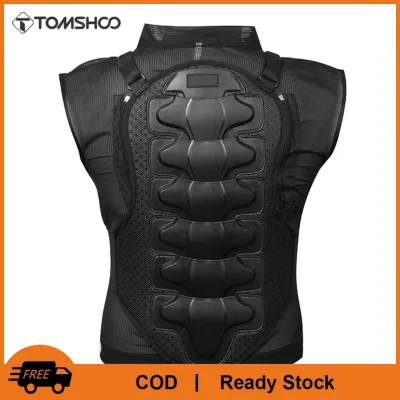
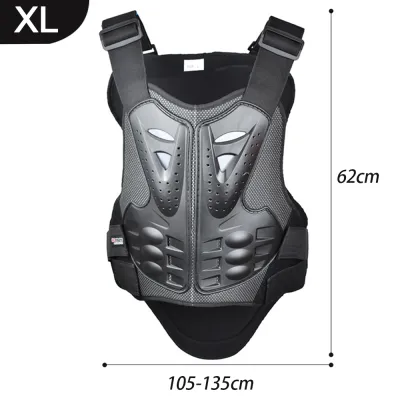
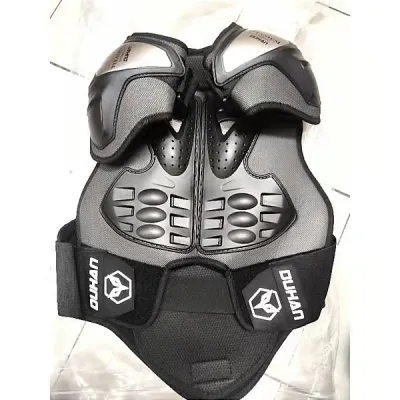
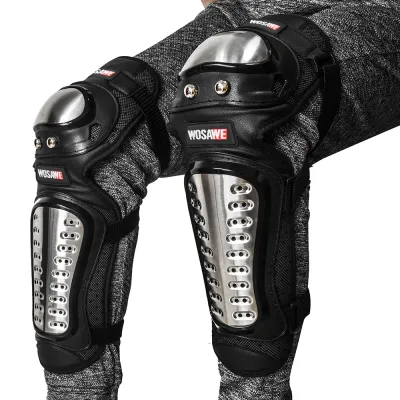
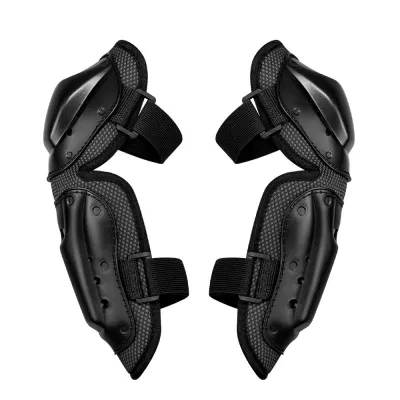
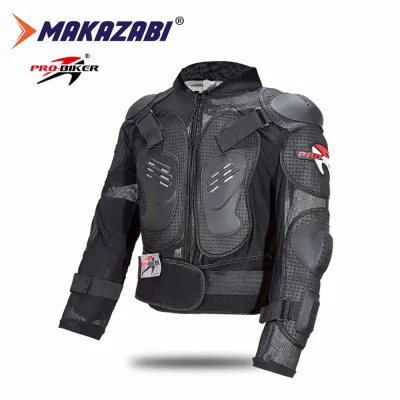
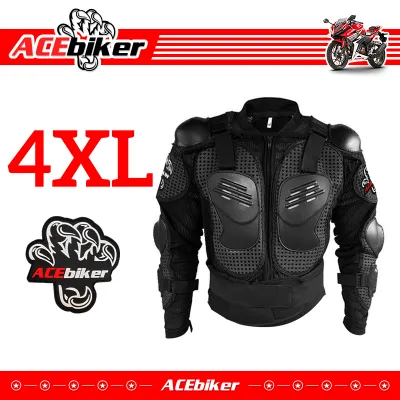
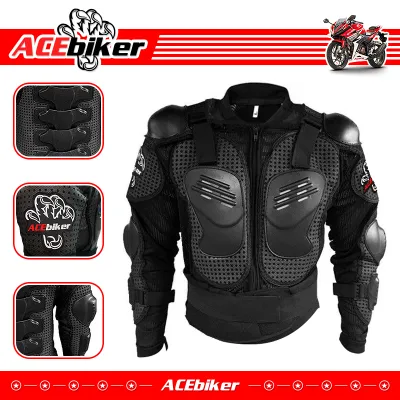
Prices are valid at publication and may change. Please refer to the product page for the latest price.
A high-quality reflective vest must provide 360-degree visibility to protect you from all angles of approach. When riding, your physical posture changes depending on the type of motorcycle you ride. If you are leaning forward on a sportbike, horizontal reflective strips across your lower back may tilt downward, reducing their effectiveness to trailing drivers. Conversely, an upright posture on a scooter or underbone motorcycle keeps the back panel vertical but may expose more of your chest to oncoming traffic. Furthermore, if you regularly ride with a backpack, it can completely block the reflective elements on your back. To counter this, look for vests with prominent reflective panels on the shoulders, sides, and upper chest, ensuring you remain visible even when carrying luggage.
Evaluating Fit, Comfort, and Night-Ride Practicality
Riding in the Philippines means dealing with intense tropical heat and high humidity, even after the sun goes down. A heavy, non-breathable armor vest will quickly lead to excessive sweating, discomfort, and rider fatigue, which directly compromises your alertness on the road. To stay cool, prioritize vests constructed with high-airflow mesh panels that allow wind to pass through freely. However, large, solid sheets of reflective material can act as wind barriers, trapping heat against your body. The most practical designs solve this by using perforated reflective strips or integrating thin, highly reflective piping along the seams of the mesh panels, balancing maximum airflow with nighttime visibility.

For impact armor to do its job during an accident, it must remain securely positioned over your vital areas. If a vest is too loose, the back and chest protectors can shift or slide away from your spine and sternum during a fall, leaving you unprotected. Look for vests that feature multiple adjustment points, such as hook-and-loop waist straps, adjustable shoulder connectors, and side cinches. A snug, tailored fit not only keeps the armor inserts locked in place but also ensures that the reflective strips remain flat and smooth. Wrinkled or folded reflective tape can distort the angle of light return, reducing the distance at which drivers can spot you.
Practicality on long night rides often depends on the small details of a vest’s design. If you plan on taking long-distance trips or navigating heavy city traffic, check if the vest is compatible with a hydration bladder, featuring dedicated routing loops for the drink tube. Pockets should be strategically placed so that filling them does not cause the vest to sag or distort the reflective panels. Additionally, any utility loops or attachment points for small tools or communication devices must be positioned away from the primary reflective zones to prevent blocking the safety materials.
Building Your Shortlist: What to Verify Before Buying
When browsing options at local motorcycle accessory shops or online marketplaces, a physical inspection is the most reliable way to verify quality. Examine the stitching along the edges of the reflective panels. High-quality gear uses heavy-duty, double-stitched seams to prevent the reflective tape from lifting or fraying due to high-speed wind resistance. Check the wash-care label inside the vest; it should clearly state the recommended cleaning instructions and, in some cases, indicate the maximum number of wash cycles the reflective material can undergo before its performance begins to decline. Avoid vests that lack clear certification labels or feature poorly printed, generic safety logos. While budget-friendly options might range from ₱1,500 to ₱3,000, premium certified vests can exceed ₱8,000. Regardless of the price point, you must physically verify the safety labels rather than assuming cost equals quality.
You can easily test the effectiveness of a vest’s reflective material before wearing it on the road by conducting a simple light source test. In a darkened room, place the vest on a hanger or have someone hold it several meters away. Hold a smartphone flashlight or a standard torch directly at eye level—right next to your temple—and point the beam at the vest. This setup mimics the physical relationship between a driver’s eyes and their vehicle’s headlights. High-grade retroreflective material will instantly light up with a brilliant, bright glow. If the material appears dull, uneven, or only reflects light when you stand directly in front of it, it will not provide adequate warning distance on unlit provincial roads.
If you are considering purchasing used riding gear or inspecting older stock that has been sitting on a shelf, be alert for signs of material aging. Over time, exposure to humidity and temperature fluctuations can cause the micro-prisms in reflective tape to crack, peel, or turn yellow, which severely limits their ability to return light. Similarly, the internal impact-absorbing foam in the armor inserts can degrade. Take the inserts out of the vest and gently flex them; if the foam feels excessively stiff, brittle, or shows visible cracks and crumbling, it has lost its ability to absorb impact forces and must be replaced immediately.
Layering Strategies for Maximum Night Visibility
The tropical climate in the Philippines is notorious for sudden, heavy downpours, particularly during the wet season. When a storm hits at night, you will likely need to pull on a waterproof rain jacket or windbreaker, which will completely cover your armor vest and hide its reflective features. To maintain your safety in low-visibility rain, you should layer a dedicated high-visibility, reflective rain jacket over your armor vest. When purchasing your rain gear, make sure to select a size or two larger than your usual fit so that it slides easily over the bulky chest and back protectors of your vest without restricting your movement or binding at the shoulders.
While a reflective armor vest provides an excellent foundation for nighttime safety, it cannot cover every angle, especially when your body blocks light from the sides. To eliminate these blind spots, you can supplement your vest with smaller, highly visible accessories. Reflective armbands and ankle straps are highly effective because they are positioned on your limbs; the constant motion of your arms and legs while riding immediately signals to other drivers that you are a human on a moving vehicle. Additionally, applying retroreflective decals to your helmet and installing reflective tape along your motorcycle’s wheel rims will dramatically improve your lateral visibility at intersections.
It is important to remember that passive retroreflective materials are entirely dependent on external light sources to function. If a vehicle is driving with broken headlights, or if you are stranded on the side of an unlit rural road, a passive vest will not make you visible until it is too late. To bridge this safety gap, consider integrating active lighting into your gear setup. Small, weather-resistant LED safety lights can be clipped onto your vest’s utility loops or your backpack straps. Some modern riding gear even features built-in, rechargeable LED strips that emit a constant or flashing light, ensuring you remain visible to everyone on the road regardless of external illumination.
Maintenance and Care for Reflective Armor Vests
Proper maintenance is essential to keep both the protective armor and the reflective materials functioning at their best. When cleaning your vest, always read the manufacturer’s care label carefully and avoid using harsh household chemicals. Never use bleach, strong industrial detergents, or fabric softeners. Fabric softeners are particularly damaging because they leave a microscopic chemical film over the fabric, which clogs and dulls the glass beads or micro-prisms in the reflective tape, permanently reducing its reflectivity. Additionally, avoid scrubbing the reflective panels with stiff-bristled brushes, as this can physically scratch and strip away the reflective coating.
Before washing the textile shell of your vest, you must remove all internal CE-certified armor inserts from their pockets. The textile shell should be hand-washed in cool water using a mild, neutral laundry detergent. Gently agitate the fabric to remove road grime, sweat, and dirt, then rinse thoroughly with clean water. While the shell is drying, take the opportunity to inspect the removed armor inserts. Wipe them down with a damp cloth to remove any accumulated dust or sweat, and check them thoroughly for any physical damage, such as deep cracks, tears, or permanent deformation. Allow both the shell and the inserts to air dry completely in a shaded area before reassembling them.
How you store your motorcycle gear when not in use plays a major role in its overall lifespan. Avoid hanging your armor vest in areas exposed to direct, intense tropical sunlight, such as near a window or on an open balcony. Prolonged UV exposure can accelerate the breakdown of the high-visibility dyes in the fabric and degrade the molecular structure of the impact-absorbing foam inserts, making them brittle. Store the vest on a wide, sturdy hanger in a cool, dry, and well-ventilated closet. Never fold, crush, or pack the vest tightly under heavy items, as sharp creases can permanently damage the reflective micro-prisms and cause the protective armor inserts to deform.
Frequently Asked Questions (FAQ)
Do reflective vests work if there are no streetlights?
Yes, passive reflective vests work exceptionally well on dark roads without streetlights, but only when they are illuminated by an external light source, such as the headlights of an approaching vehicle. Because retroreflective materials are designed to bounce light directly back to its source, they do not require ambient street lighting to be visible to drivers. However, if you are walking or standing on a pitch-black road without any vehicles nearby, or if a vehicle is driving with its headlights turned off, the vest will not emit any light on its own. For maximum safety on unlit rural or mountainous roads, it is highly recommended to combine your passive reflective vest with active, battery-powered LED lights that emit their own constant or flashing illumination.
Can I add aftermarket reflective tape to my existing armor vest?
Yes, you can add aftermarket reflective elements to your existing gear, but you must do so carefully to avoid damaging the vest’s protective qualities. Applying high-quality, weather-resistant reflective adhesive tape or using strap-on reflective bands is generally the safest approach. If you decide to sew reflective patches onto the vest, avoid stitching directly through waterproof membranes or the structural seams that hold the impact armor pockets in place, as sewing needles can create holes that compromise water resistance and weaken the fabric’s tear strength. Avoid using strong chemical glues or solvent-based adhesives directly on the vest’s textile shell, as these chemicals can dissolve synthetic fibers or degrade the protective coatings of the fabric.
How often should I replace the armor inserts?
You must replace your motorcycle armor inserts immediately after any significant impact, crash, or hard fall, even if the outer vest shell appears undamaged. The impact-absorbing foam or polymer inside the inserts is designed to deform and absorb energy during a collision, and once it has done so, it cannot provide the same level of protection a second time. If you have not been involved in an accident, you should still inspect your armor inserts regularly for signs of natural aging. Over time, sweat, body heat, and humidity can cause the protective foam to harden, crack, or lose its flexibility. As a general safety rule, most gear manufacturers recommend replacing armor inserts every three to five years of regular use to ensure they maintain their certified impact-absorption capabilities.
Community discussion
Share your experience or ask a question. Comments are reviewed before publication.