
Riding in tropical climates presents a unique safety paradox. To stay safe on the road, you need protective gear, but heavy, non-ventilated apparel can quickly cause overheating, dehydration, and dangerous fatigue. Choosing the right jacket pang motorcycle rider in the Philippines requires a careful balance between continuous airflow and robust impact protection. The optimal choice is a hybrid mesh jacket that combines expansive, breathable panels with high-denier textile reinforcements at critical slide zones.
Why Tropical Conditions Change Your Gear Strategy
The climate in the Philippines is characterized by high temperatures and intense relative humidity throughout the year. When you ride in congested urban corridors or across long provincial highways, your body relies on the evaporation of sweat to cool down. Standard heavy leather jackets or solid, non-vented textile coats trap heat and moisture against your skin, creating a greenhouse effect inside your gear.
This trapped heat rapidly accelerates physical fatigue and dehydration. As your core temperature rises, your cognitive function, reaction times, and situational awareness degrade, which increases your vulnerability to road hazards. A hot rider is a distracted rider, making temperature management a direct safety factor.
Products mentioned in this guide
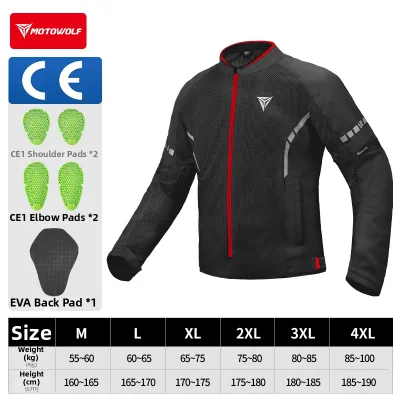
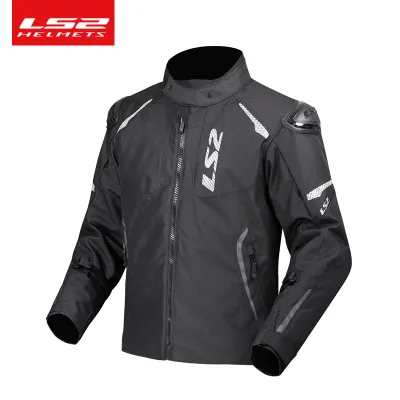
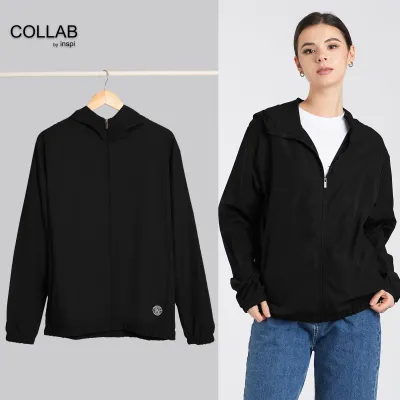
Prices are valid at publication and may change. Please refer to the product page for the latest price.
Furthermore, extreme discomfort often leads to a highly dangerous decision: riders opting to leave their protective gear at home or riding with their jackets unzipped. An unzipped jacket cannot keep its protective armor in place during a fall, rendering it virtually useless. A specialized hot-weather riding jacket is not just a comfort accessory; it is a critical safety tool that ensures you actually wear your protection on every single trip.
Core Features for a Protective Jacket Pang Motorcycle Rider
To select a hot-weather jacket that delivers both cooling comfort and reliable slide protection, you must examine its structural layout and material composition. High-quality summer riding gear is engineered to maximize wind penetration while maintaining structural integrity during an impact.

Airflow and Ventilation Systems
The primary cooling mechanism of a tropical riding jacket is passive ventilation. Look for designs that feature wide, open-weave mesh panels across the chest, the inner arms, and the entire back. These mesh sections allow ambient air to pass directly through the fabric, carrying away body heat as you move.
While open mesh is highly effective when you are moving, stop-and-go city traffic requires adjustable ventilation options. Some jackets incorporate zippered intake vents on the biceps or chest, allowing you to fine-tune the airflow depending on your current speed and the ambient temperature.
Equally important is the presence of exhaust vents located on the lower back of the jacket. Without these rear exit points, incoming air gets trapped inside the garment, ballooning the fabric and reducing the overall cooling efficiency. A continuous front-to-back air path ensures that heat is constantly extracted from your body.
Balancing Mesh with Abrasion Resistance
A common misconception is that all mesh fabrics offer equal protection during a slide. Lightweight, unreinforced polyester mesh provides excellent airflow but can instantly melt or tear when sliding across hot asphalt. To prevent severe road rash, look for hybrid construction jackets.
A reliable hybrid jacket places high-airflow mesh panels in low-risk zones, such as the chest and inner arms, while reinforcing high-impact strike zones with heavy, abrasion-resistant textiles. Look for materials like 500-denier (500D) or 600-denier polyester or genuine Cordura nylon on the shoulders, elbows, and outer forearms.
Before purchasing, always check the manufacturer’s specifications and product labels to verify the material’s denier rating and slide certification. Avoid ultra-cheap, unbranded riding jackets sold on online marketplaces that use thin, non-rated nylon mesh, as these garments often fail to provide any meaningful abrasion resistance in a crash.
Essential Armor and Impact Protection
Ventilation should never come at the expense of impact protection. Your riding jacket must feature dedicated armor pockets containing certified impact protectors at the shoulders, elbows, and back. Look for armor that carries CE (Conformité Européenne) certification, specifically meeting the EN 1621-1 standard for limbs and EN 1621-2 for back protectors.
Verify that the internal armor pockets are securely stitched to the outer shell and that the protectors sit flush against your joints. If the armor is loose or shifts easily when you move your arms, it may slide away from your joints during a crash, leaving you unprotected.
Many hot-weather jackets are sold with basic, non-rated foam back pads to keep retail costs down. If your budget permits, upgrade these temporary foam inserts to CE Level 1 or Level 2 elastomeric armor, which remains flexible during normal wear but hardens instantly upon impact. Always consult the jacket manufacturer’s instructions to ensure any replacement armor is fully compatible with the internal pocket dimensions.
Fit, Liners, and Daily Commuting Comfort
Achieving the correct fit is paramount for both safety and daily comfort. A motorcycle jacket must fit snugly against your body without restricting your natural riding posture. If the jacket is too loose, the fabric can flap violently at highway speeds, causing fatigue, and the protective armor can rotate away from your elbows and shoulders during a slide.
For riders navigating unpredictable tropical weather, modularity is highly beneficial. Look for jackets that include a removable waterproof or windproof inner liner. During sudden afternoon downpours or cooler early-morning rides, these liners can be quickly zipped in to keep you dry and comfortable, then packed away into a backpack once the sun returns.
Daily commuting in heavy traffic also demands high visibility, especially during evening rides or heavy rainstorms. Choose a jacket that incorporates retroreflective elements on the chest, upper back, and sleeves to ensure you remain visible to other motorists under low-light conditions.
Finally, pay close attention to the collar and cuff closures. Look for soft, moisture-wicking materials around the collar to prevent skin chafing during long, sweaty rides. Adjustable hook-and-loop or snap closures at the cuffs and waist allow you to secure the jacket tightly, preventing hot air or rain from entering and keeping the sleeves from sliding up your arms in a fall.
Maintaining Riding Gear in High Humidity
The intense humidity of the Philippines can quickly turn a sweaty riding jacket into a breeding ground for mold, mildew, and unpleasant odors. Proper maintenance is essential to preserve both the hygiene and the structural integrity of your gear.
Immediately after every ride, hang your jacket and any removable liners in a well-ventilated indoor space to air-dry. Never leave a damp jacket stuffed inside a motorcycle top box or a dark closet, as this traps moisture and accelerates fabric degradation.
When the jacket requires cleaning, always refer first to the manufacturer’s care label for specific washing instructions. Generally, you should remove all impact armor from their pockets before washing. Hand-wash the textile shell in cool water using a mild, non-biological detergent, or use a gentle machine cycle if authorized by the manufacturer. Avoid harsh bleach, fabric softeners, or industrial solvents, as these chemicals can break down the synthetic fibers, weaken the stitching, and strip away reflective coatings.
Allow the jacket to air-dry naturally in a shaded, well-ventilated area. Never expose the jacket to direct, intense sunlight for extended periods, as UV radiation can embrittle synthetic fabrics. Additionally, avoid using high-heat tumble dryers or hair dryers, as extreme heat can warp protective armor inserts and melt delicate mesh fibers. If the care instructions for your specific jacket conflict with general guidelines, always defer to the manufacturer’s official documentation.
Frequently Asked Questions (FAQ)
Is a full-mesh jacket safe enough for highway speeds?
While a full-mesh jacket offers maximum airflow for slow-speed city commuting, it generally provides lower abrasion resistance than hybrid or full-textile alternatives. At sustained highway speeds, a fall results in longer slide times, which can quickly wear through lightweight mesh fabrics. For highway travel, look for a hybrid jacket that utilizes heavy-duty textile reinforcements (such as 600D polyester or Cordura) on the shoulders, elbows, and back, while restricting mesh panels to the chest and inner arms.
Should I wear a base layer under a mesh motorcycle jacket?
Yes, wearing a moisture-wicking technical base layer under your mesh jacket significantly improves hot-weather comfort. High-performance base layers pull sweat away from your skin, allowing the incoming airflow to evaporate the moisture more efficiently and cool your body down. Additionally, a smooth base layer prevents the mesh lining of the jacket from sticking to your sweaty skin, reducing friction and chafing while making the jacket much easier to put on and take off.
Community discussion
Share your experience or ask a question. Comments are reviewed before publication.