
Riding a motorcycle in the Philippines presents a unique environmental challenge. Navigating the daily commute through heavy traffic in cities like Manila or Cebu means enduring ambient temperatures that frequently exceed 34°C, coupled with relative humidity levels often climbing above 80 percent. In these conditions, wearing a heavy, non-breathable jacket can quickly lead to physical distress, yet riding unprotected is an unacceptable safety risk. Finding the right gear requires understanding how modern motorcycle apparel balances robust abrasion resistance with high-airflow ventilation.
Choosing a tropical-ready motorcycle jacket involves evaluating specific materials, ventilation designs, and impact armor. The goal is to find a garment that facilitates continuous evaporative cooling while ensuring that high-impact zones remain fully protected during a slide or fall. By focusing on certified hybrid construction, strategic mesh placement, and a precise fit, you can stay cool, dry, and secure on every ride.
Understanding the Balance Between Airflow and Abrasion Resistance
Operating a motorcycle in extreme heat and humidity places severe physical demands on your body. When you are stuck in slow-moving traffic, heat buildup inside unventilated gear can lead to rapid dehydration, elevated heart rates, and cognitive fatigue. This heat exhaustion directly compromises your riding safety by slowing your reaction times and reducing your situational awareness. Many riders mistakenly choose to wear regular long-sleeved shirts or thin windbreakers to escape the heat, but these everyday fabrics offer zero protection against road rash and impact.
Products mentioned in this guide
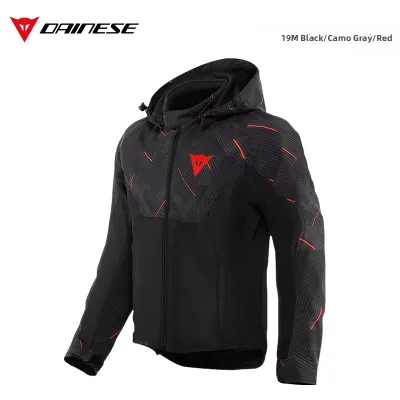
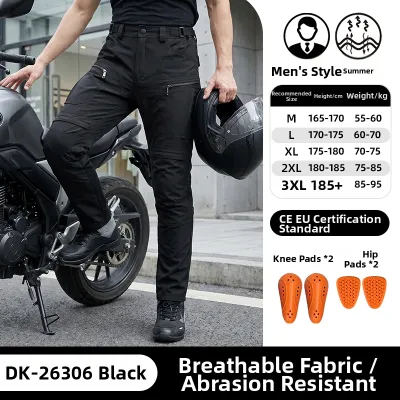
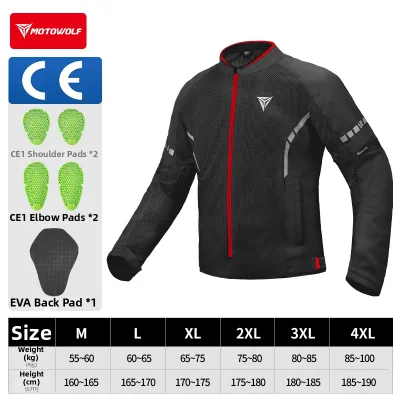
Prices are valid at publication and may change. Please refer to the product page for the latest price.
Traditional heavy leather jackets, while offering excellent abrasion resistance, are generally impractical for daily tropical commuting. Leather acts as an insulator, trapping body heat and sweat, which can cause rapid overheating at low speeds. Modern textile alternatives, however, are engineered specifically to address these challenges. Manufacturers use synthetic fibers like high-density polyester and polyamide (nylon) woven into breathable structures that allow heat to escape while maintaining high levels of structural integrity.
To make an informed purchase, you must use a decision framework that prioritizes strategic airflow without compromising critical protection zones. The jacket’s design must be split into two distinct functional areas: ventilation zones and impact/abrasion zones. Ventilation zones, such as the chest and inner arms, use open-weave mesh to maximize wind intake. Conversely, high-impact zones, including the shoulders, elbows, and upper back, must consist of heavy-duty, tightly woven textiles to withstand friction against asphalt.
Identifying Effective Ventilation and Airflow Designs
To evaluate a jacket’s cooling capabilities, you must look closely at its construction and understand how air moves through the garment while you are in motion.

Strategic Mesh Panels and Air Channels
Mesh panels are the primary driver of passive cooling in tropical riding gear. For maximum efficiency, these panels should be located on the chest, inner arms, and upper back. As you ride forward, oncoming air enters through the front mesh, flows across your torso to absorb heat, and exits through the rear panels. This continuous displacement of warm air is essential for sweat evaporation, which is your body’s natural cooling mechanism.
When shopping, you will encounter different types of mesh. Large, open-mesh designs feature wider gaps between the woven synthetic threads, offering maximum airflow at low speeds, though they provide slightly less protection against flying road debris. Tighter, hard-mesh weaves offer a bit more structural stiffness and debris protection while still allowing substantial air passage. Always inspect the stitching where the mesh panels meet the solid textile panels; high-quality jackets utilize multi-row safety stitching to ensure these seams do not tear apart under tension.
Adjustable Intake Vents and Exhaust Ports
For riders who transition between hot city streets and cooler, high-altitude routes like Marilaque or Baguio, adjustable ventilation is highly valuable. Zippered intake vents, typically positioned on the chest, biceps, or forearms, allow you to control the volume of incoming air. When open, these vents scoop air directly into the jacket; when zipped shut, they seal out cold air or light rain.
An effective ventilation system relies equally on rear exhaust ports. Without exhaust vents, incoming air becomes trapped inside the jacket, causing it to balloon and lift at high speeds, which increases rider fatigue. Rear exhaust vents create a low-pressure zone behind your body that actively pulls hot, humid air out of the jacket’s interior. Before purchasing, put on the jacket and test the zippers with your riding gloves on to ensure the pull tabs are large and smooth enough to operate while riding.
Verifying Safety Standards and Impact Protection
A highly ventilated jacket must still perform its primary duty: protecting your skin and bones in the event of an accident. You should never sacrifice verified safety standards for the sake of comfort.
Hybrid Materials and High-Impact Reinforcements
To achieve both breathability and safety, manufacturers employ hybrid construction. This technique places heavy-duty, abrasion-resistant fabrics on the areas most likely to hit the ground first during a fall. You should look for jackets that feature reinforced overlays of high-density textiles, such as 500-denier (500D) or 600D polyester or Cordura, on the shoulders, elbows, and outer arms.
Always check the interior labels of the jacket to verify its material composition and safety classifications. Under European standards (specifically EN 17092), riding garments are classified by their protective capabilities. Class A jackets are lightweight and suitable for lower-speed urban riding, offering a balance of comfort and protection. Class AA jackets provide higher protection suitable for touring and highway speeds, while Class AAA offers the highest level of abrasion resistance, typically found in heavy leather suits. Avoid jackets that use thin, unreinforced mesh on the shoulders or elbows, as these materials can melt or tear instantly upon contact with sliding asphalt.
Checking Armor Certifications and Perforated Pads
Impact protection relies on internal armor pads situated at the shoulders, elbows, and back. To ensure these pads are effective, verify that they carry CE (Conformité Européenne) certification. Look for labels indicating compliance with EN 1621-1 for limb protectors and EN 1621-2 for back protectors. Level 1 armor offers standard impact absorption suitable for daily commuting, while Level 2 armor provides superior force dispersion, which is highly recommended for highway riding.
Traditional solid foam or rubber armor pads can block airflow, creating hot spots on your shoulders and back. To prevent this, look for modern perforated or channeled armor systems. Brands like D3O (with their Ghost series), Sas-Tec, or SeeSmart design highly flexible, geometric, or lattice-structured armor. These pads feature numerous open channels that allow air to flow directly to your body while still absorbing high-impact forces. Additionally, check that the jacket’s internal armor pockets are securely stitched and feature adjustable hook-and-loop closures to keep the pads perfectly aligned with your joints.
Optimizing Fit and Comfort for Daily Tropical Riding
A jacket’s protective features are only effective if the garment fits correctly and remains comfortable throughout your daily journey.
- Pre-Curved, Riding-Specific Cut: Choose a jacket designed with pre-curved sleeves and an ergonomic cut tailored to your riding posture. This prevents the fabric from bunching up at the chest or pulling tight across your back when reaching for the handlebars. Ensure the sleeves are long enough to cover your wrists when your arms are extended, and that the back hem extends low enough to cover your lower back when tucked.
- Moisture-Wicking and Anti-Odor Linings: The interior lining of the jacket should feature a lightweight, moisture-wicking mesh. This lining keeps the outer shell from sticking to your sweaty skin and helps distribute moisture for faster evaporation. Anti-odor or antibacterial treatments are highly beneficial for daily commuters, as they reduce the buildup of sweat-induced bacteria over consecutive days of use.
- Smart Color Selection: Color choices have a direct impact on thermal comfort. Light colors, such as light gray, silver, or high-visibility yellow, reflect solar radiation and keep you significantly cooler when standing under direct sunlight at traffic lights. While dark colors like black are popular and excellent at hiding road grime, chain fling, and exhaust soot, they absorb solar heat rapidly, making them noticeably hotter during midday rides.
- Removable Waterproof Liners: Weather in the Philippines can transition from intense sun to a sudden tropical downpour in minutes. Many hot-weather jackets feature a removable, lightweight waterproof and windproof inner liner. While these liners are excellent for keeping you dry during a storm, they block all airflow when installed. For maximum comfort, look for a jacket where the liner can be easily packed into a pocket and zipped in only when the rain begins.
Caring for Your Gear in High Humidity
Maintaining your riding gear is crucial in a humid, tropical climate to prevent the growth of mold, mildew, and unpleasant odors, as well as to preserve the structural integrity of the fabrics.
After every ride, do not immediately stuff your jacket into a closed locker or top box. Hang it up on a wide, heavy-duty padded hanger in a well-ventilated, shaded area. Allowing air to circulate freely through the mesh panels helps evaporate accumulated sweat quickly. Avoid leaving your jacket in direct sunlight for extended periods when not riding, as prolonged UV exposure can degrade synthetic fibers and cause internal armor pads to become brittle.
Regular washing is necessary to remove salt buildup from sweat, which can clog breathable fabric pores and corrode metal zippers. Before washing, always consult the manufacturer’s care label stitched inside the jacket. Remove all internal armor pads and wash them separately by wiping them down with a damp cloth and mild soap.
For the jacket shell, hand-washing in cool water with a mild, gear-specific liquid detergent is the safest method. If using a washing machine, place the jacket in a mesh laundry bag, select the gentle cycle, and avoid using fabric softeners or bleach, as these chemical agents can break down water-repellent coatings and weaken synthetic fabrics. Hang the jacket to air-dry completely in a well-ventilated indoor space or shaded outdoor area before reinserting the armor pads.
When storing your jacket for longer periods, avoid using sealed plastic bags or airtight containers, which trap ambient humidity and foster mold growth. Instead, store it in a cool, dry closet with adequate spacing between other garments to maintain continuous airflow.
Frequently Asked Questions (FAQ)
Is a mesh motorcycle jacket safe enough for highway riding?
Mesh jackets designed with hybrid construction are safe for highway use, provided they feature high-density textile reinforcements (such as 500D or 600D polyester) on the shoulders and elbows, along with certified CE Level 1 or Level 2 armor. Pure mesh jackets that lack these heavy-duty textile overlays in primary impact zones do not offer sufficient abrasion resistance for high-speed slides. For mixed city and highway commuting, always choose a hybrid design that restricts mesh panels to low-impact areas like the chest and inner arms.
How do I wash a motorcycle jacket with built-in armor?
To wash your jacket safely, first unzip all pockets and carefully remove all shoulder, elbow, and back armor pads. Wipe the armor pads clean using a damp microfiber cloth and mild soap, then lay them flat to dry. Hand-wash the textile jacket shell in cold water using a mild liquid detergent, gently scrubbing areas with heavy grime. Rinse thoroughly, and hang the jacket on a sturdy hanger to air-dry in a shaded, well-ventilated area. Never machine-dry your riding jacket or use fabric softeners.
Should I size up to allow for better airflow inside the jacket?
No, you should never size up your motorcycle jacket to increase airflow. A jacket that is too loose will allow the internal armor pads to shift away from your elbows and shoulders during a crash, leaving your joints completely unprotected. Furthermore, excess fabric will flap violently at highway speeds, causing muscle fatigue and instability. Choose a snug, riding-posture-specific fit, and rely on the jacket’s engineered mesh panels and adjustable vents to facilitate proper cooling.
Community discussion
Share your experience or ask a question. Comments are reviewed before publication.