
Selecting the right motorcycle rider vest for tropical climates requires a careful balance between airflow and impact protection. In hot and humid environments like the Philippines, riders often face the dilemma of choosing between heavy, protective gear that causes overheating and lightweight clothing that offers little safety. The key is to look for a specialized motorcycle rider vest that utilizes high-tensile mesh panels for continuous ventilation while incorporating certified armor inserts at critical impact zones. By focusing on abrasion-resistant outer shells, ventilated armor designs, and adjustable fit features, you can stay cool in dense city traffic without compromising your safety on the road.
Assessing Your Riding Environment and Heat Exposure
Riding conditions in the Philippines vary dramatically depending on your route, directly influencing your gear requirements. Daily commuting through dense urban areas like Metro Manila or Cebu involves prolonged periods of idling in stop-and-go traffic. In these low-speed scenarios, natural wind cooling is virtually nonexistent, making maximum surface-area ventilation your absolute priority. A vest with extensive mesh coverage on both the front and back allows whatever ambient breeze is available to pass through, helping to regulate your core body temperature.
Conversely, continuous highway riding along expressways or provincial bypasses presents different challenges. While higher speeds generate natural airflow that aids cooling, they also increase the risk of high-speed slides. For these routes, your vest must prioritize structural integrity and secure armor placement over pure breathability. The increased wind pressure at highway speeds can also cause loose gear to flap violently, which increases rider fatigue and can displace protective inserts during an accident.
Products mentioned in this guide
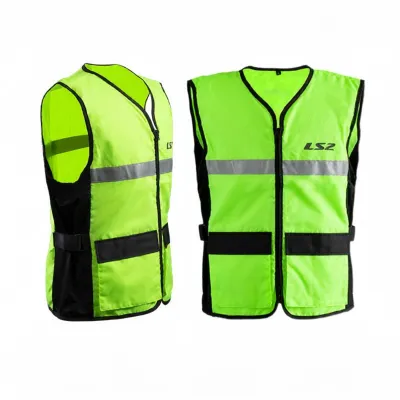
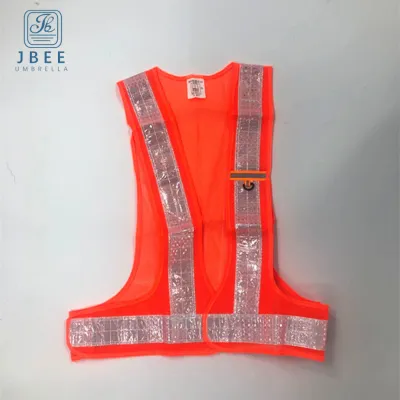
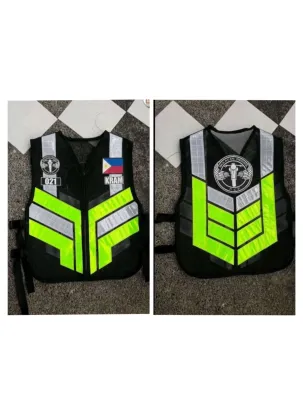
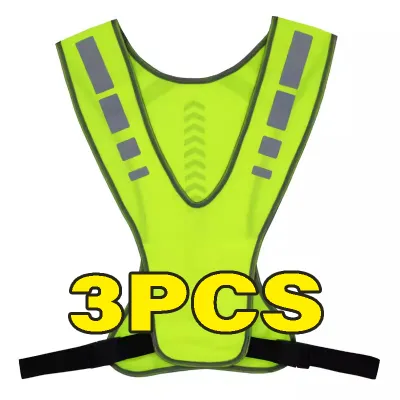
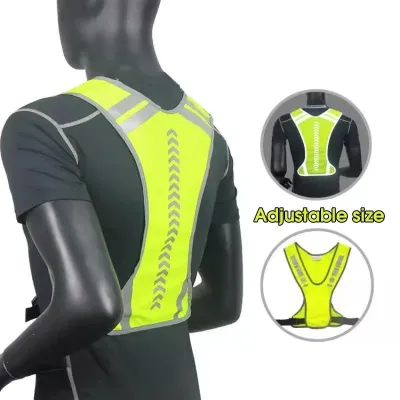
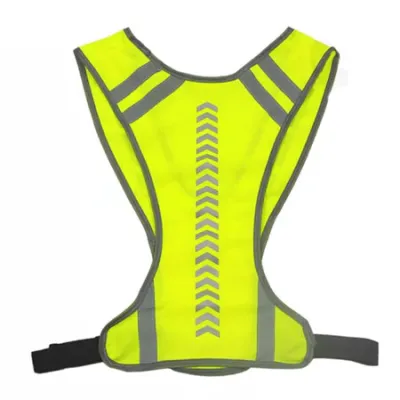
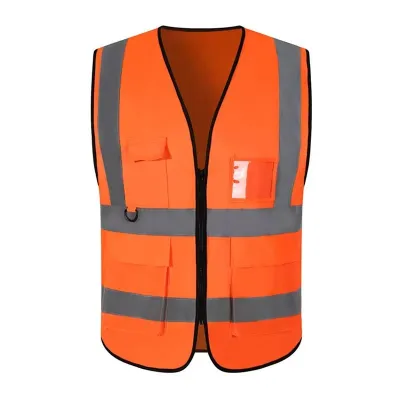
Prices are valid at publication and may change. Please refer to the product page for the latest price.
Furthermore, tropical weather is notoriously unpredictable, often transitioning from scorching midday heat to sudden, torrential downpours within minutes. Your chosen vest must be adaptable enough to handle these rapid shifts. While a highly breathable mesh vest is perfect for dry, humid afternoons, pairing it with a compact, windproof, or waterproof layer that can be quickly worn over or under the vest ensures you remain comfortable when the weather suddenly turns.
Selecting Armor and Impact Protection for Hot Weather
Ventilation should never come at the expense of impact protection, which is why verifying the quality and certification of the armor inserts is critical. Look for a motorcycle rider vest equipped with CE-certified armor, specifically CE Level 1 or Level 2, at the back and chest areas. These ratings indicate that the protectors have undergone standardized testing to measure their shock-absorption capabilities. Level 2 armor offers higher impact protection but is often slightly thicker, so you must weigh your personal risk tolerance against your comfort requirements.

Traditional solid foam or plastic armor pads act as heat shields, trapping sweat and hot air directly against your body. To combat this, modern gear manufacturers utilize perforated or open-cell geometric structures, such as lattice or honeycomb designs. These ventilated armor inserts allow air to flow directly through the protector itself, significantly reducing hot spots along your spine and chest. When shopping, remove the armor from its pockets to inspect its design, looking for visible ventilation channels and lightweight, flexible materials that conform to your body shape.
Additionally, the design of the armor pockets inside the vest plays a vital role in overall breathability. High-quality vests feature pockets made from lightweight, wide-weave mesh rather than solid textile fabrics. This ensures that even if you install highly ventilated armor, the pocket material itself does not block the incoming airflow. Always check that the armor fits snugly within these pockets so that the protective elements remain correctly positioned over your vital areas during a ride.
Evaluating Outer Shell Materials for Airflow and Abrasion Resistance
The outer shell of your motorcycle rider vest is your primary defense against road rash, making material selection a critical safety decision. Many cheap vests use standard polyester or nylon fabrics that look like mesh but lack the tensile strength to withstand a slide on asphalt. Genuine motorcycle gear utilizes heavy-duty, high-denier polyester mesh (typically 600D or higher) or specialized polyamide weaves. These materials are engineered to resist tearing and melting under the extreme friction generated during a fall.
To achieve the ideal balance of safety and cooling, look for a vest that employs a hybrid construction. This design places high-airflow mesh panels across the chest and back where cooling is most needed, while reinforcing high-impact zones with solid, abrasion-resistant textile overlays. On a vest, these critical reinforcement zones typically include the shoulders and the central spine area. By concentrating the heavy, abrasion-resistant fabrics only where they are most likely to contact the ground, the vest remains lightweight and highly breathable.
When evaluating a vest, closely inspect the density and feel of the mesh panels. High-quality protective mesh should feel stiff and substantial to the touch, not soft or flimsy like casual wear. Avoid any vest that does not explicitly state the denier rating or material composition of its outer shell. Investing in a vest made from verified, abrasion-resistant materials ensures that the garment will hold together when you need it most, rather than disintegrating upon contact with the road.
Design Features That Maximize Ventilation in Traffic
When you are stuck in stationary traffic under the midday sun, passive ventilation is not enough; you need design features that actively promote airflow. Look for a vest with large, strategically placed intake vents on the chest that capture even the slightest movement of air. These intakes should be paired with corresponding exhaust vents or a fully open mesh back panel. This configuration creates a low-pressure pull that draws cool air in through the front and expels hot, humid air out through the back, preventing heat from becoming trapped around your torso.
The inner lining of the vest is another critical component that directly affects your comfort and temperature regulation. A high-quality vest should feature a moisture-wicking, antimicrobial mesh lining. This lining works by pulling sweat away from your skin and dispersing it across a larger surface area, facilitating rapid evaporation. This process not only keeps you feeling drier but also utilizes your body’s natural evaporative cooling mechanism to lower your temperature.
Furthermore, the physical fit and adjustability of the vest influence how air circulates around your body. Vests equipped with adjustable side straps, expansion gussets, or stretch panels allow you to fine-tune the fit. A fit that is too tight compresses the air gap between your skin and the vest, preventing effective circulation and causing rapid heat buildup. Conversely, a fit that is too loose allows the vest to shift, which can misalign the armor. Adjustable features let you find the perfect middle ground: secure enough to keep the armor in place, yet loose enough to allow air to circulate freely.
Ensuring Proper Fit and Layering for Tropical Conditions
Achieving the correct fit is essential for both safety and comfort, especially when managing the high humidity of tropical climates. When trying on a motorcycle rider vest, always test it while wearing the typical base layer you plan to use on your rides. A high-performance, moisture-wicking synthetic base layer is highly recommended, as cotton shirts tend to absorb sweat, become heavy, and cling to your skin, blocking airflow and causing chafing.
During your fit test, pay close attention to how the vest behaves when you assume your typical riding position. Use the adjustable straps at the waist and torso to secure the vest snugly against your body. This adjustment is crucial; if the vest is too loose, the wind will catch the shoulders and cause the garment to flap violently at highway speeds, which is distracting and physically tiring. More importantly, a secure fit ensures that the back protector and chest armor will not shift away from your vital organs during an impact.
Finally, always plan for the sudden weather changes characteristic of tropical environments. A highly ventilated mesh vest offers zero water resistance, meaning a sudden downpour will leave you soaked. To manage this without carrying bulky gear, keep a lightweight, packable windproof or waterproof outer jacket stored in your motorcycle’s compartment. This allows you to quickly layer over your ventilated vest when it rains, keeping you dry and preventing wind chill, and then easily pack it away once the sun returns.
Maintaining Your Gear Against Sweat and Humidity
The combination of intense tropical heat, sweat, road grime, and high humidity creates a breeding ground for bacteria, mold, and mildew, which can quickly degrade your gear. To extend the lifespan of your motorcycle rider vest, establish a regular cleaning routine based on the manufacturer’s care instructions. Most high-quality vests feature removable armor inserts; always remove these protectors before washing the vest shell. Hand washing the outer shell with a mild, non-detergent soap is generally the safest method to preserve the integrity of the technical fabrics and coatings.
After washing, or after a particularly sweaty ride, never leave your vest crumpled in a gear bag or stored in a dark, unventilated closet. Hang the vest on a wide, heavy-duty hanger in a shaded, well-ventilated indoor area to air-dry completely. Direct sunlight can cause UV damage to synthetic fibers over time, weakening the abrasion-resistant properties of the outer shell, so outdoor drying should be done with caution. Ensuring the vest is completely dry before storage is the most effective way to prevent the growth of odor-causing mold and mildew.
Lastly, perform regular inspections of the vest’s hardware and structural components. Sweat contains salt, which can corrode metal zippers and degrade the adhesive properties of velcro fasteners over time. Check the stitching along high-stress seams, such as the shoulders and armor pockets, for any signs of fraying or loosening. If you notice damaged zippers, worn-out velcro, or compromised stitching, have them repaired by a professional or replace the vest immediately to ensure your safety on the road is never compromised.
Frequently Asked Questions (FAQ)
Is a mesh motorcycle rider vest safe enough for highway riding?
Yes, a high-quality mesh motorcycle rider vest can be safe for highway riding, provided it is specifically engineered for motorcycle use. The key is to look for a vest that combines high-airflow mesh panels with heavy-duty, abrasion-resistant textile overlays (such as 600D polyester or nylon) at critical impact zones like the shoulders and spine. While the mesh panels allow for necessary cooling at high speeds, the reinforced textile sections provide the essential slide protection required on asphalt. Always ensure the vest includes certified CE Level 1 or Level 2 armor to absorb impact forces, as mesh fabric alone offers no impact protection.
Should I wear a full jacket instead of a vest in the Philippines?
The choice between a full riding jacket and a vest depends on your specific route, speed, and personal comfort. A full jacket offers superior safety because it provides continuous abrasion and impact protection for your arms and elbows, which are highly vulnerable during a fall. However, in extreme tropical heat and slow city traffic, a full jacket can lead to severe overheating and dehydration. A motorcycle rider vest is a highly effective alternative for urban commuting, offering core protection while maximizing cooling. For highway trips or higher-speed rides, you can pair a protective vest with separate, armored compression sleeves to achieve a balance of full-arm protection and superior ventilation.
Community discussion
Share your experience or ask a question. Comments are reviewed before publication.