
Finding a pink half-face helmet that balances personal style with robust road protection requires looking beyond aesthetics. In the Philippines, where daily riding involves navigating dense urban traffic, sudden tropical downpours, and intense heat, your helmet is your most critical safety gear. A half-face design offers the advantages of lightweight comfort, excellent peripheral vision, and easy ventilation, making it a highly popular choice for daily commuters.
While the striking pink finish might draw your eye first, your buying decision should always start with structural integrity and legal compliance. Fortunately, the local market offers a wide variety of options across different price ranges, allowing you to find a certified helmet that fits your budget. By understanding what features to prioritize at each price point and how to verify legitimate safety standards, you can ride confidently and stylishly on Philippine roads.
Verifying Safety Certifications Before Choosing a Color
Before you fall in love with a specific shade of pink, you must verify that the helmet is legally compliant and structurally sound. In the Philippines, all motorcycle helmets used on public roads must bear official compliance marks. Look for the Import Commodity Clearance (ICC) sticker or the Philippine Standard (PS) mark, which are issued by the Department of Trade and Industry (DTI). These stickers prove that the helmet model has undergone rigorous testing for impact resistance, penetration limits, and chin strap strength.
Products mentioned in this guide
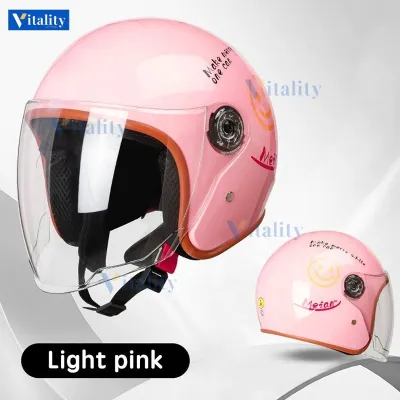
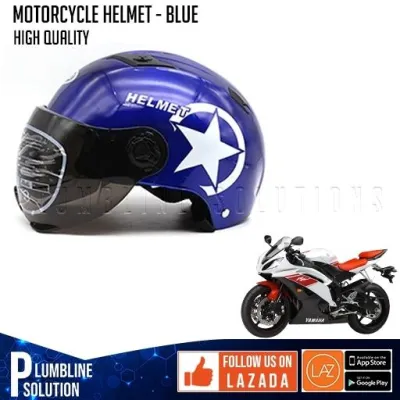
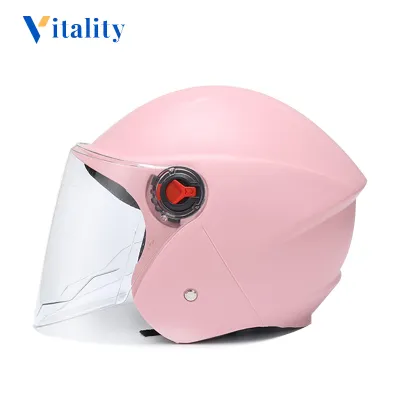
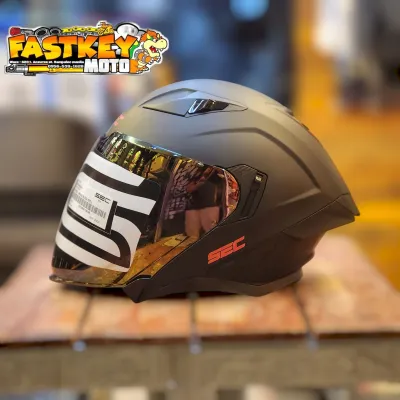
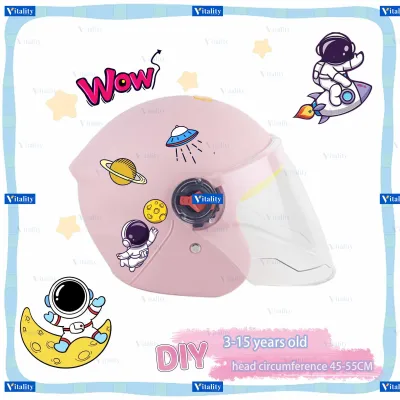
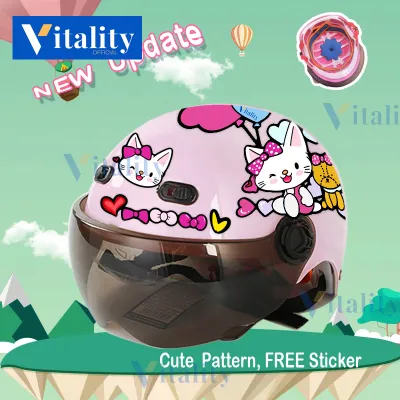
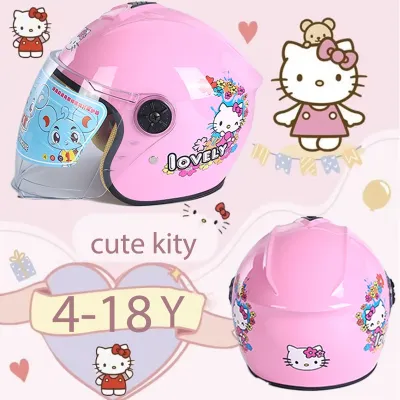
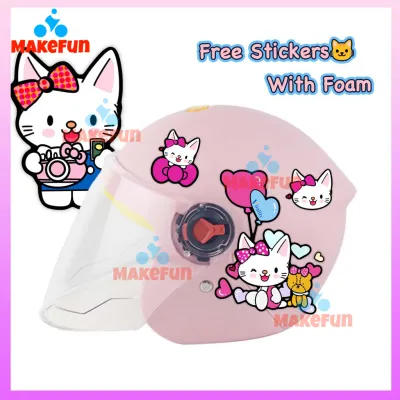
Prices are valid at publication and may change. Please refer to the product page for the latest price.
In addition to local certifications, reputable international standards provide extra peace of mind. Look for markings such as DOT (Department of Transportation, US) or ECE (Economic Commission for Europe, specifically ECE 22.05 or ECE 22.06) on the back of the shell. These benchmarks ensure the helmet can absorb significant impact energy during a collision, protecting your brain from severe trauma.
Never purchase cheap “novelty” or costume helmets, even if they feature the exact pastel or neon pink shade you desire. These uncertified helmets typically lack an Expanded Polystyrene (EPS) foam liner—the crucial shock-absorbing layer that sits beneath the outer plastic shell. Without a proper EPS liner, a helmet acts as little more than a plastic cap, offering virtually zero protection during a fall.
To protect yourself from counterfeit gear, inspect the physical stickers and inner labels carefully. Genuine ICC stickers feature holographic elements and unique serial numbers that are difficult to replicate. Counterfeit marks are highly prevalent on unverified online listings, so it is always safest to purchase your gear from authorized physical dealers or official brand flagship stores on online marketplaces.
What to Expect Across Different Helmet Budget Tiers
Helmets are generally grouped into distinct price tiers based on their shell materials, manufacturing processes, and comfort features. Understanding these tiers helps you manage your expectations and identify where your money is actually going.

Entry-Level and Budget Options
Typically priced under ₱1,500, entry-level pink half-face helmets focus on providing basic, legally compliant protection. At this price point, the outer shell is almost universally made from standard injection-molded ABS (Acrylonitrile Butadiene Styrene) plastic. While ABS is highly impact-resistant, it tends to be heavier than advanced composites, which can lead to mild neck fatigue during long, gridlocked commutes.
The pink finish on budget helmets is usually a standard paint layer or a large decal applied over a base shell. Because these finishes rarely have thick protective clear coats, they are highly susceptible to chipping, scratching, and fading if exposed to harsh sunlight or abrasive cleaning cloths. Additionally, the inner comfort padding at this tier is often fixed or non-removable, meaning you will need to rely on fabric deodorizing sprays rather than deep-washing the liner to maintain hygiene.
Mid-Range Choices
Priced between ₱1,500 and ₱4,000, mid-range helmets offer the most balanced combination of comfort, durability, and daily usability for the average commuter. In this tier, manufacturers utilize high-grade polycarbonate or advanced ABS blends that reduce overall weight without sacrificing structural strength. You will also find multi-density EPS liners that are engineered to absorb varying levels of impact energy.
The pink exterior on mid-range options is significantly more durable, often utilizing automotive-grade paints and UV-cured clear coats that resist yellowing and peeling under the intense Philippine sun. Inside, these helmets feature fully removable, washable comfort liners made from moisture-wicking fabrics. Other common upgrades in this tier include integrated drop-down inner sun visors (dual-visor systems) and secure, easy-to-use micro-metric quick-release chin straps.
Premium and High-End Selections
For riders willing to invest ₱4,000 or more, premium half-face helmets deliver superior lightweight performance, advanced materials, and refined aerodynamics. These shells are often constructed from fiberglass composites, carbon fiber, or proprietary multi-fiber weaves. These materials are exceptionally strong yet remarkably light, drastically reducing physical strain during extended riding sessions.
The interior of a premium helmet is lined with high-end, anti-bacterial, and hypoallergenic fabrics that actively pull sweat away from your skin. Visors in this category feature optical-grade clarity to prevent distortion, robust scratch-resistant coatings, and pre-installed mounting pins for Pinlock anti-fog inserts. The pink graphics on premium models are typically applied using intricate, high-precision decals protected by multiple layers of high-gloss or matte clear coats that resist chemical degradation and physical wear.
Selecting Features for Tropical and Humid Riding Conditions
Riding in the Philippines presents unique environmental challenges, from sweltering afternoon heat to sudden monsoon downpours. When choosing your pink half-face helmet, look for specific design features that address these tropical conditions.
- Ventilation Channels: Look for a helmet with adjustable top intake vents and rear exhaust vents. Effective ventilation relies on the Venturi effect, pulling cool air in through the front and drawing hot, humid air out through the back. This continuous airflow is essential for reducing sweat buildup and keeping your head cool during slow-moving city traffic.
- Visor Clarity and Anti-Fog Protection: High humidity and heavy rain cause visors to fog up rapidly due to the temperature difference between the inside and outside of the shield. A foggy visor severely compromises your road vision. Prioritize helmets with visors that are treated with anti-fog coatings or those that are Pinlock-ready, allowing you to install a dual-pane insert that prevents condensation entirely.
- Weight and Balance: A poorly balanced helmet feels much heavier than its actual weight. Look for aerodynamic shell shapes that minimize wind drag and distribute weight evenly across your head. Keeping the helmet weight low (ideally under 1,300 grams for a half-face model) prevents neck strain and shoulder fatigue during long, daily rides.
- Removable and Washable Liners: Sweat, hair oils, and road dust quickly accumulate inside your helmet, creating a breeding ground for bacteria and unpleasant odors. Ensure the helmet you select has fully removable cheek pads and crown liners. Being able to wash these components regularly is vital for preventing skin irritation and maintaining a fresh riding experience.
Checking Hidden Costs and Seller Reliability Before Checkout
When buying a helmet online or from a local dealer, the sticker price is not always the final cost. To ensure a smooth purchase and avoid costly mistakes, keep a practical checklist in mind before completing your transaction.
First, factor in shipping fees when purchasing from online marketplaces. Helmets are bulky items that require large, protective boxes to prevent damage during transit. Because of this volumetric size, shipping fees can be surprisingly high, especially if the seller is shipping from Metro Manila to provinces in the Visayas or Mindanao. Always check the total calculated shipping cost at checkout.
Second, carefully review the seller’s return and exchange policy. Proper helmet fitment is a critical safety boundary; a helmet must fit snugly around your cheeks and temple without creating painful pressure points. If you order a medium and find it is too loose or too tight, you must be able to exchange it easily. Verify whether the seller allows size exchanges and who covers the return shipping costs.
Third, be highly suspicious of listings offering premium, well-known brands at fraction-of-the-cost prices. If a helmet that normally retails for ₱5,000 is listed for ₱800, it is almost certainly a counterfeit product. These fake helmets use cheap, brittle plastics and low-grade foam that will shatter upon impact, offering no real protection in an accident.
Finally, check what accessories are included in the box. Some manufacturers package their helmets with a high-quality protective cloth bag, a spare clear or tinted visor, or reflective safety stickers. If these items are not included, you may need to purchase them separately, which increases your overall investment. Always read the product description carefully to see exactly what comes with your purchase.
Frequently Asked Questions (FAQ)
How can I prevent the pink finish from fading under the sun?
To preserve the vibrant pink color of your helmet, always park your motorcycle in shaded areas or cover your helmet with a UV-blocking helmet bag when it is not in use. Prolonged exposure to direct ultraviolet radiation will gradually break down the paint pigments, causing bright pinks to fade or turn yellow.
For cleaning, refer to your helmet manufacturer’s instructions. Generally, you should wash the outer shell using a soft microfiber cloth and mild, diluted hand soap. Avoid using harsh household detergents, dishwashing liquids, glass cleaners, or petroleum-based solvents, as these chemicals can strip away the protective clear coat and degrade the underlying polycarbonate or ABS shell. If authorized by the manufacturer’s care guidelines, you can apply a gentle, non-abrasive automotive wax formulated for plastics to provide an extra layer of UV protection.
Are half-face helmets safe enough for daily city commuting?
Certified half-face helmets provide excellent protection for the top, sides, and back of your head, making them legally compliant and highly practical for low-speed city commuting. Their open design improves peripheral vision and keeps you cooler in slow, congested traffic. However, they do leave your jaw, chin, and lower face completely exposed to direct impacts and flying road debris.
For daily city riding, ensure your chin strap is always securely fastened with no more than two fingers of clearance underneath. If your daily route involves high-speed highways, bypasses, or expressways where traffic moves much faster, you should strongly consider upgrading to a full-face or modular helmet. A full-face helmet provides comprehensive facial protection, which is crucial for high-velocity impacts.
Community discussion
Share your experience or ask a question. Comments are reviewed before publication.