
To restore heavily faded, chalky, or severely sun-damaged exterior car trim in the Philippines, a ceramic-based trim restorer or a dedicated plastic trim dye is the most effective and long-lasting solution. While temporary silicone dressings wash away after a single heavy downpour and polymer sealants struggle to bond with deeply degraded surfaces, ceramic coatings (SiO2) and specialized dyes physically penetrate or chemically bond with the porous plastic. This creates a semi-permanent barrier that can withstand intense tropical UV rays, high humidity, and torrential monsoon rains. Selecting the right product requires matching the chemical formulation of the restorer to the specific level of degradation of your vehicle’s plastic components.
Exterior automotive plastics are constantly subjected to harsh environmental stressors that accelerate degradation. In tropical climates, the combination of extreme heat and ultraviolet radiation breaks down the polymer chains within the plastic, leading to a loss of plasticizers and resulting in a dry, brittle, and faded appearance. Understanding how these materials degrade and how different restorers interact with them is the first step toward achieving a successful, long-lasting restoration.
Understanding Trim Fade and Restorer Formulations
Automotive exterior trim is typically made from thermoplastic olefins (TPO), polypropylene (PP), or acrylonitrile butadiene styrene (ABS). These materials are chosen for their durability, impact resistance, and flexibility. However, they are inherently susceptible to environmental weathering. When exposed to the sun, ultraviolet (UV) radiation initiates a chemical process known as photo-oxidation. This process breaks the chemical bonds within the plastic, causing the essential oils and plasticizers to migrate to the surface and evaporate.
Products mentioned in this guide
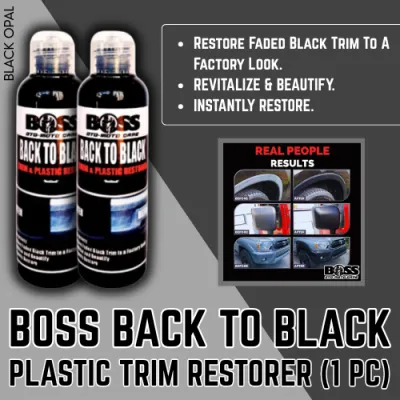
722 Lazada user ratings
Gandaaaa! Galeeeeng! Nabuhay ulit ang kulay ng black plastic trims ng sasakyan ko. Mas malinis atsaka fresh tingnan. Sulit na sulit sya sa p…Read full reviewShow less
Gandaaaa! Galeeeeng! Nabuhay ulit ang kulay ng black plastic trims ng sasakyan ko. Mas malinis atsaka fresh tingnan. Sulit na sulit sya sa presyo! Good product! Recommended.
3rd order ko na nitoooo. Sa isang bote madami ka na malalagyan. Sobrang legit nya, promiseee. Nakakashine and glow ng nagpifade ng motor mo.
Effective... Legit... Easy to apply... Fast drying formula... Long lasting... Does not require re-applying... Thanks po.
Restores deep black finish, Professional grade quality, Restores deep black finish, Revitalizes faded plastic trims,
59 Lazada user ratings
nabudol ako nito kasi maganda daw gamitin pero legit naman na maganda talaga siya gamitin
Ayos na ayos sa swelas ng sapatos na white👌👍😁
as advertised fast delivery legit
legit item, very good,very useful
Easy to apply,
124 Lazada user ratings
the product and quality is good
thank you for fast delvery
peke Yan Hindi Naman itim
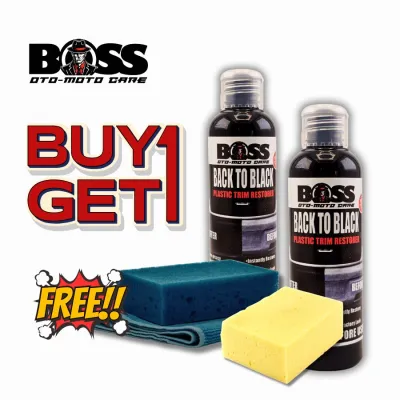
14,554 Lazada user ratings
Happy with my purchase! All items are complete and each boxes are not dented. Thank you for shipping it fast. Will order again from this sho…Read full reviewShow less
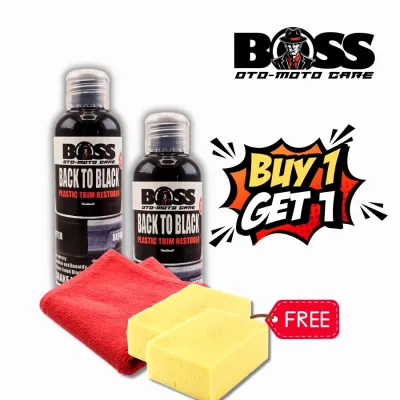
Happy with my purchase! All items are complete and each boxes are not dented. Thank you for shipping it fast. Will order again from this shop. Satisfied buyer here very satisfiedEnhances vehicle appearance, Includes microfiber towel and sponge,
👌Ease of Use:ok nman syang gamitin. magiging black lahat ng mapahiran. kaya kilangan lang ingat na sa pag lalagay. kc para syang pintura. hi…Read full reviewShow less
👌Ease of Use:ok nman syang gamitin. magiging black lahat ng mapahiran. kaya kilangan lang ingat na sa pag lalagay. kc para syang pintura. hindi nga lang sya glossy pag ipinahid. matte black pag natuyo.
👌Ease of Use:Ease of Use:very easy to use 👌Ease of Use:very easy to use 🔨Durability:very durable 🏅Material Quality:good Safety:good Saves ti…Read full reviewShow less
👌Ease of Use:Ease of Use:very easy to use 👌Ease of Use:very easy to use 🔨Durability:very durable 🏅Material Quality:good Safety:good Saves time and effort in food preparation,
Includes microfiber towel and sponge, enhances vehicle appearance, revives dull plastic parts, durable barrier for long lasting shine.
The product gives a finished, cleaned and new look..... Tanggal ang mga bakat ng kamay sa loob ng kotse. Thanks!
8,381 Lazada user ratings
🛠️Durability:10/10 👌Ease of Use:10/10 🖌️Ease of Application:10/10 my order was secured in bubble wrapped packaging, seller packed immediately …Read full reviewShow less
🛠️Durability:10/10 👌Ease of Use:10/10 🖌️Ease of Application:10/10 my order was secured in bubble wrapped packaging, seller packed immediately and fast delivery, not yet tested with Boss back to black application but looks this really good with sponge, plastic gloves and fiber cloth, appreciate good for most black plastics again, thanks seller!
👌Ease of Use:easy to use basta ipantay lang ang pag applyRestores plastic like new, 🖌️Ease of Application:madaling iapply at kapit agad.. Enh…Read full reviewShow less
👌Ease of Use:easy to use basta ipantay lang ang pag applyRestores plastic like new, 🖌️Ease of Application:madaling iapply at kapit agad.. Enhances the overall appearance.. Complete ang dumating at walang damage.. Thanks seller at kay kuyang nagdeliver
Restores plastic like new. Long-lasting results. Brings back the original color. Removes dirt and oxidation easily. Great value for money. E…Read full reviewShow less
Restores plastic like new. Long-lasting results. Brings back the original color. Removes dirt and oxidation easily. Great value for money. Easy to use. Convenient liquid paint format.
Removes dirt and oxidation easily, Enhances the overall appearance,
2,486 Lazada user ratings
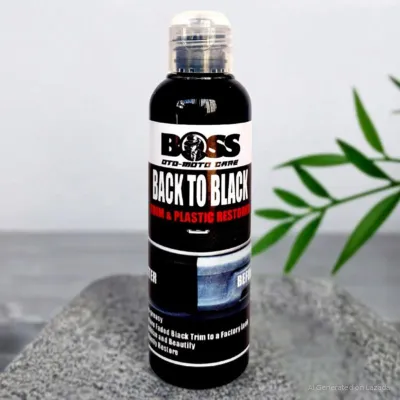
Revives old motorcycle fairings, Quick-drying formula, Quick-drying formula, Deep color penetration, Ideal for classic car owners, Recommend…Read full reviewShow less
Revives old motorcycle fairings, Quick-drying formula, Quick-drying formula, Deep color penetration, Ideal for classic car owners, Recommended
Ideal for classic car owners, Deep color penetration, Durable protective layer, Ganda siya ipahid din sa black shoes ko
ang ganda ng item na ito. literal na nack to black. mukhang bago na ulet motor namin black na black na ulet.
ok naman nung dumating..secured yung items..di pa nagagamit di pa kasi naglilinis ng motor hehehe..
123 Lazada user ratings
🛠️Durability:salamat seller sa safety and tama po yung order sana bigyan pa kayu nang maraming blessing dn what u see what u get sa item dn k…Read full reviewShow less
🛠️Durability:salamat seller sa safety and tama po yung order sana bigyan pa kayu nang maraming blessing dn what u see what u get sa item dn kay kuya rider salamat po .hindi na natagalan pag deliver
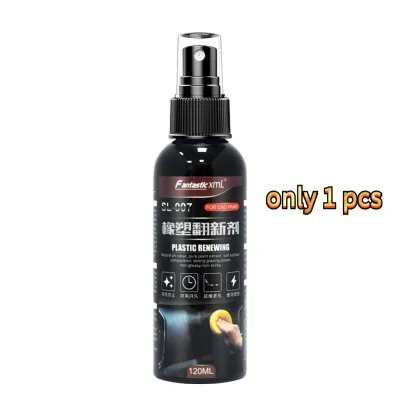
Restores black color, Water-based formula, Environmentally safe, Easy to apply, 👌Ease of Use:easy to spray directly to the fairings and wipe
Hindi ko pa nagagamit, hope effective at matibay Salamat po kay Seller at kay ate na nag deliver TYVM PO...!!
Water-based formula, Easy to apply, Easy to apply, Long shelf life,
this seller is a scammer! you gave me fake items🖕
376 Lazada user ratings
🛠️Durability: sana 👌Ease of Use: yes 🖌️Ease of Application: very yes 🔒Safety: medyo may amoy or amoy lang ng leather sat ko 🛡️Protection: ayos …Read full reviewShow less
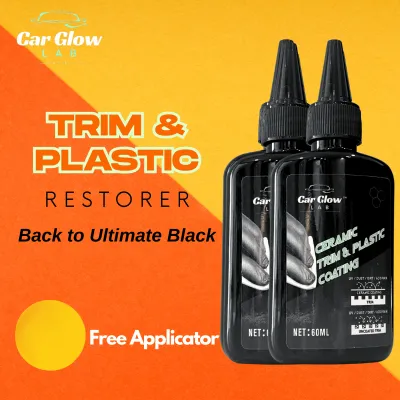
🛠️Durability: sana 👌Ease of Use: yes 🖌️Ease of Application: very yes 🔒Safety: medyo may amoy or amoy lang ng leather sat ko 🛡️Protection: ayos namanResists road salts and rain, sana maayos sy para bili ulit ako nto
basura lng..scamm
Prices are valid at publication and may change. Please refer to the product page for the latest price.
As these vital components are lost, the plastic surface develops microscopic cracks, fissures, and pores. This structural damage alters how light reflects off the surface. Instead of a deep, uniform black or dark gray, the damaged, uneven surface scatters light in all directions, making the trim appear dull, gray, or even chalky white. At this stage, the degradation is not merely a surface layer of dirt or mild oxidation; it is a deep structural breakdown of the polymer matrix itself.
Different trim restorers address this degradation through distinct chemical mechanisms. Temporary dressings rely on heavy oils or silicones to fill the microscopic pores on the surface. This temporarily restores the refractive index of the plastic, making it look dark and shiny again. However, because these ingredients do not chemically bond to the plastic, they remain highly vulnerable to environmental factors. Rain, car washes, and high humidity quickly strip these oils away, leaving the trim looking faded once more.
More advanced formulations, such as polymer sealants and ceramic coatings, use reactive chemistry to establish a more permanent bond. Polymer sealants utilize synthetic resins that cross-link over the surface, creating a protective film that blocks moisture and UV rays. Ceramic coatings take this a step further by utilizing silicon dioxide (SiO2) or silicon carbide (SiC) nanoparticles. These particles are small enough to penetrate deep into the microscopic pores of the plastic, where they cure and form a hard, glass-like barrier that is chemically bonded to the substrate.
In the Philippines, the local climate presents a unique challenge for automotive trim preservation. The high UV index experienced throughout the year accelerates photo-oxidation, while the sudden transition to heavy monsoon rains can subject hot plastic surfaces to rapid thermal shock. This rapid cooling and heating cycle causes the plastic to expand and contract, which can easily crack or peel low-quality coatings. Therefore, a robust formulation that offers both high UV resistance and excellent flexibility is essential for long-term durability.
Condition-Based Guide to Plastic Trim Restorers
Selecting the ideal plastic trim restorer requires a careful assessment of your vehicle’s current trim condition. Applying a heavy-duty ceramic coating to mildly faded trim is often unnecessary and costly, while applying a basic silicone dressing to severely oxidized, chalky white plastic is a waste of time and effort. By categorizing the level of fade and matching it to the appropriate chemical formulation, you can achieve the best possible results with minimal effort.

The selection process can be simplified by dividing restorers into three primary categories: silicone and oil-based dressings, polymer and acrylic sealants, and ceramic coatings or trim paints. Each category has a specific threshold of effectiveness, application complexity, and longevity. Understanding these distinctions allows you to make an informed decision based on the actual state of your vehicle’s exterior plastics.
When evaluating products, always examine the product label for specific technology claims. Look for terms such as “UV inhibitors,” “cross-linking polymers,” “SiO2 technology,” or “penetrating dyes.” These terms indicate the active ingredients and chemical mechanisms utilized by the product, helping you verify whether the restorer is designed for temporary cosmetic enhancement or long-term structural restoration.
Silicone and Oil-Based Dressings for Mild Fading
Silicone and oil-based dressings are the most common and widely available trim care products on the market. These formulations are typically liquid or gel-like suspensions containing silicone emulsions, mineral oils, or natural lipids. They are designed for quick, effortless application, making them a popular choice for routine car maintenance and detailing enthusiasts who wash their vehicles frequently.
These dressings work by flooding the dry, porous surface of the plastic with oils. The oils fill the microscopic voids caused by mild weathering, instantly darkening the plastic and giving it a rich, wet look. This process is purely physical; the oils sit on top of and within the surface pores without forming any chemical bonds. This makes the application process highly forgiving, as any excess product can be easily wiped away with a clean microfiber towel.
However, the lack of chemical bonding is also the primary limitation of silicone and oil-based dressings. Because the oils remain free-flowing, they are easily dissolved and washed away by water, road spray, and automotive soaps. In a tropical climate characterized by sudden, heavy downpours, a silicone dressing may only last a few days or weeks before the trim returns to its faded state. Furthermore, these oily surfaces tend to attract road dust and airborne grime, which can create a greasy, dirty film over time.
Consequently, silicone and oil-based dressings are best reserved for vehicles with very mild fading or as a preventative maintenance step on relatively new trim. If your plastic components have only lost a small amount of their original luster and still retain their base color, a high-quality silicone dressing can provide a quick cosmetic boost. However, for heavily faded, gray, or chalky trim, these products will not provide a lasting solution.
Polymer and Acrylic Sealants for Moderate Oxidation
For trim that has progressed beyond mild dullness to noticeable graying and moderate oxidation, polymer and acrylic sealants offer a more durable and robust solution. These products contain synthetic polymers, acrylic resins, or copolymer blends that are suspended in a solvent or water-based carrier. Unlike simple dressings, these sealants are designed to cure and form a solid, protective film over the plastic surface.
When applied to moderately faded trim, the polymers flow into the surface imperfections and begin to cross-link as the carrier solvent evaporates. This cross-linking process creates a continuous, flexible, and water-resistant barrier that is physically anchored to the plastic substrate. Many of these formulations also incorporate advanced UV absorbers and blockers, which intercept harmful radiation before it can reach the underlying plastic fibers.
The primary advantage of polymer and acrylic sealants is their significantly increased longevity compared to oil-based dressings. A single application can often withstand multiple washes and several months of exposure to sun and rain. They dry dry-to-the-touch, meaning they do not attract dust or leave a greasy residue that can run down your vehicle’s paintwork during a rainstorm.
However, the application of polymer sealants requires a higher level of care and preparation. Because these products cure to form a hard film, any dirt, oil, or old dressing left on the plastic will be trapped underneath, preventing the sealant from bonding properly and leading to premature peeling or streaking. Additionally, if applied unevenly on highly textured plastics, polymer sealants can dry with a patchy, inconsistent finish that is difficult to level out once cured.
Ceramic Coatings and Trim Paints for Severe Degradation
When dealing with severely degraded, chalky white, or heavily oxidized plastic trim, standard dressings and sealants are no longer effective. At this stage, the plastic has lost a significant portion of its structural integrity and color. To restore such severely damaged components, you must turn to professional-grade ceramic coatings (SiO2) or dedicated plastic trim paints and dyes.
Ceramic trim coatings utilize liquid silicon dioxide nanoparticles that chemically bond with the plastic substrate at a molecular level. When applied, these nanoparticles penetrate deep into the highly porous, degraded plastic, filling the voids and curing into a semi-permanent, glass-like quartz layer. This layer not only restores the deep, dark color of the plastic by altering its refractive properties but also provides resistance to UV radiation, chemical degradation, and physical abrasion.
For trim that has completely lost its pigment and turned white, a dedicated trim paint or dye may be required before or instead of a ceramic coating. These products contain highly concentrated black or dark gray pigments suspended in a durable binder system. Unlike standard spray paints, automotive trim dyes are formulated to remain flexible and chemically bond with plastic, preventing cracking, chipping, or peeling under extreme temperature fluctuations.
The main drawback of these high-performance solutions is their cost and application complexity. Ceramic coatings and high-quality trim dyes are typically priced in the higher ₱ ranges, reflecting their advanced chemistry and long-term durability. The application process is meticulous, requiring extensive masking of adjacent paint and glass, as accidental contact with these surfaces can cause permanent staining or etching. Furthermore, the curing process often requires several hours of dry, dust-free conditions, which can be challenging to manage without a dedicated garage or covered workspace.
Essential Pre-Purchase and Application Checks
Before purchasing any plastic trim restorer, it is crucial to perform a series of checks to ensure the product is compatible with your vehicle and that you are prepared for the application process. The success of any trim restoration project depends heavily on selecting the correct product and executing thorough surface preparation.
First, carefully read the product label and manufacturer documentation. Verify that the product is explicitly formulated for exterior automotive plastics. Some restorers are designed solely for interior vinyl and dashboard surfaces; these formulations lack the robust UV blockers and water-resistant polymers required to survive the harsh exterior environment. Additionally, check for compatibility with textured versus smooth plastics, as some heavy-duty coatings or dyes may not adhere well to smooth, non-porous surfaces.
Surface preparation is the single most important factor determining the longevity of any trim restorer. Before applying any product, the plastic must be thoroughly cleaned and stripped of all contaminants. Begin by washing the trim with a dedicated, wax-free car shampoo or an all-purpose cleaner to remove surface dirt and road grime. Next, use a soft-bristled brush to scrub the textured areas, lifting embedded dirt from the pores. Finally, wipe the surface down with an isopropyl alcohol (IPA) solution or a dedicated wax and grease remover to strip away any residual oils, waxes, or old silicone dressings.
Safety and protection are also paramount during the application process. Many advanced sealants, ceramic coatings, and dyes contain strong solvents that can irritate the skin and eyes or damage adjacent vehicle surfaces. Always work in a well-ventilated area and wear appropriate personal protective equipment, such as nitrile gloves and safety glasses. Use high-quality automotive masking tape to cover adjacent painted panels, chrome trim, and glass. If a solvent-based restorer accidentally drips onto your vehicle’s clear coat, wipe it off immediately with a clean microfiber towel to prevent etching or staining. If you are dealing with extremely delicate, rare, or severely deteriorated vintage components, it is often wisest to consult a qualified professional detailer before proceeding.
Maintaining Restored Trim in Tropical Climates
Once you have successfully restored your vehicle’s plastic trim, implementing a proper maintenance routine is essential to maximize the lifespan of the protective coating. The harsh tropical climate of the Philippines, with its intense sun and heavy rainfall, will continuously test the limits of any restorer, making proactive care highly beneficial.
Your washing technique plays a critical role in preserving the restored finish. Avoid using harsh, highly alkaline household detergents, dish soaps, or cheap car washes, as these aggressive chemicals can rapidly degrade polymer sealants and ceramic coatings. Instead, opt for pH-neutral automotive shampoos designed to clean gently without stripping protective layers. When washing, avoid directing high-pressure washer nozzles directly at the restored trim from close range, as the intense hydraulic pressure can physically lift or peel the edges of cured coatings and sealants.
Regularly monitor the condition of the restored trim to determine when maintenance or reapplication is required. A key indicator of a healthy, functioning protective layer is water beading. When the trim is clean and wet, water should form tight, round beads and roll off easily. If you notice that water begins to pool or sheet on the surface, or if the deep color starts to show subtle signs of fading, it is time to apply a maintenance spray or a fresh topcoat of your chosen restorer.
Physical protection remains the most effective defense against environmental degradation. Whenever possible, park your vehicle in shaded areas, such as covered garages, carports, or under building structures, to minimize direct exposure to intense midday UV rays. If covered parking is unavailable, consider using a high-quality, breathable car cover that features UV-reflective materials. Additionally, applying a dedicated exterior UV protectant spray during your routine maintenance washes can provide an extra sacrificial layer of defense, absorbing the brunt of the solar radiation and extending the life of the underlying restorer.
Frequently Asked Questions (FAQ)
Can I use household oils like olive oil or baby oil to restore car trim?
No, you should never use household oils like olive oil, baby oil, or cooking oil to restore automotive plastic trim. While these oils will temporarily darken the plastic and make it look shiny, they do not contain the necessary UV inhibitors to protect the material from solar degradation. Furthermore, household oils do not dry or cure; they remain wet and sticky on the surface, which actively attracts road dust, dirt, and airborne contaminants, creating a messy, abrasive grime. These organic oils can also degrade adjacent rubber weatherstripping and seals, causing them to swell, soften, and fail prematurely. In wet weather, household oils will wash off almost immediately, leaving unsightly greasy streaks down your vehicle’s painted panels.
Will a plastic trim restorer damage my car's paint if it drips?
The potential for damage depends entirely on the chemical formulation of the restorer you are using. Water-based silicone dressings and mild polymer sealants are generally safe and will not damage your car’s clear coat if they drip, provided you wipe them off promptly with a clean microfiber towel. However, solvent-based ceramic coatings, permanent trim dyes, and dedicated plastic paints can cause serious damage if allowed to dry on painted surfaces. These products can chemically bond with or etch into the clear coat, leaving permanent stains, dark spots, or uneven patches that may require professional polishing or wet sanding to remove. To prevent this, always use high-quality automotive masking tape to protect adjacent painted panels and glass before application.
How long does a ceramic trim coating actually last?
The actual longevity of a ceramic trim coating depends heavily on several variables, including the thoroughness of the surface preparation, the concentration of active SiO2 ingredients in the product, and the vehicle’s exposure to environmental elements. Under typical conditions in a tropical climate, a properly applied, high-quality ceramic trim coating can last anywhere from several months to over a year. However, if the surface was not meticulously cleaned and stripped of old waxes and oils prior to application, the coating may fail within a few weeks. To get an accurate estimate of durability, always check the manufacturer’s stated lifespan on the product label, and adjust your expectations based on your local weather conditions, parking situation, and washing frequency.
Community discussion
Share your experience or ask a question. Comments are reviewed before publication.