
Finding a reliable motorcycle helmet in the Philippines requires balancing your personal budget with strict safety standards. With thousands of options available online and in physical stores, navigating the market can feel overwhelming. Fortunately, safety does not have to be sacrificed for price. By understanding what features are available at different price points, you can make an informed decision that keeps you both legally compliant and physically protected on the road.
Understanding PS and ICC Safety Certifications
In the Philippines, any helmet used on public roads must bear either a Philippine Standard (PS) mark or an Import Commodity Clearance (ICC) sticker. These certifications are issued by the Bureau of Philippine Standards (BPS) under the Department of Trade and Industry (DTI). The PS mark is typically issued to locally manufactured helmets, while the ICC sticker is affixed to imported helmets that have successfully passed rigorous safety and quality evaluations.
Visually, a genuine ICC sticker features a unique serial number and a holographic security design that reflects light when tilted. The PS mark is often printed directly onto a label inside the helmet or applied as a secure sticker on the outer shell. These marks serve as your primary assurance that the helmet has undergone impact attenuation, penetration, and retention system tests.
Products mentioned in this guide
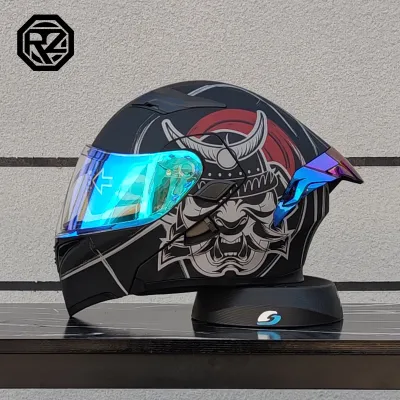
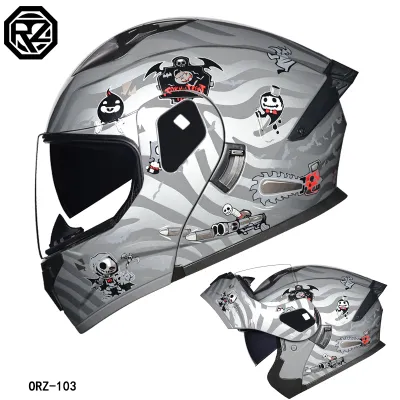
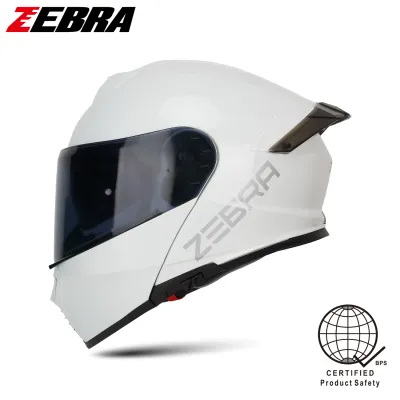
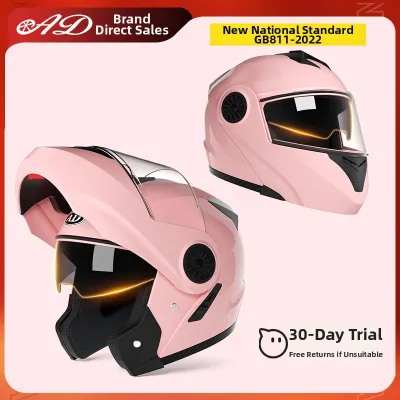
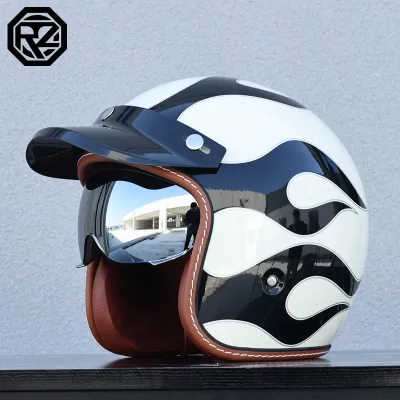
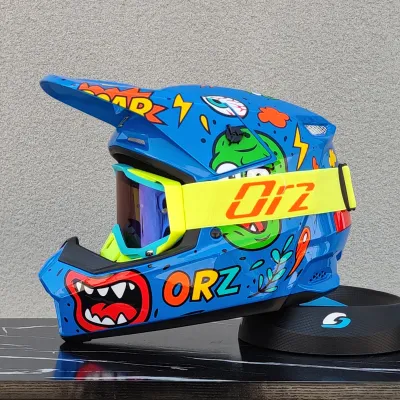
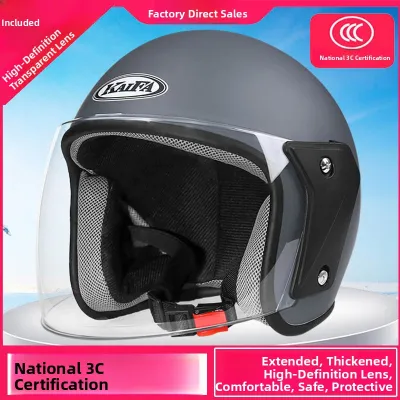
Prices are valid at publication and may change. Please refer to the product page for the latest price.
Choosing an uncertified helmet, often referred to as a decorative headgear, poses severe risks. These substandard products often lack the necessary energy-absorbing liners, meaning even a low-speed fall can result in catastrophic head injuries. Furthermore, riding without a certified helmet violates Republic Act No. 10054, which carries progressive fines and the potential confiscation of your driver’s license.
What to Expect in the Under ₱1,000 Budget Tier
Helmets priced under ₱1,000 represent the absolute entry point of the market. In this bracket, you will primarily find basic open-face or half-face helmets constructed from standard Acrylonitrile Butadiene Styrene (ABS) plastic. While these helmets can obtain legitimate safety certifications, they are designed with minimal features to keep production costs low.

To stay within this budget, manufacturers make several practical trade-offs. These helmets are often noticeably heavier because they use thicker, less advanced plastic shells to meet safety standards. The interior padding is typically thin, non-removable, and wrapped in basic synthetic fabrics that can feel hot and scratchy during long rides in tropical weather. Additionally, ventilation is often non-existent or limited to non-adjustable plastic mesh ports.
If you are shopping in this tier, a thorough physical inspection is critical. Check the outer shell for any visible molding defects, hairline cracks, or soft spots that flex easily under hand pressure. Inspect the chin strap and quick-release plastic buckle to ensure they lock firmly and do not slip when pulled hard. Finally, look through the visor to verify there is no wavy distortion, which can cause headaches and impair your vision during sudden afternoon downpours.
Navigating the ₱1,000 to ₱3,000 Price Range
Moving into the ₱1,000 to ₱3,000 range opens up access to full-face and modular helmets, which offer significantly better facial protection. This tier is highly popular among daily commuters because it strikes a practical balance between affordability and modern safety features. Here, you will find tougher polycarbonate shells and multi-density Expanded Polystyrene (EPS) liners designed to absorb impacts more efficiently.
One of the most significant upgrades in this bracket is the inclusion of removable and washable inner liners. In the hot and humid Philippine climate, sweat and road grime quickly accumulate inside a helmet; being able to wash the cheek pads and crown liner is essential for hygiene and odor control. You can also expect adjustable ventilation ports on the chin and forehead, along with scratch-resistant visors that offer better optical clarity.
However, buyers must exercise caution regarding aesthetic designs versus structural quality. Many budget-friendly brands in this tier attempt to attract buyers with flashy graphics, large aerodynamic spoilers, or integrated drop-down sun visors. While these features are appealing, ensure they do not come at the expense of a solid EPS liner or a robust chin bar. Prioritize a well-constructed, certified full-face helmet over a highly stylized one with flimsy moving parts.
Evaluating the ₱3,000 to ₱5,000 Bracket
The ₱3,000 to ₱5,000 price bracket is where you begin to see entry-level imported brands and premium local offerings. Helmets in this range are engineered for riders who spend hours on the road every day or frequently travel on high-speed provincial highways. The focus shifts from basic protection to enhanced rider comfort, aerodynamic stability, and noise reduction.
Advanced features become standard in this tier. You will find multi-channel ventilation systems that actively draw cool air in and exhaust hot, humid air out of the back of the helmet. Visors are often prepared for anti-fog inserts, such as Pinlock lenses, which prevent the visor from misting up during heavy rain or early morning rides. Retention systems also upgrade to more secure micrometric metal buckles or traditional double D-ring closures.
Aerodynamics play a crucial role at this price point. The shells are shaped to minimize wind resistance, which reduces neck fatigue and prevents the helmet from lifting or buffeting at higher speeds. Improved neck rolls and tighter visor seals also help block out exhausting wind and engine noise. Because sizing and shell shapes vary greatly between manufacturers in this tier, trying the helmet on in person is highly recommended to avoid painful pressure points.
Premium Helmets Above ₱5,000
Helmets priced above ₱5,000 utilize advanced materials and cutting-edge safety technologies. Instead of standard injection-molded plastics, these premium helmets feature shells made from fiberglass composites, carbon fiber, or aramid fiber blends. These materials are incredibly strong yet remarkably lightweight, which drastically reduces the physical strain on your neck during long-distance touring or spirited weekend rides.
Safety features in this premium tier go beyond basic impact absorption. Many models include an Emergency Quick Release System (EQRS), which allows emergency medical personnel to safely remove the cheek pads while the helmet is still on the rider’s head, minimizing neck movement after an accident. You will also find dedicated speaker pockets and routing channels for Bluetooth communication systems, as well as highly sophisticated multi-density EPS liners tailored to protect specific zones of the head.
Investing in a premium helmet is highly justified if you ride daily over long distances, operate a high-displacement motorcycle, or prioritize maximum comfort and safety. The refined aerodynamics, superior optical clarity of the visors, and long-lasting interior materials ensure that the helmet remains comfortable and functional over years of heavy use.
How to Verify Authenticity and Avoid Counterfeits
With the rise of online shopping, counterfeit helmets bearing fake PS or ICC stickers have become a significant safety hazard. When browsing online marketplaces, be highly suspicious of listings that feature stock photos instead of actual product images, or those that omit clear close-ups of the certification stickers. If a premium helmet brand normally retailing for ₱8,000 is listed for ₱1,500, it is almost certainly a dangerous counterfeit.
To protect yourself, always cross-reference the seller’s credentials. Look for official flagship stores or authorized distributors on ecommerce platforms, and check the Bureau of Philippine Standards website for a list of certified helmet brands and importers. If purchasing from a physical shop, ask the staff for their official dealership certificate to ensure you are buying genuine stock.
Once your helmet is delivered, perform a thorough physical inspection before wearing it on the road. A genuine ICC sticker should have a crisp, clear serial number and a high-quality holographic pattern that cannot be easily peeled off in one piece. Examine the overall build quality: look for neat, consistent stitching on the chin straps, a snug-fitting inner liner, and a solid EPS foam layer that does not crumble or feel like cheap packaging styrofoam. Genuine helmets will also arrive in a high-quality branded box with a protective fabric bag and an official user manual.
Frequently Asked Questions (FAQ)
How often should I replace my motorcycle helmet?
A motorcycle helmet should generally be replaced every three to five years of regular use, or seven years from its manufacture date. Over time, the protective EPS liner degrades due to exposure to sweat, hair oils, cosmetics, and extreme tropical heat, which gradually hardens the foam and reduces its ability to absorb impacts. Additionally, you must replace your helmet immediately after any significant impact or drop from a height, even if there is no visible damage on the outer shell. The EPS liner is designed to compress once to absorb impact energy, and it cannot provide the same level of protection in a subsequent accident.
Can I use a tinted visor for night riding in the Philippines?
Using a heavily tinted or mirrored visor for night riding is highly discouraged and often illegal under local traffic safety guidelines due to the severe reduction in visibility. Dark visors block a significant amount of light, making it extremely difficult to spot road hazards such as deep potholes, unlit vehicles, debris, or pedestrians on poorly lit Philippine roads. For optimal safety, you should use a clear visor at night. If you ride frequently during both day and night, consider carrying a spare clear visor, choosing a helmet with an integrated drop-down inner sun shield, or investing in a photochromic visor that automatically adjusts its tint based on ambient light conditions.
Community discussion
Share your experience or ask a question. Comments are reviewed before publication.