
Protecting the radiator of your Yamaha NMAX V1 is essential for maintaining long-term engine health, especially when navigating the diverse and demanding road conditions of the Philippines. From loose gravel on provincial highways to debris kicked up during daily commutes in congested urban areas, the exposed radiator fins are highly vulnerable to physical damage. A well-chosen radiator cover acts as a shield, preventing costly punctures while ensuring your engine receives the necessary airflow to prevent overheating in tropical temperatures.
Selecting the right aftermarket guard requires balancing protection, airflow, and fitment. While the local market offers a wide array of options through online marketplaces and local motorcycle shops, not all covers are created equal. This guide outlines the essential criteria, material trade-offs, and installation safety boundaries to help you make an informed decision for your scooter.
Why Install a Radiator Cover on Your Yamaha NMAX V1?
The primary purpose of an aftermarket radiator cover is to shield the delicate aluminum cooling fins from road debris. The radiator on the Yamaha NMAX V1 is positioned relatively low on the side of the scooter, directly in the path of dirt, stones, and water kicked up by the front tire and passing vehicles. A single sharp pebble traveling at high speed can easily bend the thin cooling fins, restricting airflow, or worse, puncture the coolant tubes, leading to a rapid loss of coolant and subsequent engine failure.
Products mentioned in this guide
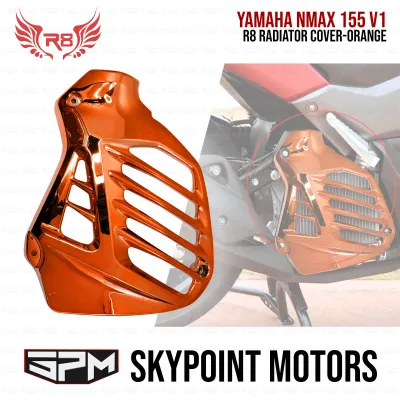
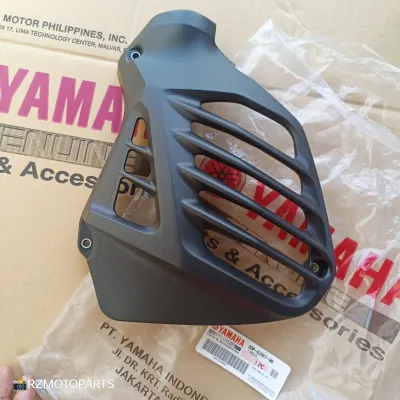
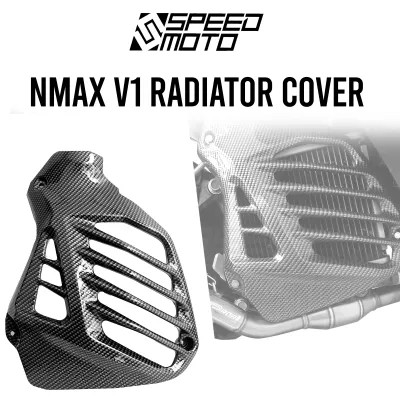
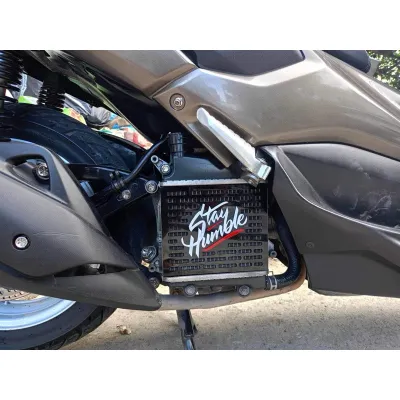
Prices are valid at publication and may change. Please refer to the product page for the latest price.
During the rainy season in the Philippines, roads often become littered with mud, small rocks, and debris washed from unpaved areas. Without a protective guard, mud can accumulate deep within the radiator fins, forming a thick crust that insulates the radiator and severely compromises its heat-dissipation capabilities. Cleaning a clogged radiator without bending the fragile fins is a tedious and difficult task that a protective cover can help you avoid.
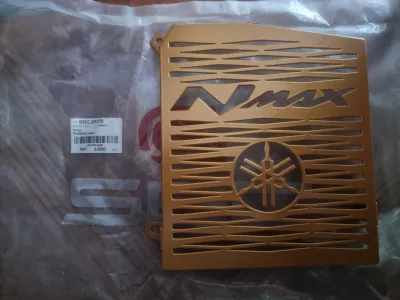
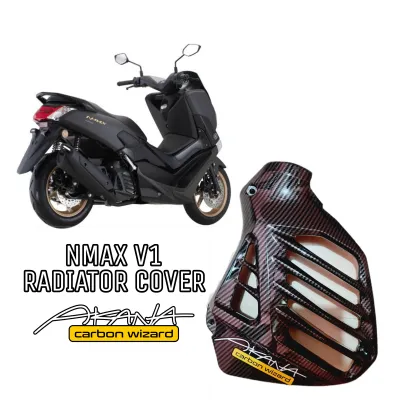
Beyond physical protection, many riders choose to install a radiator cover for aesthetic customization. The factory plastic shroud on the NMAX V1 is functional but plain, and replacing or supplementing it with a stylized metal guard allows riders to personalize their scooter’s appearance. Many aftermarket options feature intricate mesh patterns, anodized colors, or custom logos that complement the sporty design of the scooter.
However, any aesthetic upgrade must not come at the expense of cooling efficiency. The radiator relies on a steady stream of ambient air to lower the temperature of the coolant circulating through the engine. Installing a poorly designed cover that restricts too much airflow can lead to elevated engine temperatures, particularly during prolonged idling in heavy traffic under the intense midday sun. Therefore, understanding how a cover affects cooling performance is crucial before making a purchase.
Key Selection Criteria for NMAX V1 Radiator Guards
When evaluating different radiator cover options on e-commerce platforms or in local shops, the mesh density and pattern should be your primary consideration. The ideal guard features a pattern that blocks harmful debris while maximizing the open area for air passage. Hexagonal, honeycomb, or louvers are popular designs because they offer high structural rigidity while maintaining a large percentage of open space for unrestricted airflow.

If the mesh pattern is too dense or the holes are too small, the guard will act like a solid barrier at higher speeds, creating air turbulence and reducing the volume of air reaching the radiator. Conversely, if the openings are too large, smaller stones and road grit can still pass through and damage the fins. Look for designs that offer a balanced middle ground, featuring a fine mesh in the center where the radiator core is most vulnerable, and slightly larger openings near the edges where structural support is needed.
Mounting mechanisms are another critical factor to analyze before purchasing. High-quality radiator covers are designed as direct bolt-on accessories that utilize the existing factory mounting points on the NMAX V1 frame or radiator shroud. These designs do not require any drilling, cutting, or permanent modifications to your scooter. Avoid universal covers that rely on zip-ties or generic brackets, as these can loosen over time due to engine vibrations and road bumps, potentially causing the guard to rub against and damage the radiator itself.
Weight and vibration management should also influence your choice. While a radiator cover is a relatively small accessory, adding unnecessary weight to the side of the scooter can put extra stress on the plastic mounting tabs of the bodywork. Furthermore, because single-cylinder scooter engines naturally produce noticeable vibrations, a heavy or poorly secured metal guard can rattle against the radiator shroud. Look for covers that include rubber dampeners, spacers, or foam backing strips to absorb vibrations and prevent metal-on-plastic wear.
Common Material Options and Their Trade-offs
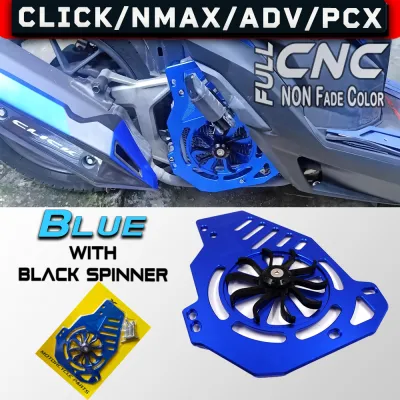
Aluminum alloys are among the most popular materials for NMAX V1 radiator guards due to their excellent strength-to-weight ratio. Aluminum is naturally resistant to rust, making it highly suitable for the humid and rainy climate of the Philippines. Even if the protective paint or anodized coating gets chipped by a stone, the underlying aluminum will not develop structural rust. However, aluminum is a relatively soft metal, meaning a high-velocity impact from a large stone may dent the guard, though it will still successfully protect the radiator behind it.
Stainless steel is the material of choice for riders seeking maximum durability and impact resistance. A stainless steel guard can withstand heavy impacts without deforming, ensuring the radiator remains completely untouched even in harsh riding environments. The primary trade-offs of stainless steel are its weight and cost; these guards are noticeably heavier than aluminum options and generally command a higher price in local shops. Additionally, ensure the product is made from high-grade stainless steel (such as 304 grade) to prevent surface rust from forming over time due to exposure to rain and road salt.
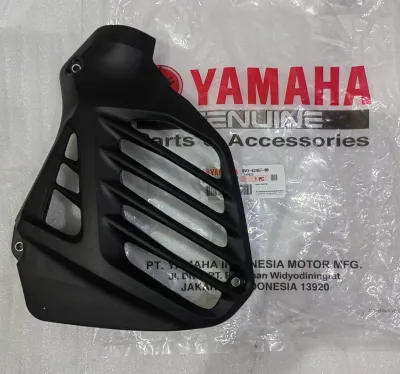
ABS plastic or resin covers represent the budget-friendly segment of the market, often ranging from a few hundred ₱ to slightly more. These covers are incredibly lightweight, completely immune to rust, and can be molded into complex, aerodynamic shapes that direct airflow into the radiator. The main drawback of plastic covers is their long-term durability under tropical conditions. Prolonged exposure to intense UV radiation from the sun, combined with the high operating temperatures of the engine, can cause cheaper plastics to become brittle and crack over time.
Regardless of the base material, the surface treatment of the radiator cover plays a vital role in its longevity and appearance. Powder-coated finishes offer excellent resistance to chipping, scratching, and chemical exposure, making them ideal for steel guards. Anodized finishes, common on aluminum guards, provide a durable, corrosion-resistant colored layer that will not peel or flake off. When shopping, inspect the quality of the finish, as poor-quality coatings can quickly fade under the sun or peel off after a few washes.
How to Verify Fitment and Compatibility
The Yamaha NMAX has gone through multiple generational updates since its initial release, making precise fitment verification essential. The NMAX V1 (typically models produced from 2015 to 2019) features a specific radiator shape, mounting hole alignment, and side fairing clearance that differ from the V2 and V3 models. Never rely on generic product titles that simply state “NMAX Radiator Cover” without specifying the generation. Always look for explicit confirmation that the product is designed specifically for the V1 model.
Before purchasing, check for potential clearance issues with other aftermarket accessories you may have installed on your scooter. For example, heavy-duty crash bars, leg shields, front fender extensions, or modified side body panels can alter the space available around the radiator area. A bulky radiator cover might rub against these accessories, leading to paint damage, persistent vibrations, or difficulty during installation. Measure the clearance around your current radiator shroud to ensure the new cover will fit comfortably without interference.
When browsing online marketplaces, do not rely solely on the seller’s compatibility claims. Take the time to read customer reviews, specifically looking for feedback from other NMAX V1 owners. Look for uploaded photos of the installed product to verify that the bolt holes align perfectly with the factory mounting points. If multiple reviews mention that the brackets had to be bent, filed, or forced into place, it is a strong indication of poor manufacturing tolerances, and you should consider alternative options.
Additionally, inspect the product photos carefully to ensure the cover does not block access to essential maintenance points. On the NMAX V1, you should still be able to access the coolant reservoir cap and inspect the coolant level without needing to completely disassemble the radiator guard. A well-designed cover will feature cutouts or strategic spacing that allows for routine maintenance checks with minimal hassle.
Installation Considerations and Safety Boundaries
Before beginning the installation of your new radiator cover, it is highly recommended to consult both the aftermarket part’s instructions and your Yamaha NMAX V1 owner’s manual. Understanding the layout of the cooling system and the surrounding body panels will help you avoid accidental damage. Always ensure the engine is completely cool before starting any work; the radiator and coolant hoses can reach extremely high temperatures during operation, posing a severe burn hazard.
When mounting the cover, use the correct hand tools and pay close attention to the torque applied to the mounting bolts. The factory mounting points on the scooter are often threaded into relatively soft metal brackets or plastic tabs that can easily strip if over-tightened. If the aftermarket cover kit includes new bolts, compare their length and thread pitch with the factory screws to ensure they are compatible. Applying a small drop of medium-strength thread-locking compound to the bolt threads can help prevent them from backing out due to engine vibrations.
It is crucial to establish clear stop conditions during the installation process to protect your scooter’s cooling system. If you find that the aftermarket cover makes direct contact with the delicate aluminum fins of the radiator core, stop the installation immediately. The guard should only contact the outer frame or mounting brackets of the radiator; any direct pressure on the cooling fins can cause them to bend or wear through over time due to vibration. Similarly, if the cover pinches or kinks any coolant hoses, or if it rubs against electrical wiring harnesses, do not force the fitment.
If the installation requires removing multiple front body panels, modifying the factory shroud, or if you lack the appropriate tools and mechanical experience, it is best to seek professional assistance. A qualified motorcycle mechanic at a local shop can ensure the cover is mounted securely, aligned correctly, and does not interfere with the cooling system’s operation. Investing in professional installation can save you from costly repairs caused by stripped threads, damaged radiator fins, or restricted coolant flow.
Frequently Asked Questions (FAQ)
Will a radiator cover cause my NMAX V1 engine to overheat?
A properly engineered radiator cover will not cause your Yamaha NMAX V1 engine to overheat. High-quality guards are designed with optimized mesh patterns, such as hexagonal or honeycomb shapes, which maintain a high open-area ratio to allow sufficient airflow while blocking harmful debris. However, poorly designed covers with excessively thick frames, solid metal plates, or extremely dense mesh patterns can restrict airflow and lead to higher operating temperatures. After installing a new cover, it is advisable to monitor your scooter’s temperature gauge during your initial rides, especially when idling in heavy traffic, to ensure the cooling system is functioning normally.
Can I install the radiator guard myself at home?
Yes, most direct bolt-on radiator covers can be installed at home using basic hand tools, such as a socket wrench set or Allen keys, depending on the hardware provided. The process typically involves removing the factory plastic outer cover, aligning the new guard with the existing mounting holes, and securing it with the supplied bolts. However, if the installation instructions require drilling into the frame, modifying the factory shroud, or routing wires, or if you feel uncomfortable working near the delicate cooling system, it is highly recommended to have the guard installed by a professional mechanic at a local motorcycle shop to avoid accidental damage.
Community discussion
Share your experience or ask a question. Comments are reviewed before publication.